Address
304 North Cardinal St.
Dorchester Center, MA 02124
Work Hours
Monday to Friday: 7AM - 7PM
Weekend: 10AM - 5PM
Address
304 North Cardinal St.
Dorchester Center, MA 02124
Work Hours
Monday to Friday: 7AM - 7PM
Weekend: 10AM - 5PM


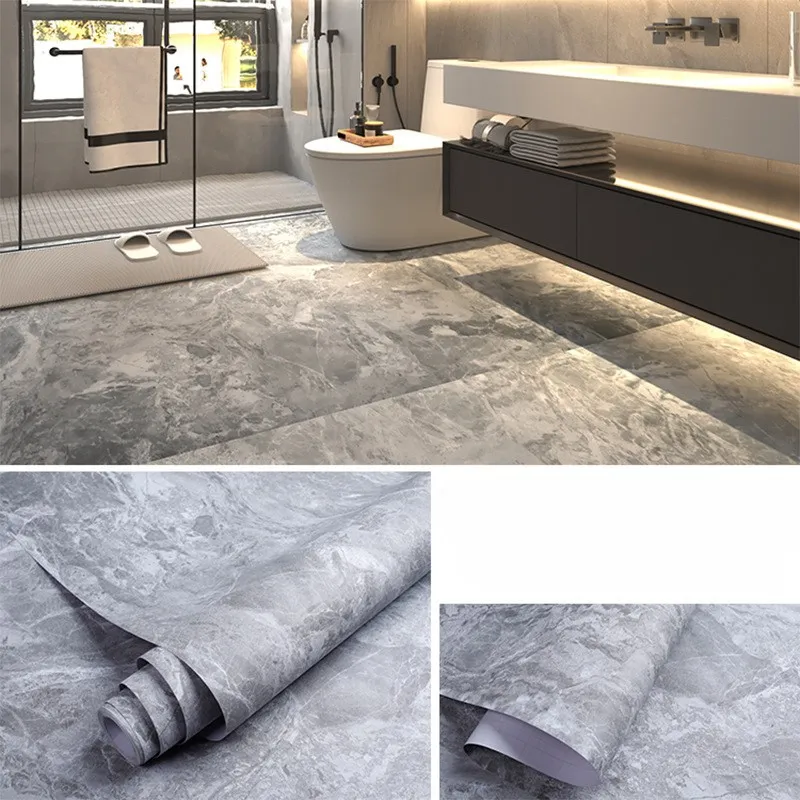
Fabric PVC film (also called fabric-backed PVC film or cloth-based PVC film) is a high-performance material made by combining PVC with a textile substrate to improve dimensional stability, tear resistance, and application reliability. It is widely used in furniture wrapping, wall & ceiling decoration, flooring systems, skirting profiles, protective coverings, and functional industrial laminations.
For buyers, the key challenge is balancing appearance, processability, durability, and compliance—while choosing a supplier that can consistently deliver at scale.

Below is a practical, factory-oriented guide covering manufacturing steps, popular applications, key specifications, and a supplier selection checklist—so you can source fabric PVC film with fewer risks and better total cost performance.
Standard PVC film can be soft or rigid depending on formulation, but it may stretch, shrink, or wrinkle during lamination and installation. Adding a fabric base (woven or non-woven) helps the film behave more predictably in production and end use.
Typical constructions include single-layer PVC with fabric reinforcement, or multi-layer composite designs where a decorative layer, functional layer (anti-scratch/anti-static), and fabric backing work together. Depending on product goals, manufacturers may also offer transparent, matte, glossy, embossed, pearlescent, or self-adhesive versions.
A stable supply depends on stable process control. High-quality suppliers typically run an integrated workflow covering calendering, printing, and slitting & packaging—so that thickness, surface, color, and roll quality remain consistent batch to batch.
PVC resin is compounded with plasticizers (for flexibility), stabilizers (thermal/UV), fillers, pigments, and performance additives (anti-scratch, anti-static, anti-fog, etc.). This recipe determines the film’s softness, smell/VOC profile, aging resistance, and processing window.
✔ Buyer tip: Ask whether the supplier can provide REACH/RoHS declarations and details about phthalate-free or low-odor formulations if your market requires it (especially for indoor furniture and wall applications).
In calendering, heated compound passes through multiple precision rollers to form a continuous sheet. Calendered films are valued for uniform thickness and stable mechanical properties—often preferred for decorative and industrial uses.
For reference, many buyers start their selection from a standard Calendered Film base and then refine texture, print, and backing.
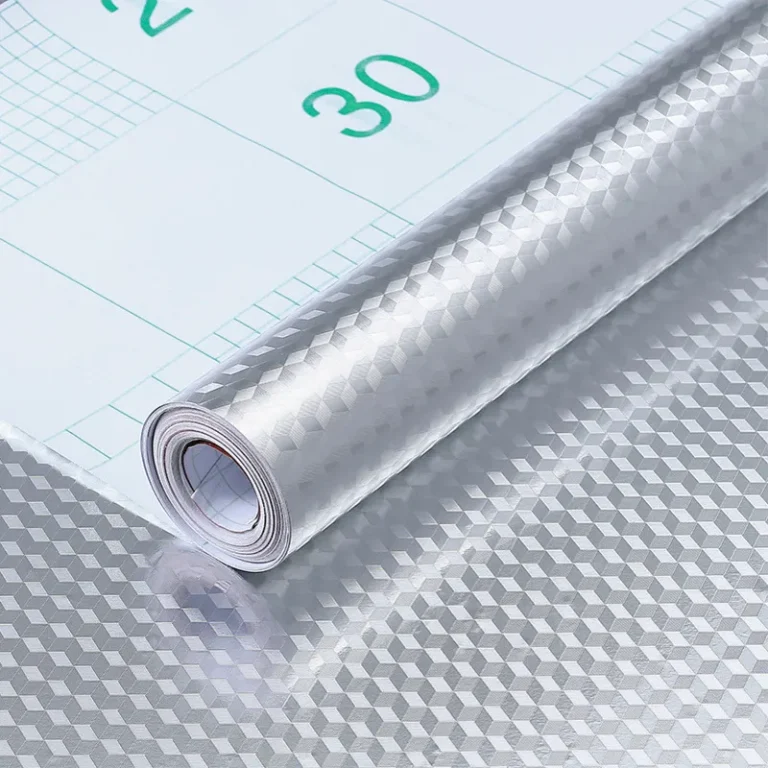
Texture rollers can create matte, wood pores, stone grains, fabric weaves, brushed lines, and 3D relief effects. Texturing impacts not only aesthetics but also scratch visibility and cleaning behavior. For premium interior looks, textured products such as 3D Silk Texture Film are commonly used in furniture and decorative panels.
Decorative fabric PVC films often require precise printing to match wood grain, marble, textile, or solid color themes. Stable color management (sample approval, master standards, delta-E control) is essential when you have multi-batch projects—like kitchen cabinets, wardrobes, hotel fit-outs, or franchise store renovations.
The PVC layer is bonded to fabric using suitable adhesive or thermal methods. This stage is critical: improper lamination can cause bubbling, delamination, edge lifting, or shrinkage after installation. The best suppliers will offer process guidance based on your equipment (wrapping, vacuum press, flat lamination) and your substrate (MDF, plywood, PVC board, metal sheet, etc.).
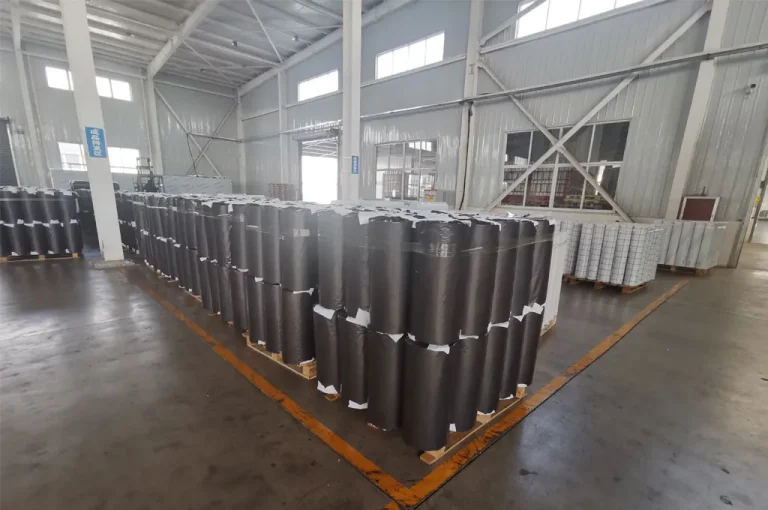
Final rolls are slit to the required width, rewound with controlled tension, and packaged to protect edges and surfaces. Professional packaging typically includes dust-proof PE film or kraft wrap, plus clear labels showing specification, batch, and inspection status—helpful for warehouse management and traceability.
Fabric PVC film is selected when users need a decorative finish plus better stability than standard film. The following use cases reflect common purchasing patterns across furniture, construction, electronics, advertising, medical, and home goods.
Used on cabinet doors, wardrobes, desks, wall panels, and decorative trims. Popular styles include wood grain, matte solid colors, stone looks, and soft-touch finishes.
For construction and renovation, fabric PVC film can be engineered for easy cleaning, moisture resistance, and stable installation on profiles. For example, skirting and trim systems often specify consistent color and abrasion resistance; buyers commonly compare options like PVC Skirting Film when matching interiors across rooms or projects.
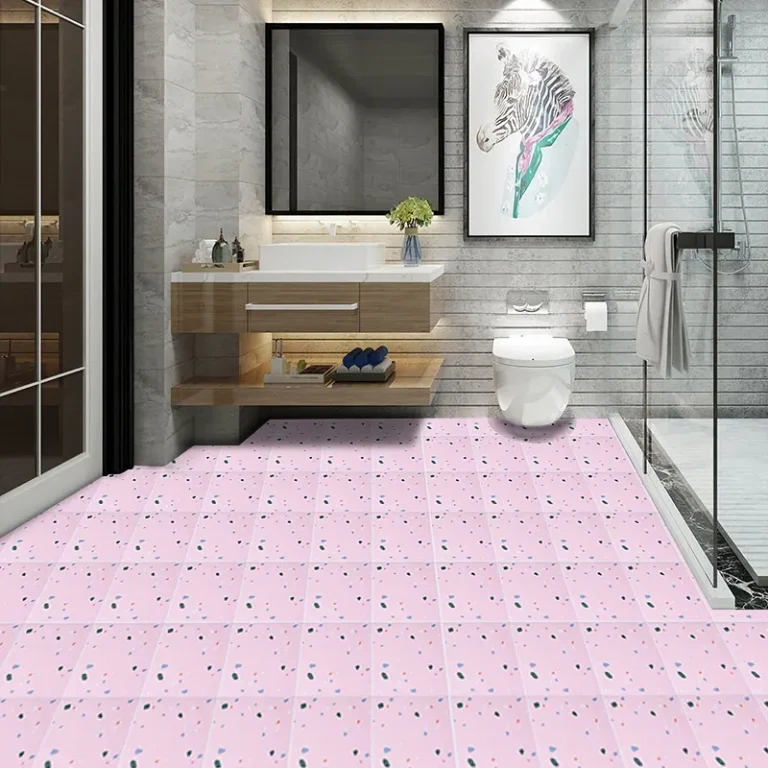
In flooring systems, PVC films may serve as decorative layers or protective layers depending on design. Choosing the correct wear resistance, thickness, and emboss depth is crucial for long-term appearance. If your project relates to resilient flooring, reviewing a dedicated Floor Film category can help clarify finish options and use conditions.
Anti-static, insulating, protective, and brushed-metal looks are common. These applications typically require stricter tolerance control (thickness, surface defects, adhesion), and may require third-party test reports.
Special grades can support clean packaging and protective barriers. In these scenarios, you should confirm low contamination risk, compliance documentation, and batch traceability.
Many sourcing problems come from vague specs. To avoid mismatches, define performance targets based on your application method, climate conditions, and substrate.
Ask your supplier to share internal QC standards and typical test results. Depending on use, consider requesting: thickness mapping, tensile/tear strength, peel adhesion, heat shrink behavior, abrasion resistance, chemical resistance (cleaners/oils), aging/UV, and surface defect criteria (gel points, pinholes, fisheyes).
Choosing a fabric PVC film supplier is not only about price per roll. The right partner reduces claims, saves labor, stabilizes your output, and protects your brand reputation.
Suppliers with in-house calendering, printing, and slitting/packaging can control critical variables and respond faster to changes. This also supports shorter lead times and clearer traceability when you need repeat orders.
For international projects, confirm whether the supplier supports ISO systems and can provide compliance aligned with your market (commonly ISO 9001/14001, REACH, RoHS, and—where needed—FDA-related statements). Also verify heavy-metal and phthalate control, especially for indoor decoration and products with potential human contact.
Export-ready packaging reduces damage claims. Ask how rolls are wrapped (dust-proof PE film or kraft paper), whether corners/edges are protected, and how labels specify width, thickness, length, pattern code, and batch number. For long-distance shipping, moisture protection and pallet stability matter as much as film quality.
A strong supplier runs multiple QC checks—raw material incoming inspection, in-process thickness/appearance monitoring, print color control, lamination bonding checks, and final roll inspection before shipment. When possible, request batch traceability and acceptance criteria for visual defects.
⚑ Practical sourcing workflow: sample approval → small trial order → process verification on your line → finalize spec sheet (including tolerances) → mass production with pre-shipment inspection.
A beautiful sample may fail in production if thickness tolerance, shrink behavior, or lamination strength is not suitable. Always align appearance with process requirements and test it on your actual equipment.
Woven vs non-woven backing affects stiffness, stability, and bonding. Confirm whether the supplier’s film is designed for vacuum press, profile wrapping, flat lamination, or self-adhesive use.
For large projects, define a signed master sample and specify acceptable color deviation. This matters especially for solid colors and low-gloss finishes where slight differences are more visible under showroom lighting.
Humidity, heat, cleaning chemicals, and UV exposure change performance needs. Kitchens, bathrooms, and commercial spaces typically require better stain resistance and easier cleaning than low-traffic residential areas.
To get accurate pricing and the right recommendation, share a clear specification package. This reduces back-and-forth and speeds up sampling.
Calendered PVC film is formed through roller calendering, typically offering stable thickness control and consistent mechanical properties—often preferred for decorative and industrial laminations.
Yes. Common custom options include thickness, width, roll size, color/pattern printing, emboss texture, functional coatings (anti-static/anti-fog), and export packaging.
Run a trial using your real substrate, adhesive, and machine settings. Confirm corner performance, shrink behavior, adhesion stability, and surface defect tolerance before mass production.
Common requests include ISO quality/environment system references, REACH/RoHS statements, heavy-metal and phthalate control, and any required third-party test reports for your market.
Custom printing, emboss tooling, special functional coatings, and order volume. Clear specifications and fast sample approval are the best ways to shorten the timeline.