Address
304 North Cardinal St.
Dorchester Center, MA 02124
Work Hours
Monday to Friday: 7AM - 7PM
Weekend: 10AM - 5PM
Address
304 North Cardinal St.
Dorchester Center, MA 02124
Work Hours
Monday to Friday: 7AM - 7PM
Weekend: 10AM - 5PM


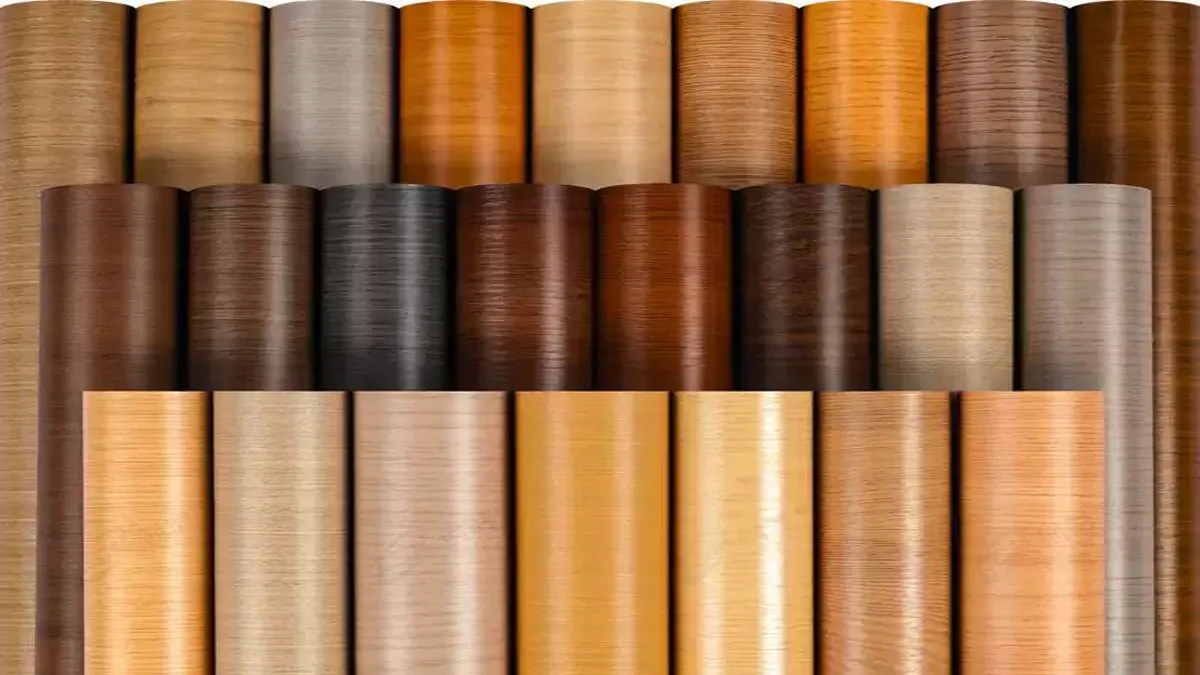
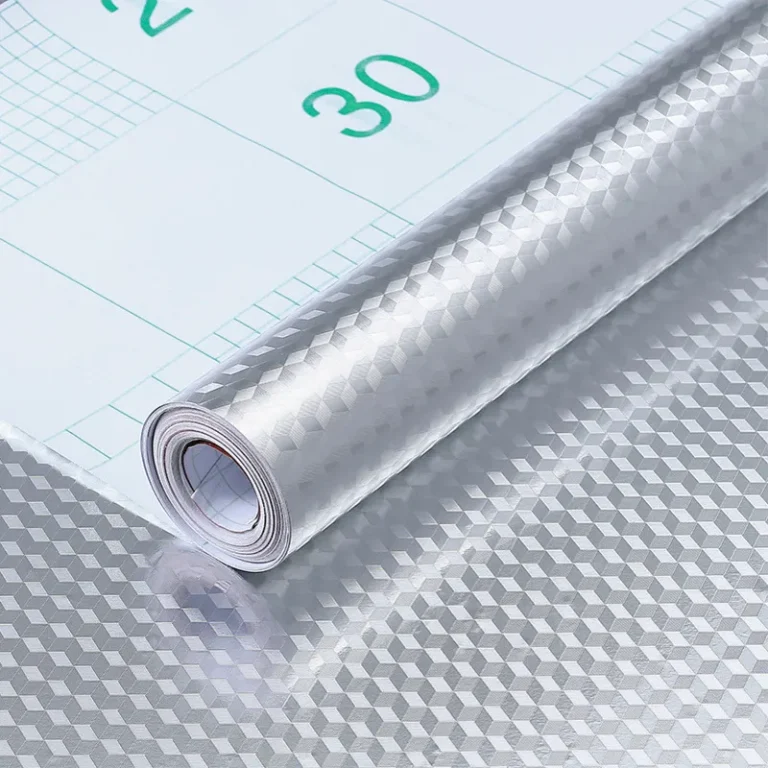
Embossed PVC film is a textured polyvinyl chloride surface material engineered to deliver both visual depth and functional performance. By adding patterns such as wood pores, fabric weaves, stone grains, or geometric textures, embossed films help products feel more premium, hide minor scratches, and improve grip—while keeping manufacturing efficient and consistent at scale.
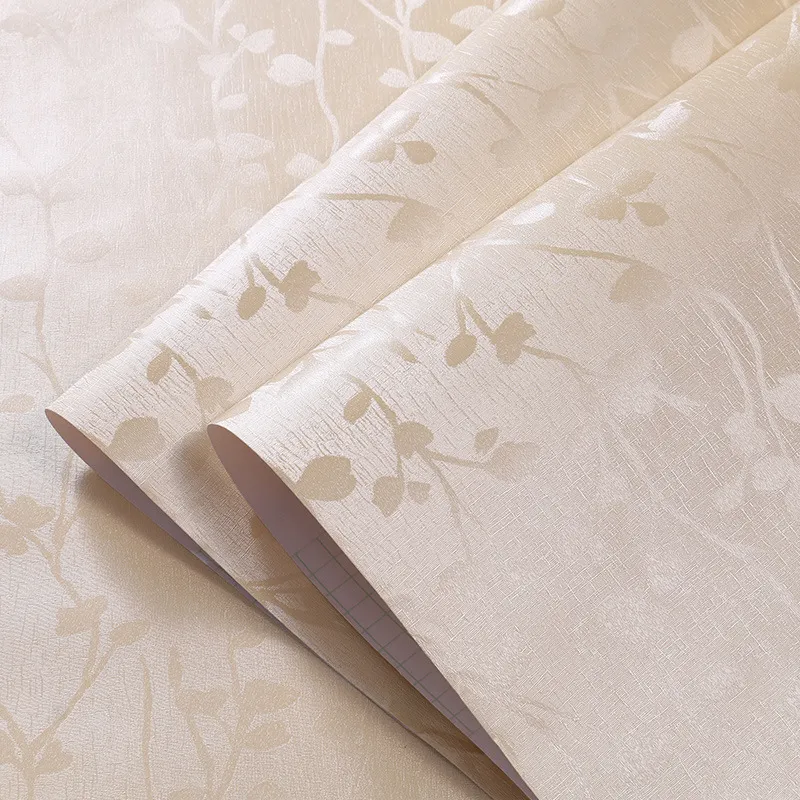
Key takeaway:
Embossing is not “just decoration.” It can improve scratch masking, anti-slip behavior, touch comfort, and maintenance ease—making it a practical choice for furniture, interiors, electronics, advertising, and hygiene-sensitive environments.
Embossed PVC film is a PVC sheet whose surface is pressed with a patterned roller (or plate) to form a raised and recessed texture. Depending on the design, the texture can be subtle (micro-emboss) or more pronounced (deep emboss/3D). Embossed PVC films are commonly produced as calendered films for stable thickness control and consistent roll quality, then combined with printing, coating, and slitting processes for end-use needs.
Embossed PVC film is often used as the decorative and protective top layer on boards, panels, and profiles. It can be laminated to substrates (MDF, particleboard, plywood, metal sheets), used as a wrap film, or applied as a self-adhesive layer—depending on the industry.
“Embossed” describes the surface structure, but your final selection should also consider film construction (single-layer vs. laminated), finish (matte/gloss), and functional coatings (anti-static, anti-fog, easy-clean). Below are the most common categories buyers compare.
Many embossed PVC films start with calendering for stable thickness, then proceed to printing/embossing/coating. Calendered films are favored for large-volume decorative use because they balance performance and cost while maintaining consistent roll-to-roll properties. If you want to compare base options, start with
Calendered Film.
A straightforward structure optimized for wrapping/lamination and cost control. Often selected when the substrate or adhesive system provides most of the mechanical support.
Layers can be engineered for appearance (print clarity), durability (wear layer), and special functions (anti-static, easy-clean, or improved adhesion).
In furniture and architectural interiors, embossed PVC film often improves day-to-day user experience: it can feel warmer than metal or stone, reduce visual noise from reflections, and make frequent cleaning less stressful because minor marks are less noticeable. In commercial settings—showrooms, hotels, retail—these details translate into surfaces that stay “presentable” for longer.
✔ Selection tip:
If a surface will be touched frequently (cabinet doors, drawers, wall panels near switches), prioritize matte or micro-emboss to reduce fingerprints and glare. If the goal is a bold decorative statement, consider deep emboss / 3D textures.
Embossed PVC film is widely used for kitchen cabinets, wardrobes, office furniture, tabletops, and decorative trims. Wood grain and fabric embossing are especially popular because they create a high-end tactile effect without the variability of natural veneer. Manufacturers also value roll consistency for stable lamination and predictable yield.
In architectural and interior projects, embossed PVC films serve as decorative wall coverings, partitions, ceilings, door surfaces, and profiles. For skirting and trim details—where scuffs happen frequently—dedicated solutions such as
PVC Skirting Film
can help maintain a clean finish while improving abrasion tolerance.
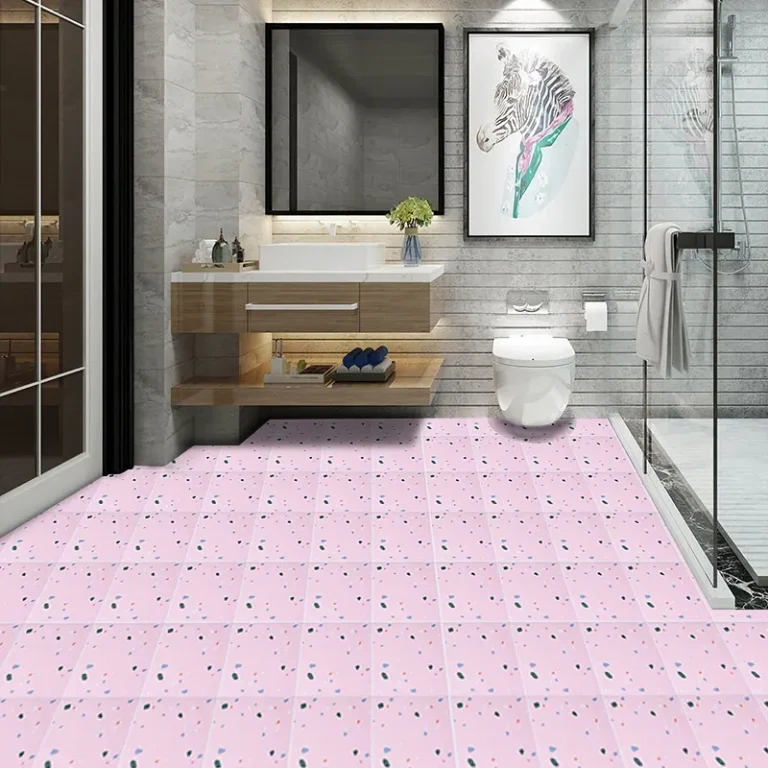
For flooring-related products, embossing can contribute to anti-slip feel, scratch masking, and design realism. Many decorative systems use specialized floor-oriented films designed for wear and stability. If you’re comparing options for vinyl floors or protective floor surfaces, see
Floor Film.
Embossed PVC film can be engineered with anti-static or protective properties for electronics and appliances, and it is also used as insulation/protection layers in industrial settings. Micro-emboss textures are often preferred because they reduce glare and fingerprints while keeping a clean, technical look.
Textured finishes can elevate display boards, promotional panels, and background surfaces by creating depth under spotlights. When brands want tactile “premium cues” without adding heavy materials, embossed PVC films provide an efficient solution for repeated roll-based production.
To avoid sampling delays and mismatched expectations, align on the basics early: thickness range, width, roll length, emboss pattern code, gloss level, color tolerance, surface treatment, and packaging. If your line is sensitive, also confirm forming behavior, lamination temperature window, and whether the film is optimized for flat lamination or profile wrapping.
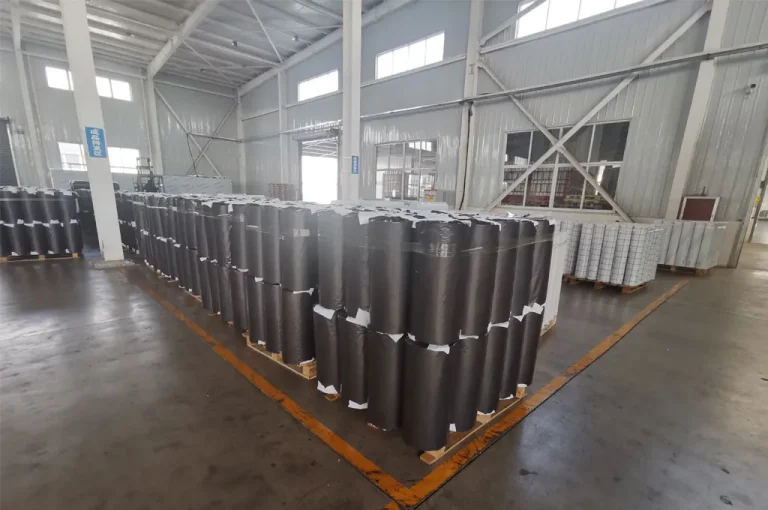
For many buyers, the “best” embossed PVC film is the one that runs smoothly on the production line while staying consistent over time. A supplier with integrated capabilities—calendering, printing, slitting, and packaging—can control quality at each step, shorten lead times, and keep costs predictable. This is especially important for OEM programs where pattern matching and roll consistency impact the final product’s appearance.
To reduce shipping risk, rolls are commonly wrapped individually (e.g., dust-proof PE film or kraft paper), labeled with specs, and protected against moisture and compression. This helps preserve emboss definition and surface clarity after long-distance transit.
Embossed PVC film is generally low-maintenance, but correct cleaning protects the finish and extends service life. For most indoor decorative applications, gentle routines work best—especially on matte or soft-touch textures.
Embossed PVC film has a textured surface that adds tactile feel and helps hide small scratches, while flat film is smooth and typically shows reflections and fingerprints more easily.
Yes. Many embossed textures (especially matte and micro-emboss) are chosen for cabinet doors and furniture because they reduce glare, improve scratch masking, and can be easier to keep looking clean.
Yes. OEM/ODM programs commonly customize emboss pattern/depth, printed design, thickness, width, roll length, surface finish, and packaging/labels for production compatibility.
Matte embossed finishes are better for fingerprint control and low glare, while glossy embossed finishes emphasize decorative highlights and depth under lighting. Choose based on usage intensity and design intent.
Provide the target application, texture/pattern preference, thickness, width, roll size, finish (matte/gloss), any functional coating needs (e.g., anti-static), and expected order quantity for accurate recommendations and pricing.