Address
304 North Cardinal St.
Dorchester Center, MA 02124
Work Hours
Monday to Friday: 7AM - 7PM
Weekend: 10AM - 5PM
Address
304 North Cardinal St.
Dorchester Center, MA 02124
Work Hours
Monday to Friday: 7AM - 7PM
Weekend: 10AM - 5PM


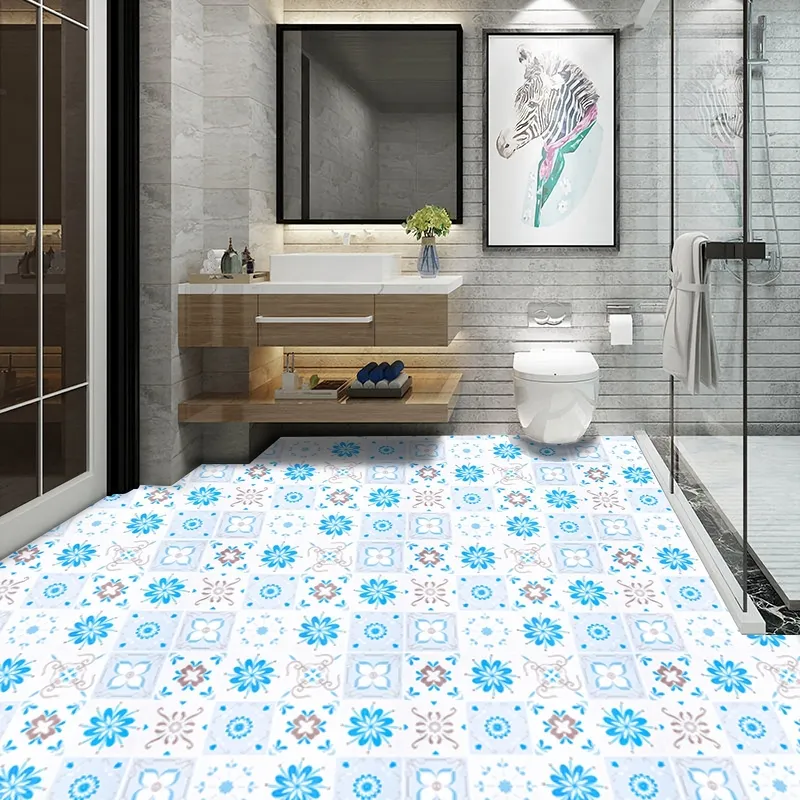
Calendered PVC film is one of the most widely used plastic films in modern manufacturing because it balances surface beauty, stable performance, and cost efficiency. From furniture wraps and wall décor to protective layers, flooring, and functional industrial uses, it gives brands a flexible way to deliver premium-looking surfaces at scale—without sacrificing processability.
Quick takeaway:
Calendered PVC film is made by calendering (rolling) PVC into a controlled-thickness sheet, then optionally adding printing, embossing, functional coatings, or self-adhesive layers for specific applications.
PVC film is a thin sheet of polyvinyl chloride designed for decoration, protection, insulation, or packaging. Among different PVC film manufacturing methods, calendering is especially popular for producing films with consistent thickness, excellent surface finish options, and strong scalability.
PVC compound is heated and passed through a series of rollers to form a film with controllable thickness and texture. Ideal for decorative and functional surfaces.
Alternative processes may focus on special clarity or niche properties, but calendering often wins on throughput, appearance options, and total cost for large-volume décor and lamination.
If you’re evaluating product options, you can review a typical calendered PVC film lineup here:
Calendered Film.
Calendered PVC film is engineered to be printable, embossable, and lamination-friendly, which is why it appears in many surface-driven industries. Below are common applications and what the film is expected to deliver.
Popular patterns include
Wood Grain Film
and
Marble Film,
often paired with matte or embossed textures to reduce fingerprint visibility.
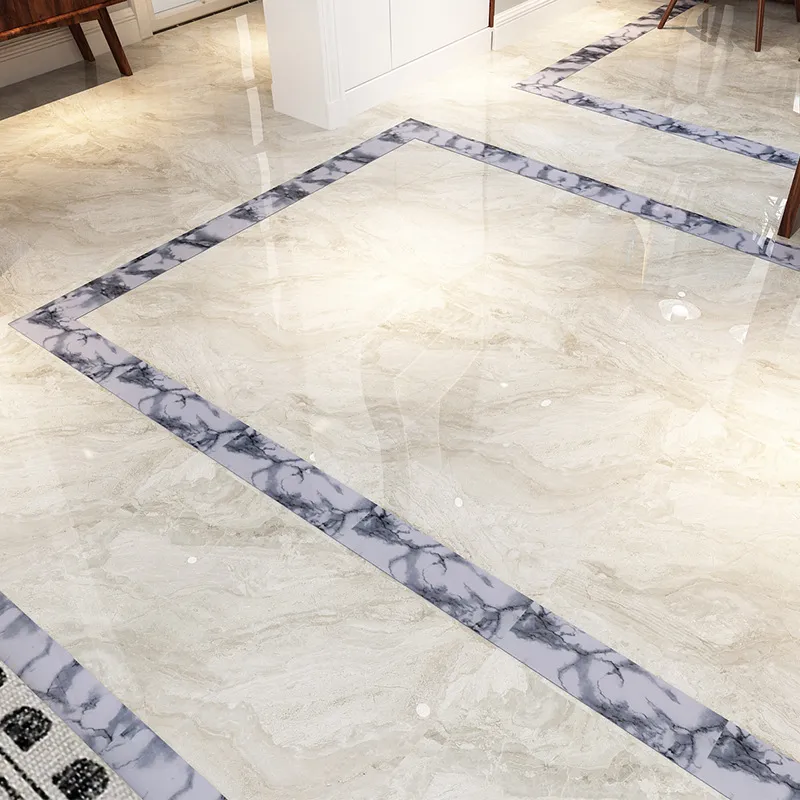
Wall coverings, partitions, ceiling surfaces, skirting, and decorative trims use calendered PVC film for water resistance, stain resistance, and fast installation.
For trim and edges, see:
PVC Skirting Film.
Flooring layers and protective films demand dimensional stability, wear resistance, and consistent thickness to ensure reliable lamination and long service life.
A typical option is:
Floor Film.
In medical and cleanroom environments, calendered PVC film can be specified with low-odor, compliance-ready formulations, and optional antibacterial or clean packaging requirements—helping reduce contamination risk during storage and transport.
Supports printing, embossing, matte/gloss control, pearlescent looks, and deep texture effects for brand differentiation.
Uniform gauge helps reduce lamination defects, improves yield, and makes downstream converting more stable.
Good water and stain resistance, wipe-clean convenience, and optional scratch/chemical resistance coatings.
Optimized raw materials and scalable calendering lines keep cost competitive for both standard and custom programs.
Anti-static, anti-fog, food-grade coatings, self-adhesive layers, and more—depending on the end use.
A “PVC film” request can mean very different products. To avoid sampling delays and mismatched performance, define specifications clearly. Below are the most common parameters buyers should lock in early.
Tip:
If your application is sensitive to visual defects (e.g., high-gloss cabinet faces), specify appearance standards such as allowable gels, specks, and gloss tolerance—then align inspection methods before mass production.
The “right” calendered PVC film is the one that meets your surface, processing, and compliance requirements with minimal risk. Use the steps below to choose confidently.
Decide whether your priority is high gloss (premium shine), matte (modern and fingerprint-friendly), or embossed (realistic depth).
For more tactile, fabric-like aesthetics, textured options such as
3D Silk Texture Film
can enhance perceived quality.
For most projects, sampling should validate both appearance and process stability. Typical tests include:
Two films can look similar in a catalog but behave differently on your line. In practice, supplier capability has a major impact on consistency, delivery, and defect control—especially for high-volume décor programs.
Suppliers with in-house calendering + printing + slitting + packaging can reduce lead time and lower the risk of mismatch between film, ink, and converting parameters.
Strong programs include raw material checks, in-process inspection, finished roll testing, and batch traceability—supporting stable long-term supply.
For company background and capabilities, you can also visit:
About Us.
For interior decoration and human-contact scenarios, many buyers prioritize low odor and chemical compliance. Calendered PVC film can be produced with non-toxic inks and formulations designed to meet common market expectations, but requirements vary by country and application.
If you’re building an RFQ package and want a structured checklist, browse:
FAQ
or reach out directly via:
Contact.
Calendered PVC film is formed by rollers that control thickness and surface texture. It’s commonly chosen for décor and lamination because it supports consistent gauge, high throughput, and a wide range of finishes.
Start with your application: decorative wraps and wall coverings may prioritize formability, while flooring and protective layers may prioritize wear and stability. Then confirm by sampling on your actual equipment and testing abrasion/adhesion as needed.
Yes. Common customization includes printing patterns, embossing, matte/gloss, plus functional options like anti-static, anti-fog, and specialized coatings—depending on feasibility and order volume.
Share film type, thickness, width, roll length, surface finish/texture, color or pattern reference, application method (lamination/vacuum/self-adhesive), required compliance, and target quantity. This reduces back-and-forth and speeds sampling.
Consistency typically depends on stable formulations, controlled calendering conditions, in-process inspection, roll-by-roll checks (thickness/appearance), and batch traceability—plus clear acceptance standards agreed before production.