Address
304 North Cardinal St.
Dorchester Center, MA 02124
Work Hours
Monday to Friday: 7AM - 7PM
Weekend: 10AM - 5PM
Address
304 North Cardinal St.
Dorchester Center, MA 02124
Work Hours
Monday to Friday: 7AM - 7PM
Weekend: 10AM - 5PM



Black PVC film is a versatile, cost-effective material used across furniture, construction, advertising, electronics, and home improvement. Its deep color helps hide surface imperfections, enhance product aesthetics, and provide durable protection in demanding environments. Whether you need a decorative wrap for panels, a protective layer for fabrication, or a functional film with anti-static or self-adhesive properties, understanding specifications and purchasing criteria is essential for consistent results.

Black is not only a color choice—it’s a performance choice. Black PVC film often delivers a premium, uniform look while reducing visible dust, joints, and minor substrate defects. In commercial interiors, it supports modern design trends (matte black, soft-touch black, brushed textures) and helps brands maintain consistent visual identity.
If you are comparing manufacturing routes, calendering is one of the most common and stable methods for producing high-quality PVC film at scale. Learn more about Calendered Film for decorative and industrial applications.
Black PVC film is a thin sheet made from polyvinyl chloride resin, plasticizers (for flexible grades), stabilizers, pigments, and performance additives. Depending on the target use, it can be manufactured as rigid or flexible, with finishes ranging from glossy and matte to embossed, brushed, leather-like, or soft-touch.
Single-layer film, multi-layer composite film, fabric-backed film, release/liner-based self-adhesive film, and functional coated variants (anti-static, anti-fog, scratch-resistant).
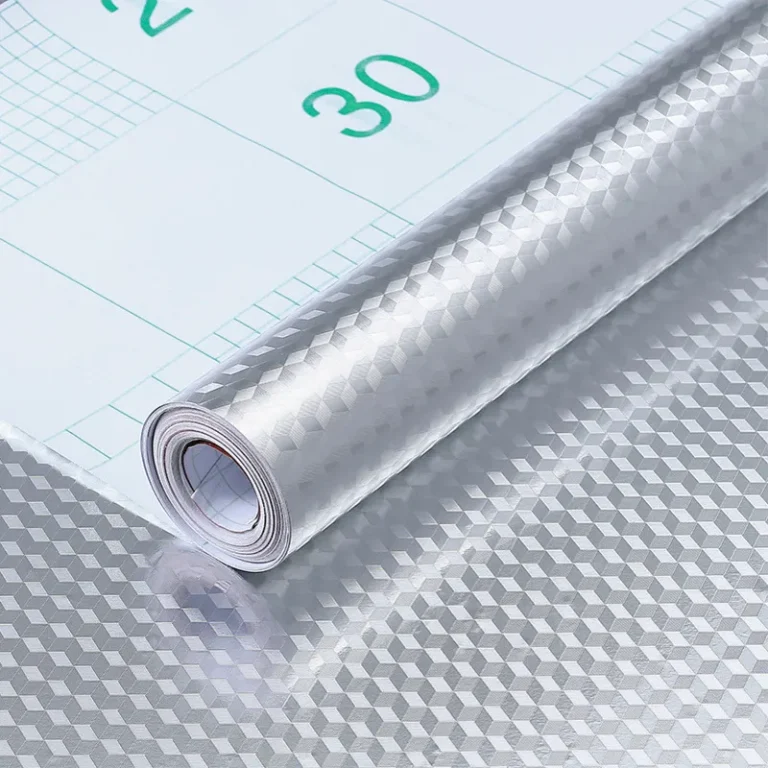
Glossy black, matte black, super-matte, soft-touch, embossed textures, silk/cloth textures, brushed metal effects, and 3D patterns.
Black PVC film can be adapted for decorative, protective, and functional roles. Below are the most common usage scenarios and what to prioritize for each.
● Furniture & Cabinetry: door panels, wardrobes, office partitions, tabletops, drawer fronts, trim wrapping. Choose consistent color batch control, abrasion resistance, and the right gloss level.
● Architectural Decoration: wall panels, skirting, ceiling elements, column wraps, decorative boards. Texture and dimensional stability matter, especially for large panels and hot climates.
● Electronics & Appliances: protective layers, insulation film, anti-static wraps, surface finishing. Prioritize anti-static options, clean-room packaging, and controlled thickness tolerance.
● Advertising & Display: exhibition boards, lightbox components, decorative laminates. Look for printability, flatness, and consistent roll winding.
● Home Improvement (DIY): quick renovation on doors, furniture surfaces, shelves, and protective coverings. Self-adhesive versions simplify installation and reduce tooling requirements.
For interior edging and finishing details, black film is frequently used on baseboards and trims. Related option: PVC skirting film.
Black delivers a clean, modern appearance. Matte and super-matte black are popular for premium interiors because they reduce glare and fingerprints (especially with soft-touch coatings).
PVC film can improve scratch resistance, moisture resistance, and stain resistance, helping extend product life in kitchens, offices, and public spaces.
Works well with laminating, vacuum pressing, wrapping, and slitting/rewinding. Multiple finishes and thicknesses allow optimization for cost and performance.
If the film will be frequently touched (cabinet doors, wardrobes, retail counters), consider anti-fingerprint or soft-touch matte structures. They reduce visible marks and elevate perceived product value—especially under strong indoor lighting.
Specifications determine whether the film performs well during processing and in real-world use. When requesting a quote or sample, clarify the parameters below to avoid mismatch.
Typical decorative PVC film thickness ranges from about 0.10 mm to 0.50 mm (and can be higher for special cases). Thinner films may be more economical and flexible; thicker films generally provide better coverage, texture depth, and durability. For high-speed lamination or demanding surfaces, ask for a tight thickness tolerance and batch consistency.
Production efficiency depends on matching your equipment and cutting plan. Confirm usable width (not only nominal), roll OD limits, core inner diameter, winding direction, and packaging requirements (dust-proof PE film or kraft wrap, labeled by specs).
Finish affects both appearance and maintenance. Glossy black looks luxurious but shows scratches and fingerprints more easily. Matte black is modern and practical. Embossed textures can hide wear and add premium tactility.
When you want a refined black look without looking “flat,” a textile-like or silk texture can elevate design. Example reference: 3D Silk Texture Film.
Black PVC film can be supplied as non-adhesive (for lamination/vacuum pressing) or as self-adhesive for quick installation. Confirm adhesive type (permanent/removable), liner type, initial tack, and long-term peel strength—especially for high-temperature or humid applications.
Functional performance can be engineered to match industry requirements:
For projects involving indoor spaces, public venues, or export markets, request documentation aligned with your needs. Many buyers ask for compliance references such as REACH, RoHS, and management systems like ISO 9001 and ISO 14001. If the film is intended for sensitive environments, ask for third-party testing reports and traceability by batch.
Buying black PVC film is not just about selecting a color. The smartest purchasing decisions come from matching film performance to process conditions, end-use expectations, and total cost (including scrap rate and rework).
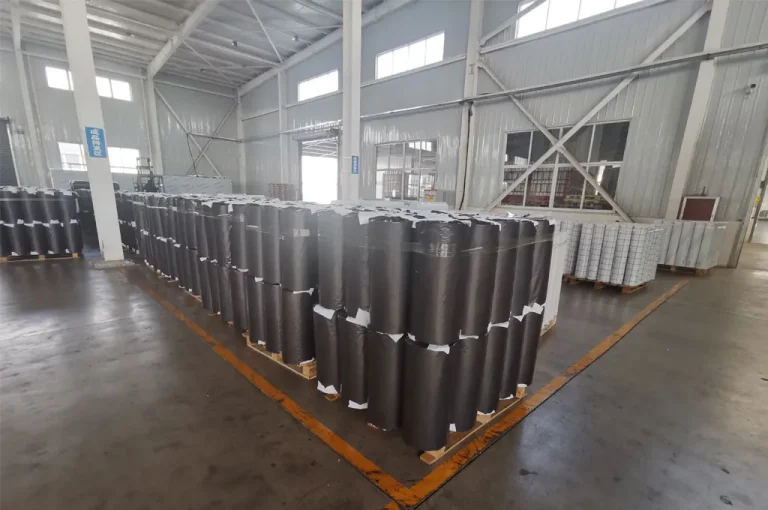
Price matters, but stable production matters more. A capable manufacturer typically offers end-to-end control: calendering, printing, and slitting/packaging in-house, enabling tighter quality control and faster delivery. Ask how the factory checks thickness, adhesion, optics, winding quality, and defect rates across batches.
Before you approve a bulk order, run controlled tests that mirror real production and user conditions:
Many projects use black as a core tone while combining other decorative series in the same space (walls, floors, cabinetry). Here are related categories often sourced together:
If your black film purchase is part of a full interior refresh, you may also evaluate floor-specific materials for durability and slip resistance. Reference option: Floor Film.
For cohesive minimal design, some buyers pair matte black features with clean, neutral wall finishes. Reference option: Solid color wallpaper.
Proper handling reduces defects and extends the life of black PVC film—especially for glossy or super-matte finishes where marks are more visible.
Store upright or as recommended, away from direct sunlight, excessive heat, and moisture. Keep rolls sealed until use to prevent dust contamination.
Use mild cleaners and soft cloths. Avoid harsh solvents unless the film is explicitly rated for chemical resistance.
Run trials to confirm temperature, pressure, and dwell time. Ensure substrate surface is clean and flat to reduce bubbles and telegraphing.
Yes. Choose a finish that matches how the surface will be used: matte/soft-touch for fingerprint reduction, and consider anti-scratch and stain-resistant properties for high-traffic kitchens.
For many decorative applications, 0.12–0.25 mm is common, while deeper textures or higher durability needs may favor thicker constructions. The best choice depends on your substrate, pressing method, and wear expectations.
High-quality formulations and stable pigments significantly reduce fading. For strong light exposure, ask for UV resistance guidance and test samples under your real lighting conditions.
Yes. Many manufacturers support OEM/ODM customization for color matching, gloss level, emboss patterns, functional coatings, and roll packaging/labels for traceability and safer shipping.
Share application method, thickness, width, roll length, finish (gloss/matte/emboss), adhesive/backing needs, color standard reference, quantity, and destination. Including substrate type and processing conditions helps avoid specification gaps.