Address
304 North Cardinal St.
Dorchester Center, MA 02124
Work Hours
Monday to Friday: 7AM - 7PM
Weekend: 10AM - 5PM
Address
304 North Cardinal St.
Dorchester Center, MA 02124
Work Hours
Monday to Friday: 7AM - 7PM
Weekend: 10AM - 5PM


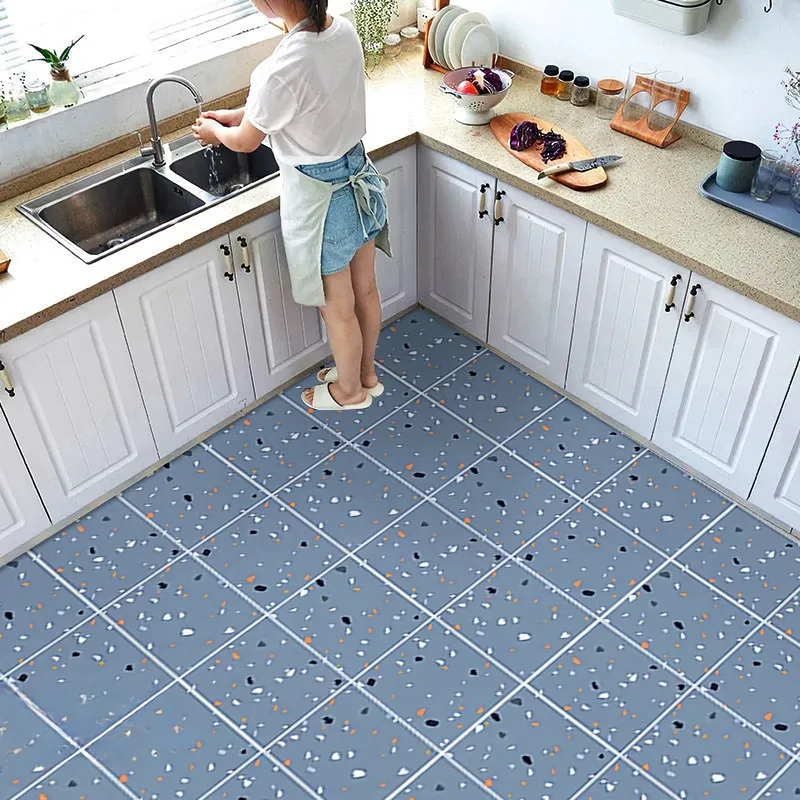
Sourcing PVC film in the United States is rarely just about finding the lowest price. American buyers—whether they’re furnishing a new apartment in Austin, renovating a retail space in New York, or building cabinet lines for fast-turn projects—often prioritize reliability, documented compliance, and consistent roll-to-roll quality. At the same time, today’s market expects short lead times, clear technical data, and finishes that match current U.S. lifestyle preferences: clean neutrals, realistic wood grains, easy-to-clean surfaces, and durable performance in busy homes, schools, hospitals, and commercial interiors.
This guide explains how to identify top PVC film manufacturers and suppliers serving the USA, what products matter most, and how to buy smarter—especially when you need stable quality, customization options, and predictable delivery.
PVC film remains a go-to surface and functional material across U.S. industries because it can combine design flexibility with cost control and production scalability. From furniture wrap to flooring layers and protective surfaces, it supports high-volume manufacturing while meeting expectations for modern aesthetics.
In practice, “top manufacturers” can include domestic producers and global manufacturers with proven export capability, strong QA systems, and responsive service for U.S. time zones. Many American buyers use a blended model: domestic supply for urgent runs and imported supply for customized designs or cost optimization.
● Domestic manufacturers – Ideal for tight lead times, smaller replenishment orders, and simplified logistics.
● Integrated global manufacturers – Strong choice for OEM/ODM customization (patterns, embossing, multi-layer structures).
● Converters/laminators/distributors – Add value through slitting, packaging, inventory programs, and tailored roll formats.
When evaluating “leading suppliers,” look beyond the sales pitch and confirm what they control in-house: calendering, printing, embossing, slitting, and QC traceability.
PVC film is not one product—it’s a family of materials built around thickness, surface finish, mechanical properties, and functional coatings. The “best” option depends on whether you’re wrapping cabinet doors, making skirting profiles, protecting electronics, or shipping sterile goods.
A workhorse category for decorative and industrial uses, valued for stability and production efficiency. If you’re comparing suppliers, start by reviewing their
Calendered Film
capability—thickness tolerance, gloss control, and print registration are common differentiators.
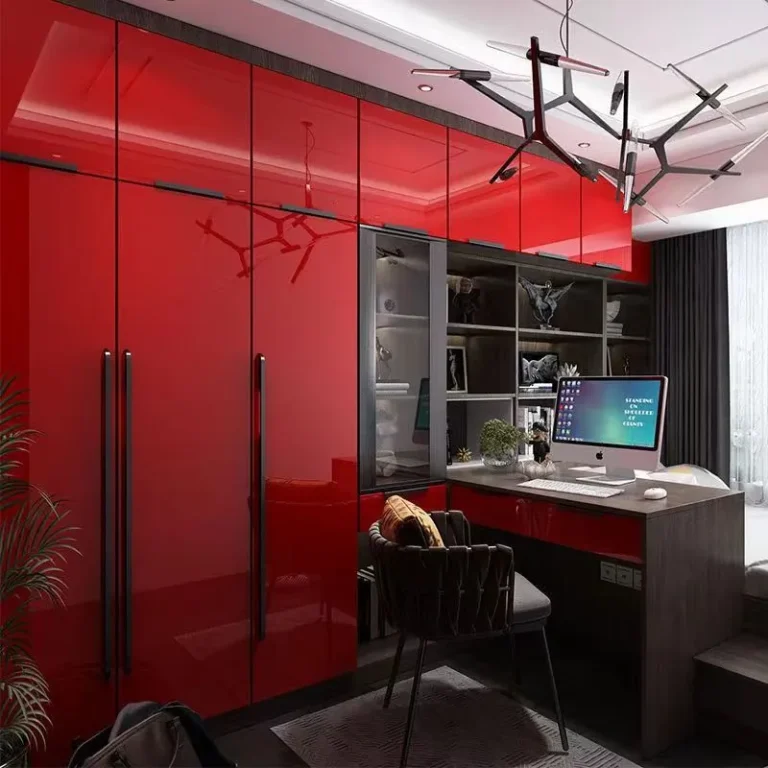
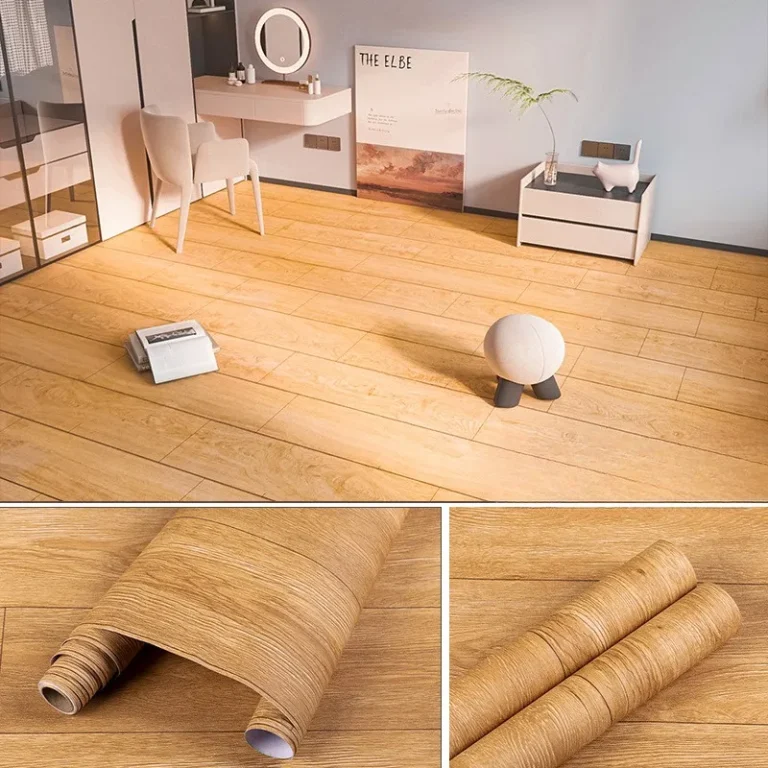
For U.S. interiors, realistic wood grains and muted solid tones are in constant demand. Films must also be easy to wipe down—especially in kitchens, rentals, and commercial areas. For quick project standardization, many buyers source stable SKUs like
Wood Grain Film
or
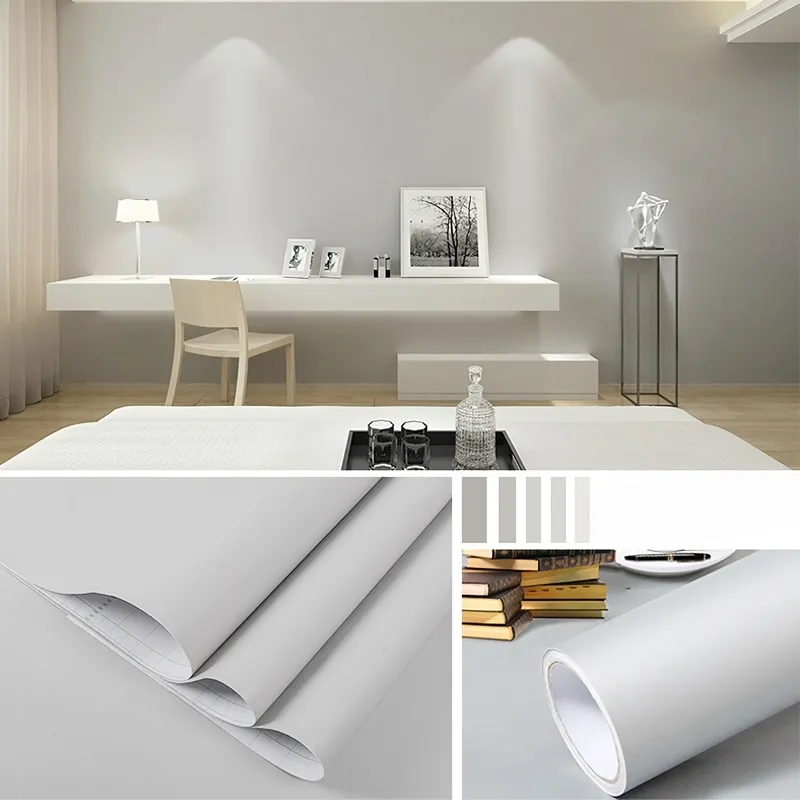
Solid Color Wallpaper.
U.S. consumers often judge “quality” by touch and low-glare appearance. Soft-touch and fabric-like textures help furniture and wall panels feel more premium without changing core substrates. A reference product style is
3D Silk Texture Film,
commonly used where tactile feel matters.
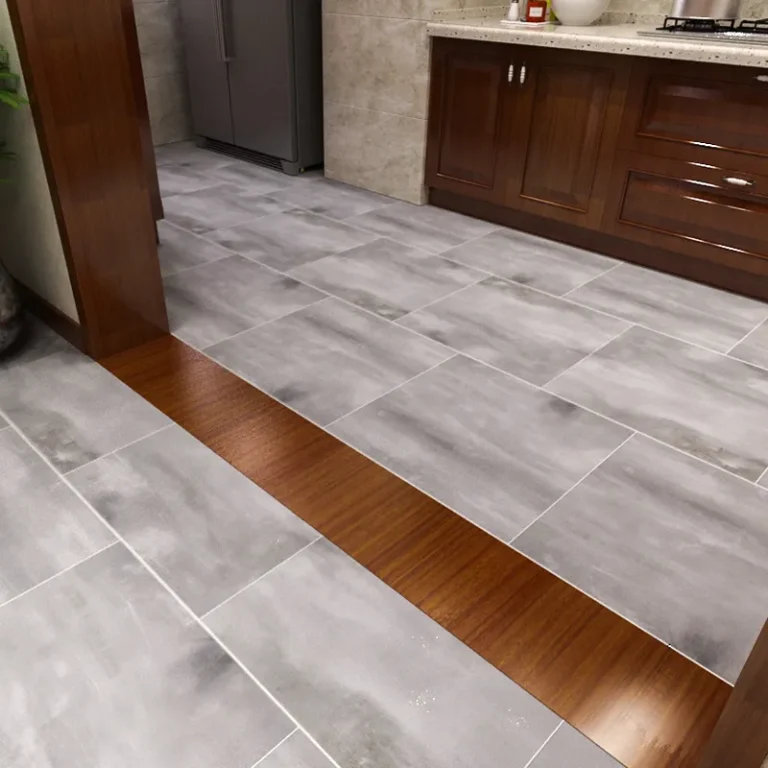
Floor applications require strong wear performance and stable printing/embossing alignment. When exploring suppliers, confirm testing methods (abrasion, stain resistance, dimensional stability). Typical sourcing includes
Floor Film
for layered floor structures and protection.
Strong suppliers make buying easy: clear specs, fast sampling, consistent QC, and packaging that arrives without edge damage. Below is a practical checklist aligned with what U.S. purchasing, engineering, and quality teams usually require.
One reason many U.S. buyers prefer an integrated manufacturer is the reduced risk of inconsistencies between stages (base film, printing, slitting, packing). Pulivk Film is an example of a supplier positioned around full-process production control, covering calendering, printing, and slitting/packaging in-house.
In the U.S. market, a “bad film” isn’t only a quality problem—it becomes a scheduling problem. Late rework can disrupt installers, delay store openings, or stall a cabinet line. The tips below help buyers minimize risk and negotiate smarter.
Provide your supplier with the real conditions: indoor/outdoor exposure, expected cleaning chemicals, substrate type (MDF, PVC board, metal, glass), and whether you’ll vacuum press, cold laminate, or wrap profiles. The best quote is the one that matches performance requirements—not the one that ignores them.
For decorative films, ask for the same embossing roller and ink system intended for mass production. If you’re matching a U.S. retail brand palette, confirm whether the supplier can lock the color under defined lighting conditions and share master samples for approval.
Anti-static, anti-fog, easy-clean, and food-contact-oriented coatings can affect adhesion and scratch behavior. Ensure the technical sheet specifies the treatment and the verification method. If you’re sourcing for electronics or clean environments, ask about surface resistivity targets and how long the effect lasts.
U.S. manufacturers often win customer loyalty by consistency. Use your PO terms to specify acceptable tolerances, roll labeling, splice rules, and claim windows. For repeat programs, ask about batch reservation, ink lot control, and change notification processes.
Include these in your inquiry:
U.S. purchasing teams often work cross-functionally with engineering, compliance, and operations. That means suppliers must respond with more than a brochure: they need clear data and fast iteration. In addition, American end-users generally favor finishes that look “real” in daylight and hold up to frequent cleaning—especially in family homes, rental properties, healthcare settings, and high-traffic public spaces.
If your product is consumer-facing, remember that U.S. buyers and homeowners are sensitive to odor and indoor comfort. Asking for low-odor, non-toxic ink, and documentation of restricted substances can help products pass internal review and improve acceptance during installation.
A practical shortlist usually includes 3–5 candidates that cover your risk profile: one fast domestic option, one high-capability customization partner, and one cost-optimized volume supplier with strong export logistics. Compare them with the same scorecard and sample set.
PVC film is widely used for furniture surfaces, cabinets, wall panels, flooring layers, protective coverings, advertising materials, and specialty industrial uses where durability and cleanability matter.
Calendered film refers to the manufacturing method and base film stability; decorative film focuses on appearance (print/texture). Many decorative films are also calendered—confirm structure, thickness, and surface performance rather than relying on labels alone.
Yes. Many suppliers support OEM/ODM customization for thickness, width, roll length, embossing/texture, printing patterns, and packaging—typically after sample approval and MOQ confirmation.
Request a technical data sheet, compliance declarations (commonly REACH/RoHS), and any needed third-party test reports based on your end-use (for example, interior contact or specialized industrial requirements).
Approve a master sample, define ΔE tolerance, confirm ink/embossing control methods, and require roll/batch traceability so the supplier can reproduce the same standard over time.