Address
304 North Cardinal St.
Dorchester Center, MA 02124
Work Hours
Monday to Friday: 7AM - 7PM
Weekend: 10AM - 5PM
Address
304 North Cardinal St.
Dorchester Center, MA 02124
Work Hours
Monday to Friday: 7AM - 7PM
Weekend: 10AM - 5PM


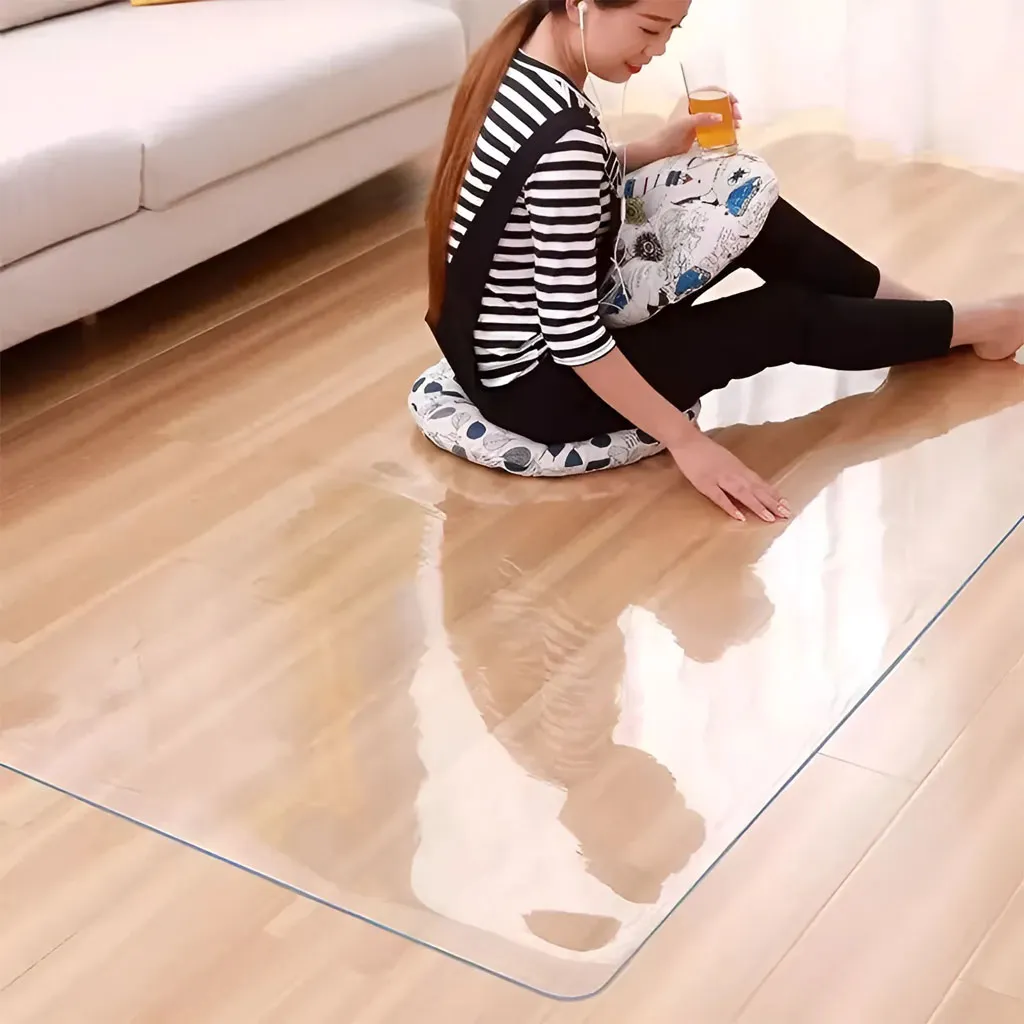
PCR PVC film is gaining attention as brands and manufacturers look for more sustainable ways to protect, present, and ship products—without sacrificing performance. In packaging, “PCR” typically means post-consumer recycled content: material recovered after consumer use, processed, and reintroduced into new products. When applied to PVC film, PCR content can help reduce reliance on virgin resin while keeping many of the barrier, durability, and converting advantages that make PVC a practical choice in multiple industries.

This guide explains what PCR PVC film is, where it fits best, what benefits to expect, and how to choose the right sustainable packaging film based on your real-world requirements—thickness, clarity, sealing behavior, surface finish, compliance, and supply consistency.
PCR PVC film is a PVC film made with a defined percentage of post-consumer recycled PVC (and, in some supply chains, may be blended with post-industrial recycled content where permitted). The PCR fraction is sourced from collected PVC waste streams, then sorted, cleaned, reprocessed, and pelletized to be used again in film production.
Key point:
PCR content supports sustainability goals, but film performance still depends on formulation, production method (e.g., calendering), and quality control—not just the recycled percentage.
✔ PCR = recycled after consumer use
✔ Designed to re-enter manufacturing as a usable raw material
✔ Can be engineered for packaging, protective, or decorative film functions
Virgin PVC film starts with new resin, while PCR PVC film includes recycled content. In practice, the “difference” you’ll notice depends on your application:
Sustainability is the headline, but procurement teams adopt PCR PVC film because it can deliver measurable environmental progress while preserving operational efficiency.
Adding PCR content reduces demand for virgin resin. For many organizations, this supports internal sustainability KPIs and aligns with customer expectations for responsible packaging.
PCR use encourages collection and recycling infrastructure. Over time, stable demand for PCR-grade material can help improve sorting quality and expand closed-loop opportunities where feasible.
PVC film is valued for durability, forming behavior, and surface versatility. With proper formulation and process control, PCR PVC film can remain suitable for protective wraps, industrial packaging, and certain consumer goods packaging where clarity and aesthetics can be tuned.
PCR claims must be accurate and documented. When backed by traceable sourcing and consistent QC, PCR PVC film supports credible messaging such as “contains post-consumer recycled content” or “reduced virgin plastic use,” depending on local labeling rules.
Procurement tip:
Ask for batch traceability, recycled content verification, and consistent roll-to-roll specs—these matter more than a single headline percentage.
PCR PVC film is used where durability, surface performance, and stable converting behavior are needed. The exact fit depends on whether your application prioritizes clarity, printability, abrasion resistance, or functional coatings.
Many suppliers that produce packaging-grade PVC films also support decorative and functional film categories—useful if you want to consolidate sourcing across departments:
Film performance is not only about material choice—manufacturing determines thickness control, surface finish, and consistency. Many PVC films for industrial use are produced by calendering, which can deliver stable gauge control and high output.
If you’re specifying PCR content, you should also verify how the producer manages: raw material sorting standards, compounding and filtration, plasticizer systems (if flexible film), and roll finishing/packaging to prevent contamination.
What to request from a supplier:
Choosing PCR PVC film is easiest when you start from the job the film must do—then set acceptable ranges for appearance, processing, and compliance.
List the real stresses: abrasion during transit, puncture risk, temperature swings, warehouse humidity, and exposure to oils or cleaning agents. A film that looks perfect on day one may fail under repeated handling if the mechanical targets are too low.
For many industrial-grade and decorative-grade requirements, Calendered Film is a common platform because it supports controlled thickness, smooth surface finishes, and scalable production. If you need lamination or multi-layer structures, confirm compatibility with adhesives, inks, and downstream converting.
Sustainable packaging often requires a balance between “recycled look” and brand presentation. Decide what is acceptable:
● Premium shelf display: tighter haze/gloss limits, controlled tint, high print fidelity
● Industrial transit wrap: cosmetic tolerance is higher; prioritize toughness and unwind stability
● Protective film for surfaces: uniform appearance matters if customers see it before removal
Note:
If you require near-virgin clarity, specify a test method for haze and include a golden sample for approval.
Ask how PCR content affects heat sealing windows (if applicable), ink adhesion, and slitting behavior. Your converting line speed and defect tolerance should guide the spec more than a general material description.
PCR packaging decisions often involve audits. Ensure your supplier can provide documentation such as ISO management systems, REACH/RoHS alignment, and application-specific statements (for example, phthalate and heavy-metal restrictions, where required). For sensitive markets, ask for third-party testing availability and a clear batch numbering system.
Sustainability claims should not compromise line stability. A strong sampling plan includes: small trial rolls, pilot runs on your equipment, and accelerated handling tests (rub, drop, abrasion, and storage). If your packaging is seasonal or exported, simulate shipping temperatures and stacking loads.
PCR content makes consistent QC even more important. Use the checklist below to reduce the risk of unexpected roll variation, line stops, or customer complaints.
Sustainable packaging succeeds when the entire system is considered: material choice, downgauging opportunities, protection level, and end-of-life realities. PCR PVC film can be a strong option when you want to reduce virgin resin usage while keeping dependable performance.
To maximize impact and minimize risk, prioritize: (1) using the lowest thickness that still protects the product, (2) selecting finishes that hide minor recycled variation when needed (matte, light textures), and (3) standardizing a small set of film SKUs so you can scale volume and stabilize quality.
Focus areas that often deliver quick wins:
➤ Downgauge trials (reduce thickness while meeting puncture/tear specs)
➤ Print optimization (ink adhesion + rub resistance + consistent color on recycled substrates)
➤ Roll handling standards (storage conditions, FIFO, dust control, and clean converting areas)
1) Is PCR PVC film suitable for high-clarity retail packaging?
It can be, but you must specify haze, gloss, and defect limits and confirm performance with trial rolls. Some retail applications may require tighter optical controls than standard industrial grades.
2) Will PCR content affect sealing or converting?
It may shift the processing window depending on formulation. Validate heat sealing (if applicable), ink adhesion, slitting behavior, and unwind stability on your own equipment before scaling.
3) What specifications should I request from a supplier?
Ask for thickness tolerance, mechanical properties, surface finish targets, defect criteria, COA per batch, recycled content statement, and compliance documentation relevant to your market and end use.
4) How do I compare PCR PVC film quotes fairly?
Compare by delivered performance: usable yield (defects), roll consistency, lead time stability, converting efficiency, and the completeness of documentation—price per kg alone can be misleading.
5) What’s the fastest way to qualify a new PCR PVC film?
Run a structured trial: lab tests (haze, tensile, tear), pilot converting, packaged product transit simulation, and a short controlled market release if the package is consumer-facing.