Address
304 North Cardinal St.
Dorchester Center, MA 02124
Work Hours
Monday to Friday: 7AM - 7PM
Weekend: 10AM - 5PM
Address
304 North Cardinal St.
Dorchester Center, MA 02124
Work Hours
Monday to Friday: 7AM - 7PM
Weekend: 10AM - 5PM


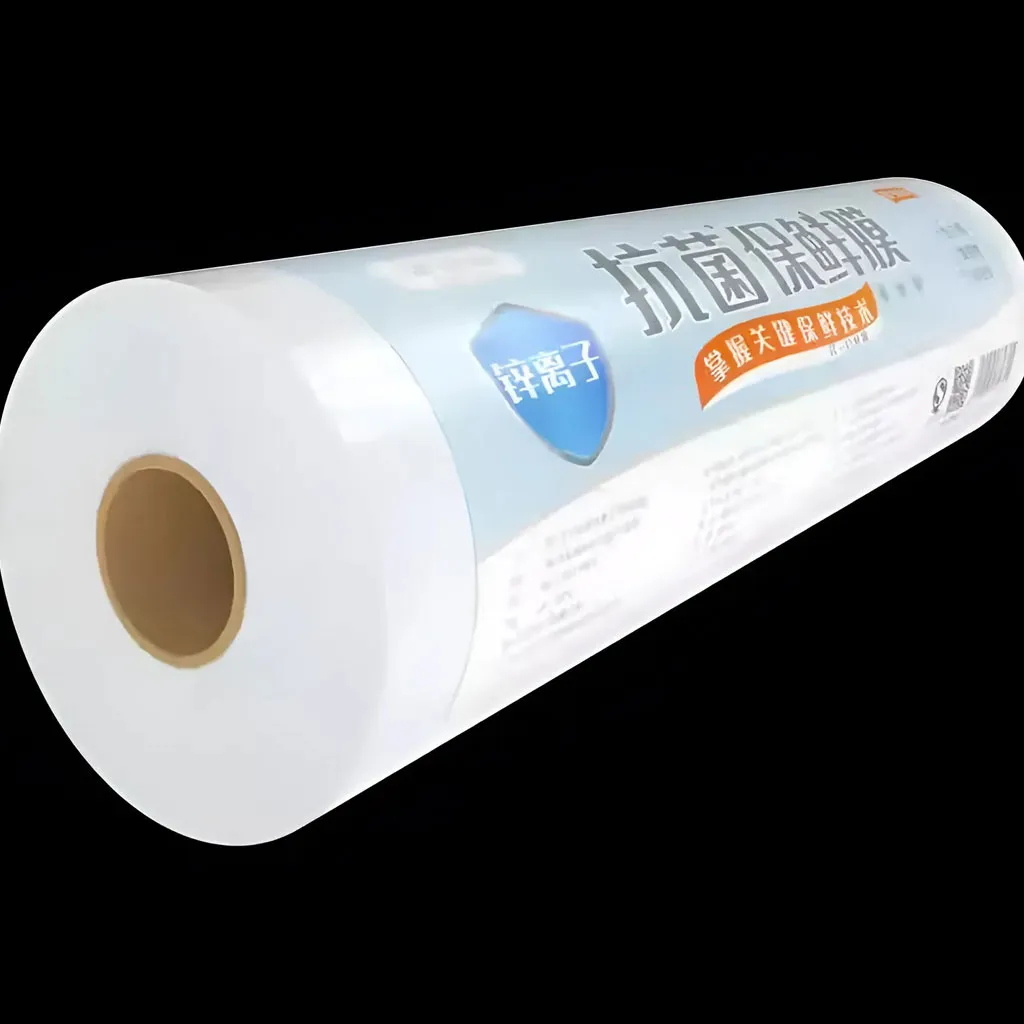
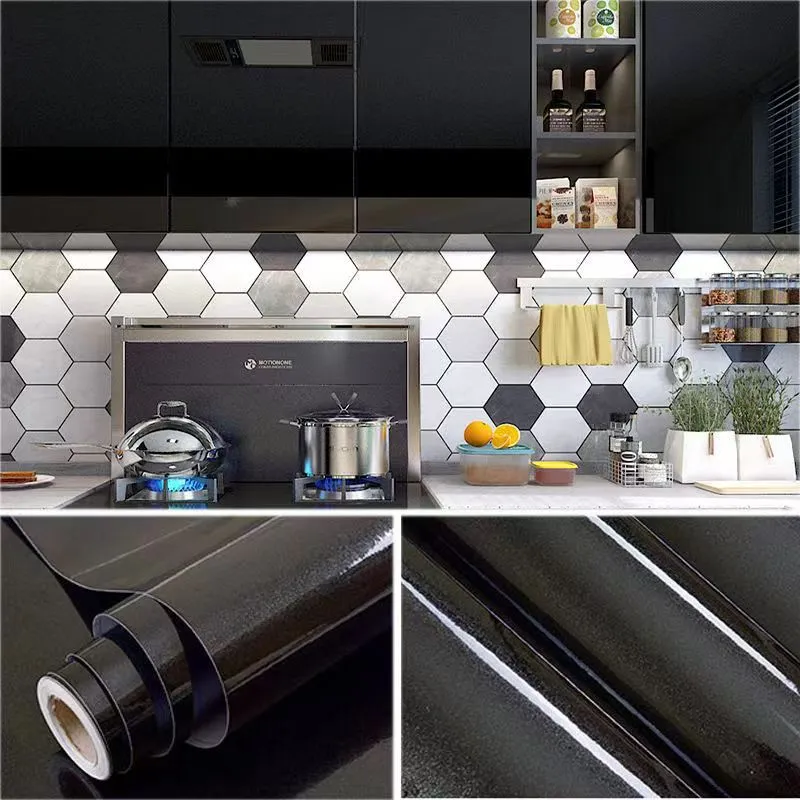
PVC film for cabinets is one of the most practical ways to achieve a premium-looking surface without the cost, weight, or maintenance demands of solid wood, paint, or stone. Modern decorative PVC films can convincingly replicate wood grain, marble, metal, and soft-touch finishes—while also adding everyday durability such as scratch resistance, moisture tolerance, and easy cleaning. Whether you’re manufacturing kitchen cabinets, upgrading wardrobes, or refurbishing commercial interiors, the key is choosing the right film type, finish, and performance features for your environment and usage.
✔ Quick takeaway:
The “best” PVC cabinet film is the one that matches your substrate, pressing method, expected wear, and design goals (gloss level, texture, and pattern).
★ Pro tip:
Always evaluate a sample on your real board material (MDF/plywood/particle board) and test cleaning + edge adhesion before mass production.
PVC film is a thin, flexible sheet made from polyvinyl chloride that can be laminated or vacuum-pressed onto cabinet surfaces. In cabinet manufacturing, it is commonly used for:
cabinet doors, drawer fronts, side panels, toe kicks, trims, and decorative profiles.
Because PVC film can be produced with precise printing, embossing, and surface treatments, it supports both visual design and functional performance.
Many cabinet films fall under calendered production (a stable, uniform method suited for decorative applications). If you’re comparing baseline film structures, see
Calendered Film
for a reference point on common roll-film formats used in furniture lamination.
● Design versatility
Wood grain, marble, metal, solid colors, and artistic textures allow consistent aesthetics across doors, panels, and edges.
● Moisture & stain resistance
Ideal for kitchens and bathrooms where steam, splashes, and cleaning chemicals are part of daily life.
● Easy maintenance
Most surfaces wipe clean; matte and textured options help reduce fingerprints and micro-scratch visibility.
Beyond aesthetics, PVC film supports manufacturing efficiency: stable roll supply, repeatable patterns, and compatibility with common lamination lines. For OEM projects, the ability to match color and texture consistently is often just as important as durability.
The best way to compare film options is to focus on visual style, surface feel, and functional treatments.
Below are the most common cabinet-oriented categories used in modern furniture and interior decoration.
Wood grain remains a top choice for cabinets because it works across styles—Scandinavian light oak, walnut luxury, rustic textures, and modern linear grains. High-quality printing plus embossing can deliver convincing pore depth and a natural look under both warm and cool lighting. For pattern examples and typical cabinet use, explore
Wood Grain Film.
Marble visuals create a clean, upscale impression—especially for high-end kitchens, bathroom vanities, and showroom cabinetry. Compared with real stone, marble-look PVC film is lighter and easier to maintain while still delivering dramatic veining and depth. If you’re targeting a stone aesthetic for cabinets or panels, see
Marble Film.
Glossy cabinet films are popular in contemporary kitchens and wardrobes because they amplify light, visually enlarge small spaces, and create a “showroom” finish. However, they can reveal fingerprints and micro-scratches more easily than matte textures—so choosing the right coating and cleaning routine matters. For a product reference, check
Glossy Wardrobe Film.
Matte finishes fit minimalist interiors and are favored for homes that prefer a calm, soft visual tone. Many projects choose matte for lower “maintenance anxiety” in busy kitchens—especially when paired with subtle textures that hide handling marks.
Embossed textures can mimic wood pores, fabric weave, brushed metal, or artistic patterns. Textures do more than look good: they often improve perceived quality, reduce glare, and help mask small scratches. For a texture-forward option, you can reference
3D Silk Texture Film.
Finish selection is not only about style—it impacts cleaning, scratch visibility, and how your cabinet color behaves under different lighting. In kitchens, lighting can be mixed (natural daylight + warm LED strips), so sample testing is essential.
Choosing cabinet PVC film becomes straightforward when you decide based on five factors:
application environment, substrate, manufacturing method, surface performance, and visual consistency.
Use the checklist below to avoid common sourcing and production issues.
① Environment:
Kitchens need stronger resistance to humidity and frequent wiping; bathrooms may need extra moisture tolerance; commercial spaces need abrasion resistance.
② Substrate:
MDF is common for vacuum pressing; particle board may require careful sealing; plywood grain and density variations can affect bonding.
③ Pressing/lamination method:
Flat lamination works for panels; vacuum membrane pressing is used for 3D doors and profiles. Ensure film thickness and elongation match your process.
④ Surface performance:
Decide what matters most—scratch resistance, anti-fingerprint, anti-stain, or easy-clean topcoats—and request test data when possible.
⑤ Color & batch consistency:
For cabinet projects, batch control is critical—especially if doors and panels are produced at different times.
Cabinet films come in multiple thickness and roll specifications depending on the lamination equipment and design needs. Thicker films can improve depth and durability, while thinner options may be easier for certain profiles. Always confirm:
film thickness, roll width, roll length, and core size.
If your cabinet doors have deep grooves or sharp radii, verify formability (elongation) and edge-wrapping behavior with real samples.
Many cabinet failures are not about the printed pattern—they come from poor adhesion, lifting at corners, or edge cracking during forming. The most reliable approach is to:
test the film with your exact adhesive system and pressing settings
(temperature, vacuum, dwell time), then evaluate edges after cooling and after 24–72 hours.
Cabinet aesthetics move in cycles, but successful projects typically align finish with lifestyle. If the space is high-traffic (family kitchens, rentals, offices), films that hide marks and clean easily often outperform ultra-gloss showpieces. Consider these practical style pairings:
◉ Minimalist modern
Matte/super-matte solids, satin neutrals, micro-textures that resist fingerprints.
◉ Warm natural
Embossed wood grains with pore depth; medium sheen for realistic “timber” appearance.
◉ Luxury statement
Marble/stone visuals, metallic accents, or soft-touch finishes paired with clean hardware.
Ensure boards are dry, sealed, and dust-free. Keep stable pressing parameters and avoid overheating corners and radii. If your workflow includes CNC profiling, confirm that the film and process can tolerate the sharpest edges—small adjustments to radius design can significantly reduce edge stress and lifting risk.
Use a soft cloth with mild detergent and water. Avoid abrasive pads and harsh solvents unless the supplier confirms compatibility with your film’s topcoat. For kitchens, wipe oil splashes early—especially around handles—so residues don’t accumulate and dull the finish over time.
⚑ Avoid: steel wool, aggressive scouring powders, and strong ketone solvents.
⚑ Do: test any new cleaner on a hidden corner first.
⚑ Maintain: good ventilation near cooktops to reduce long-term grease buildup.
For cabinet brands, contractors, and furniture factories, customization is often the deciding advantage—especially for matching an existing door style or launching a new collection. When discussing OEM/ODM production, clarify the parameters that impact both look and production yield.
If you need more background on PVC film categories, applications, and selection logic across industries (furniture, building materials, and more), you can also browse:
Knowledge
and the supplier’s
FAQ
pages for commonly asked technical and sourcing questions.
Usually caused by insufficient adhesive, incorrect pressing temperature/time, sharp corner geometry, or board dust. Prevention includes better surface prep, stable parameters, and confirming film formability for deep profiles.
This is a sourcing and planning issue as much as a production issue. Approve a master sample, request batch traceability, and consider ordering enough material for a complete cabinet run to keep doors and panels consistent.
Often linked to pressing conditions, substrate flatness, and film selection. Matching film finish and thickness to your lamination method—and running trials—reduces defects.
If you want easy daily living: matte or textured wood grain with easy-clean coating.
If you want showroom impact: glossy solids or marble with controlled lighting and careful handling.
If you have deep profiles: verify vacuum-form performance and edge adhesion with production trials.
Yes. Choose a cabinet-grade decorative film with strong surface resistance and confirm edge adhesion through hot/cold and cleaning tests before mass production.
Matte, super-matte, and textured finishes typically show fewer fingerprints than high gloss. Anti-fingerprint topcoats can further improve performance.
Yes, if the film’s thickness and elongation match your vacuum membrane pressing process. Always run a real-door trial to validate corner behavior.
Prepare your target pattern/finish, thickness, roll width, quantity, and application method (flat lamination or vacuum pressing), then submit details via the supplier’s
Contact
page to arrange sampling and pricing.