Colored PVC film is a versatile, cost-efficient surface material used to upgrade appearance, protect substrates, and simplify maintenance across furniture, interior decoration, advertising, appliances, and packaging. From soft matte solids for modern cabinets to vibrant glossy finishes for retail displays, colored PVC film helps brands and manufacturers hit design targets while keeping production stable and scalable.
Quick Definition:
Colored PVC film is a thin sheet made from polyvinyl chloride (PVC) with pigments and optional layers/coatings to achieve specific colors, finishes, and functional performance (e.g., anti-scratch, anti-static, self-adhesive).
Why Colored PVC Film Is Widely Used
Modern manufacturing needs materials that look consistent, process reliably, and perform under real-life wear. Colored PVC film meets these requirements by combining stable color expression, surface durability, and production-friendly formats (rolls, slitting, protective packaging).
Design Freedom
Solid colors, metallic looks, pearlescent effects, embossed textures, and custom gloss levels help match brand identity or interior trends without changing the underlying substrate.
Protection + Easy Care
Films can reduce staining, minor abrasion marks, and daily wear on panels and profiles—especially helpful for high-touch areas like cabinet doors, skirting, and partitions.
Production Efficiency
Roll supply, controllable thickness, and consistent surfaces allow stable lamination/wrapping workflows, reducing rework and improving batch repeatability.
Common Uses of Colored PVC Film (By Industry)
Colored PVC film appears in both decorative and functional roles. Below are the most common application categories and what buyers typically prioritize in each.
Furniture Manufacturing
- Cabinet doors & panels: solid matte colors, soft-touch surfaces, scratch resistance, stable color.
- Wardrobes & decorative profiles: high gloss or satin finishes, easy cleaning, strong lamination performance.
- Skirting & trims: impact tolerance, color match with walls/floors. Related product reference: PVC skirting film.
Building & Interior Decoration
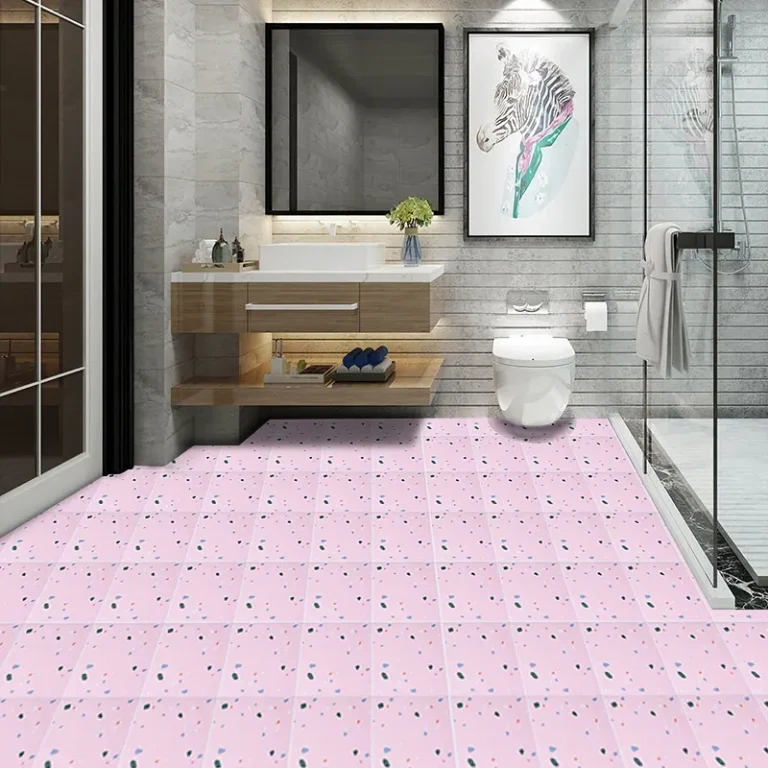
- Wall & partition surfaces: uniform color, low visual defects, optional textures for premium feel. See: solid color wallpaper.
- Ceilings & decorative boards: light reflection control (matte vs. gloss), stain resistance.
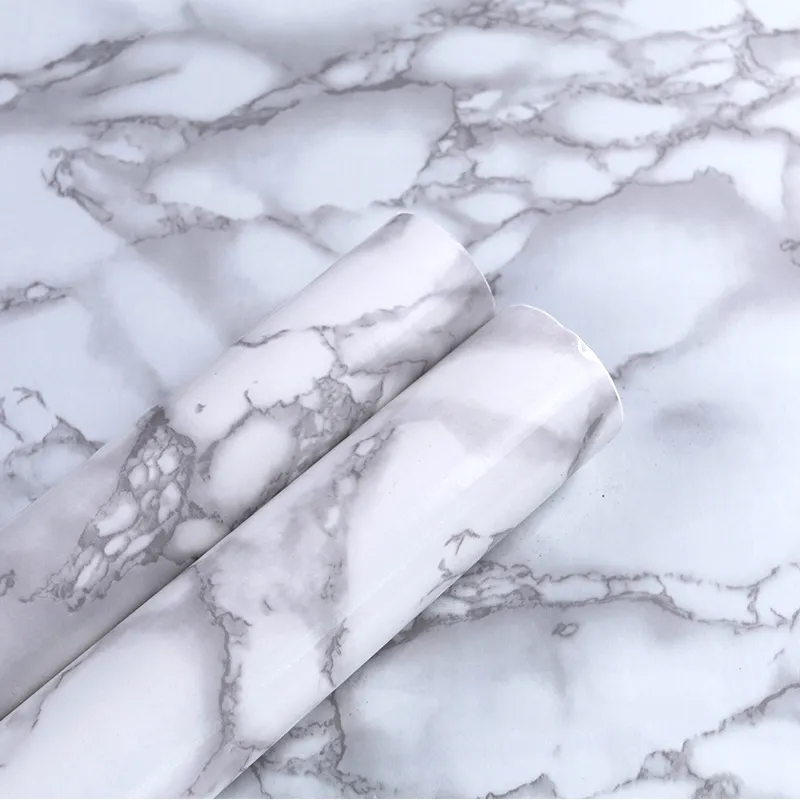
- Stone-look accents: when clients want bright, clean interiors with marble-like aesthetics and manageable upkeep. Example: marble film.
Electronics & Home Appliances
- Protective/insulating layers: consistent thickness, controlled shrinkage, optional anti-static treatment.
- Decorative skins: brushed textures, matte blacks/greys, premium tactile finishes (soft-touch, anti-fingerprint).
Advertising, Exhibitions & Retail Displays
In fast-changing retail scenarios, colored PVC film supports vibrant branding and short lead times. Buyers typically emphasize color consistency across batches, surface smoothness, and print compatibility.
- Lightbox backgrounds and decorative coverings.
- Event panels and temporary branding surfaces where easy cleaning is important.
Medical & Cleanroom
For clean environments, films may be selected for controlled surface cleanliness, compatibility with cleaning agents, and optional antimicrobial/functional coatings depending on project requirements.
Key Benefits (What Buyers Get in Practice)
- Cost-effective aesthetics: achieve modern colorways and finishes on MDF, plywood, WPC, metal, or boards without expensive paint lines.
- Repeatability for mass production: stable thickness and controlled gloss reduce visual differences between lots.
- Customizable performance: anti-static, anti-fog, food-grade coatings, surface embossing, and self-adhesive options can be matched to usage scenarios.
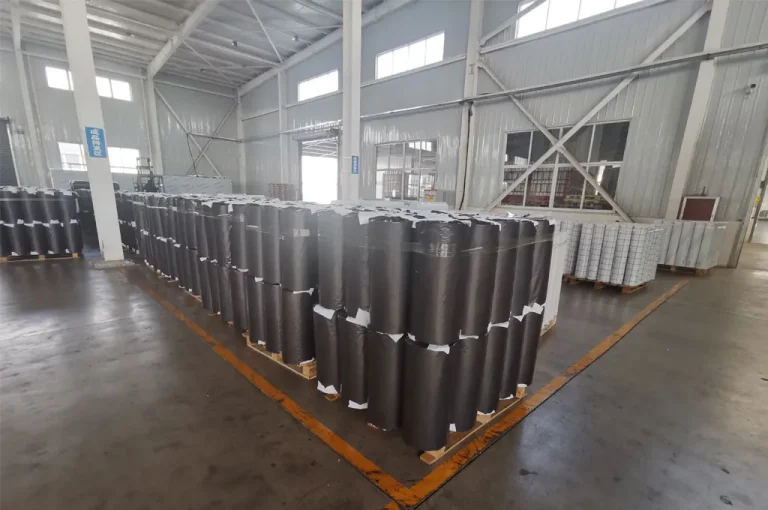
- Better logistics & handling: rolls can be slit and packed by specification, commonly wrapped individually with dust-proof PE film or kraft paper and labeled for easy warehouse control.
Types of Colored PVC Film (Finish, Process, Structure)
1) By Manufacturing Process
Calendered PVC Film
A common choice for decorative and industrial use, known for stable thickness control and efficient large-scale output. Product reference:
Calendered Film.
Printed / Decorative PVC Film
Produced with printing and/or embossing to create patterns (wood grain, stone, fabric textures) or special effects. Often combined with topcoats for scratch resistance or matte feel.
2) By Surface Finish
- Glossy: vibrant color pop, reflective look for modern cabinetry and retail fixtures.
- Matte / Super matte: soft visual comfort, premium minimalism, fingerprint-friendly options.
- Embossed / Textured: improves touch feel and hides minor substrate imperfections.
- Soft-touch: smooth, high-end tactile finish often requested for furniture and consumer-facing panels.
3) By Structure
- Single-layer films: straightforward, cost-effective, commonly used where basic decoration is enough.
- Multi-layer composite films: engineered for improved stability, durability, or special effects.
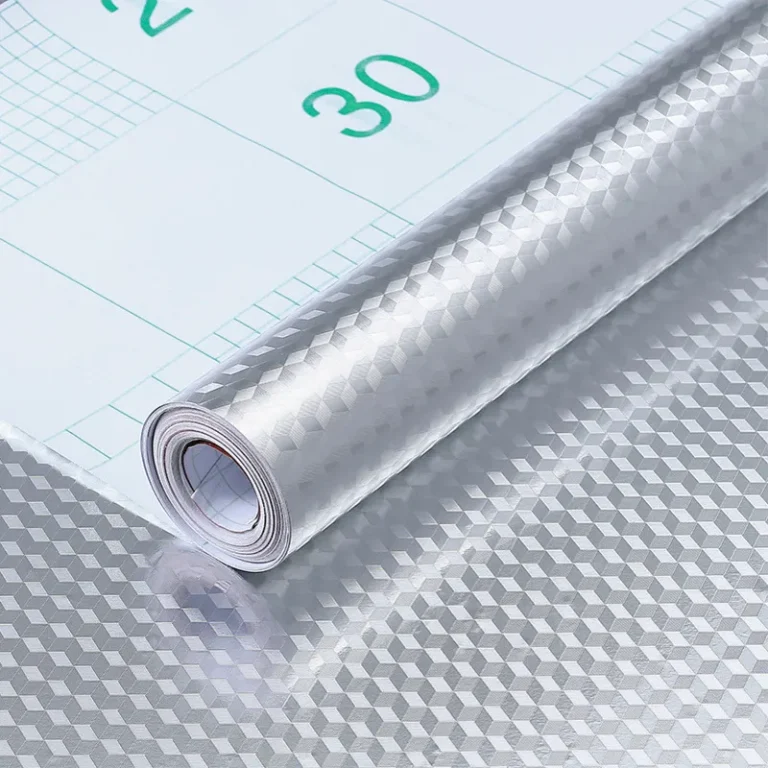
- Self-adhesive films: integrate adhesive backing for easier application on selected surfaces.
Specifications That Matter (Checklist for Procurement)
A “colored PVC film” quote is only comparable when the specifications are aligned. Use the checklist below to ensure suppliers are pricing the same performance level.
Core Specs
- Thickness: impacts feel, durability, and processing stability. Confirm tolerance requirements for your lamination line.
- Width & roll length: match your equipment and minimize waste; ask about custom slitting and roll packaging.
- Color standard: define target color via sample, Pantone, or signed master; confirm ΔE control approach if needed.
- Gloss level: specify gloss range (e.g., matte vs. high gloss) and measurement angle if required.
- Embossing / texture: name texture code or provide reference sample to ensure repeatability.
Performance Specs (Use-Case Driven)
- Scratch/abrasion resistance: critical for cabinetry, doors, and high-touch panels.
- Heat & dimensional stability: affects thermoforming, wrapping corners, and long-term flatness.
- Chemical resistance: important for kitchen/bathroom or commercial cleaning routines.
- Adhesion / lamination compatibility: confirm the adhesive system and substrate (MDF, plywood, metal, etc.).
- Optional functional coatings: anti-static, anti-fog, food-grade coatings depending on the project.
How to Choose the Right Colored PVC Film (Buying Guide)
Step 1: Confirm the Application Method
Your process determines the film build and surface requirements.
- Flat lamination: prioritize thickness tolerance and low visual defects.
- Profile wrapping: focus on flexibility, elongation, and stable embossing.
- Self-adhesive application: check tack, peel strength, and repositioning needs.
Step 2: Select Finish Based on Real Use
- High-traffic areas: choose matte/textured to hide minor wear and fingerprints.
- Premium display surfaces: glossy or pearlescent finishes increase visual impact.
- Luxury tactile requirements: consider soft-touch or textile-like textures (example: 3D silk texture film).
Step 3: Define Color Control Rules (Avoid Costly Rework)
For colored films, color control is not only about “matching the sample”—it’s about repeatability across time and factories.
- Lock a master sample: sign and archive a physical reference for future orders.
- Agree on tolerance: define acceptable variation and inspection method for incoming QC.
- Consider gloss + texture: identical pigments can look different under different gloss/embossing levels.
Step 4: Ask the Supplier the “Factory Questions”
Stable quality is easier when the supplier controls critical steps in-house. For example, full-process capability across calendering, printing, slitting, and packaging helps reduce lead time and keeps specs consistent.
- Do you support OEM/ODM? confirm customization scope: thickness, width, roll size, color, surface treatment, and packaging.
- How is quality controlled? ask about batch traceability and what tests are performed (thickness, adhesion, optics, strength).
- What packaging is used? moisture/dust protection, individual wrapping, labeling, and export readiness matter for long-distance shipping.
Compliance, Safety, and Environmental Considerations
For indoor decoration and human-contact scenarios, buyers increasingly require material transparency and documented compliance. Many projects request films that are free of heavy metals and phthalates and align with common international systems such as ISO management standards and chemical regulations (e.g., REACH/RoHS). If your product targets food-contact or sensitive environments, confirm whether food-grade coatings or specific test reports are available.
Procurement Tip
When comparing suppliers, request the same set of documents each time: specification sheet, compliance statements, and recent test reports. This makes quotations truly comparable and reduces onboarding risks.
Packaging, Storage, and Handling (To Protect Color and Surface)
Even a perfectly produced film can show defects if it is mishandled. Colored surfaces—especially glossy dark colors—are more likely to reveal scuffs, pressure marks, or dust contamination.
Recommended Storage
- Keep rolls upright or on suitable racks to prevent deformation.
- Avoid direct sunlight and high heat to reduce aging risks.
- Maintain clean, dry conditions to protect gloss and color clarity.
Handling on the Line
- Use protective layers and clean rollers to avoid surface marks.
- Confirm unwind direction and surface orientation before loading.
- Run a short trial to verify adhesion, corner wrapping, and appearance under site lighting.
Sourcing Checklist (Send This When Requesting a Quote)
Provide these details to speed up sampling and pricing accuracy:
- Film type: calendered / decorative / self-adhesive / functional coating.
- Color & finish: solid color code or sample; matte/gloss value; embossing reference if needed.
- Thickness / width / roll length: include tolerance requirements.
- Application: flat lamination, wrapping, thermoforming, protection, etc.
- Compliance needs: REACH/RoHS/FDA or other market requirements