Address
304 North Cardinal St.
Dorchester Center, MA 02124
Work Hours
Monday to Friday: 7AM - 7PM
Weekend: 10AM - 5PM
Address
304 North Cardinal St.
Dorchester Center, MA 02124
Work Hours
Monday to Friday: 7AM - 7PM
Weekend: 10AM - 5PM


PVC film is one of the most versatile surface and functional materials used in modern manufacturing. From furniture wrapping and wall decoration to protective layers in electronics and medical packaging, the right PVC film can upgrade appearance, durability, and day-to-day maintenance—often with lower total cost than traditional laminates or coatings. This guide explains PVC film types, real-world uses, key benefits, and a practical checklist for selecting the best option for your project.
✔ Quick takeaway:
Choose PVC film by process (calendered vs. laminated), then match
thickness, surface finish, adhesive system, and functional coatings
to the environment (heat, moisture, abrasion, chemicals) and the substrate (MDF, metal, glass, PVC board, etc.).
PVC film is a thin, flexible sheet made from polyvinyl chloride, engineered with plasticizers, stabilizers, pigments, and functional additives to achieve specific performance goals. Depending on how it’s produced and finished, PVC film can be transparent or opaque, high-gloss or matte, textured, embossed, soft-touch, anti-static, self-adhesive, or designed for printing and lamination. In decorative applications, it often mimics natural materials such as wood, marble, stone, textile, or metal—while offering consistent color, repeatable patterns, and easier cleaning.
“PVC film” isn’t one single product. Understanding the main categories helps you avoid common mismatches (for example, choosing a beautiful film that cannot handle kitchen grease or a film that shrinks under heat).
Calendered film is formed by passing PVC compound through a series of heated rollers to create uniform thickness and smooth surface control. It is widely used for furniture wrapping, decorative panels, flooring layers, and industrial protection.
For an example product category, see Calendered Film.
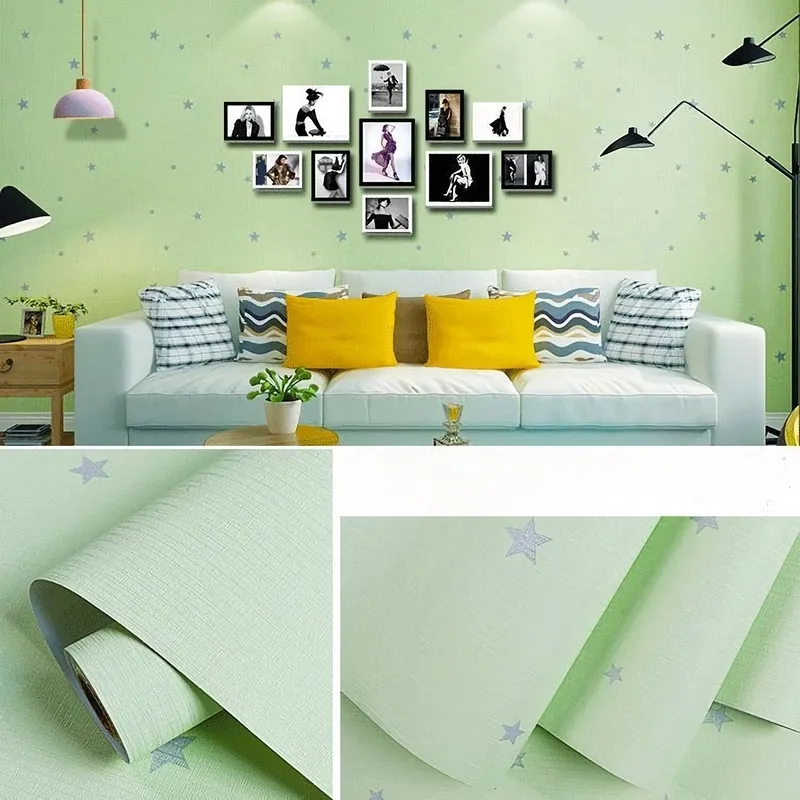
Decorative films focus on aesthetics (wood grain, marble, stone, solid colors, brushed metal) while maintaining practical performance. They may be glossy, matte, satin, or textured/embossed to create a premium look and touch.
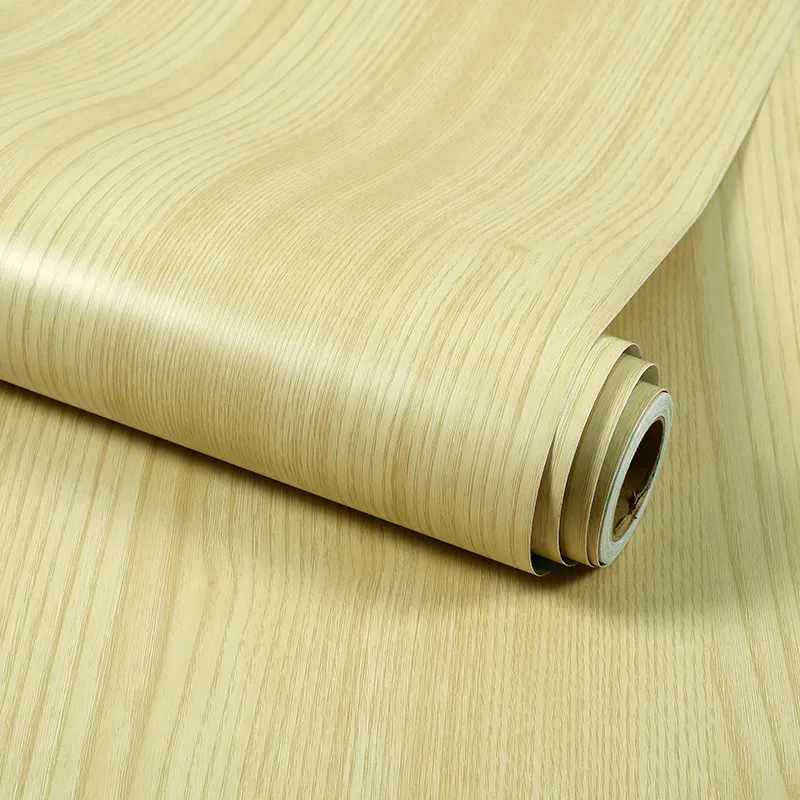
Wood-look option:
Wood Grain Film
is popular for cabinets, wardrobes, and office furniture where warmth and realism matter.
Stone-look option:
Marble Film
delivers a clean, high-end visual for wall panels, countertops (non-direct food contact), and decorative boards.
Premium tactile option:
3D Silk Texture Film
adds depth and a refined touch for high-visibility interior surfaces.
Clear and frosted PVC films are used for protective layers, packaging, window films, and privacy applications. The choice depends on haze requirements, clarity, thickness, and whether the film must resist scratches or chemicals. For packaging and industrial covers, clarity and uniform thickness reduce visual defects and improve consistency on automated lines.
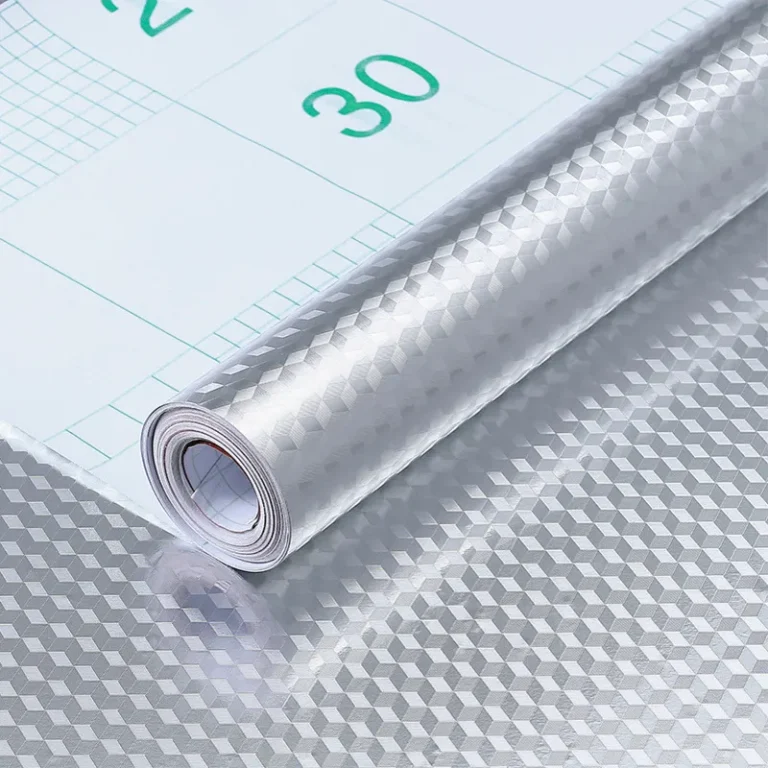
Self-adhesive films integrate a pressure-sensitive adhesive (PSA) layer and release liner, enabling quick application on flat, clean surfaces. They are widely used for renovation upgrades, brand displays, and temporary protection. Key factors include initial tack, repositionability, long-term peel strength, and residue control during removal.
Functional films go beyond looks. Anti-static options reduce dust attraction and help protect sensitive electronics; anti-fog coatings improve visibility in humid conditions; and specialized coatings can support hygiene-focused environments. Selection should align with compliance needs (such as REACH/RoHS) and the actual exposure conditions (humidity, friction, chemicals, cleaning agents).
★ Pro tip:
If your film will be used on kitchen cabinets or around cooking areas, confirm
oil resistance, cleaning chemical tolerance, and heat behavior (shrinkage/warping)
before approving the final sample.
PVC film appears in many daily products because it balances visual design freedom with performance and production efficiency. Below are typical sectors and how PVC film creates value.
In furniture, PVC film is used on cabinet doors, wardrobe panels, tabletops, and office surfaces. Decorative patterns (wood/cloth/solid color) provide consistent color matching across batches, while the surface resists mild scratches and routine cleaning. Soft-touch finishes can elevate premium product lines by improving feel and reducing fingerprint visibility.
For interior walls, partitions, ceilings, and skirting, PVC film supports rapid installation and repeatable aesthetics. Matte and textured options help hide minor surface imperfections. Moisture-resistant designs are commonly chosen for bathrooms and utility spaces where painted surfaces may stain or peel.
Films can serve as protective layers during assembly, insulation layers, or decorative skins. Anti-static films help reduce dust attraction and lower the risk of electrostatic interference in sensitive components. Consistent thickness and controlled surface energy improve processing and bonding reliability.
PVC films designed for printing or lamination are used for lightbox graphics, signage surfaces, and temporary promotional panels. The focus is on print clarity, dimensional stability, and clean application/removal performance (for self-adhesive variants).
In controlled environments, PVC film may be used for protective packaging, clean wrapping, and specialized barriers. The priority shifts to material safety, cleanliness, traceability, and consistent production control from raw materials to finished rolls.
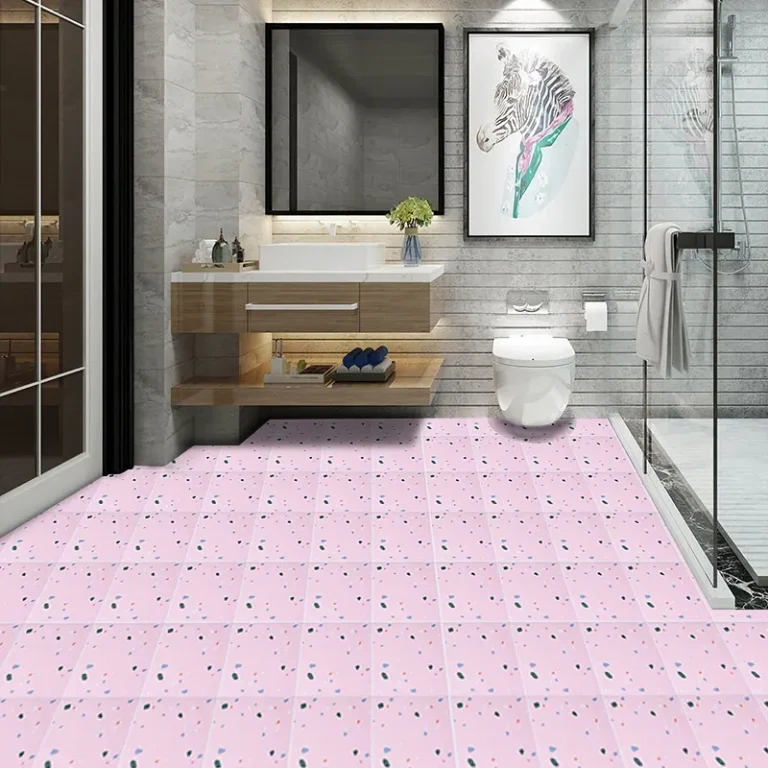
PVC film shows up in table covers, waterproof curtains, protective floor layers, and window-related applications. For flooring-related use, thickness, wear resistance, and embossing design affect both aesthetics and slip/feel performance.
For category reference, see Floor Film.
Achieve wood, stone, textile, metallic, or minimalist solid-color looks with stable repeat patterns and scalable production.
Many PVC films are engineered for abrasion resistance, moisture tolerance, and easy cleaning—reducing maintenance time.
Compatible with calendering, printing, slitting, and roll-to-roll processing—supporting fast lead times and consistent QC.
⚑ Quality note:
A reliable supplier should provide batch traceability and tests for
thickness, adhesion, strength, and surface optics, especially for high-visibility decorative applications.
The “right” film is the one that performs in your actual environment, matches your process, and stays consistent across production batches. Use the checklist below to reduce risk before mass orders.
Thickness impacts stiffness, conformability, durability, and cost. Thicker films may hide substrate imperfections better and provide improved wear resistance, while thinner films can wrap complex shapes more easily. For multi-layer composite designs, ensure each layer has a purpose (print stability, color depth, protective topcoat, adhesive compatibility).
Finish is not just visual—it affects cleaning and fingerprints. High-gloss looks premium but shows scratches more easily; matte hides fingerprints and minor marks; embossed/textured can add realism and improve tactile feel.
If the film is self-adhesive or will be laminated, verify bonding with your substrate and process conditions. Factors include substrate energy (plastic vs. metal vs. painted boards), temperature during lamination, pressure/time, and whether the project needs repositionable application or permanent bonding.
For indoor decoration and human-contact scenarios, confirm safety and compliance. Many projects require material control such as being free of heavy metals and phthalates, plus relevant management and regulatory standards (e.g., ISO systems, REACH, RoHS, FDA where applicable). If you serve regulated markets, request third-party test reports and keep records for audits.
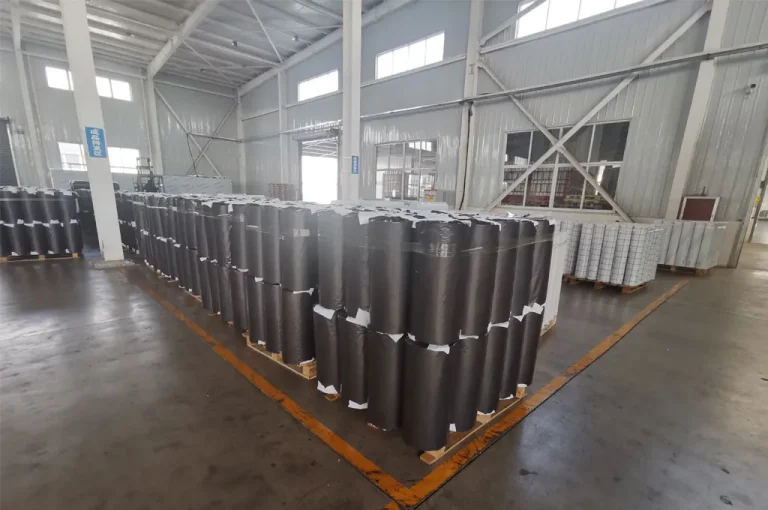
Consistency in PVC film depends on tight control across compounding, calendering, printing, slitting, and packaging. A full-process manufacturer can reduce variability between batches, respond faster to specification adjustments, and manage lead times more predictably. For buyers, this usually translates into fewer color mismatches, fewer surface defects, and better on-time delivery performance—especially for OEM projects requiring customized widths, roll lengths, surface treatments, and packaging labels.
ⓘ Packaging detail that protects quality:
Individual roll wrapping (dust-proof PE film or kraft paper) and clear specification labels help prevent surface contamination during shipping and improve warehouse management.
The most common uses are decorative wrapping for furniture and interior panels, protective films for manufacturing, and functional layers in flooring, electronics, advertising, and packaging.
Choose glossy for a bright, premium look and stronger visual depth; choose
matte to reduce fingerprints and hide minor scratches. For high-touch surfaces, matte or textured often performs better visually over time.
Yes. Typical OEM/ODM customization includes thickness, width, roll length, color/pattern, embossing, surface treatments (anti-static, anti-fog, food-grade coatings), and packaging labels.
Ask for specification sheets, batch traceability, and compliance/test reports relevant to your market (commonly ISO management systems and regulations such as REACH/RoHS; FDA where required).
Run a real production-line trial and evaluate adhesion, shrinkage, edge sealing, abrasion resistance, and cleaning/chemical tolerance under the exact conditions the product will face.