Address
304 North Cardinal St.
Dorchester Center, MA 02124
Work Hours
Monday to Friday: 7AM - 7PM
Weekend: 10AM - 5PM
Address
304 North Cardinal St.
Dorchester Center, MA 02124
Work Hours
Monday to Friday: 7AM - 7PM
Weekend: 10AM - 5PM


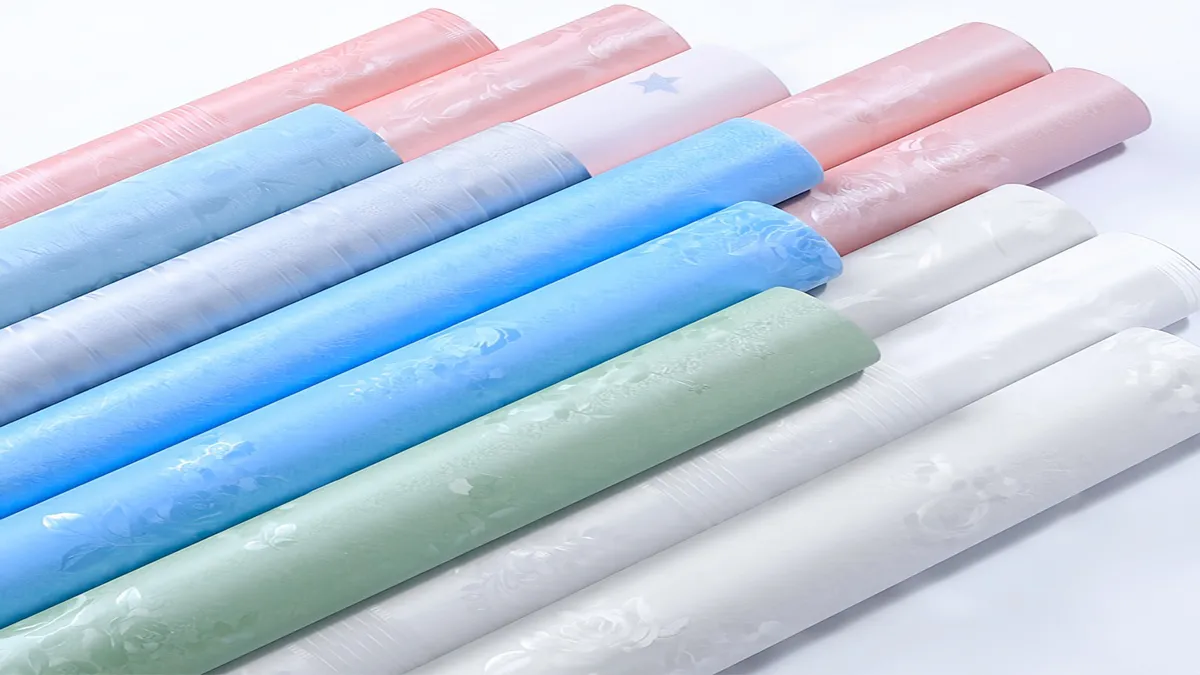
PVC film is no longer limited to “flat” decorative finishes. With modern embossing, printing, and multi-layer calendering, PVC surfaces can carry highly artistic textures—ranging from subtle linen-like micro-grain to bold 3D relief patterns that mimic natural materials or create entirely new visual languages. For furniture, architecture, retail display, and home décor, this unlocks a practical way to add depth, tactility, and premium styling while keeping production efficient and repeatable.
Texture is not only aesthetic—it influences how people perceive quality, how light behaves on a surface, and how well a product hides fingerprints or minor scratches. A well-chosen PVC texture can make a cabinet door feel warmer, a wall panel look more architectural, or a commercial space appear more “designed” without changing the base substrate.
Key idea:
Artistic texture is a combination of pattern + depth + gloss control. When these three are aligned, PVC film can convincingly imitate wood, stone, textile, metal, or deliver unique “designer” effects.
Yes. In practice, “artistic texture” means the surface is engineered to create visual rhythm and tactile feel—either by embossing (physical relief), printing (visual detail), or a combination such as registered embossing where the raised texture aligns with the printed grain. This combination is widely used for premium wood grain, marble veins, brushed metal, leather, and 3D fabric effects.
Most decorative PVC film textures come from three controllable layers of “expression”:
Embossing creates the tactile dimension. Depending on the emboss roller and process control, PVC film can achieve both subtle “designer quiet” textures and dramatic sculptural surfaces. Below are common embossed texture categories used across furniture, doors, wall panels, flooring, and retail fixtures.
Wood grain is a classic, but artistic results come from choosing the right grain scale and gloss control. Options include open-pore oak, linear ash, walnut cathedral grain, or minimalist “fine-line” textures for modern interiors. Pairing printed grain with aligned embossing increases realism and adds a premium feel.
Explore a typical wood-grain decorative category here:
Wood Grain Film.
Stone textures can be engineered as gentle “sand” grain, hammered stone, slate-like clefts, or polished marble with a controlled micro-bump. The artistic advantage is light play—raised areas catch highlights while recessed areas stay calm, creating depth even in large surfaces.
For marble-inspired looks:
Marble Film.
Textile-style embossing gives spaces a cozy, acoustic-friendly “visual softness” without actual fabric maintenance. Linen, canvas, and silk-like micro-relief are popular for wardrobes, wall décor, and panels where you want texture that doesn’t overpower the room.
A dedicated example:
3D Silk Texture Film.
Leather-like embossing ranges from refined micro-pebble to bold “grainy” patterns. When combined with soft-touch topcoats, it creates a high-end tactile experience suitable for cabinetry, decorative trims, and consumer-facing furniture parts. It also helps hide fingerprints and light scuffs in daily use.
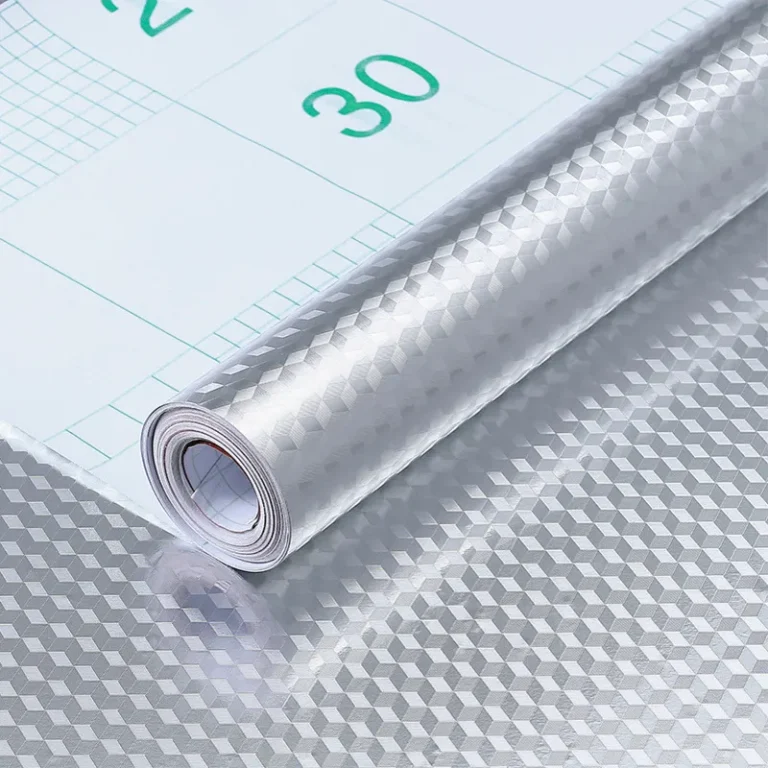
For statement surfaces—retail backdrops, feature walls, exhibition sets—geometric embossing provides a modern artistic feel: waves, grids, diamond facets, or abstract relief. These textures are often paired with metallic inks or controlled gloss zones to increase drama while keeping the substrate cost stable.
✔ Practical tip:
For large-area applications (walls, wardrobe doors), prefer medium-to-fine emboss to reduce visual fatigue; use deeper 3D only as accents or for commercial feature zones.
Printing defines the “story” of the surface—grain direction, vein movement, fabric weave illusion, metallic reflections, or even artistic graphics. In PVC decorative films, printing can be tuned for realism or creative expression, and then enhanced by embossing and coatings.
High-realism wood and stone patterns are designed to look natural yet remain consistent roll-to-roll. This matters for projects where multiple cabinet fronts or wall panels must match. Color management and repeat control help installers align patterns and minimize visible seams.
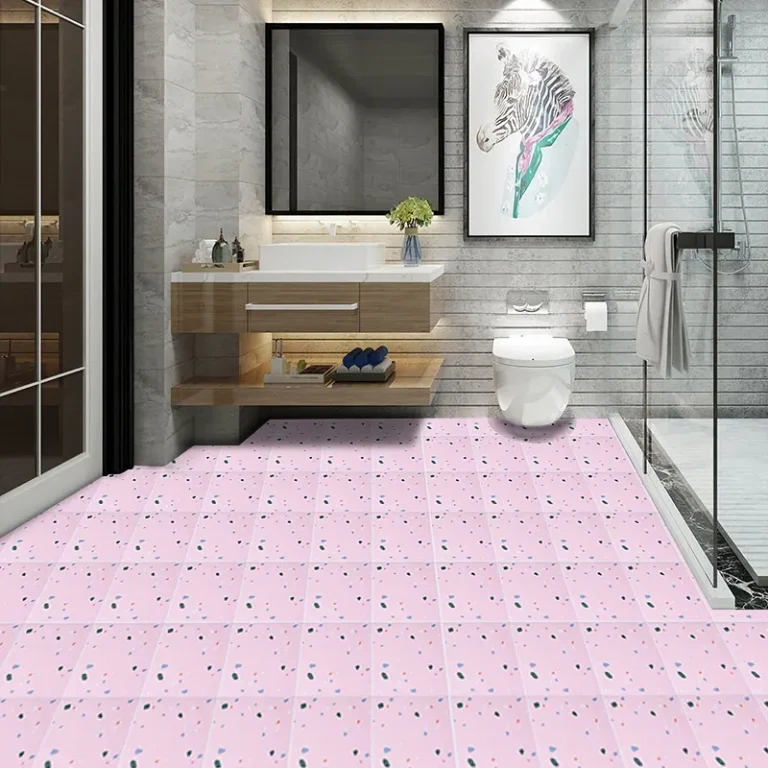
Abstract printing is growing in demand for modern interior décor: concrete wash, watercolor gradients, brushstroke art, terrazzo-style speckles, or ink-cloud marbling. These patterns can be paired with matte finishes to create a calm gallery-like aesthetic, or with selective gloss to highlight movement.
Brushed metal visuals can be created via linear printing, fine embossing, and pearl/metallic pigments. The result gives a premium, tech-forward feel for appliances, office partitions, shopfitting, and signage applications—often with easier processing than real metal sheets.
Many decorative and industrial PVC films are produced through calendering, which supports consistent thickness, surface quality, and high-volume stability—key for texture repeatability. For projects needing dependable batches and efficient supply, calendered film provides a practical foundation for both embossing and printing.
Related product reference:
Calendered Film.
Registered embossing aligns the embossed peaks and valleys with the printed design (for example, raising the “wood pores” exactly where the printed pores appear). This makes surfaces feel more authentic and intentionally designed. It’s especially effective for:
Artistic textures perform well when they serve both design and usage needs—durability, cleaning, scratch masking, and consistent aesthetic across multiple units. Common application areas include:
Use wood grain, textile, leather, or matte micro-textures to elevate wardrobe doors, cabinet fronts, and furniture panels. The right emboss can reduce fingerprint visibility and help maintain a clean look in everyday use.
Wall panels, partitions, and ceiling features benefit from stone, concrete-wash prints, or geometric embossing for a more architectural finish. For baseboards and trims, decorative skirting films can match wall or floor themes:
PVC skirting film.
Flooring benefits from textures that improve slip resistance and mask wear patterns. Wood, stone, and matte grain options are widely used in residential and commercial spaces where cleaning must remain easy.
Use this checklist before finalizing a texture:
For artistic textures to be commercially successful, the film must stay consistent across batches and remain safe for indoor use. Professional buyers typically confirm raw material control, thickness consistency, adhesion behavior, color stability, and compliance requirements (e.g., REACH/RoHS/FDA where applicable).
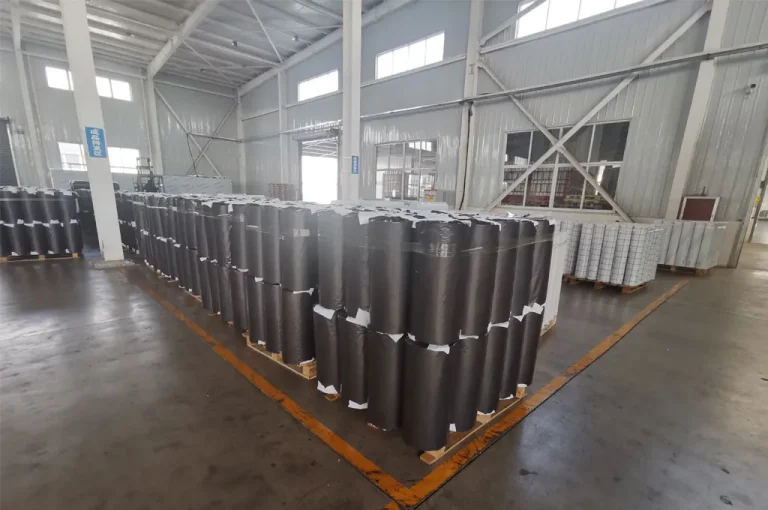
Texture quality depends on stable calendering, printing registration, emboss roller condition, and disciplined QC across the full process—especially when customers expect the same feel and look across thousands of square meters. Full in-house lines for calendering, printing, and slitting/packaging also help shorten lead time and reduce variability.
Decorative films often touch hands daily—wardrobes, cabinets, wall panels—so using environmentally friendly, non-toxic inks and controlled additives supports indoor comfort and long-term usability. When needed, functional options such as anti-static, anti-fog, or protective coatings can be applied depending on the use case.
Many brands and project contractors need textures that feel exclusive: a specific pore depth, a custom color system, a unique fabric weave, or a signature matte level. OEM/ODM development typically focuses on:
📌 Workflow suggestion:
Start with 2–3 candidate textures, evaluate under real lighting, test cleaning and scratch masking, then lock color + emboss as a “standard” for future reorders.
Not necessarily. With high-resolution printing and registered embossing, PVC can look very realistic—especially for wood grain and stone. The key is choosing the right grain scale, gloss level, and depth for the viewing distance and lighting.
Matte micro-textures, leather-like pebble textures, and fine textile embossing typically hide fingerprints better than high-gloss flat surfaces. Soft-touch or anti-fingerprint coatings can further improve performance.
Yes. OEM/ODM customization commonly includes thickness, width, roll size, printing design, color matching, emboss style (including registered embossing), and packaging specifications.
Many suppliers offer films made with environmentally friendly inks and compliance options (such as REACH/RoHS and other standards). Confirm required certifications and test reports for your market and application.
Provide the film type, thickness, width, surface finish/texture, color or pattern reference, intended application, and estimated quantity. This helps the supplier recommend the most suitable structure and produce accurate sampling.