Address
304 North Cardinal St.
Dorchester Center, MA 02124
Work Hours
Monday to Friday: 7AM - 7PM
Weekend: 10AM - 5PM
Address
304 North Cardinal St.
Dorchester Center, MA 02124
Work Hours
Monday to Friday: 7AM - 7PM
Weekend: 10AM - 5PM


PVC decorative film is increasingly used on cabinet doors, wall panels, wardrobes, and commercial interiors—often in patterns that closely mimic oak, walnut, ash, or exotic woods. That raises a common question in furniture and fit-out projects: can PVC film truly replace real wood veneer?
The practical answer is: sometimes yes—especially when you prioritize cost control, faster production, consistent appearance, and easier maintenance. But there are also cases where real veneer remains the better option, such as high-end heritage interiors, premium joinery, or projects that demand authentic grain depth and natural aging.
PVC decorative film is a thin, flexible sheet made from polyvinyl chloride. In furniture and interior finishing, it is commonly calendered, printed, embossed, and surface-treated to deliver wood grain, stone, metal, matte, glossy, or soft-touch effects.
Real wood veneer is a thin layer of natural timber sliced or peeled from logs and then bonded to a substrate (MDF, particleboard, plywood). It is usually finished with lacquer, oil, or UV coating.
Both materials are typically used as a “skin” over engineered boards. The difference is not only appearance—it’s also about process, stability, repairability, and cost predictability.
Key takeaway:
PVC film replaces veneer best when the “wood” is mainly a visual design element. Veneer remains stronger when the wood is a material statement.
Veneer pricing fluctuates with timber availability, grade, and matching requirements. PVC film—especially in standardized designs—offers stable supply and predictable pricing. This helps manufacturers quote confidently and reduces the risk of re-order color mismatch mid-project.
Natural veneer varies in grain, tone, and figure. That’s its beauty—but also a production headache. PVC film gives you a controlled pattern and color, making it easier to achieve uniform cabinet runs, modular furniture lines, and repeatable retail rollouts.
Many decorative PVC films are designed for interiors that see spills, fingerprints, and frequent wiping. Compared with veneer (which relies heavily on the quality of its coating), film surfaces can provide more forgiving maintenance in busy environments.
If you want one supplier approach across multiple aesthetics—wood, marble, solid colors, textiles—PVC film supports that workflow. For example, a project can mix wood-look cabinetry with stone-look feature panels using different film series like
Wood Grain Film
and
Marble Film,
while keeping similar processing methods.
Film lamination (flat lamination, wrapping profiles, vacuum press depending on system) is often faster than veneer pressing + sanding + staining + coating. For manufacturers aiming at consistent throughput, PVC film can reduce labor steps and rework.
Some buyers—especially in premium residential projects—associate veneer with craftsmanship and higher value. If the market expects genuine timber surfaces, film may be seen as a compromise. Managing expectations is crucial: specify “wood-look decorative film” clearly rather than implying natural veneer.
PVC film performance depends on film quality, adhesive/lamination system, and operating environment. Near ovens, kettles, or strong sun exposure, lower-grade films may risk softening, edge lifting, or print fading over time. The solution is to choose appropriate film thickness, stable inks, and correct lamination parameters, and avoid placing vulnerable panels in high-heat zones.
Veneer can sometimes be sanded and refinished (within thickness limits). PVC film cannot be sanded like wood. Instead, repairs are typically done by panel replacement or localized patching, depending on finish and damage type. For commercial projects, it’s smart to keep extra film or spare panels for future maintenance.
High-quality embossed films can look convincing, but cheap films often feel “flat.” If realism matters, choose options with deeper embossing, matte/low-gloss control, or specialty textures like
3D Silk Texture Film
for a more premium hand-feel in wardrobes, panels, or decorative furniture fronts.
✔ Practical rule:
If your client will frequently touch the surface (wardrobes, handles area, reception counters), spend more on texture, matte control, and scratch resistance. Visual realism alone isn’t enough.
Exact pricing varies by region and specification, but the cost structure is fairly consistent. The biggest misunderstanding is comparing only “material per square meter.” In real production, process costs and rejection rates often decide which option is cheaper.
Cost reality check:
For many mid-range projects, PVC film reduces total cost because it can lower labor steps and minimize mismatch rework. Veneer can be cost-effective too, but typically when the workshop is set up for veneer finishing and clients accept natural variation.
Tip:
When comparing, ask suppliers to quote finished panel cost (material + processing + expected waste), not film/veneer cost alone.
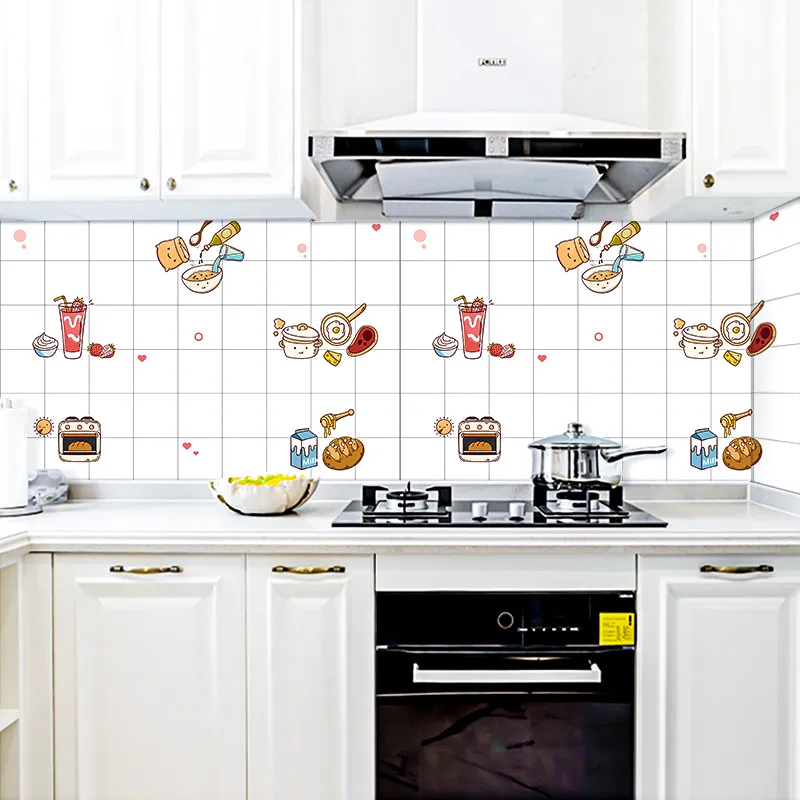
Kitchens demand surfaces that are easy to wipe and visually consistent across doors and drawers. A well-chosen PVC film can provide a clean wood aesthetic with simpler maintenance. For areas exposed to oil mist, consider pairing cabinet film choices with purpose-built protective solutions such as
Kitchen Anti-oil Film
for targeted zones (backsplashes, protective layers in certain designs), depending on your application method.
These areas typically have lower heat and water exposure but high visual requirements. Matte wood grains, soft-touch surfaces, or textile-inspired textures can elevate the feel while keeping production scalable—especially for developers and standardized apartment projects.
For offices, retail stores, clinics, and hospitality fit-outs, PVC film helps deliver consistent branding and repeatability across multiple locations. It’s also easier to plan maintenance: replacement panels can be made to match the original specification.
Skirting is exposed to cleaning tools, foot traffic, and scuffs. Films designed for trims can offer durable finishes while matching adjacent wall and floor tones. If you’re standardizing trim finishes across projects, options like
PVC Skirting Film
are often selected for consistency and efficient wrapping/lamination.
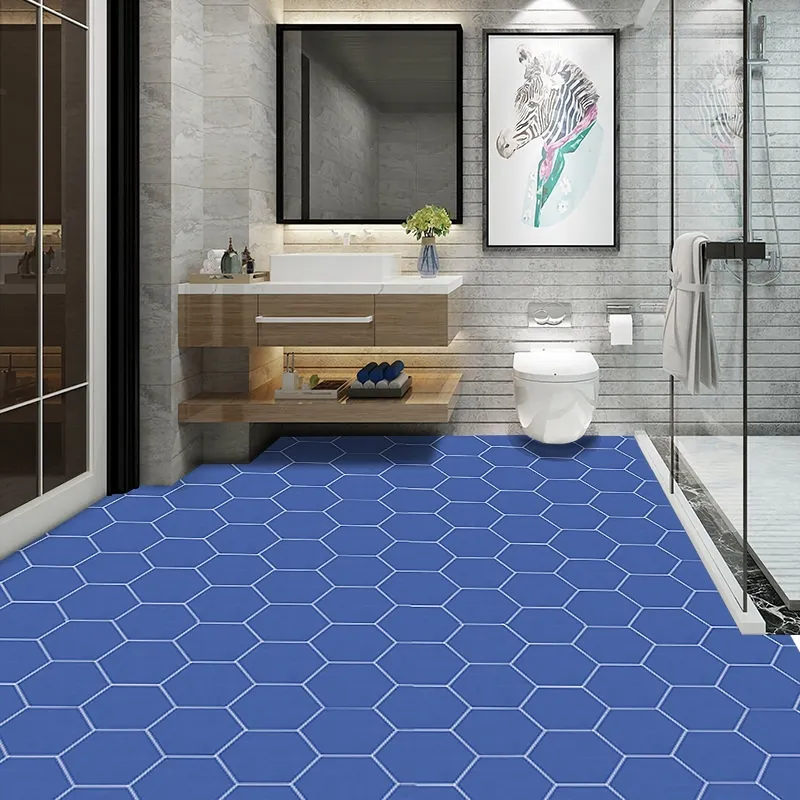
PVC solutions are widely used in resilient flooring systems and surface protection. If your goal is decorative continuity (e.g., matching floor tone with cabinets) or protective layers, explore dedicated flooring-oriented products such as
Floor Film
that are engineered for those performance requirements.
Many “fake wood” failures come from the wrong gloss level. Real veneer in modern interiors is often finished in low sheen or matte. Choose matte or controlled-satin films for a more natural effect, especially under strong lighting.
Premium wood-look film uses synchronized or well-aligned embossing to suggest pores and grain direction. When embossing doesn’t match the print, the illusion breaks quickly—particularly at close distance.
Veneer looks premium when edges, joints, and reveals are crisp. The same applies to PVC film. Use stable substrates, consistent sanding, proper adhesives, and thoughtful edge strategies (wrapped edges, matching edge bands, or integrated profiles). Many quality complaints are actually process issues, not film issues.
⚠ Common pitfall:
Choosing a great film but using the wrong adhesive/press parameters can cause bubbles, whitening, edge lifting, or weak bonding.
Better approach:
Treat film selection as a system decision: film + adhesive + substrate + process + environment.
Both veneer and PVC film can be part of responsible interiors, but you need to confirm compliance and emissions performance. For PVC films, ask suppliers about heavy-metal-free and phthalate-free formulations, and request documentation aligned with major requirements such as REACH and RoHS where applicable.
Also consider the project’s lifecycle: PVC film can support long service life due to easy maintenance and consistent replaceability, while veneer supports natural material preferences and potential refinishing (depending on thickness and finish).
High-quality wood grain PVC film can look very convincing from normal viewing distance, especially with matte finishes and aligned embossing. Up close, veneer usually shows deeper natural complexity—so choose based on how and where the surface will be viewed and touched.
Yes, when you choose a film designed for furniture surfaces and use the correct lamination system. Pay special attention to heat-adjacent areas (near ovens) and edge sealing quality for long-term performance.
PVC film is often cheaper in total installed/finished cost because it can reduce finishing labor and rework. Veneer cost depends heavily on species, grade, and finishing steps—so compare finished panel cost, not just raw materials.
Yes. Many manufacturers provide OEM/ODM options for thickness, width, surface texture, and printing to match specific design targets and production methods.
Use a stable substrate, follow recommended adhesive and pressing parameters, and control dust and moisture during lamination. Most peeling/bubble issues come from process mismatch rather than the concept of PVC film itself.