Address
304 North Cardinal St.
Dorchester Center, MA 02124
Work Hours
Monday to Friday: 7AM - 7PM
Weekend: 10AM - 5PM
Address
304 North Cardinal St.
Dorchester Center, MA 02124
Work Hours
Monday to Friday: 7AM - 7PM
Weekend: 10AM - 5PM


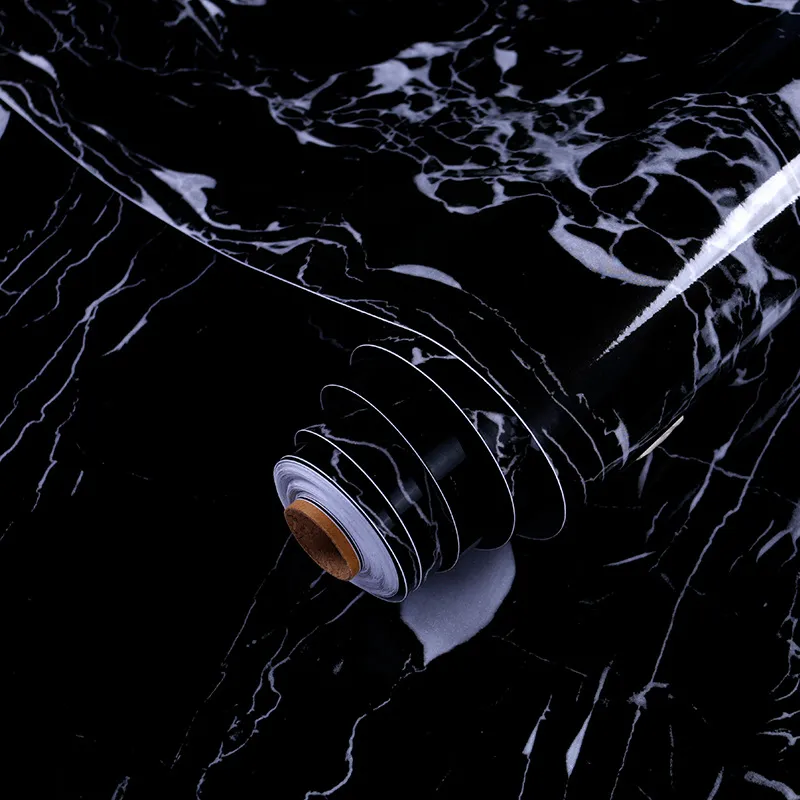
PVC film has become a popular cabinet surface option because it blends design flexibility with practical protection. Whether you’re renovating a kitchen, fitting out a rental property, or manufacturing cabinetry at scale, PVC decorative film can deliver a clean, modern look—often at a lower cost than solid wood, veneer, or lacquer finishes. But “Is PVC film good for cabinets?” depends on how it’s made, how it’s applied, and how the cabinets are used day to day.
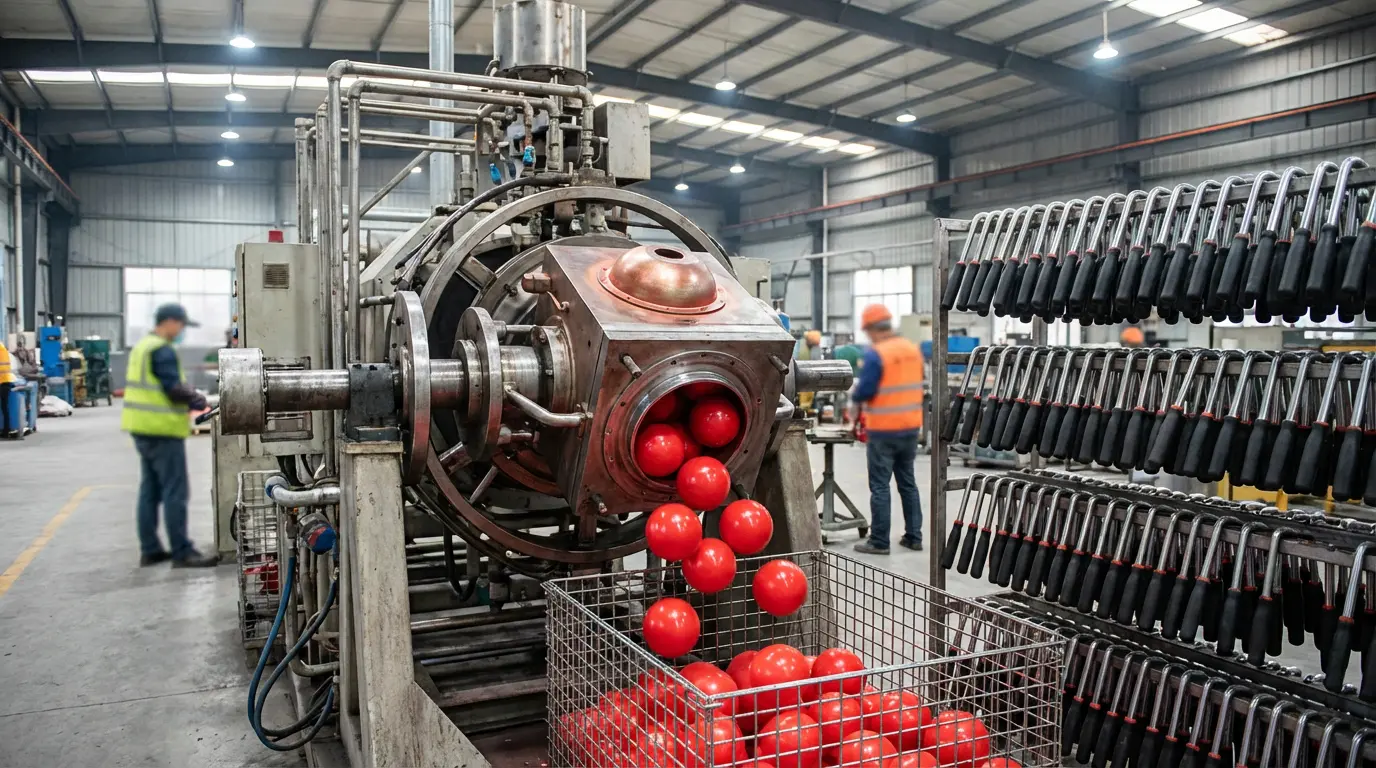
This guide explains the real-world pros and cons, how durable PVC film can be in kitchens and bathrooms, what to look for when choosing a film, and the care habits that keep surfaces looking new for longer.
Key takeaway:
PVC film can be an excellent cabinet finish when the film quality, adhesive system, and application process are right. Most complaints (peeling, bubbling, dulling) trace back to poor substrate prep, low-grade film, or heat/moisture misuse—not the material category itself.
PVC film is a thin sheet made from polyvinyl chloride, engineered for decorative and protective surface finishing. For cabinets, it’s commonly used to wrap or laminate panels such as MDF, plywood, or particleboard. The film can mimic natural materials (wood grain, stone, metal) or create modern effects (solid colors, matte, glossy, embossed textures).
In cabinet production, PVC film is typically applied using one of these approaches:
Quality films are often calendered or engineered as decorative films with stable thickness, consistent pattern printing, and functional surface layers. If you want to understand the base material category used widely in furniture lamination, see calendered film specifications and typical production standards.
Cabinets take daily abuse: grease, humidity, fingerprints, minor knocks, cleaning chemicals, and temperature swings—especially around ovens, dishwashers, and sinks. PVC film performs well here because it offers a protective skin that’s easy to clean and visually consistent across many doors and panels.
✔ Design variety: wood grain, marble, cloth texture, metallic looks, matte, glossy, embossed.
✔ Cost-effective: attractive finish without the expense of solid wood or multi-coat lacquer.
✔ Low maintenance: simple wiping handles most kitchen stains and fingerprints.
Natural wood and veneer vary from panel to panel. PVC film offers consistent color and pattern repeat, which matters when you want uniform doors across a large kitchen or multiple apartments. Styles such as wood grain film can closely resemble oak, walnut, ash, or teak looks while avoiding knots or color shifts.
When laminated correctly with sealed edges, PVC film helps reduce moisture ingress to the substrate. This can be particularly valuable in humid zones around sinks or in coastal climates where kitchens and bathrooms face elevated moisture levels. It doesn’t make the cabinet core waterproof, but it improves surface resistance compared with unfinished or poorly sealed boards.
PVC film surfaces are typically non-porous and wipe-friendly, making them suitable for homes where quick cleanup is a priority. In rental properties, where tenant turnover is frequent, a wipeable film finish can simplify maintenance and reduce refinishing costs.
Not all films are equal. Matte, embossed, or textured finishes often hide micro-scratches better than high-gloss. A soft-touch or textured option such as 3D silk texture film can also help reduce visible fingerprints and provide a premium feel—useful for modern kitchens and wardrobes.
For cabinet makers, PVC films support stable production: predictable thickness, consistent patterns, and scalable application methods. This repeatability helps control quality and shorten lead times, especially when paired with full-process production (calendering, printing, slitting, and packaging) and batch traceability.
⚠ Important:
Most “PVC film failures” are actually adhesion or heat-management failures. Choosing the right film grade and ensuring correct bonding matters as much as the design.
PVC film can soften or deform at elevated temperatures. The highest-risk areas include cabinet doors next to ovens, the panel above a kettle station, and near countertop appliances venting hot air. If your kitchen habits involve frequent high-heat cooking or steam, consider heat protection strategies (more on this below) or choose a film/adhesive system rated for higher temperature tolerance.
Peeling typically starts at edges and corners where moisture and mechanical abrasion are greatest. Common root causes include dusty boards, insufficient primer, incorrect press temperature/time, inadequate adhesive spread, or poor edge routing. A high-quality film can’t compensate for weak process control.
Glossy doors look sleek, but they highlight fingerprints and fine abrasions—especially under strong kitchen lighting. If you prefer a “clean with less effort” look, matte, silk, or textured films may be a better fit than mirror-gloss.
Unlike wood, you typically don’t sand and re-stain PVC film. If a door is deeply gouged or heat-warped, replacement is often the best remedy. That said, because film is cost-efficient, replacing a few doors can still be economical compared with refinishing an entire set.
Durability depends on four variables: film structure, surface coating, adhesive system, and application quality. When these align, PVC film cabinets can perform well for many years in typical household use.
Tip for buyers: Ask for test reports or compliance documents (ISO systems, REACH/RoHS/FDA where relevant), and request samples to check texture, color stability, and cleaning response under your lighting.
| Finish | Strengths | Trade-offs | Best for |
|---|---|---|---|
| PVC film | Design variety, wipeable, consistent, cost-effective | Heat sensitivity, quality depends on process | Modern kitchens, rentals, large-scale cabinetry |
| Wood veneer | Natural look, can be refinished (some types) | Variation, moisture sensitivity, higher cost | Premium projects, warm natural aesthetics |
| Painted (lacquer/PU) | Custom colors, smooth finish | Chips show, refinishing is labor-intensive | High-end color matching, boutique kitchens |
| HPL laminate | High wear resistance, good heat tolerance | Edge banding seams, fewer 3D wrap options | Busy kitchens, commercial/light commercial |
Kitchen reality check:
In many homes, small appliances (air fryers, toaster ovens, rice cookers) generate more localized heat than the built-in oven. Place them away from film-wrapped side panels and avoid aiming vents toward cabinet doors.
If you prefer a “always tidy” look, choose matte, silk, or textured surfaces that hide fingerprints. If you love showroom shine, glossy can work—but plan for more wiping and careful cleaning tools.
Large wood grains look best on wide slab doors; smaller grains suit shaker-style doors and narrow panels. Stone patterns like marble film can elevate islands or tall pantry fronts with a contemporary feel.
Cabinet doors with deep routes and profiles typically need a film suited for 3D wrapping. For simple flat doors, flat lamination may be sufficient. If you’re upgrading existing cabinets, be realistic about self-adhesive overlays: they can look great for quick refreshes but are more sensitive to edge lifting if corners are frequently touched.
For indoor cabinetry, prioritize films that are manufactured with safer formulations and inks. Many reputable suppliers provide compliance with systems like ISO 9001/14001 and regulations such as REACH and RoHS, with supporting documentation available on request.
Even premium PVC film can fail if the process is rushed. These checkpoints help ensure consistent results:
For projects that involve coordinating multiple interior surfaces—cabinetry plus wall panels or trims—PVC films can also be used across matching elements for a unified look, such as PVC skirting film used on base trims to complement cabinet tones.
For stubborn marks, try mild soap first, then a diluted vinegar solution (test in an inconspicuous area). For scuffs, a soft eraser-like sponge may help on matte textures, but use light pressure and avoid glossy finishes where it can haze the surface.
PVC film is a strong choice if you want a modern look with manageable maintenance, consistent color/pattern across many doors, and a cost-controlled project—especially in apartments, rental properties, and family kitchens where wipeability matters.
If your kitchen regularly experiences intense heat exposure (frequent high-temperature baking, powerful countertop appliances used daily in tight spaces), you should either plan heat protection carefully or consider alternatives with higher inherent heat tolerance for the closest panels to heat sources.
Bottom line:
PVC film is “good for cabinets” when you select the right finish for your usage, verify compliance and quality consistency, and treat heat/steam zones as design constraints—not afterthoughts.
They can if the substrate preparation, adhesive system, or pressing parameters are poor, or if edges face repeated heat/steam. With correct manufacturing and reasonable kitchen habits, peeling is not inevitable and is often preventable.
Many modern PVC films are produced to comply with strict quality and safety standards (such as REACH/RoHS) and can use low-toxicity inks. Request compliance documents and test reports from your supplier for confirmation.
Yes, but plan carefully: keep required clearances, add heat shields/deflectors where appropriate, and avoid placing hot-air-venting countertop appliances next to film-wrapped side panels.
Matte, silk, and textured finishes usually hide fingerprints and micro-scratches better. Glossy looks striking but typically requires more frequent wiping and gentler handling to stay pristine.
Use a microfiber cloth with warm water and mild dish soap. Avoid abrasive scrubbers and strong solvents, and always dry edges and corners to reduce moisture stress over time.