Address
304 North Cardinal St.
Dorchester Center, MA 02124
Work Hours
Monday to Friday: 7AM - 7PM
Weekend: 10AM - 5PM
Address
304 North Cardinal St.
Dorchester Center, MA 02124
Work Hours
Monday to Friday: 7AM - 7PM
Weekend: 10AM - 5PM


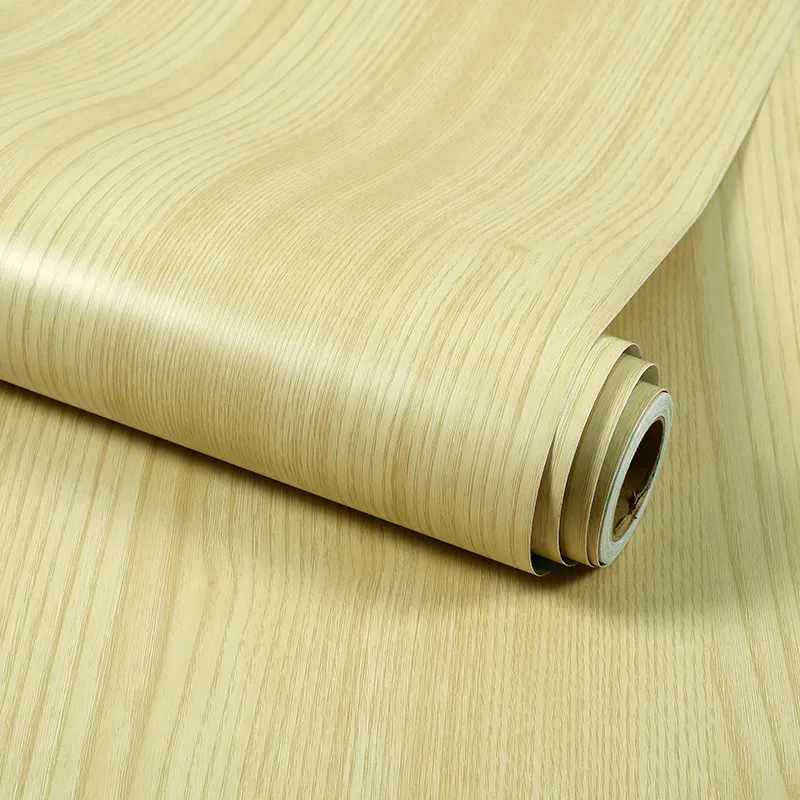
PVC film is widely used for decoration and surface protection, but many buyers still ask the same question: does it actually hold up outdoors? The answer is nuanced. PVC film can have good weather resistance when the right formulation, thickness, adhesive system, and installation method are chosen—especially for shaded or semi-outdoor applications. However, long-term exposure to strong UV, heat cycling, rain, and pollution will gradually age any polymer film, including PVC.
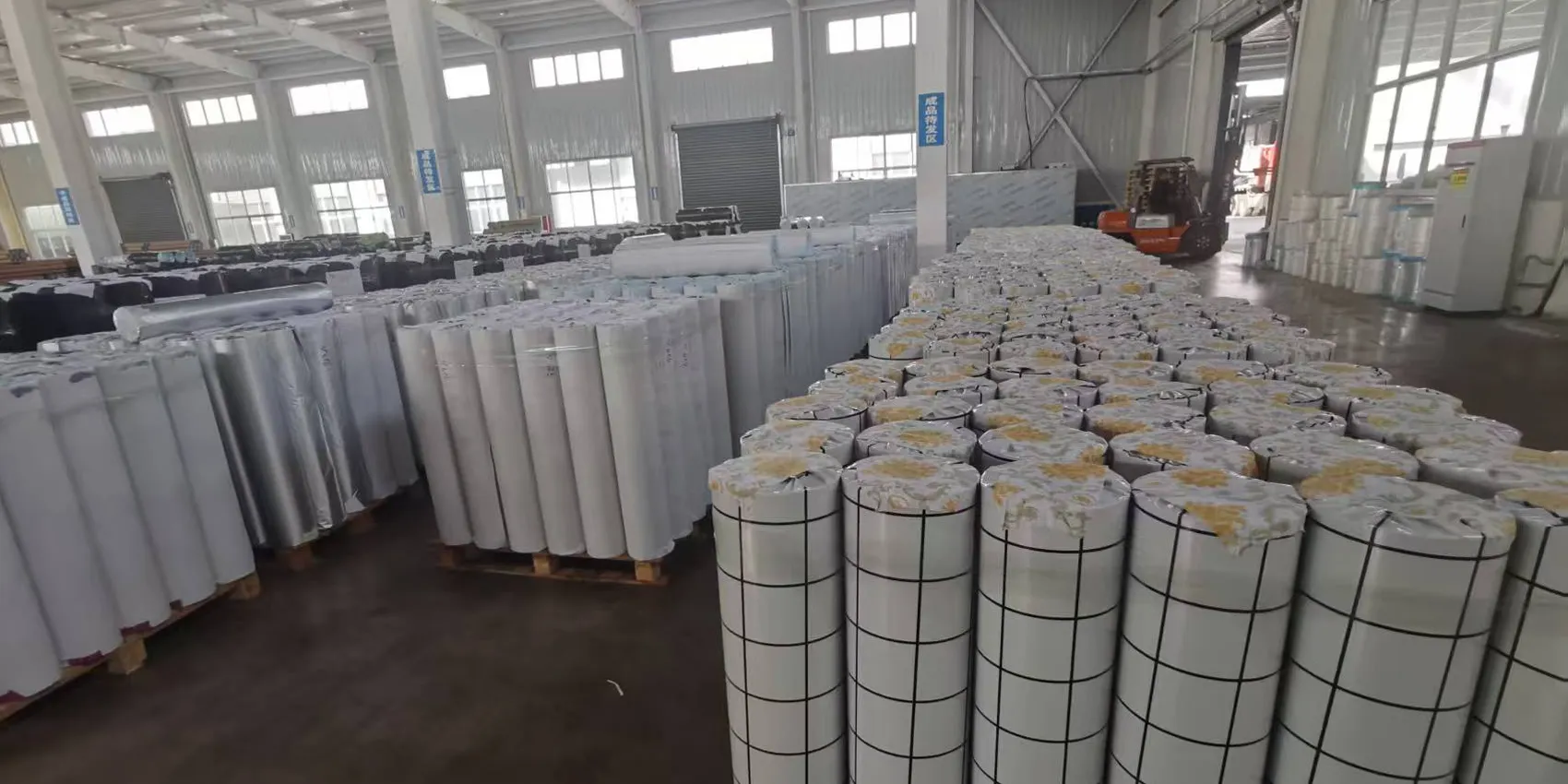
This guide explains outdoor durability, UV exposure, expected lifespan, and the practical steps that extend service life. It’s written for importers, brand owners, fabricators, contractors, and end users who want predictable performance in real-world climates.
Weather resistance is not a single property. For PVC film used outdoors or near outdoor conditions (balconies, storefront trims, semi-open corridors, signage areas), it typically refers to the film’s ability to maintain:
Key outdoor performance indicators:
PVC film can be engineered to perform well across these dimensions, but performance depends heavily on the resin grade, plasticizer package, stabilizers, pigments, and topcoat (if any). “PVC film” is a category—not a single standardized material.
Pure PVC is inherently more UV-resistant than some polymers, but outdoor UV exposure still causes aging over time. UV energy can break chemical bonds and accelerate oxidation, which can lead to surface haze, loss of gloss, micro-cracking, and fading. This is especially noticeable on bright colors, dark solid colors, and glossy finishes where visual changes are easier to see.
Manufacturers enhance UV durability using a combination of stabilizers and design choices:
UV durability boosters (typical approach):
In procurement terms, “UV-resistant PVC film” should be defined with measurable targets (e.g., test hours, ΔE color shift limits, gloss retention). If you’re sourcing through a supplier that offers calendered options, you can start by comparing product structures such as Calendered Film, then confirm what stabilizer package and outdoor validation is available.
Many outdoor “failures” blamed on PVC film are actually caused by the system: adhesive + substrate + installation + environment. Understanding the most common failure modes helps you specify the right solution.
Direct sun is the fastest path to visible change. South-facing surfaces (in the Northern Hemisphere) usually receive more intense UV and heat. Dark colors can heat up dramatically, accelerating aging and adhesive stress.
Over time, UV and heat can reduce flexibility—especially if the plasticizer system is not optimized for outdoor use. Chalking (powdery surface) may occur if the surface oxidizes and the binder loses cohesion.
Temperature cycling can cause dimensional movement. If a film is applied with excessive tension, or if edges and seams are not sealed properly, shrinkage may show up as edge lift or seam opening. This is common on profiles, trims, and wrapped corners.
Outdoor exposure challenges adhesives with heat, moisture, and UV. If the adhesive is not rated for higher temperatures, you may see bubbling, sliding, or peeling. Substrate issues (low surface energy plastics, dusty cement, oily metals) are also major contributors.
✔ Practical takeaway:
Weather resistance is best evaluated as film + adhesive + substrate + installation. A strong film on a weak adhesive system may still fail early outdoors.
Because “outdoor” can mean anything from a shaded balcony to a desert-facing facade, lifespan should be discussed by exposure severity. Below are typical ranges seen in the market when the film is properly selected and installed. Actual results vary by formulation, color, and maintenance.
Typical outdoor service-life expectations:
If your project requires longer outdoor life, consider specifying higher UV packages, thicker constructions, and protective layers. For example, architectural decorative options (wood, stone, or solid colors) are often selected by pattern and finish first—yet outdoor performance depends on the underlying chemistry. If you’re evaluating decorative aesthetics, compare products such as Wood Grain Film and confirm whether the grade is intended for exterior or only interior use.
Weather resistance is strongly climate-dependent. Even the same film can perform very differently depending on where and how it’s installed.
Regions with stronger UV (tropical latitudes, high-altitude cities, desert areas) shorten aesthetic lifespan. UV not only fades pigments but also increases surface oxidation and gloss loss.
Daily expansion and contraction stresses edges and seams. Films on metal panels can see sharp temperature swings. Heat can also soften adhesives and increase the risk of creep, especially on vertical edges and tight corners.
PVC itself resists water, but moisture can attack interfaces: between film and substrate, at seams, or behind edges. If water penetrates, freeze-thaw (in cold climates) can worsen debonding.
Urban pollution, salt air in coastal areas, and cleaning chemicals can stain or dull the surface. Protective topcoats help, as does choosing textures that hide minor abrasions (e.g., matte, embossed).
PVC film is produced in multiple structures and finishes. Your selection should begin with exposure level and performance targets, then match appearance.
Calendered PVC films are commonly chosen for stable thickness control and consistent surface quality. For sourcing and comparison, review the base category at Calendered Film and request data on UV/heat stabilization if outdoor placement is planned.
Glossy surfaces show fading, scratches, and haze more easily, especially outdoors. Matte and textured finishes often hide minor defects and can maintain acceptable appearance longer. Textures such as silk-like embossing may also reduce the visibility of swirl marks and dust. If texture is a priority, you can compare options like 3D Silk Texture Film and confirm whether the finish includes any protective coating.
For outdoor placement, lamination onto a stable panel with an appropriate adhesive system can outperform quick self-adhesive applications—especially in high heat. If self-adhesive is necessary, specify an adhesive rated for the expected surface temperature and humidity.
⚠ Specification tip:
Ask suppliers to confirm maximum service temperature, UV stabilization package, and whether the grade is intended for interior-only, semi-outdoor, or exterior exposure.
Even premium film can fail early if installed poorly. Outdoor conditions magnify small mistakes, especially at edges and corners.
Clean, dry, and stable substrates are essential. Remove dust, wax, oils, and silicone residues. For porous materials (unfinished wood, cement board), sealing or priming may be required to prevent moisture pathways and weak bonding.
Over-tension during wrapping increases the risk of shrink-back and edge lift under sun heating. Use consistent application pressure and appropriate heating practices for conforming around corners.
Edges are the first point of failure outdoors. Where possible, design installations so that edges are mechanically protected (trim channels, returns, recesses). Use sealants or edge tapes if water intrusion is expected.
Adhesive systems often need time to build full bond strength. Avoid early high-pressure washing or harsh chemicals. In the first 24–72 hours, keep the surface dry and avoid extreme temperature exposure when feasible.
Outdoor films accumulate dust, soot, and salts. Regular gentle cleaning preserves appearance and reduces chemical staining.
Recommended cleaning approach:
If the film is installed on areas exposed to cooking fumes or heavy grease in semi-open kitchens, consider functional surfaces designed for easier cleaning. For example, products such as Kitchen Anti-oil Film are typically selected to reduce staining and simplify maintenance (confirm temperature and placement suitability if near outdoor heat/sun).
Outdoor performance depends on tight process control. Variations in thickness, plasticizer balance, or printing/lamination conditions can cause uneven shrinkage, gloss differences, or premature aging.
Suppliers with integrated processes—calendering, printing, and slitting/packing—can often deliver more consistent batches and better traceability. This matters because outdoor projects are visually unforgiving: if one batch fades faster, patch repairs become obvious.
What to request from your supplier for outdoor-related projects:
PVC film can be a strong choice when you want cost-effective aesthetics and surface protection, especially in semi-outdoor conditions. Typical good-fit scenarios include:
For trim and base applications, you may evaluate dedicated products like PVC skirting film, then match thickness, embossing, and abrasion resistance to the site’s cleaning frequency and foot traffic.
There are cases where PVC film may not meet expectations without specialized formulation or protective design:
In these conditions, you may need alternative materials, additional topcoats, mechanical fastening, or shading design changes. The best outcome often comes from aligning expectations: Is the goal decorative refresh, or long-term exterior branding?
Yes—PVC film can have meaningful weather resistance, especially in shaded or semi-outdoor locations and when the product is engineered with UV/heat stabilization. But “outdoor durability” is a system result: the film formulation, thickness, pigments, coatings, adhesive selection, substrate prep, edge design, and local climate all determine lifespan.
If you are sourcing for outdoor-adjacent applications, define your exposure level, request aging-related documentation, and prioritize installation details that protect edges and minimize water intrusion. This approach delivers the most predictable performance and reduces costly rework.
It can be used in semi-outdoor or shaded areas, but standard interior-focused decorative film often ages quickly in full sun. For outdoor use, request UV/heat-stabilized grades and confirm test references.
In full sun, appearance changes may occur within 6–18 months for standard grades. Outdoor-engineered constructions can last longer depending on climate, color, and protective layers.
The most common cause is adhesive/substrate failure—poor surface preparation, moisture pathways at edges, or adhesive not rated for heat. Film quality matters, but installation and substrate are often decisive.
Yes. Dark and highly saturated colors tend to heat up more and can show fading sooner. Matte and textured finishes often maintain acceptable appearance longer than high-gloss surfaces.
Ask for a UV-stabilized formulation, suitable thickness, compatible adhesive system, and clear installation guidance; then validate with aging-related test data and a small on-site trial before full rollout.