Address
304 North Cardinal St.
Dorchester Center, MA 02124
Work Hours
Monday to Friday: 7AM - 7PM
Weekend: 10AM - 5PM
Address
304 North Cardinal St.
Dorchester Center, MA 02124
Work Hours
Monday to Friday: 7AM - 7PM
Weekend: 10AM - 5PM


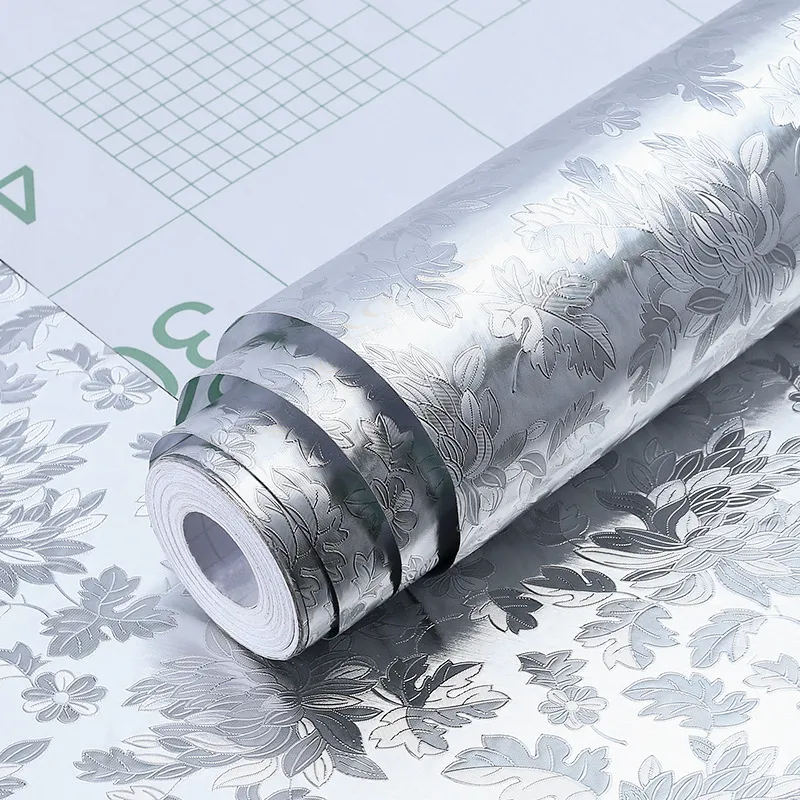
PVC film is widely used as a practical, affordable layer of floor protection in homes, commercial sites, and light industrial environments. If you’ve ever needed to keep floors safe during renovation, protect a finished surface from scratches, or add a wipe-clean layer in busy areas, PVC film is often one of the first materials people consider. But is it actually “good” for floor protection in the long run?
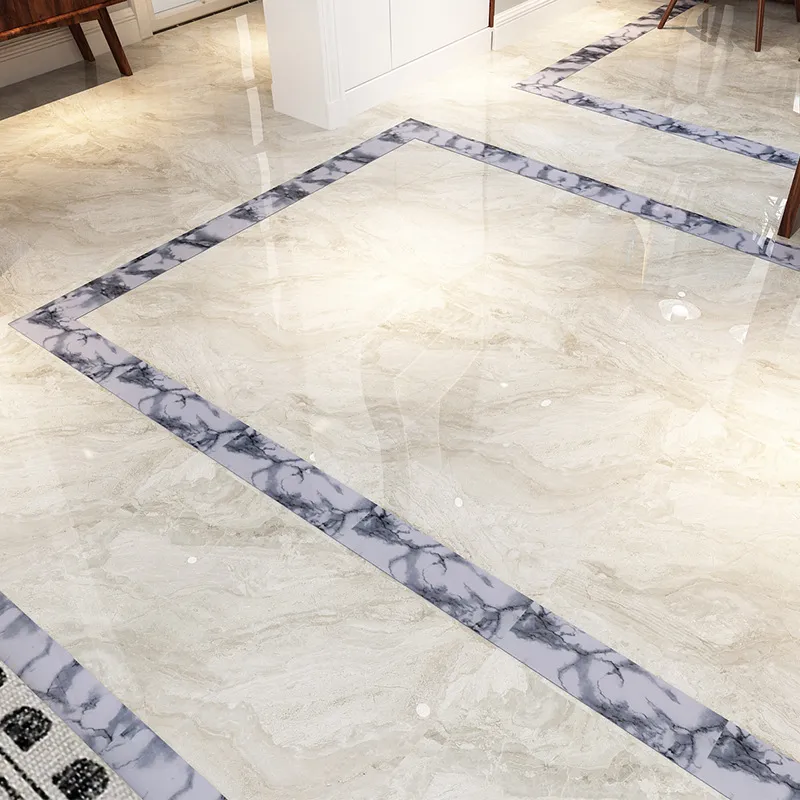
This guide breaks down what PVC film is, where it performs best, where it can fail, and how to choose the right type (including calendered and self-adhesive options). You’ll also learn practical installation tips and common mistakes to avoid so your floors stay protected—not damaged by the protection layer itself.
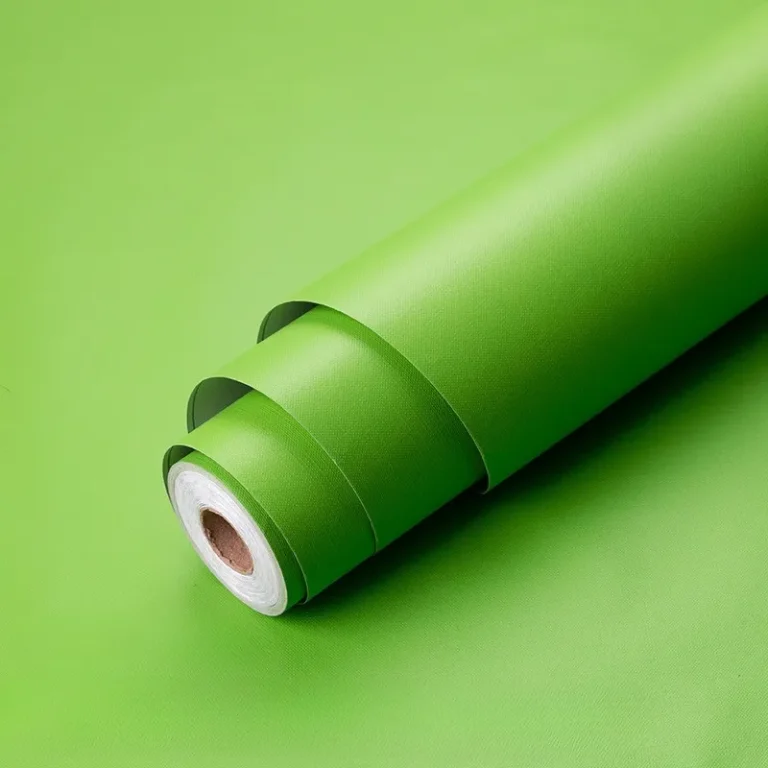
PVC film (polyvinyl chloride film) is a thin, flexible sheet that can be manufactured in multiple finishes—transparent, matte, embossed, textured, or printed. For floor protection, it’s typically used in one of two ways:
✔ Temporary protection: laid during construction, remodeling, moving, events, or heavy cleaning periods to prevent scuffs, paint splashes, and abrasion.
✔ Functional surface layer: used as a durable, cleanable surface in selected zones (for example, utility spaces), often via thicker floor film or vinyl floor solutions.
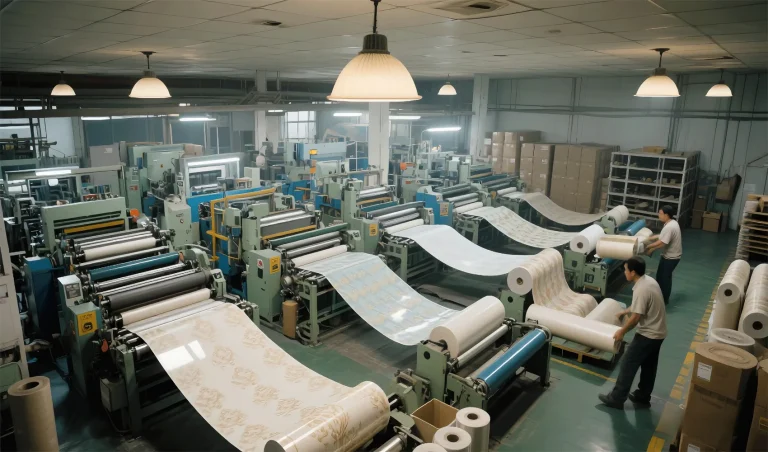
In manufacturing terms, many floor-protection PVC films are calendered films, made by passing material through heated rollers for consistent thickness and stable performance. This matters because floor protection demands uniformity: weak spots can tear, wrinkle, or print marks into the floor under pressure.
PVC film forms a reliable barrier that helps keep dust, wet footprints, paint drips, grout residue, and mild cleaning chemicals off the floor surface. For renovation and finishing work, this can reduce cleanup time and lower the risk of stains on porous surfaces.
Compared with thin paper or light PE sheets, PVC film often holds up better under foot traffic. It resists small scratches and scuffs and can remain stable when chairs slide or tools are carried across the area—especially when you choose a thickness appropriate for your site conditions.
PVC film is easy to cut, roll out, and fit around corners, door frames, and built-ins. Textured options can add grip, while clear options allow you to see the underlying floor layout—helpful for staged work zones, retail setup, or events.
Beyond “plain transparent,” PVC films can be matte to reduce glare, embossed to improve traction, or designed with anti-static performance for electronics-related areas. If aesthetics matter as well as protection, patterned surfaces and specialty finishes can be used to match interior styles.
📌 Practical takeaway: PVC film tends to be “good” when you need a wipe-clean, resilient barrier that stays flat and stable under normal site movement.
Self-adhesive PVC films are convenient, but the adhesive can cause issues if:
(a) the floor has fresh coatings (new polyurethane, wax, oil finish),
(b) the surface is porous or poorly sealed,
or (c) the film is left on too long, especially under heat.
Always test a small corner first, and remove within the recommended time window.
In direct sunlight or high indoor temperatures, PVC can soften slightly. Heavy objects placed on top (appliances, pallets, ladders, stacked materials) may imprint the film texture into soft floor finishes, or cause “ghosting” effects. This is more likely with rubber-backed mats or on new vinyl/laminate surfaces.
A smooth, glossy PVC surface can become slippery if water, dust, or fine construction powder accumulates. In busy sites, an embossed or matte finish may be safer. If the floor protection is for a walkway or commercial path, traction should be treated as a primary requirement—not an afterthought.
“PVC” covers a wide range of formulas. If you’re using film for indoor environments with strict safety requirements, confirm compliance (for example, RoHS/REACH) and choose materials made with safer additives. Suppliers may offer films free of heavy metals and phthalates and can provide test reports on request.
⚠️ Don’t assume “protection” is always safe: the wrong adhesive level, wrong thickness, or leaving the film in place too long can turn a protective layer into a source of residue, slip incidents, or surface marks.
Best practice: match the film type to floor material, expected traffic, exposure time, and temperature/sunlight conditions.
For painting, carpentry, ceiling work, and furniture installation, PVC film can protect floors from fine dust and minor tool drops. For heavier construction phases, consider combining PVC film with additional cushioning layers in high-impact zones.
Entryways, hallways, children’s play areas, and pet zones benefit from a wipe-clean surface—especially during specific periods (bad weather seasons, moving week, guests). If you need a more “finished” solution rather than temporary protection, explore a dedicated floor film designed for durability and surface performance.
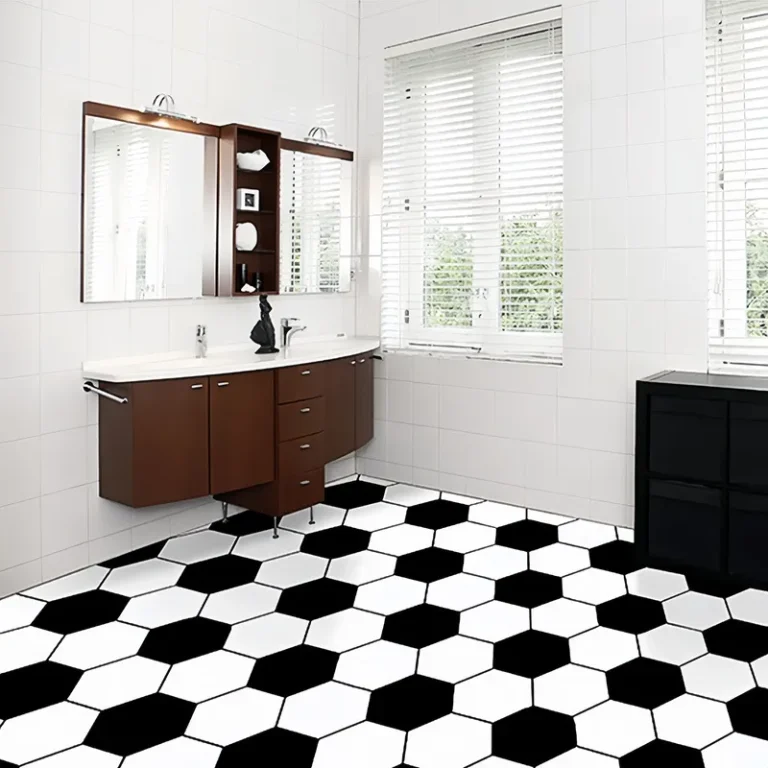
In bathrooms, the goal is often both safety and water resistance. PVC solutions can work well when the product is designed for wet conditions and slip resistance. For example, purpose-built bathroom floor stickers can add traction and refresh the look of older surfaces, but they should be installed on clean, dry, well-adhered substrates to avoid edge lifting.
Retail pop-ups, showrooms, and temporary exhibits often need fast turnaround: protect the existing floor, keep it presentable, and remove it later with minimal disruption. PVC film’s flexibility and roll format make it suitable for these fast-cycle environments—provided the correct adhesive and removal timing are used.
Newly coated hardwood floors can be sensitive to trapped moisture and pressure marks. A non-breathable protective layer may slow curing or create uneven gloss. If protection is necessary, confirm the floor finish has fully cured and test in an inconspicuous corner.
If a space gets intense sunlight (large south-facing windows) or heat from equipment, consider a more heat-stable protective system or shorten the protection duration and increase inspection frequency.
PVC film can puncture if screws, sand, tile shards, or sharp gravel are present. In these cases, combine with thicker board protection or choose a more puncture-resistant covering for the rough phase.
• Vinyl/LVT: watch for plasticizer interaction and heat-related imprinting; prefer tested low-residue options.
• Laminate: avoid trapping moisture at seams; keep edges sealed and inspect frequently.
• Hardwood: ensure finish is fully cured; avoid aggressive adhesives and heavy point loads.
• Tile/stone: generally tolerant; focus on slip resistance and grout dust management.
If the protection layer becomes a walking path, choose matte or embossed textures to reduce slip risk. If your priority is fast wipe-down (for example, paint splashes), a smoother surface may clean faster—just keep it dry and dust-free.
Non-adhesive films are safer for delicate finishes but may shift unless taped at edges. Self-adhesive films reduce shifting and trip hazards but must be chosen carefully to prevent residue. If you need an adhesive-backed option, ask for:
low-tack adhesive, residue testing results, and recommended removal timelines.
Thin film works for light foot traffic and short projects; thicker film is better for extended renovation, furniture moves, or commercial footfall. For best results, describe your use case clearly when requesting a quote: floor type, expected days installed, temperature/sun exposure, and whether equipment will roll across it.
Dust and grit under the film are a common cause of micro-scratching. Vacuum thoroughly and ensure the floor is completely dry. In wet-adjacent areas, remove the film periodically to check for trapped moisture.
Overstretching can cause curling edges later. Lay the film with gentle tension, smooth outward, and avoid bubbles that can become trip points.
Most failures start at edges: shoe kicks, vacuum heads, and carts catch them. Use compatible tape or edge sealing, but keep adhesive away from delicate surfaces when possible. Where two rolls meet, overlap minimally and ensure the seam is flat.
🛠️ Field tip: If you expect rolling loads (dollies, tool carts), place the seam direction parallel to the wheel path and avoid seams in the most-traveled lane.
| Material | Best for | Watch-outs |
|---|---|---|
| PVC film | Clean barrier, light-to-medium abrasion, fast install | Adhesive residue risk, slip risk if glossy/wet, heat imprinting |
| Kraft paper / ram board | Impact protection, rough phases | Not water-proof; can absorb spills and transfer stains |
| PE sheet | Low-cost dust cover | Tears easily; shifts under foot; can become slippery |
| Rubber mats | Anti-slip zones, equipment areas | May cause discoloration/marks on some vinyl floors; bulky |
Use PVC film as a top moisture barrier over a tougher base layer in high-impact areas. Choose a finish that reduces slipping for workers. Inspect weekly and replace sections that crease or puncture—damage accumulates fastest at doorways and corners.
Use thicker PVC film in lanes where heavy items will roll. Keep seams away from the moving path. Remove right after the move to prevent trapped grit from being ground into the floor.
If your goal is a more durable, finished surface (not just temporary protection), consider a product designed as flooring rather than a short-term cover. Options like vinyl kitchen flooring are purpose-built for frequent cleaning and daily wear and may be more appropriate than a temporary protection film.
The “safe duration” depends on adhesive type, temperature, UV exposure, and floor finish. As a general rule, the longer a film stays down, the higher the chance of:
adhesive curing, edge dirt buildup, moisture trapping, or imprinting under weight.
For project-based protection, plan removal as soon as the risky phase ends, and avoid leaving it through hot seasons or intense sun exposure.
✅ Simple inspection routine: check edges, seams, and high-load spots every 3–7 days.
If you see: lifting edges, bubbles, moisture, sticky feel, or discoloration, remove and replace that section immediately.
For consistent performance, floor-protection PVC should be produced with stable thickness control, clean winding, and reliable surface/adhesive properties. When requesting samples or quotations, ask for:
If you’re comparing product families, start from the supplier’s core manufacturing category (for example, calendered film) and then specify floor-specific requirements like traction, low residue, and stability under load. For broader product context, you can browse the supplier’s product catalog and narrow down to floor-focused solutions.
Yes—PVC film can be a good floor protection material when it’s chosen and used correctly. It excels as a clean, durable barrier for renovation, moving, retail setup, and short-to-medium protection cycles. The biggest risks come from wrong adhesive choice, heat/sun exposure, and slip or imprinting under heavy loads.
If you match the film’s thickness, surface texture, and adhesive level to your specific floor type and project duration—and you inspect it periodically—PVC film is one of the most efficient, scalable options available for keeping floors looking new.
It can if the wood finish is not fully cured, if moisture gets trapped, or if an aggressive adhesive is used. Use low-tack options, test a small area first, and avoid long dwell times—especially in warm rooms.
Some glossy films can be slippery, particularly when wet or dusty. For