Address
304 North Cardinal St.
Dorchester Center, MA 02124
Work Hours
Monday to Friday: 7AM - 7PM
Weekend: 10AM - 5PM
Address
304 North Cardinal St.
Dorchester Center, MA 02124
Work Hours
Monday to Friday: 7AM - 7PM
Weekend: 10AM - 5PM


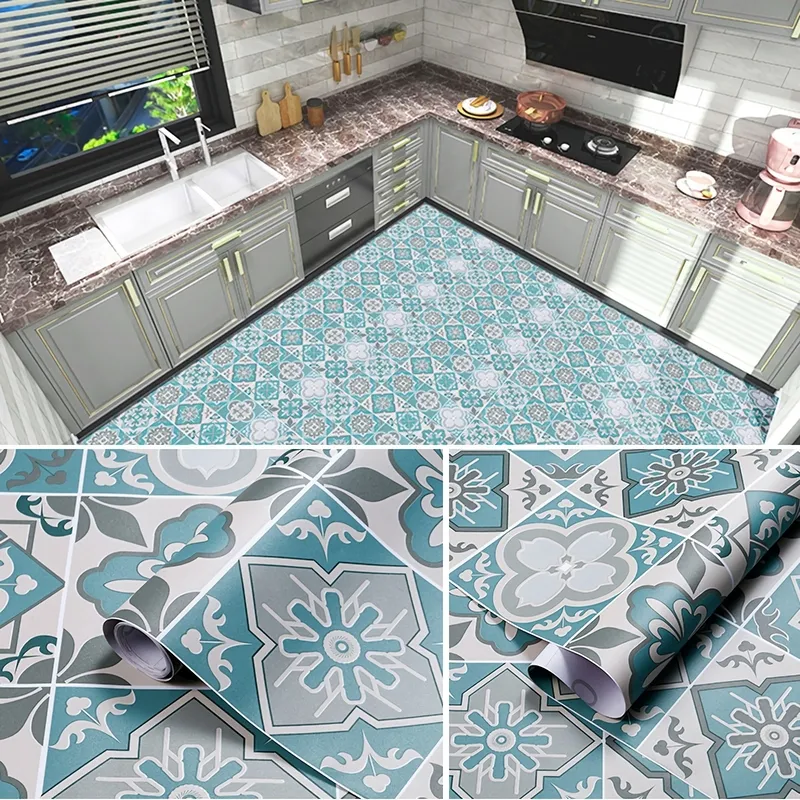
PVC film is widely used to refresh, protect, and decorate kitchen surfaces—especially cabinets, panels, and wall areas that face daily moisture, cooking fumes, and frequent cleaning. But “Is PVC film suitable for kitchens?” depends on how you use it: the film type, where you apply it, the adhesive system, and whether you respect heat and food-contact boundaries.
This guide breaks down real-world pros and cons, safety considerations, and best-use scenarios so you can choose PVC film confidently—whether you’re upgrading a rental kitchen quickly or specifying materials for long-term projects.
PVC film is a thin sheet made from polyvinyl chloride, engineered for decoration and protection. In kitchens, it’s commonly used as a surface layer over MDF, plywood, metal panels, or existing laminates. Many films also feature printed textures (wood grain, marble, solid colors) and functional coatings that make wiping easier.
Key kitchen stressors: steam + splashes, grease aerosols, frequent detergents, abrasion from daily use, and localized heat near stoves/ovens.
A film that looks perfect on a wardrobe can fail faster near a cooktop if it isn’t designed for heat/chemical resistance or installed incorrectly.
Kitchens are humid—especially in homes that boil, steam, or wok-fry daily. PVC film resists water uptake and helps shield the substrate from swelling and staining, making it useful for cabinet doors, side panels, toe kicks, and backsplash-adjacent areas (as long as it’s not placed too close to a direct heat source).
A smooth, well-bonded film surface wipes down faster than porous paint or unfinished wood. For busy households, this is a major quality-of-life benefit—less scrubbing, fewer stains, and more consistent appearance across frequently touched areas like drawer fronts and handle zones.
PVC film can mimic wood, marble, metal, and matte solid tones, which lets you modernize a kitchen with minimal disruption. If your goal is a calm, minimal look, a matte film can reduce glare. If you want a premium visual upgrade, realistic textures like wood grain or marble patterns can deliver strong visual impact without replacing cabinetry.
For example, decorative options such as wood grain PVC film are commonly used on cabinet faces to achieve a warm, natural aesthetic with easier maintenance than real wood.
In rentals or short-term living situations, you may not want to invest in a full remodel. PVC film can refresh faded cabinet surfaces or cover minor cosmetic defects quickly. When installed with care, it provides a “new kitchen” feeling at a fraction of replacement cost.
⚠️ Important reality check: Most kitchen film failures are not “PVC problems” alone—they’re usually caused by heat exposure, poor surface preparation, wrong adhesive choice, or moisture getting into edges.
Understanding the risk zones in a kitchen is the difference between a long-lasting finish and peeling corners.
PVC can soften or deform when exposed to sustained high heat. Direct radiant heat and hot air blasts around ovens, toaster ovens, air fryers, and gas burners can weaken the adhesive bond and cause edge lifting or shrinkage. If your kitchen cooking style involves high-heat stir-frying, open flames, or long simmering with heavy steam, plan your film placement carefully.
Flat central areas usually perform well; edges and seams are the first to fail if water or detergent repeatedly penetrates the boundary. Poor trimming, weak corner wrapping, or leaving raw edges exposed increases the chance of peeling—especially near sinks and dishwashers.
Although many PVC films are durable, constant abrasion from rings, utensils, pet claws, or rough scouring pads can dull the finish. Glossy surfaces show micro-scratches more easily; matte textures hide wear better but can trap grime if the texture is deep.
Even when a supplier offers compliant materials, kitchen hygiene best practice is to avoid using decorative film as a direct cutting/food-prep surface. Always use cutting boards and food-safe countertops for prep work.
“Safety” can mean several things: indoor air quality (VOC/odor), regulatory compliance, and safe use boundaries (heat, cleaning chemistry, food contact). High-quality PVC films can be manufactured to meet strict standards—what matters is verifying the specifications for your use case.
For kitchen interiors, prioritize films that are declared free of heavy metals and phthalates and that align with common compliance frameworks such as ISO systems, REACH, RoHS, and (when relevant) FDA-related requirements for certain applications. If you’re sourcing for commercial projects, request test reports and batch traceability.
✅ Practical safety rule: Choose low-odor materials and allow full curing/ventilation after installation—especially in small kitchens with limited airflow.
If a film has a strong smell that persists, don’t ignore it; confirm material and adhesive specs and improve ventilation.
Many kitchen issues blamed on “PVC” are actually adhesive problems. Heat, humidity, and cleaners can degrade low-grade adhesive, causing bubbles or edge lift. For long-term performance, match the adhesive to the substrate (MDF/metal/laminate), exposure conditions, and installation method.
This is the most common and often the most successful kitchen application. Choose textures that match how your kitchen is used: matte or soft-touch for fingerprint resistance, or realistic grains for warmth. If you want a premium tactile look, options like 3D silk texture film can add depth while still being wipeable.
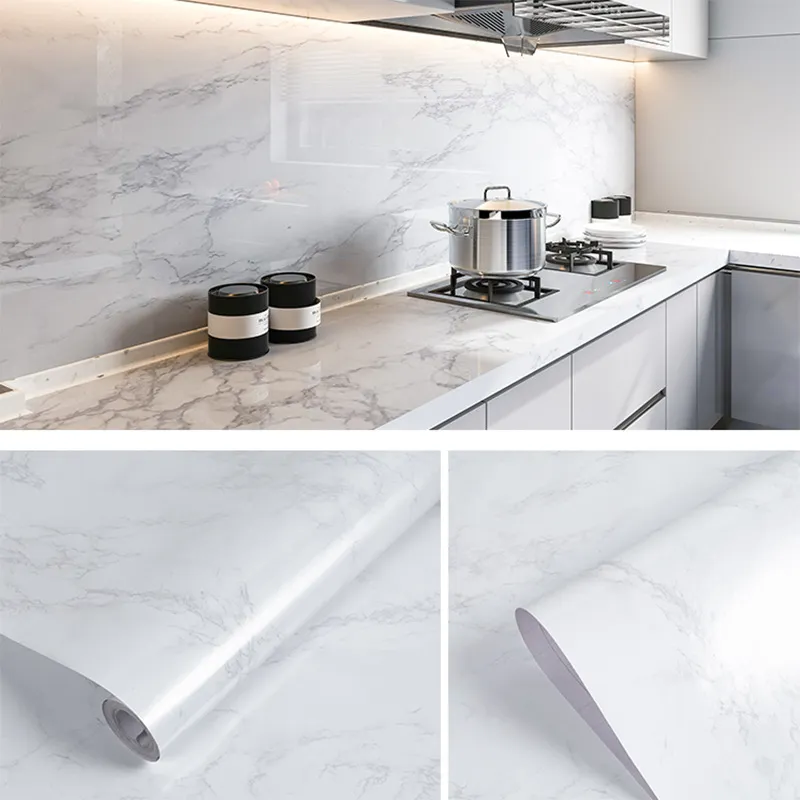
Large vertical surfaces away from direct heat are ideal: they stay stable, are easy to apply, and don’t receive constant abrasion. For a sleek modern look, marble patterns can mimic stone without the weight and cost; see marble film for common design directions.
The lower perimeter of cabinets takes mop water, shoe scuffs, and vacuum bumps. A purpose-designed skirting film can help maintain a consistent look and simplify cleanup. If you’re finishing base details, PVC skirting film is often used to coordinate color and improve durability in these high-splash areas.
If your cooking style creates heavy oil vapor, use products designed specifically for that purpose rather than a generic decorative wrap. Dedicated options such as kitchen anti-oil film can make daily wipe-downs easier and reduce staining on walls near prep and cooking zones.
Film performance depends on consistency, thickness control, and surface finish. For many decorative and industrial uses, calendered film is a common choice because it offers stable thickness and scalable production—important when you need consistent color/texture across multiple cabinet sets.
Depending on the project, you may want anti-fog, anti-static, or food-grade coatings (for specific non-prep contact contexts), plus improved chemical resistance for frequent wiping. Ask suppliers what treatments are available and request data that matches your intended kitchen environment.
Degrease thoroughly, remove silicone residues, and ensure the surface is dry and stable. Kitchens often have invisible oil films near stoves; if you apply film over that, adhesion will fail early.
Tip: After cleaning, wipe with clean water to remove detergent residue, then let the surface dry completely before application.
Residual cleaner can act like a release agent and create bubbles over time.
Apply in a stable indoor temperature range and press evenly to avoid trapped air. Corners and edges need extra attention because they experience the most stress during cleaning and daily contact.
Around sinks and dishwashers, use thoughtful edge wrapping and consider compatible edge sealing solutions (as specified by your installer or supplier). The goal is to prevent water from getting under the film—once it does, peeling usually accelerates.
Even if the surface feels “done,” adhesives often need time to reach full bond strength. Avoid aggressive scrubbing or strong chemicals immediately after installation; follow the adhesive/film guidance for curing and early maintenance.
Choose PVC film for your kitchen if you want:
Consider other materials (or specialized products) if you need:
Yes. It’s one of the most common uses, especially on cabinet doors, drawer fronts, and side panels. Performance depends on proper surface prep, correct adhesive, and keeping it away from direct high heat.
It can be, if you select compliant materials (e.g., free of heavy metals and phthalates) and use low-odor systems suitable for interior applications. Always ventilate during and after installation and request test documentation when sourcing.
It may peel if edges aren’t sealed, if the substrate has grease residue, or if heat/steam repeatedly hits seams (like near dishwashers or cooktops). Correct prep, tight edge finishing, and using kitchen-appropriate films dramatically reduces the risk.
Use a soft cloth and mild detergent. Avoid abrasive scrubbers and harsh solvents unless the film is specifically rated for them, and keep moisture from sitting on edges and corners.
Installing it too close to heat sources or applying it over a surface that still has oil/cleaner residue. Most failures start at edges because of poor prep or water intrusion.