Address
304 North Cardinal St.
Dorchester Center, MA 02124
Work Hours
Monday to Friday: 7AM - 7PM
Weekend: 10AM - 5PM
Address
304 North Cardinal St.
Dorchester Center, MA 02124
Work Hours
Monday to Friday: 7AM - 7PM
Weekend: 10AM - 5PM


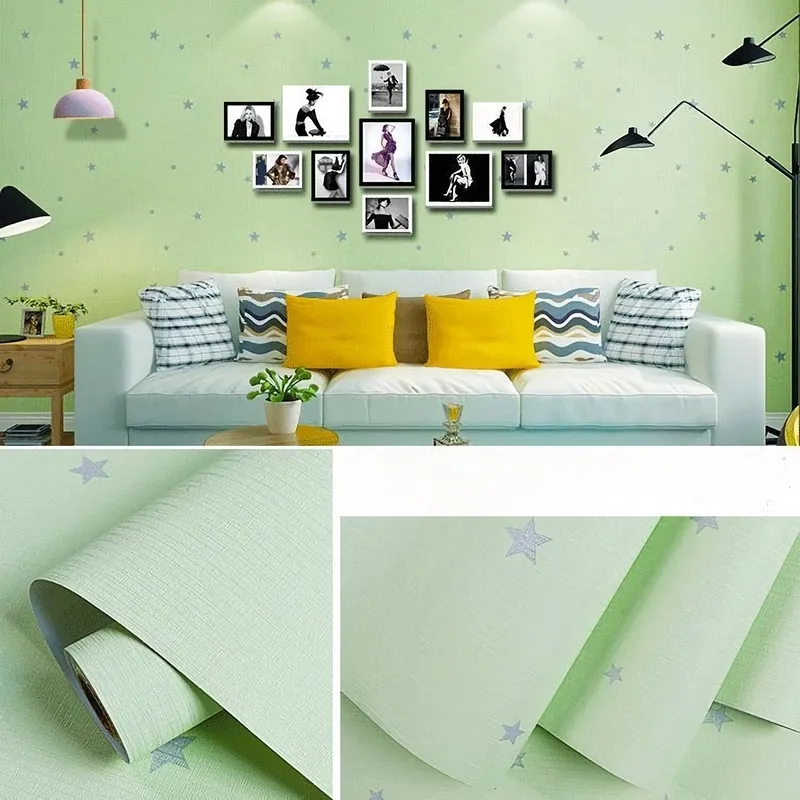
PVC film is everywhere—on furniture panels, wall surfaces, doors, appliances, packaging, and even in controlled environments such as cleanrooms. As hygiene expectations rise in homes, hospitals, retail, and public spaces, many buyers ask one key question: can PVC film be antibacterial? The practical answer is yes—PVC film can be engineered to help inhibit microbial growth when the right antibacterial additives or coatings are used, and when the film is matched to the real conditions of use (touch frequency, cleaning chemicals, humidity, abrasion, and required regulations).
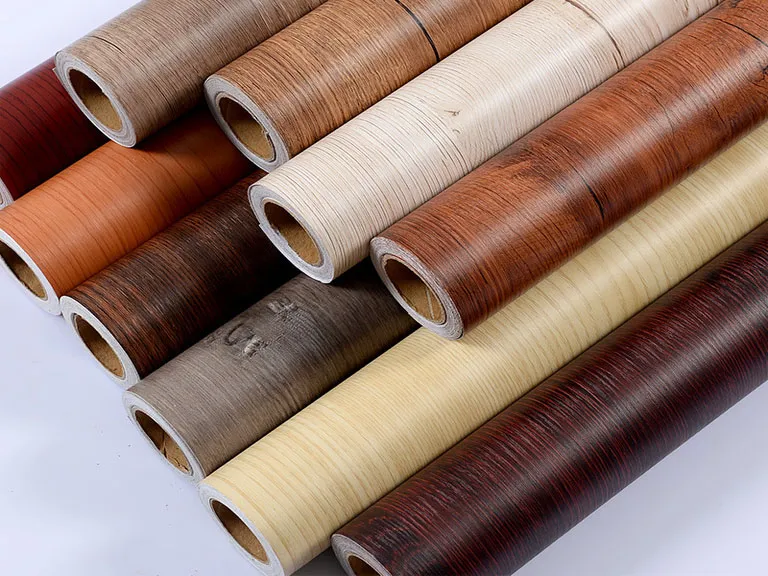
This article explains what “antibacterial” means for PVC film, the main technologies used (built-in additives vs. surface coatings), the benefits and limitations, and where antibacterial PVC film provides measurable value—especially for interiors, medical environments, kitchens, bathrooms, and high-touch commercial areas.
Key takeaway:
“Antibacterial PVC film” usually means the film can reduce bacterial growth on its surface under defined test conditions. It does not automatically mean “sterile,” “virus-proof,” or “no cleaning needed.”
✓ Best results come from combining antibacterial function with easy-to-clean, stain-resistant, and abrasion-resistant finishing—especially for high-touch areas.
In product specifications, “antibacterial” typically refers to a film surface that can inhibit the reproduction of common bacteria (for example, E. coli or Staphylococcus aureus) over a set time. This is usually verified using standardized lab methods (often ISO or JIS test protocols). The result is commonly expressed as a reduction rate (e.g., 99% reduction under test conditions).
However, antibacterial performance is not a single, universal number. It depends on the antimicrobial agent type, concentration, migration behavior, surface chemistry, and exposure conditions (temperature, humidity, organic contamination, cleaning frequency, and abrasion).
⚠ Important:
Antibacterial film should be treated as a risk-reduction surface, not a replacement for routine cleaning, disinfection protocols, or hand hygiene in healthcare settings.
Antibacterial PVC film is achieved through either built-in antimicrobial additives blended into the film structure or surface coatings applied after calendering/printing. Each approach has unique strengths, costs, and durability profiles.
In this method, antibacterial agents are mixed into the PVC compound during production. Because the active component exists throughout the material thickness, performance can remain more stable after light wear compared with surface-only treatments.
Surface coatings are applied to the finished PVC film—often as a functional clear coat that can also deliver scratch resistance, stain resistance, easy-clean performance, anti-fingerprint, anti-mold, or chemical resistance. For decorative films used on furniture, doors, and wall panels, this approach is popular because it allows the design layer to remain unchanged while adding hygienic performance.
✔ When coatings make sense: high-touch surfaces where cleanability and stain resistance matter as much as antibacterial performance (kitchens, retail counters, elevators, clinic furniture).
✔ When additives make sense: surfaces exposed to frequent abrasion where you want antibacterial function to remain even after minor wear.
Antibacterial functionality is often purchased for hygiene marketing, but the operational value is broader. In many projects, the real ROI comes from reducing visible contamination, odor issues, and maintenance burden—especially in warm, humid conditions.
Reception desks, cabinet handles, closet doors, bed rails, wall protection panels, and elevator interiors are touched frequently. Antibacterial PVC film helps support a “clean by design” environment—important for hospitals, childcare centers, gyms, and hospitality.
In damp areas, microbial growth can contribute to odor and discoloration. When antibacterial function is paired with anti-mold and easy-clean top coats, PVC film surfaces can stay visually clean longer—especially in bathrooms, laundry rooms, and kitchens.
Many antibacterial systems are delivered alongside protective coatings that improve resistance to common stains (food oils, fingerprints, cosmetics) and allow faster cleaning. This matters for decorative films where appearance is the product.
For furniture brands and panel manufacturers, antibacterial PVC film can be a premium feature—especially when combined with documented compliance (REACH, RoHS, ISO management systems, and relevant test reports). Buyers increasingly request proof of material safety such as heavy-metal-free and phthalate-free formulations.
To use antibacterial PVC film responsibly (and avoid misleading claims), it’s crucial to understand its boundaries.
Procurement tip:
Ask for the antibacterial test method used, the target organisms, the reported reduction rate, and whether results are verified for the finished film structure (including printing and top coat), not only for the additive itself.
In real projects, antibacterial performance is typically packaged into a broader functional system. For decorative and industrial PVC films, these surface options are often combined to match the use-case.
Antibacterial PVC film is most impactful when surfaces are frequently touched, frequently cleaned, or exposed to moisture. Below are common, proven application scenarios.
For hospitals, clinics, labs, and clean packaging areas, antibacterial films may be used on cabinets, partitions, carts, wall protection panels, and clean packaging. The goal is to reduce surface bioburden between scheduled disinfection cycles. In these environments, buyers often prioritize low odor, chemical resistance, and documented compliance.
Residential interiors are a strong fit because many surfaces are high-touch and exposed to oils or humidity. Antibacterial PVC film can be applied to cabinet surfaces, decorative wall panels, and protective layers—especially in kitchens where oil splashes and cleaning are frequent.
For kitchen surfaces, functional films such as Kitchen Anti-oil Film help reduce staining and make daily wipe-downs easier, which supports the practical hygiene goal behind many antibacterial upgrades.
In commercial spaces, the biggest drivers are durability and maintenance cost. Antibacterial PVC films are often specified for reception counters, wall cladding, meeting room furniture, and public-facing surfaces. When the film is decorative, texture and tactile quality matter too—for example, soft-touch or textile-like surfaces that still clean easily.
For premium decorative finishes, textured solutions such as 3D Silk Texture Film can be paired with functional top coats, balancing appearance with performance in high-traffic areas.
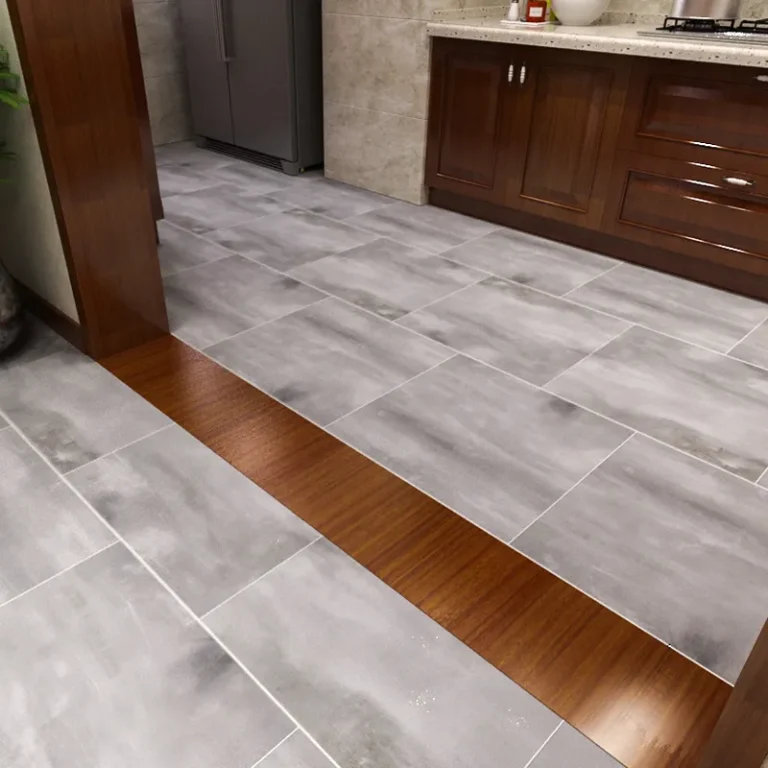
Floors and skirting boards face frequent moisture contact, dust accumulation, and repeated cleaning. Antibacterial/anti-mold performance is helpful in areas like bathrooms, kitchens, corridors, and clinics—especially where ventilation is limited.
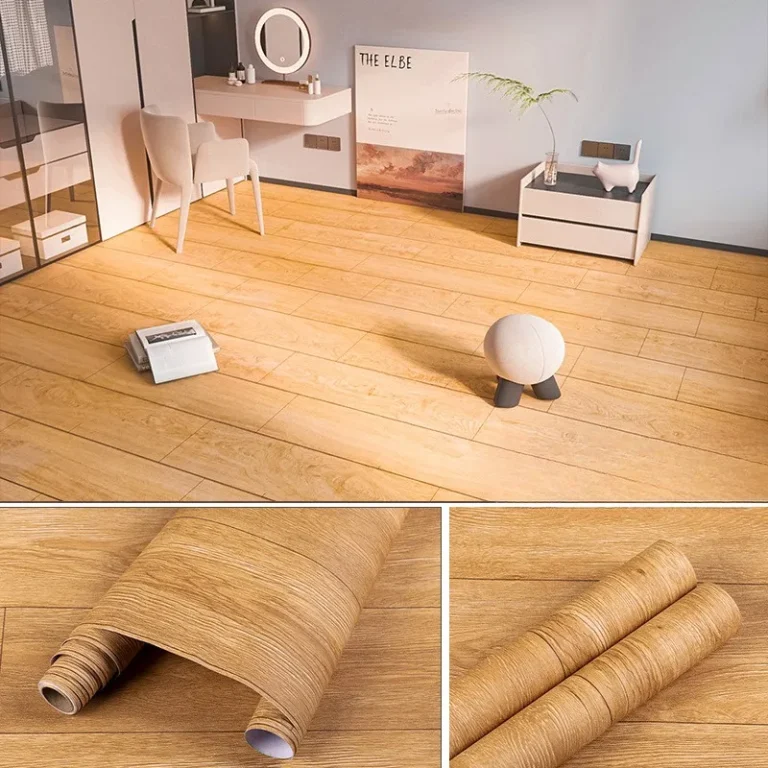
For flooring surfaces, options such as Floor Film are commonly selected for wear resistance and easy maintenance, and can be configured with added functional layers depending on project needs.
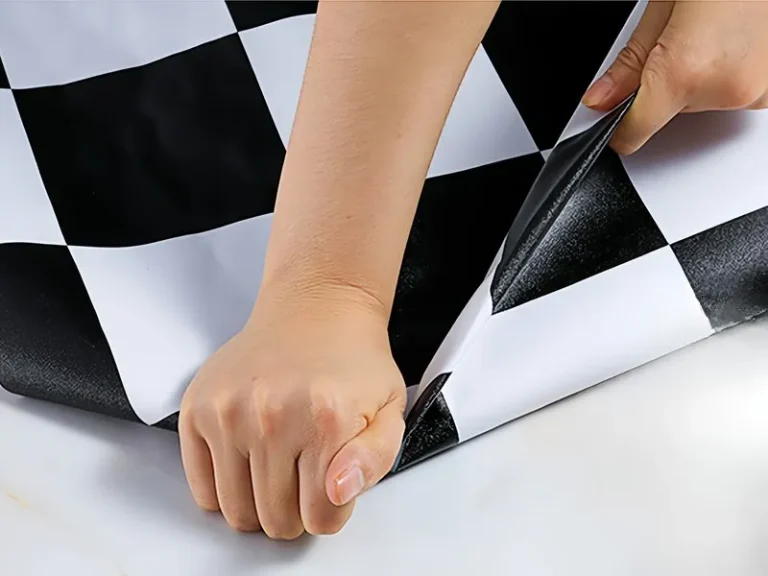
For trims and edge protection, PVC Skirting Film helps maintain a consistent look while improving cleanability where dust and moisture collect.
Antibacterial performance is only as reliable as the film underneath it. If a film has unstable thickness, weak adhesion, or inconsistent surface energy, coatings may fail early and printed layers may delaminate—reducing both aesthetics and hygiene performance.
Calendering quality is especially important for decorative and industrial films because it influences flatness, strength, and coating receptivity. If you’re evaluating a base material, it’s worth reviewing specifications and use-cases for Calendered Film, since many antibacterial PVC products build on a calendered foundation.
The best specification is application-driven. Below is a simple checklist procurement teams and OEMs can use to avoid mismatches between lab results and real-world performance.
Antibacterial PVC film is rarely a one-size-fits-all product. Many buyers need custom thickness, width, roll length, embossing, matte/gloss level, and a functional top coat tuned to the target cleaning regime. Full-process production (calendering, printing, slitting, and packaging) also helps maintain consistency across batches—important for long-term projects such as hotels, hospitals, and chain retail rollouts.
In addition to antibacterial performance, buyers often request value-added options like anti-static, anti-fog, or food-grade surface treatments depending on the environment. For export projects, reliable dust-proof packaging and clear spec labeling improve receiving and on-site handling.
Even the best antibacterial system can underperform if maintenance is too aggressive or inconsistent. The goal is to keep the surface clean enough for the antibacterial function to work as intended—while preserving the coating.
PVC film can be antibacterial when engineered with the right additives or coatings—and when the material system is designed around the realities of touch, cleaning, humidity, and abrasion. In practice, the best antibacterial PVC films are those that combine microbial growth inhibition with easy-clean, stain resistance, and reliable base-film quality. When specified correctly, antibacterial PVC film supports cleaner-looking interiors, reduces maintenance burden, and adds value in healthcare, commercial spaces, and hygiene-sensitive residential areas such as kitchens and bathrooms.
No. Antibacterial film helps inhibit bacterial growth under defined conditions, but it does not eliminate the need for routine cleaning and disinfection, especially in healthcare environments.
It can, depending on whether the antibacterial system is a surface coating or built-in additive, and how much abrasion/chemical exposure the surface experiences. For high-scrub areas, specify abrasion-resistant top coats and request durability testing.
Not automatically. Mold control often requires anti-mold/antifungal design in addition to antibacterial features. For humid zones, specify both functions where possible.
Ask for the test method/standard used, the organisms tested, the reported reduction rate and exposure time, and whether the test is on the finished film structure (including printing/top coat) rather than only on raw additives.
It can be safe when produced with compliant formulations (for example, heavy-metal-free and phthalate-free options) and verified against relevant requirements such as REACH and RoHS. Always confirm documentation for your market and application.