Address
304 North Cardinal St.
Dorchester Center, MA 02124
Work Hours
Monday to Friday: 7AM - 7PM
Weekend: 10AM - 5PM
Address
304 North Cardinal St.
Dorchester Center, MA 02124
Work Hours
Monday to Friday: 7AM - 7PM
Weekend: 10AM - 5PM


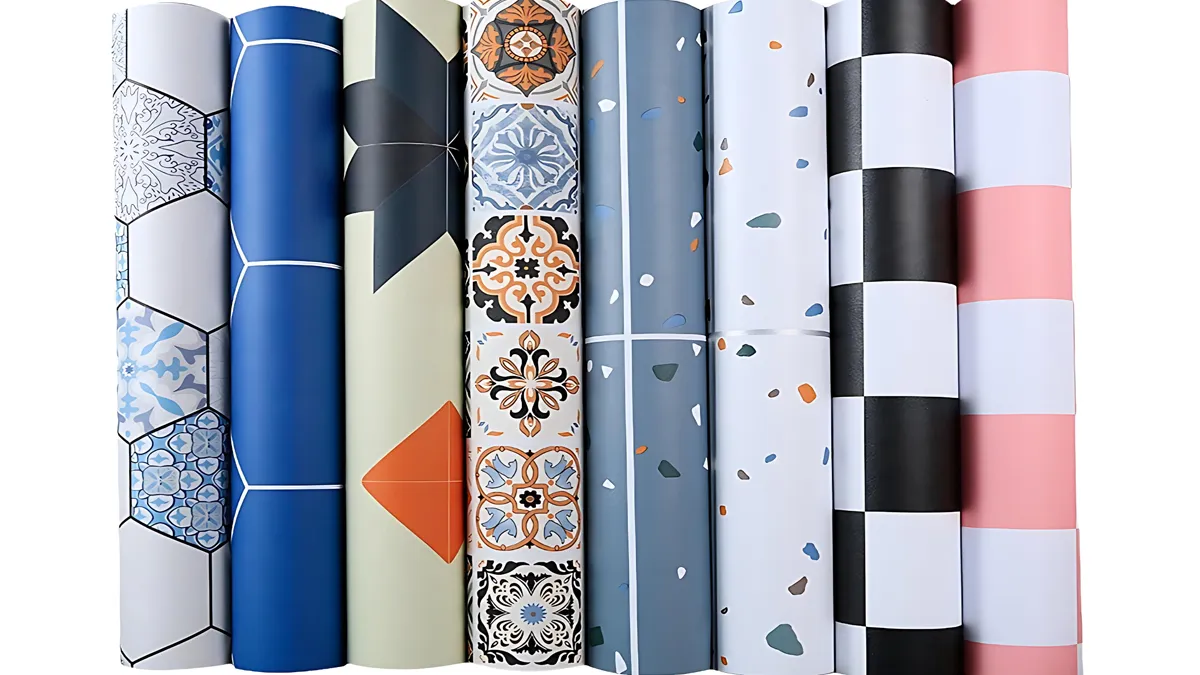
Selecting the right PVC film is not just about picking a pattern you like. Thickness, base film structure, surface finish, adhesive system, and compliance standards all affect how the film performs in real use—whether it’s wrapping cabinet doors, protecting flooring, or adding a premium touch to consumer goods. This guide breaks down the key types of PVC film, how to choose thickness, where each option performs best, and a practical quality checklist you can use before approving mass production.
✔ Quick goal:
Match application → film type → thickness → surface/functional coating → QC tests, so the roll you receive behaves the same on every batch, every line, every shift.
PVC film is a flexible or semi-rigid sheet made from polyvinyl chloride resin plus stabilizers, plasticizers, pigments, and functional additives. In purchasing terms, “PVC film” can mean very different products. Before comparing quotes, clarify the parameters below:
If you’re sourcing for consistent, scalable production, start by reviewing a dedicated calendering option such as
Calendered Film,
then refine based on your end-use, substrate, and process (vacuum pressing, wrapping, lamination, self-adhesive application, etc.).
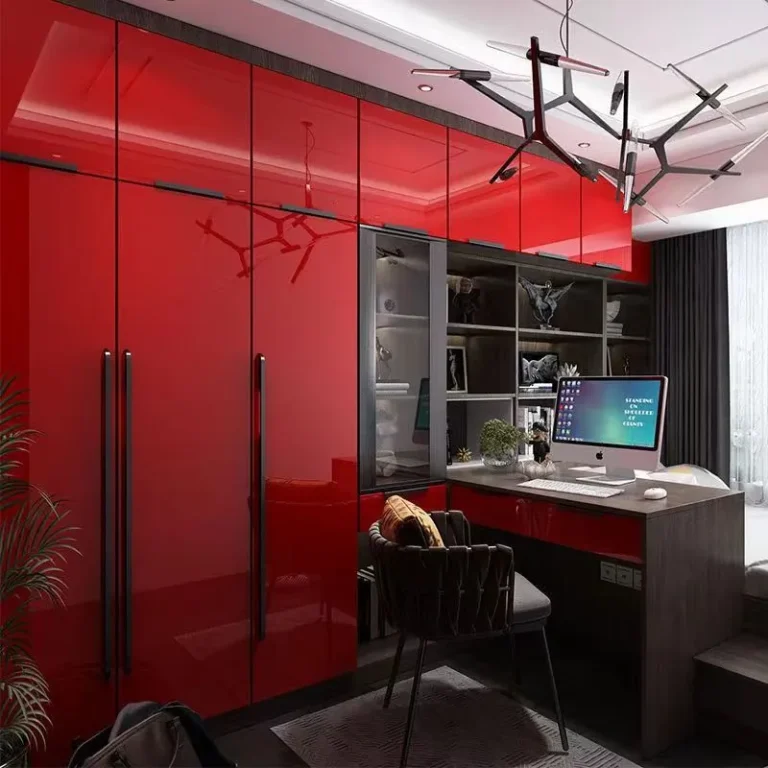
Decorative PVC films are designed to enhance appearance while protecting surfaces. They’re widely used on cabinet doors, wall panels, skirting boards, and furniture components. Selection depends on visual style, scratch resistance expectations, and how the film is applied.
★ Style-to-product mapping:
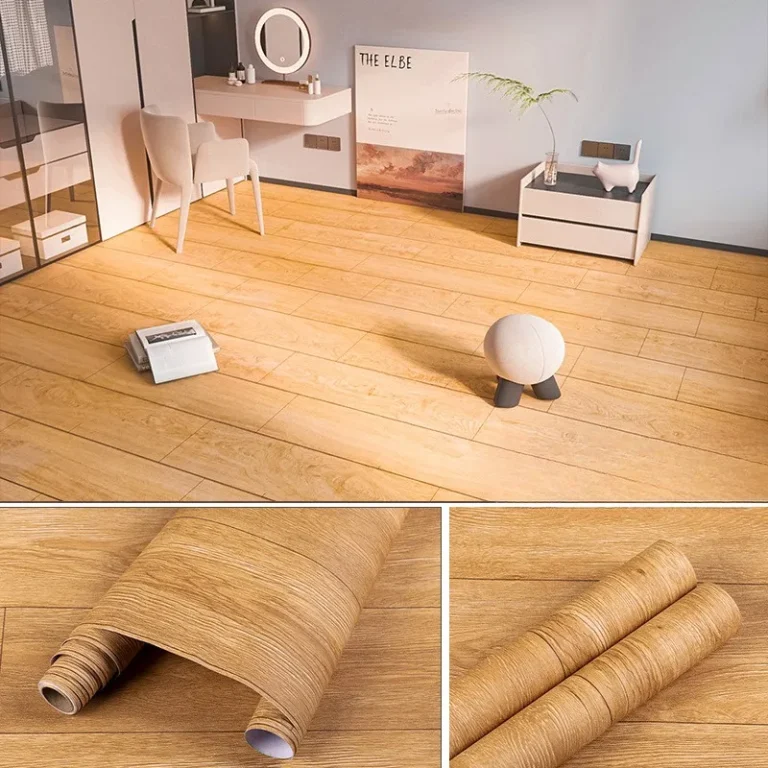
For realistic grain on furniture panels, check
Wood Grain Film.
For stone aesthetics in interior décor, explore
Marble Film.
For modern minimal interiors and mass color matching, consider
Solid Color Wallpaper.
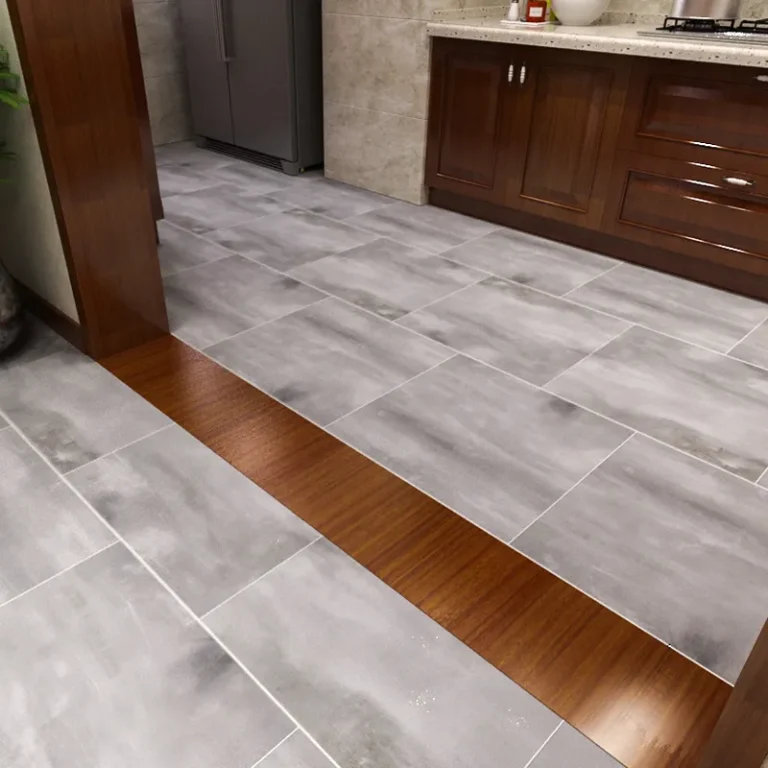
Flooring environments punish materials: abrasion, frequent cleaning, moisture, temperature swings, and rolling loads. Flooring PVC film typically needs better wear resistance and dimensional stability than wall or furniture films.
If you’re evaluating surface layers for flooring systems, start from a category like
Floor Film
and confirm the required wear performance with your flooring construction and test standards.
Skirting boards and trims get frequent impacts from cleaning tools, shoes, and furniture edges. Films for skirting often need good wrapping behavior, stable color, and decent impact tolerance. A specialized option like
PVC Skirting Film
is typically engineered for edge coverage and consistent finishing on long profiles.
Functional PVC films are chosen for performance more than appearance. For example: anti-static films for electronics packaging/assembly zones, anti-fog for humid areas, self-adhesive films for quick renovations, and protective films for logistics and surface protection during processing.
⚑ Buyer tip:
When a supplier says “anti-static” or “anti-fog,” ask for test method, target value, and durability (e.g., after wiping/aging). Functional claims must be measurable.
Thickness influences cost, handling, stiffness, wrapping behavior, and visual depth. Too thin can lead to tearing, print show-through, and poor coverage; too thick can reduce forming ability, increase spring-back, and complicate bonding or vacuum pressing.
Your process matters as much as the application. For vacuum pressing and profile wrapping, you’ll often prefer a thickness that forms smoothly without whitening at corners and without memory spring-back. For flat lamination, you can optimize more toward cost and optical uniformity.
Don’t just ask for “0.18 mm.” Ask for a tolerance and measurement plan. Recommended questions:
Surface finish affects not only appearance but also fingerprints, scratch visibility, and cleaning behavior. A glossy surface can look premium but may show micro-scratches; matte reduces reflections but can be harder to clean if the topcoat isn’t optimized.
⚠ Cleaning reality check:
If the surface will be cleaned with alcohol-based or alkaline cleaners (kitchens, commercial spaces), require chemical resistance test results before final approval.
PVC film performance depends on how it’s bonded to the substrate. “Good film” can fail if the adhesive system is mismatched to MDF, plywood, metal, glass, or painted surfaces.
For flat lamination, prioritize thickness uniformity, low surface defects, stable shrinkage behavior, and topcoat suited to your end-use. Confirm compatibility with your glue (PU, hot melt, solvent-based, water-based) and line settings (temperature, speed, pressure).
Wrapping needs controlled elongation and recovery. Request forming tests on your actual profile geometry (internal corners are the usual failure point). Ask your supplier how they manage plasticizer systems for stable forming without whitening or edge lift.
Self-adhesive PVC film is popular for quick installation and renovation. Key decision points include adhesive tack, repositionability, long-term residue, and moisture/heat resistance. Always validate on the real substrate (powder-coated metal, painted wood, tile glaze, etc.).
Use this checklist to reduce claims, rework, and on-site installation failures. Ideally, combine incoming inspection with pre-production sample approval and retention samples for traceability.
✓ Documentation to request:
MSDS/TDS, compliance statements (REACH/RoHS/FDA if needed), batch traceability rules, and a clear golden sample approval process.
A reliable PVC film supplier is not only a manufacturer but also a process partner—helping you hit stable appearance, stable bonding, and stable delivery. The most practical indicator is whether the supplier can control the full chain: calendering, printing, slitting, packaging, and QC.
If your project includes OEM/ODM patterns, functional coatings, or special packaging requirements, confirm the supplier’s ability to execute consistently—especially for multi-region exports and long-term repeat orders.
Use this repeatable workflow for faster approvals and fewer surprises:
Final reminder:
The “best” PVC film is the one that meets your process window and your customer’s maintenance habits—not the one that looks best under showroom lighting.
For many furniture panel applications, 0.12–0.20 mm works well for flat lamination, while 0.20–0.35 mm is often preferred for profile wrapping or deeper textures. Always confirm with a forming test on your real substrate and geometry.
Choose glossy for stronger visual impact and color depth; choose matte for low-reflection interiors and better scratch hiding. In both cases, prioritize the topcoat’s scratch and chemical resistance for real-world cleaning.
At minimum: thickness/tolerance, adhesion/peel strength, shrinkage or dimensional stability, abrasion/scratch, and chemical resistance. Add UV/light aging if the film will face strong sunlight or bright commercial lighting.
Lighting, substrate color, adhesive layer, and surface texture all affect the final appearance. Use a golden sample approved under defined lighting, and run a small pilot on the real panel/profile before full rollout.
Lock the color standard (physical sample + measurement target), request batch traceability, and confirm the supplier’s color control process (ink/resin lots, printing calibration, and inspection records). For large projects, reserve material or plan production by unified lots.