Address
304 North Cardinal St.
Dorchester Center, MA 02124
Work Hours
Monday to Friday: 7AM - 7PM
Weekend: 10AM - 5PM
Address
304 North Cardinal St.
Dorchester Center, MA 02124
Work Hours
Monday to Friday: 7AM - 7PM
Weekend: 10AM - 5PM


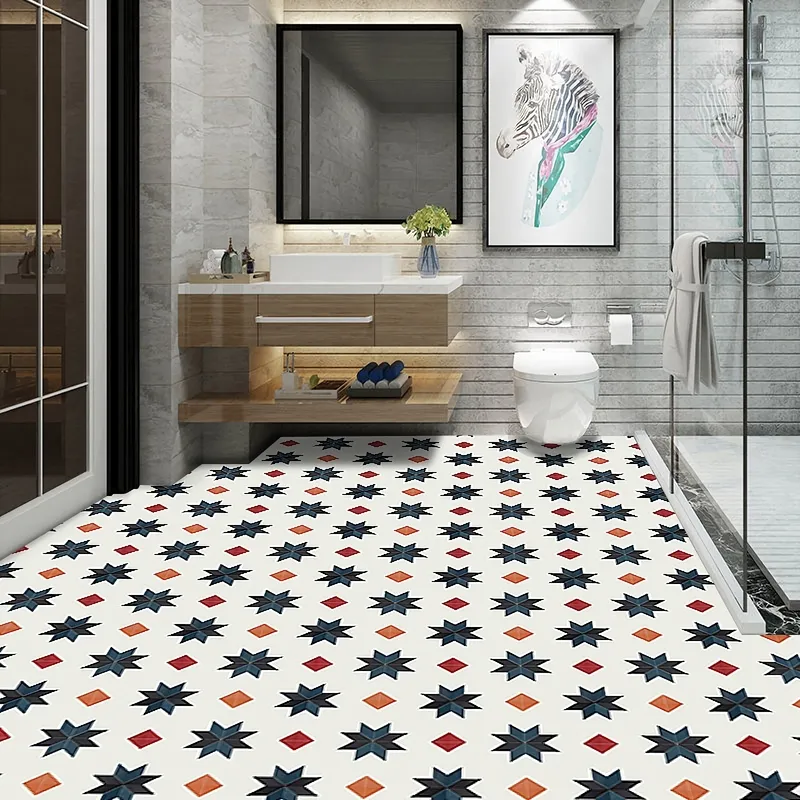
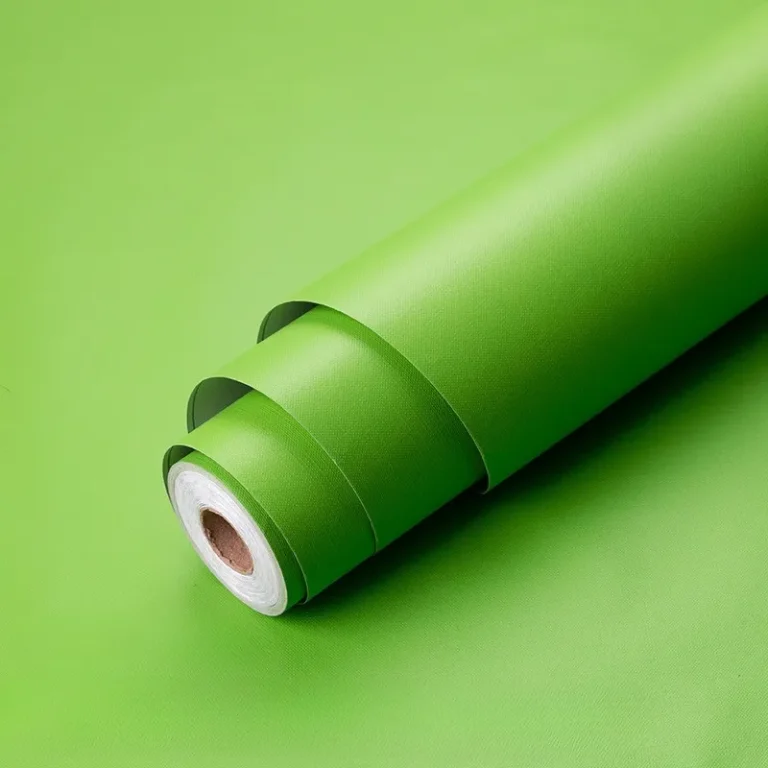
PVC film is everywhere—on furniture panels, doors, wall surfaces, flooring, appliances, and packaging. But one question determines whether a project stays beautiful and functional or starts peeling, yellowing, or cracking: how long will PVC film last? The lifespan of PVC film depends on material formulation, thickness, surface finishing, installation quality, and daily exposure to UV, heat, humidity, chemicals, and abrasion.
In this guide, you’ll learn the average lifespan ranges for common PVC film types, the key factors that shorten or extend durability, and the most practical methods to maximize service life in real-world use cases—especially for interior decoration, furniture, and high-touch surfaces.
PVC film lifespan is best discussed in ranges, because “PVC film” includes many constructions: calendered films, decorative films, self-adhesive films, functional films (anti-static, anti-fog), and multi-layer laminations. Below are realistic expectations for indoor applications when the correct film is chosen and installed properly.
If you’re comparing constructions, calendered film is commonly used because it offers consistent thickness, stable surface quality, and strong suitability for decorative lamination and industrial processing.
When people say “PVC film lasts 5–10 years,” they may mean different things. For practical decision-making, define lifespan using measurable performance indicators:
For interior decorative projects, many users consider the film “expired” once appearance changes—even if it still sticks. For functional protection films, adhesion and barrier performance matter more than aesthetics.
Different PVC films behave differently. A high-quality calendered decorative film tends to show better thickness stability and surface uniformity than lower-grade alternatives. Decorative lines like wood grain, marble, soft-touch, or metallic finishes may include multi-layer structures (print layer + wear layer + topcoat), which can greatly change lifespan.
When selecting film textures for cabinetry, wall panels, or doors, the surface design also affects maintenance. For instance, deeper embossing can hide minor scuffs but may trap grease in kitchens if cleaning is inconsistent.
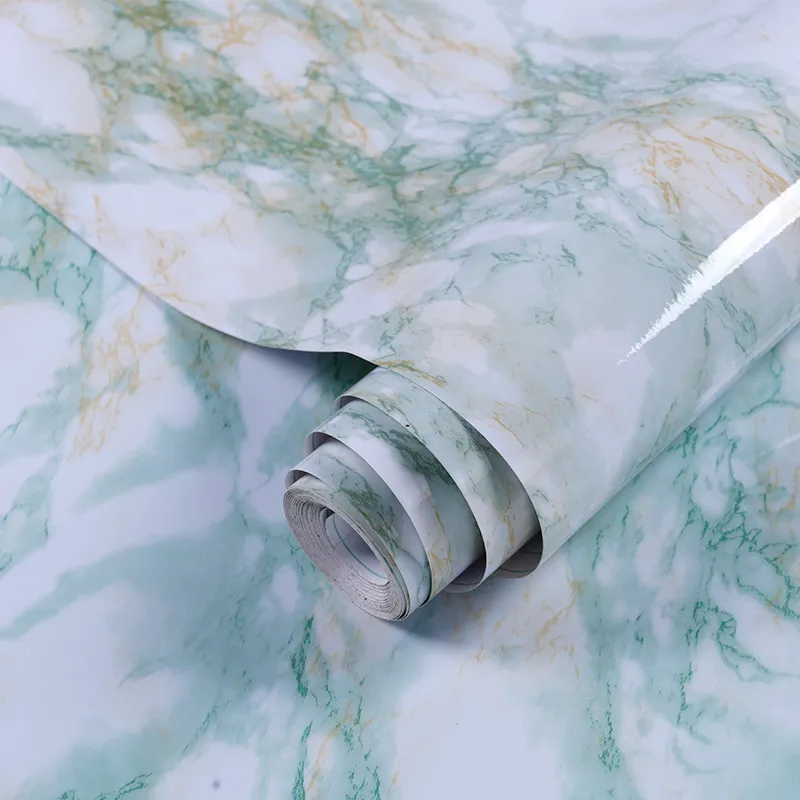
Examples of decorative categories include Wood Grain Film for furniture and cabinetry and Marble Film for wall panels and decorative boards—both widely used because they balance aesthetics with everyday cleanability.
Thickness is not everything, but it matters. Thicker films typically resist abrasion better and provide stronger dimensional stability. However, a thin film with a strong topcoat can outperform a thicker film without protection. The topcoat (or functional coating) influences scratch resistance, stain resistance, and cleaning tolerance.
If the surface will be touched daily (cabinet doors, drawers, counters, commercial panels), prioritize a film with a durable topcoat and verified abrasion performance, not just a heavier gauge.
Sunlight is one of the biggest lifespan reducers. UV breaks down polymers and can alter pigments, causing fading or yellowing. Even indoors, strong window exposure can shorten the service life of decorative PVC films on cabinet sides, wall panels near windows, and display fixtures.
Not all light is equal: direct sun through glass, especially on south- or west-facing windows, can create localized overheating and accelerate aging. If the project must sit in high-light zones, consider UV-resistant formulations or move to less exposed placement (e.g., using more UV-stable surfaces on the sun-facing side).
Heat softens PVC and can weaken adhesives. Thermal cycling—warming in the day and cooling at night—creates expansion and contraction that stresses the bond line. High humidity can also impact certain substrates (like MDF or particle board), leading to swelling that pushes the film and creates bubbles or edge lift.
⚠ Heat-risk zones:
areas near ovens, cooktops, kettles, steamers, water heaters, direct hot air vents, and sun-baked window bays.
Many early failures come from cleaning habits rather than “bad film.” Strong alkaline cleaners, harsh degreasers, acetone, alcohol-heavy solvents, and abrasive powders can dull a gloss topcoat, soften adhesive edges, or stain certain textures. In kitchens, airborne oil mist can slowly build a sticky layer that traps dirt; aggressive scrubbing then accelerates wear.
For kitchens, selecting a surface designed to tolerate oil and frequent cleaning can materially extend lifespan. Products engineered for kitchen splash zones—such as Kitchen Anti-oil Film—are often chosen where routine degreasing is unavoidable.
Even the best PVC film will fail early if installed on dusty, oily, wet, or unstable substrates. Installation quality includes cleaning and drying, correct primer (when needed), correct lamination temperature/pressure, and proper edge finishing. Edges and corners are the first failure points—especially in bathrooms and kitchens.
On cabinet doors, wardrobes, and panels, PVC film can last many years because exposure is mostly indoor and controllable. The biggest risks are hand oils, frequent wiping, and edge impacts. Glossy surfaces show micro-scratches sooner; matte and textured films hide them better but may hold grease in deep embossing.
Wall surfaces are generally low-abrasion, so lifespan is often determined by sunlight and cleaning frequency. Skirting/baseboard areas are more exposed to mops, kicks, and vacuum bumps—choose a film designed for trim and edge durability where possible.
For baseboard and edge zones, consider purpose-built options like PVC skirting film to reduce chipping and edge lifting in high-contact areas.
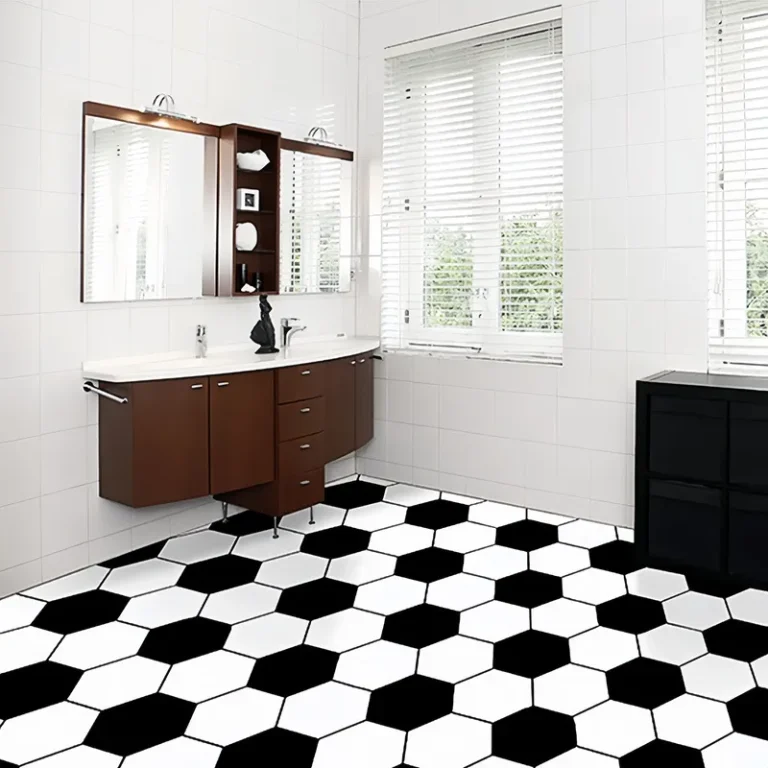
Floors are the toughest environment: grit acts like sandpaper, chair legs create point loads, and frequent wet cleaning adds chemical exposure. If you need decorative or protective solutions for floor surfaces, select products designed for this stress profile, such as Floor Film, and pair them with appropriate maintenance (felt pads, dirt-trapping mats, gentle cleaners).
Bathrooms stress films through humidity, temperature swings, and frequent detergents. The weakest point is usually the edge where water creeps in. A waterproof mindset matters: good edge finishing, ventilation, and avoiding aggressive cleaners can extend lifespan more than changing the film itself.
Start with correct selection. A decorative wall film may look great on a kitchen cabinet, but if it lacks oil resistance or abrasion tolerance, the surface may age fast. Define your real conditions: sunlight hours, cleaning frequency, contact type (hands vs. shoes), and exposure (steam/oil/chemicals).
✓ Decision tip:
If the surface is “decorative-only,” prioritize appearance and UV stability. If it’s “decorative + functional,” prioritize topcoat durability, stain resistance, and easy cleaning.
Small changes can add years. Use curtains/UV films on windows, adjust layout so the most exposed panels use more UV-stable finishes, and avoid placing laminated surfaces directly beside strong heat sources. For commercial spaces, consider rotating displays so the same panel isn’t always sun-facing.
Use a soft cloth, mild soap, and water for routine cleaning. Remove oil build-up early—don’t let grease bake on, because heavy scrubbing later shortens the topcoat life. Avoid scouring pads, abrasive powders, and solvent-based cleaners unless the film is specifically rated for them.
On furniture, handle zones and drawer edges wear faster. In commercial environments, add corner guards or choose deeper textures that hide micro-scratches. On floors, use mats at entrances to capture grit and felt pads under chairs and tables.
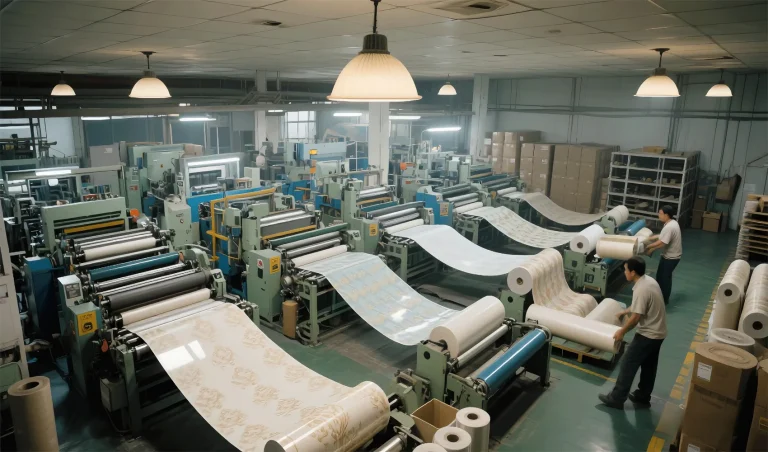
Consistency matters as much as raw durability. Variations in thickness, plasticizer balance, ink systems, or curing can create unpredictable aging. Manufacturers with full-process control—calendering, printing, slitting, and packaging—can reduce variation and improve batch-to-batch stability, which directly supports longer real-world service life.
PVC film can be damaged before it ever reaches the laminator or installer. Poor storage may cause blocking, telescoping rolls, surface imprinting, or adhesive issues (for self-adhesive films). These problems often show up later as bubbles, weak adhesion, or visible defects that users misinterpret as “short lifespan.”
Most common causes: inadequate surface cleaning, insufficient lamination pressure/heat, board swelling from moisture, or cleaner/water intrusion at edges.
What helps: improve substrate sealing, refine lamination parameters, and ensure edges are finished to prevent water ingress.
Most common causes: trapped air, uneven adhesive wet-out, contaminated substrate, or outgassing from boards/adhesives under heat.
What helps: better surface prep, controlled workshop temperature, correct pressure, and allowing boards/adhesives to stabilize before lamination.
Most common causes: UV exposure, heat, and certain chemical cleaners. Some light colors show change sooner.
What helps: reduce UV exposure, choose more UV-stable film systems, and avoid harsh cleaners.
Most common causes: abrasive dust, frequent rubbing with rough cloths, gritty mops, or improper cleaning tools.
What helps: softer cloths, entrance mats, routine dust removal, and selecting a tougher topcoat for high-contact areas.
To maximize durability, align the product specification with the application. Use the checklist below when sourcing decorative or functional PVC film for furniture, building materials, or industrial use.
When projects demand consistent results at scale (furniture factories, building-material lines, long export supply chains), sourcing from a producer with integrated calendering/printing/slitting helps control variability and improves predictable lifespan across batches.
Typically 5–10 years, often longer in low-UV rooms with gentle cleaning. High-touch zones (handles/edges) may show wear sooner.
The biggest drivers are UV exposure, heat, harsh chemicals, and poor installation (dirty substrate, weak edge finishing).
Only if the film is designed for that cleaning profile. In many cases, strong degreasers and solvents can dull the topcoat or weaken edges. Use mild detergent first and test on a hidden area.
Edges fail first due to water/cleaner intrusion, impact, or insufficient bonding. Better substrate prep, correct lamination parameters, and edge sealing usually fix the root cause.
Reduce UV/heat exposure, clean gently and consistently, protect high-wear points (mats/felt pads/guards), and prevent moisture from entering edges—these steps often add years.