Address
304 North Cardinal St.
Dorchester Center, MA 02124
Work Hours
Monday to Friday: 7AM - 7PM
Weekend: 10AM - 5PM
Address
304 North Cardinal St.
Dorchester Center, MA 02124
Work Hours
Monday to Friday: 7AM - 7PM
Weekend: 10AM - 5PM


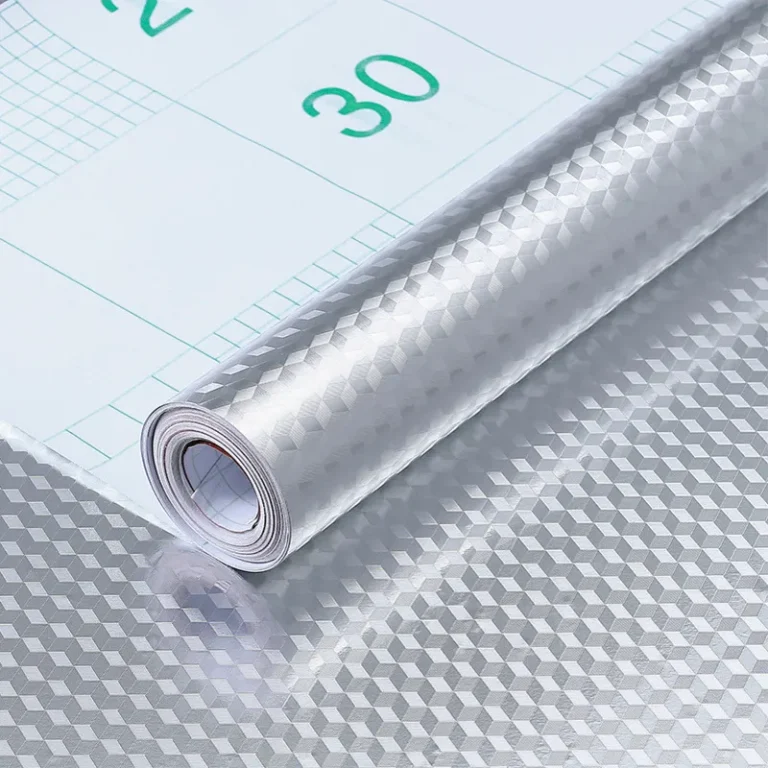
In the world of modern construction, renovation, and even temporary fixes, a versatile and often underappreciated material is making a significant impact: air duct film. This specialized plastic sheeting is designed for a primary, critical purpose—sealing off heating, ventilation, and air conditioning (HVAC) ducts and vents during construction, renovation, painting, or pest control activities. By creating a barrier, it prevents dust, debris, paint overspray, and other contaminants from entering the ductwork, which is crucial for maintaining indoor air quality and protecting the HVAC system’s efficiency and longevity.
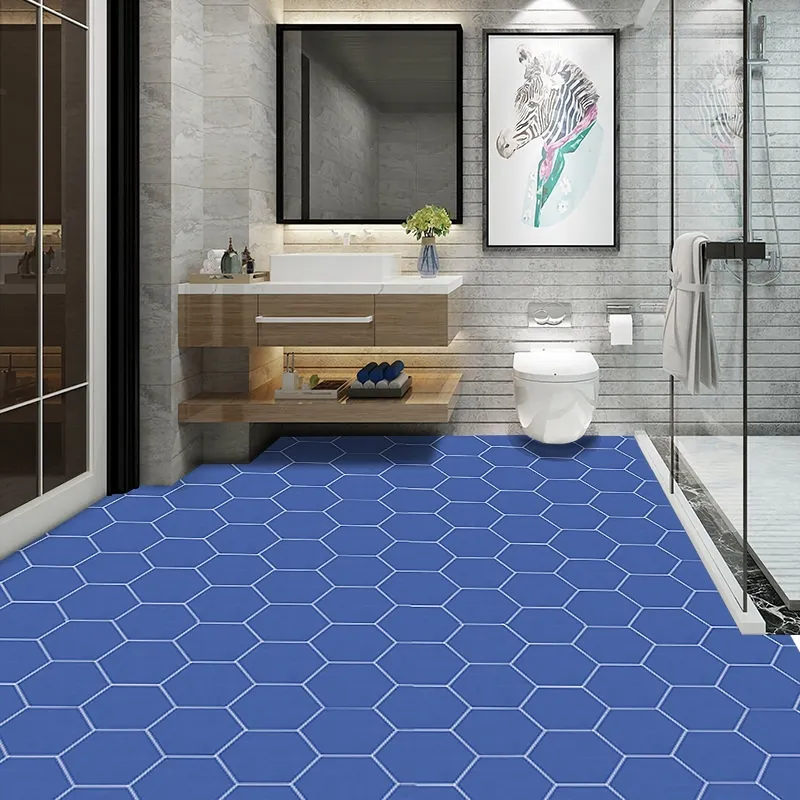
Air duct film is a durable, typically polyethylene-based plastic sheeting. It is engineered to be tough yet lightweight, easy to handle, and simple to install and remove. Unlike regular plastic drop cloths, it often features a low-tack adhesive border or is designed for use with painter’s tape, allowing it to form a secure, airtight seal around vents, registers, and return air grilles without leaving damaging residue on surfaces.
Its development parallels the growing awareness of indoor air quality and the need for precision in construction containment. As building standards have become more stringent, the use of dedicated protective films like this has moved from a best practice to a standard procedure on professional job sites.
The application of air duct film is widespread across several industries and project types. Its core function is containment, but this serves multiple essential purposes.
During construction or whole-house renovations, drywall dust, sawdust, and insulation fibers are pervasive. Sealing all HVAC vents with film is a critical step in the dust containment process. This prevents these fine particulates from being sucked into the duct system, where they can:
Whether spraying or rolling paint, overspray and fumes are a major concern. Air duct film seals vents to prevent paint particles and volatile organic compounds (VOCs) from entering the ducts. This is especially important when using oil-based paints or stains. For related surface protection during such projects, materials like solid color wallpaper or decorative films might be used on walls, but duct film is non-negotiable for the HVAC system.
During pest treatments, particularly tent fumigation for termites, sealing ducts is mandatory to prevent poisonous gases from permeating the ductwork. Specialized, heavier-gauge films are often used for this critical safety application.
Before any demolition work begins, sealing vents is a first step to contain the immense amount of dust generated, protecting the HVAC system from becoming a reservoir for demolition debris.
For closing off unused rooms, vacation homes, or certain areas of a commercial building, sealing the vents can help improve the efficiency of the HVAC system by preventing conditioned air from flowing into unused spaces.
Investing in and correctly applying air duct film offers a high return in protection, health, and cost savings.
An HVAC system is a major investment. Dust and debris accumulation on blower fans, evaporator coils, and within ducts force the system to work harder, increasing energy consumption and leading to premature wear, costly repairs, or early replacement. Duct film acts as a first line of defense.
This is perhaps the most important benefit for health and comfort. Construction dust can contain silica, wood particles, and other allergens. By keeping this out of the ducts, you prevent the system from redistributing pollutants every time it runs, both during the project and for months afterward. This is crucial for households with children, elderly residents, or individuals with allergies or asthma.
Preventing contamination is far easier and cheaper than removing it. Professional duct cleaning after a renovation can be expensive. Using film minimizes the need for post-project cleaning of the ducts, registers, and even the interior of the home, as less dust circulates.
Pre-cut sheets or rolls with adhesive strips make sealing vents a quick task for contractors or DIYers. It provides a visible, verifiable seal that project managers can check off their list, ensuring compliance with dust control protocols. For other protective applications in a home, such as on floors or skirting boards, specialized products like floor film or PVC skirting film serve similar protective roles.
Proper installation is key to achieving an effective seal. Here’s a professional guide to doing it right.
Turn off the HVAC system at the thermostat. This is crucial to prevent the system from turning on and creating suction while you are sealing the vents, which could draw the film into the ductwork or make it impossible to seal properly.
Wipe the wall, ceiling, or floor around the vent cover (register) with a dry cloth to remove dust. A clean surface ensures the tape or adhesive will stick securely.
If using a roll, measure the vent cover and cut a piece of film that extends at least 4-6 inches beyond all edges of the vent. This provides ample material to create a good seal.
For pre-adhesive film: Peel back a few inches of the protective liner from the adhesive border. Position the film over the vent, then slowly press the adhesive border onto the wall while peeling away the rest of the liner. Smooth from the center outward to avoid wrinkles or air bubbles.
For non-adhesive film: Place the film over the vent. Use painter’s tape to create a continuous seal around all edges, taping the film to the wall. Ensure the tape is pressed down firmly along its entire length.
Gently tug at the edges of the film to confirm it is securely attached. The film should be taut and flat against the vent cover. Ensure no gaps exist where air could enter.
Write the room name or number on the film with a marker. This helps avoid accidentally missing a vent during the removal process after the project is complete.
For large return air grilles, you may need to seam multiple sheets together. Overlap the sheets by at least 2 inches and use a continuous piece of painter’s tape along the seam on the wall side to ensure an airtight joint.
Once the work is done and the area is thoroughly cleaned of dust, it’s time to remove the film.
For maintaining other surfaces in your newly renovated space, exploring durable decorative options like wood grain film for furniture or 3D silk texture film for accent walls can add both beauty and protection.
It is not recommended. Duct tape adhesive can degrade, leave a very stubborn residue, and may damage paint or finishes when removed. Painter’s tape with plastic is a better DIY alternative, but purpose-made air duct film with low-tack adhesive is designed for this specific job, offering a cleaner, more reliable seal and easier removal.
High-quality air duct film can remain in place for several weeks to a few months without issue. For extremely long-term projects (over 6 months), check the seal periodically, as environmental factors like temperature changes and humidity can potentially weaken the adhesive over time.
Yes, absolutely. To create an effective containment barrier and prevent the HVAC system from drawing in contaminants, every supply register and return air grille must be sealed. Missing even one can compromise the entire effort.
Generally, no. Once removed, the adhesive is typically compromised, and the film may have collected dust or been stretched. It is designed as a single-use product for a specific project to guarantee performance.
It is available at most major home improvement stores, online retailers, and through specialty construction supply companies. For professionals, it is often purchased in bulk rolls. For related protective and decorative film needs, you can explore a wider range of solutions on our product page.