Address
304 North Cardinal St.
Dorchester Center, MA 02124
Work Hours
Monday to Friday: 7AM - 7PM
Weekend: 10AM - 5PM
Address
304 North Cardinal St.
Dorchester Center, MA 02124
Work Hours
Monday to Friday: 7AM - 7PM
Weekend: 10AM - 5PM


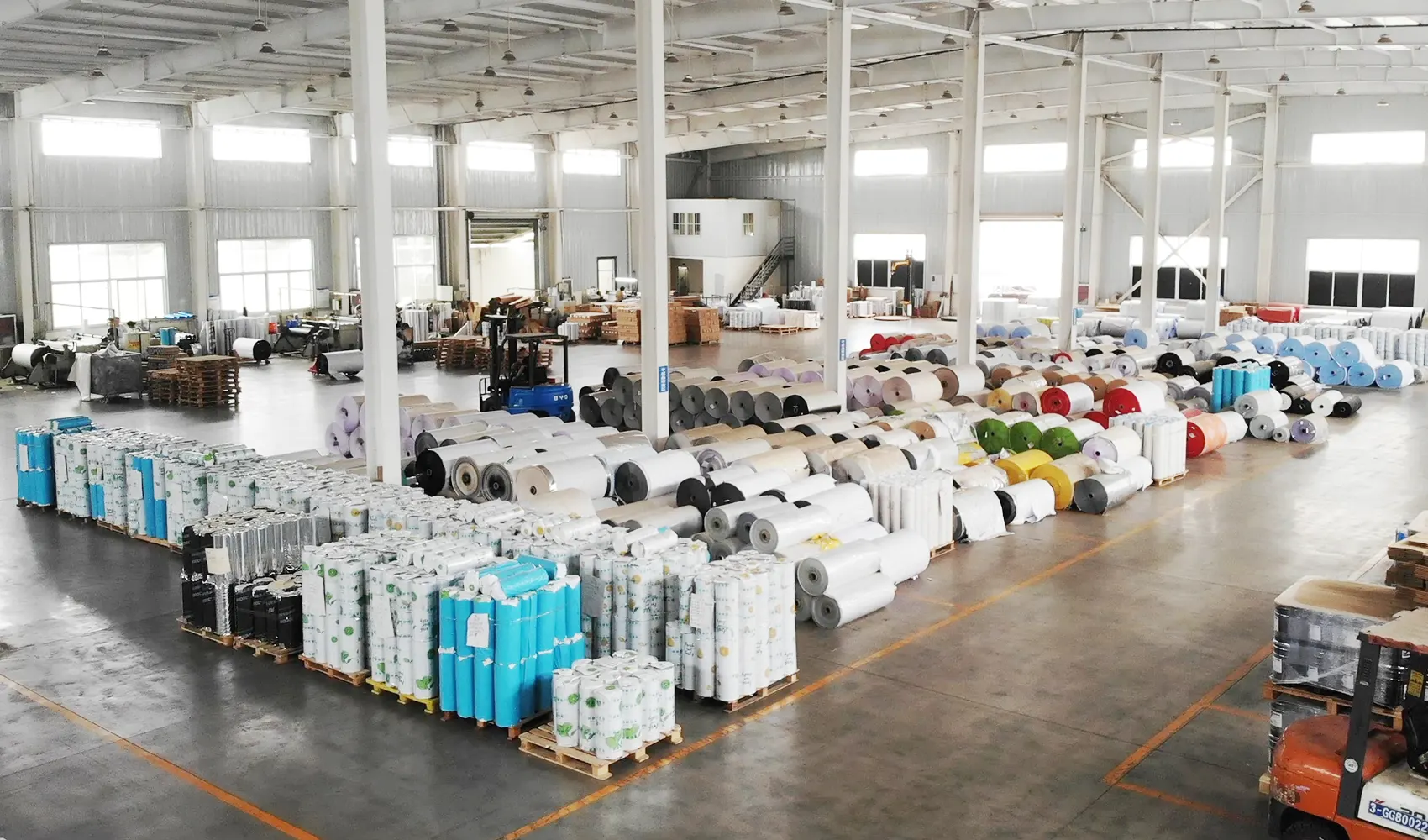
In the vast world of modern materials, PVC calendered film stands out as a versatile and indispensable component across numerous industries. From the sleek finish on your kitchen cabinets to the durable surface of a commercial floor, this material is often the unseen hero behind both aesthetic appeal and functional performance. But what exactly is it, and why has it become so prevalent?
PVC, or Polyvinyl Chloride, is a synthetic polymer known for its durability, flexibility, and chemical resistance. Calendering is the specific manufacturing process that transforms PVC resin into thin, continuous sheets or films. This process involves feeding a heated, plasticized PVC compound through a series of precision-engineered rollers. These rollers apply intense pressure and heat, gradually thinning the material to the desired thickness and imparting a smooth, consistent surface finish. The result is PVC calendered film – a uniform, high-quality sheet material available in a vast array of colors, textures, and functional properties.
Uniform Thickness: The calendering process ensures exceptional consistency across the entire roll, which is critical for automated production lines and seamless application.
Excellent Surface Quality: Films emerge with a controlled finish, which can be glossy, matte, or textured directly during production.
High Density & Durability: The compression creates a dense, tough film with good tensile strength and tear resistance.
Cost-Effectiveness: For large-volume production, calendering is an efficient and economical method compared to other film-making processes like extrusion casting.
The true power of PVC calendered film lies in its adaptability. Manufacturers can modify the formula and process to create films tailored for specific needs. Here are the main categories:
Glossy/Mirror Finish Film: Provides a high-shine, reflective surface popular in modern furniture and automotive interiors for a sleek, clean look. Explore options like glossy wardrobe film for cabinetry.
Matte/Soft-Touch Film: Offers a non-reflective, smooth surface that resists fingerprints and scratches, ideal for electronic device casings and premium furniture.
Textured Films: This includes a wide range such as wood grain, leather, stone (like marble film), cloth, and 3D silk texture film. These films replicate natural materials at a fraction of the cost and weight.
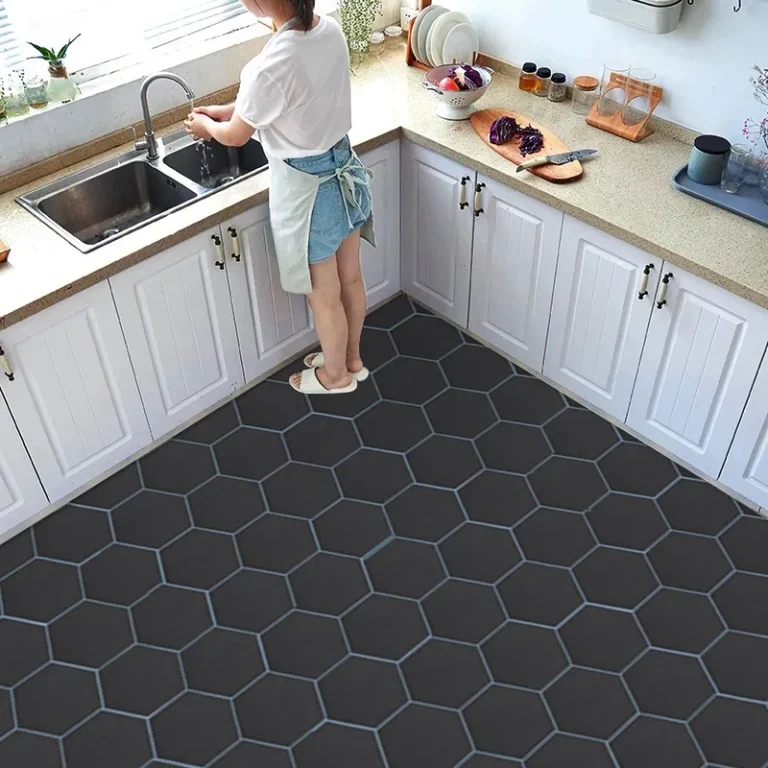
Flooring Films: Designed for high traffic and abrasion resistance. Used in vinyl kitchen flooring and commercial spaces. Specialized floor film provides the wear layer in luxury vinyl tiles (LVT).
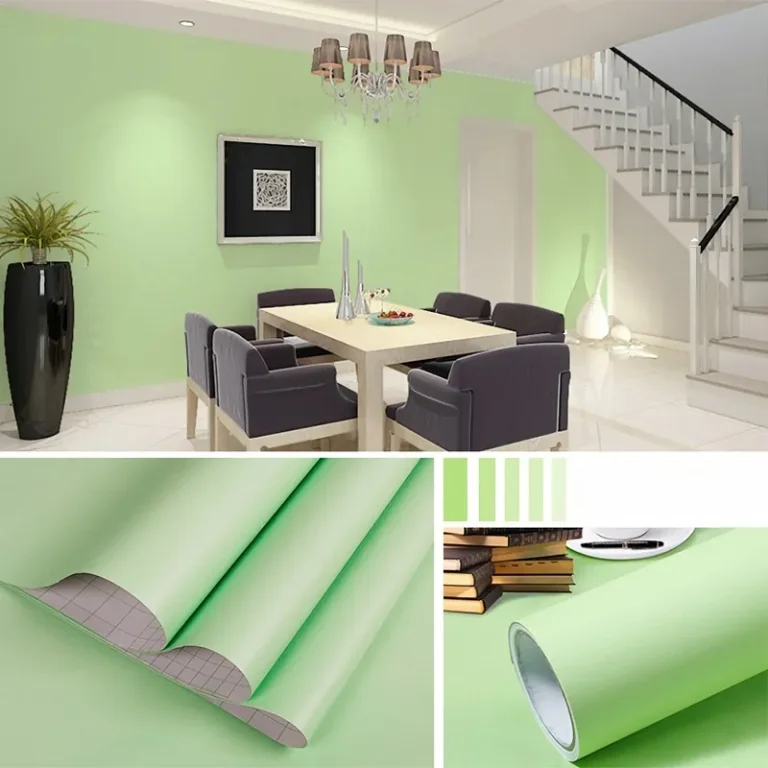
Adhesive Films (Self-Adhesive): Come with a pressure-sensitive adhesive backing for easy application to surfaces like walls, skirting boards (PVC skirting film), or furniture.
Protective & Functional Films: Includes anti-static films for electronics packaging, anti-fog films, and specialized barrier films like kitchen anti-oil film.
Transparent/Clear Film: Used in packaging, window decals, and protective overlays.
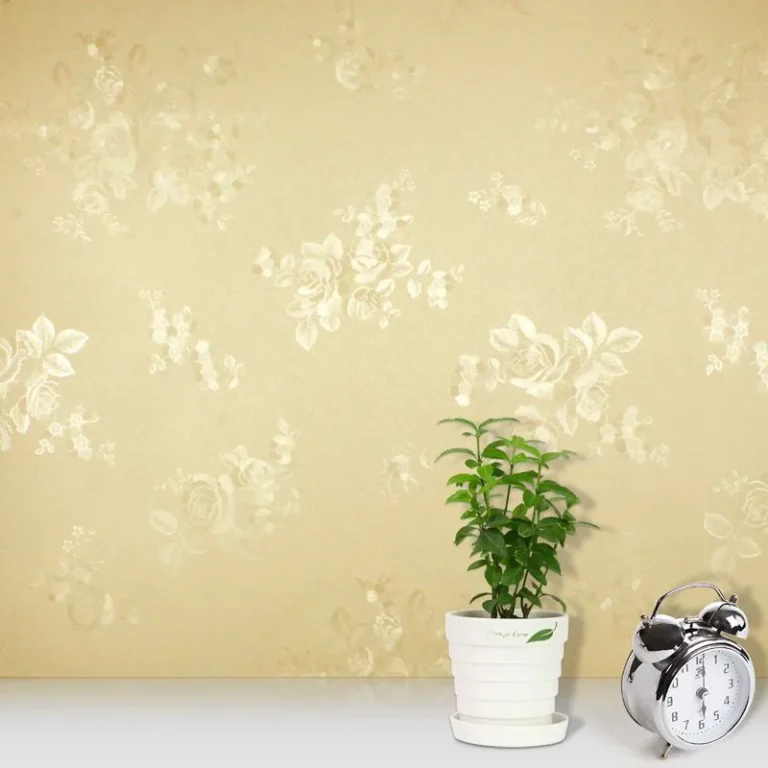
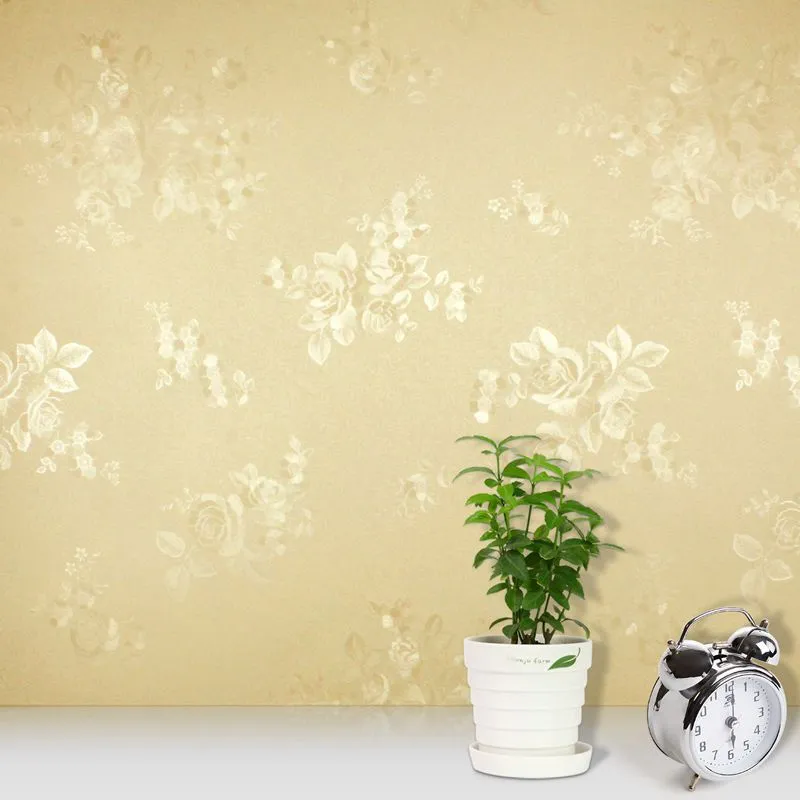
Opaque Film: Includes solid colors and heavily printed patterns, such as solid color wallpaper, used for complete surface coverage and decoration.
PVC calendered film’s versatility translates into applications across nearly every sector of manufacturing and construction.
This is one of the largest application areas. Films are laminated onto particleboard, MDF, or plywood to create finished panels for kitchen cabinets, wardrobes, office furniture, and shelving. It provides a durable, easy-to-clean surface in any color or woodgrain pattern, eliminating the need for painting or veneering.
Beyond furniture, these films are used as wall coverings, ceiling panels, and door skins. They offer a quick and affordable way to renovate spaces. Textured films can create feature walls, while bathroom floor stickers (often made from calendered film) allow for easy bathroom updates.
Used for interior trim components, dashboard covers, and door panels. The film’s ability to be formed into complex shapes (post-forming) makes it perfect for the contoured surfaces inside vehicles.
Clear calendered film is used for blister packs and clamshell packaging. Printed opaque films are used for labels, book covers, and promotional materials. Its dimensional stability ensures print quality remains consistent.
This includes membrane switch overlays for control panels, cleanroom wall coverings in medical facilities, and protective layers in electronic devices. Anti-static films are crucial in protecting sensitive electronic components during shipping and handling.
The widespread adoption of PVC calendered film is driven by a compelling set of advantages:
✔ Design Flexibility & Aesthetics: The virtually unlimited range of colors, patterns, and textures allows designers to achieve any look, from authentic natural replications to bold, modern solid colors, without the constraints of natural materials.
✔ Durability & Performance: These films are resistant to moisture, chemicals, abrasion, and impact. They do not warp, crack, or rot like wood, and are easy to clean and maintain, making them ideal for high-traffic or humid environments like kitchens and bathrooms.
✔ Cost Efficiency: They provide the appearance of expensive materials like solid wood, stone, or painted finishes at a significantly lower material and installation cost. The production efficiency of calendering also keeps raw material costs competitive.
✔ Lightweight & Easy to Process: The films are light, which reduces shipping costs and makes handling easier. They can be easily cut, laminated, and, in many cases, post-formed using standard woodworking and industrial equipment.
✔ Consistency & Quality: The industrial calendering process guarantees batch-to-batch consistency in color, thickness, and finish, which is paramount for large-scale manufacturing projects where uniformity is critical.
Modern PVC calendered films address historical concerns through advanced formulations. Reputable manufacturers now produce films that are phthalate-free and use heavy-metal-free stabilizers. Many comply with international standards like REACH, RoHS, and have low VOC emissions, making them safe for indoor use. Furthermore, PVC is a durable material with a long lifespan, and it is technically recyclable, contributing to waste reduction when proper end-of-life systems are in place.
Q1: What is the main difference between calendered PVC film and extruded PVC film?
A: The core difference is the manufacturing process. Calendered film is pressed and smoothed by rollers, resulting in a denser, more dimensionally stable film with superior surface quality, ideal for decorative laminates. Extruded film is pushed through a die, which can be faster for very thin films but may have slightly less thickness uniformity. Calendered film is generally preferred for high-quality surface applications.
Q2: Can PVC calendered film be used outdoors?
A: Standard interior-grade films are not recommended for prolonged, direct outdoor exposure as UV radiation can cause fading and embrittlement. However, specially formulated films with UV stabilizers and weather-resistant coatings are available for outdoor signage, certain automotive exterior trims, and other exterior applications.
Q3: How is the film applied to surfaces like furniture?
A: The most common industrial method is lamination. The film is bonded to a substrate (like MDF) using heat, pressure, and adhesive in a large press. For DIY or smaller projects, self-adhesive (pressure-sensitive) films are available, which can be applied by peeling off a backing and smoothing the film onto a clean, prepared surface.
Q4: Is it possible to get custom colors or patterns?
A: Absolutely. One of the key strengths of working with a proficient manufacturer is OEM/ODM customization. Companies can match specific Pantone colors, create proprietary patterns, adjust film thickness, and apply functional coatings (anti-scratch, anti-fingerprint) based on a client’s exact specifications for their project.
Q5: How do I choose the right type of PVC calendered film for my project?
A: Selection depends on the application’s requirements. Key factors include: the required durability (abrasion resistance for floors vs. decorative use for walls), the desired aesthetic (gloss level, texture), the substrate it will be applied to, any functional needs (fire rating, chemical resistance), and the installation method (industrial lamination vs. self-adhesive). Consulting with a technical specialist from a film supplier is the best way to ensure the correct product is specified.