Address
304 North Cardinal St.
Dorchester Center, MA 02124
Work Hours
Monday to Friday: 7AM - 7PM
Weekend: 10AM - 5PM
Address
304 North Cardinal St.
Dorchester Center, MA 02124
Work Hours
Monday to Friday: 7AM - 7PM
Weekend: 10AM - 5PM


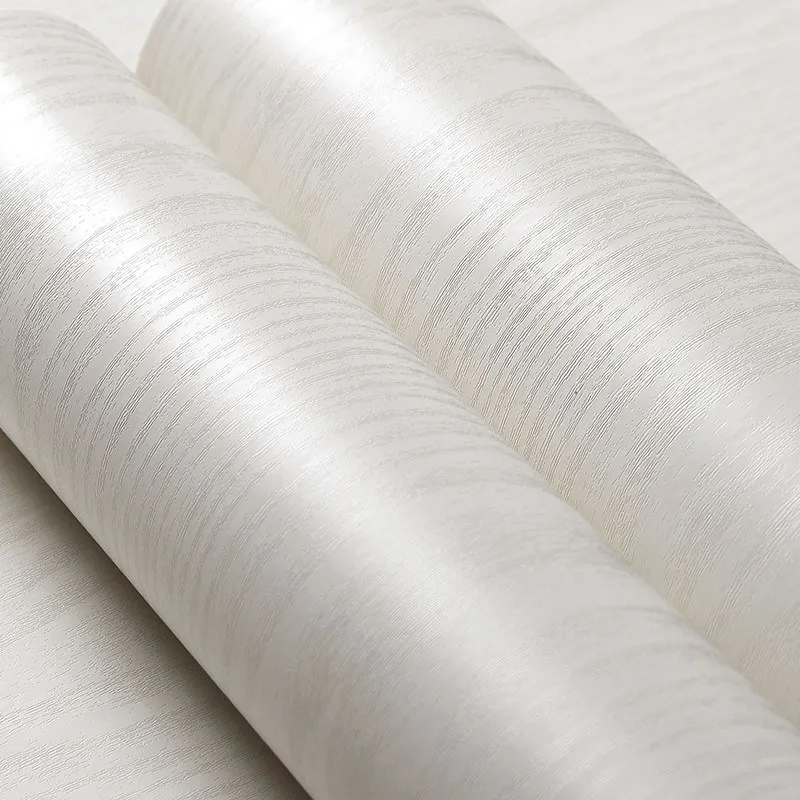
In the vast world of materials, PVC transparent film stands out for its versatility, clarity, and protective qualities. This clear, flexible sheet made from polyvinyl chloride is more than just packaging; it’s a critical component in industries ranging from construction and furniture to electronics and healthcare. Its ability to combine visibility with durability makes it an indispensable solution for countless applications.

PVC transparent film is manufactured through processes like calendering, where PVC resin and additives are melted and formed into thin, uniform sheets. The key to its transparency lies in the purity of the formulation and the precision of the production process. Unlike colored or opaque films, the transparent variant allows for clear visibility of the protected or packaged item, which is crucial for quality control, retail presentation, and safety applications.
Clarity & Gloss: Offers excellent optical properties for unobstructed viewing.
Flexibility & Strength: Maintains integrity under stress, resisting tears and punctures.
Chemical Resistance: Provides a barrier against moisture, grease, and many chemicals.
Printability & Adhesion: Surfaces can be easily printed on or laminated for branding and information.
The utility of PVC transparent film spans across multiple sectors, each leveraging its protective and aesthetic qualities.
In manufacturing and logistics, PVC transparent film is used to wrap and protect products. It shields items from dust, moisture, and scratches during storage and transit while allowing for easy identification without unwrapping. This is vital for parts inventory, electronic components, and finished goods.
For consumer goods, clarity sells. The film is used for blister packs, clamshell packaging, and box overwraps, allowing customers to inspect the product—from tools and hardware to cosmetics and stationery—while keeping it sealed and secure.
In buildings, it serves as a temporary protective layer for surfaces like flooring, countertops, windows, and fixtures during construction or renovation. Its clarity ensures workers can see the surface beneath for alignment and inspection while guarding against paint, debris, and damage.
Specialized medical-grade transparent PVC film is used for sterile barrier packaging of medical devices, in cleanrooms, and for protective covers on equipment. Its compatibility with sterilization processes makes it crucial for maintaining hygiene.
The film acts as a durable, clear overlay for printed graphics, maps, menus, and identification cards, providing protection from handling, UV fading, and moisture. It’s also used in the lamination of documents and photographs.
Not all clear films are the same. Variations in thickness, treatment, and additives create types suited for specific tasks.
The most common type, offering general-purpose protection and clarity for packaging and surface coverings. It balances cost and performance for everyday use.
Infused with additives to dissipate electrical charge, this type is essential for packaging sensitive electronic components, circuit boards, and devices to prevent damage from electrostatic discharge (ESD).
Contains inhibitors to resist yellowing and embrittlement caused by prolonged exposure to sunlight. Ideal for outdoor applications, window coverings, or protecting items in sunlit warehouses.
Manufactured with compliant materials and additives safe for indirect or direct food contact. Used in food packaging applications where product visibility is required.
Engineered for premium applications where maximum transparency and minimal optical distortion are critical, such as high-end retail packaging or protective covers for displays.
Features a pressure-sensitive adhesive backing, turning it into a protective, clear layer that can be applied directly to surfaces like screens, nameplates, or control panels.
Off-the-shelf films don’t always fit unique challenges. This is where custom-engineered PVC transparent film solutions become invaluable. Manufacturers like Pulivk Film offer extensive OEM/ODM services to tailor the film to exact needs.
Thickness & Gauge: Ranging from ultra-thin films for lightweight packaging to thicker, more rigid sheets for durable protection.
Width & Roll Dimensions: Slit to specific widths and wound onto cores of various sizes to fit customer machinery, from small dispensers to large industrial rollers.
Surface Treatment & Coating: Custom coatings can be applied for specific functionalities. This includes anti-fog coatings for films used in refrigerated displays, or matte finishes to reduce glare on protected surfaces.
Printing & Branding: Company logos, handling instructions, or safety warnings can be directly printed onto the film, adding value and communication.
Packaging & Presentation: Films can be supplied in specific roll counts per box, with custom interleaving, or with easy-open tabs for improved usability on the production floor.
This level of customization ensures the film integrates seamlessly into a client’s existing processes, enhancing efficiency and effectiveness. For instance, a custom-sized protective film for a specific furniture component can reduce waste and application time significantly.
Optimized Performance: The film is designed to meet precise technical requirements for adhesion, tensile strength, or chemical resistance.
Cost Efficiency: Eliminates the waste associated with trimming down standard-sized rolls, leading to better material yield.
Supply Chain Reliability: Working with a manufacturer that controls the full production process—from calendering to slitting—ensures consistent quality and more reliable lead times.
Innovation Support: Expert manufacturers can collaborate on developing new film solutions for emerging applications, providing technical support and material science expertise.
Selecting a supplier for PVC transparent film, especially for custom needs, requires careful evaluation. Key considerations should include the supplier’s manufacturing capabilities, quality control systems, and commitment to compliance. A reliable partner will have robust processes in place, often certified under standards like ISO 9001, and will provide material safety data sheets (MSDS) and compliance certificates (e.g., REACH, RoHS, FDA for relevant grades).
Furthermore, a supplier with a broad portfolio, including decorative films, demonstrates deep material knowledge that can inform the development of better transparent film solutions. Their experience across industries is a significant advantage.
While PP (polypropylene) and PET (polyester) films offer clarity, PVC film generally provides better flexibility, cling, and tear resistance at a given thickness. It also accepts printing and adhesive layers more readily. The choice depends on the specific need for rigidity, chemical resistance, cost, and application method.
Recyclability can be complex and depends on local facilities. Pure PVC film is technically recyclable, but in practice, it often requires separation from other plastics. Some manufacturers offer films with reduced environmental impact. It’s best to consult with your supplier about the specific formulation and end-of-life options.
The required thickness depends on the level of protection needed and the stresses the film will endure. For light dust protection of stationary items, a thin film (e.g., 50-100 microns) may suffice. For protecting surfaces during construction or heavy item packaging, a thicker, more durable film (150-300+ microns) is necessary. Your supplier can recommend based on your use case.
Only films specifically formulated and certified as food-grade should be used for direct or indirect food contact. Standard industrial PVC films may contain plasticizers or additives not approved for food safety. Always specify your application to the supplier and request the relevant compliance documentation.
To get an accurate quote and sample, provide key details: desired thickness, width and roll length, core size, primary application (e.g., surface protection, packaging), any required performance properties (anti-static, UV resistance), and estimated annual usage volume. Clear specifications help the manufacturer propose the optimal solution.