Address
304 North Cardinal St.
Dorchester Center, MA 02124
Work Hours
Monday to Friday: 7AM - 7PM
Weekend: 10AM - 5PM
Address
304 North Cardinal St.
Dorchester Center, MA 02124
Work Hours
Monday to Friday: 7AM - 7PM
Weekend: 10AM - 5PM


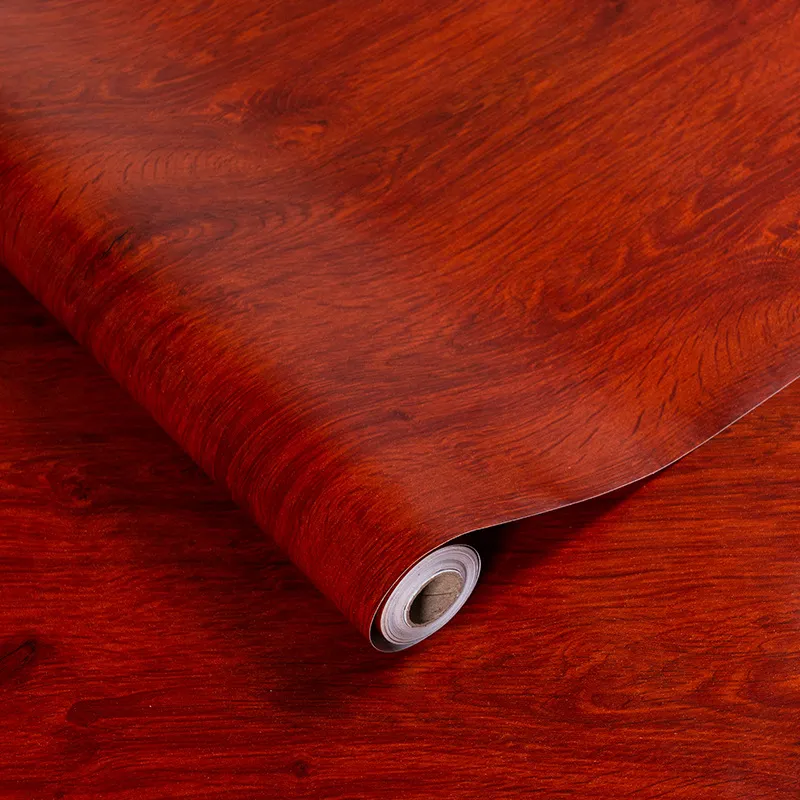
PVC films and sheets are versatile, durable, and cost-effective materials that have revolutionized numerous industries, from furniture manufacturing to interior design and industrial packaging. Understanding the different types, their specific applications, and key purchasing considerations is essential for selecting the right material for your project. This guide provides a comprehensive overview to help you navigate the world of PVC films.
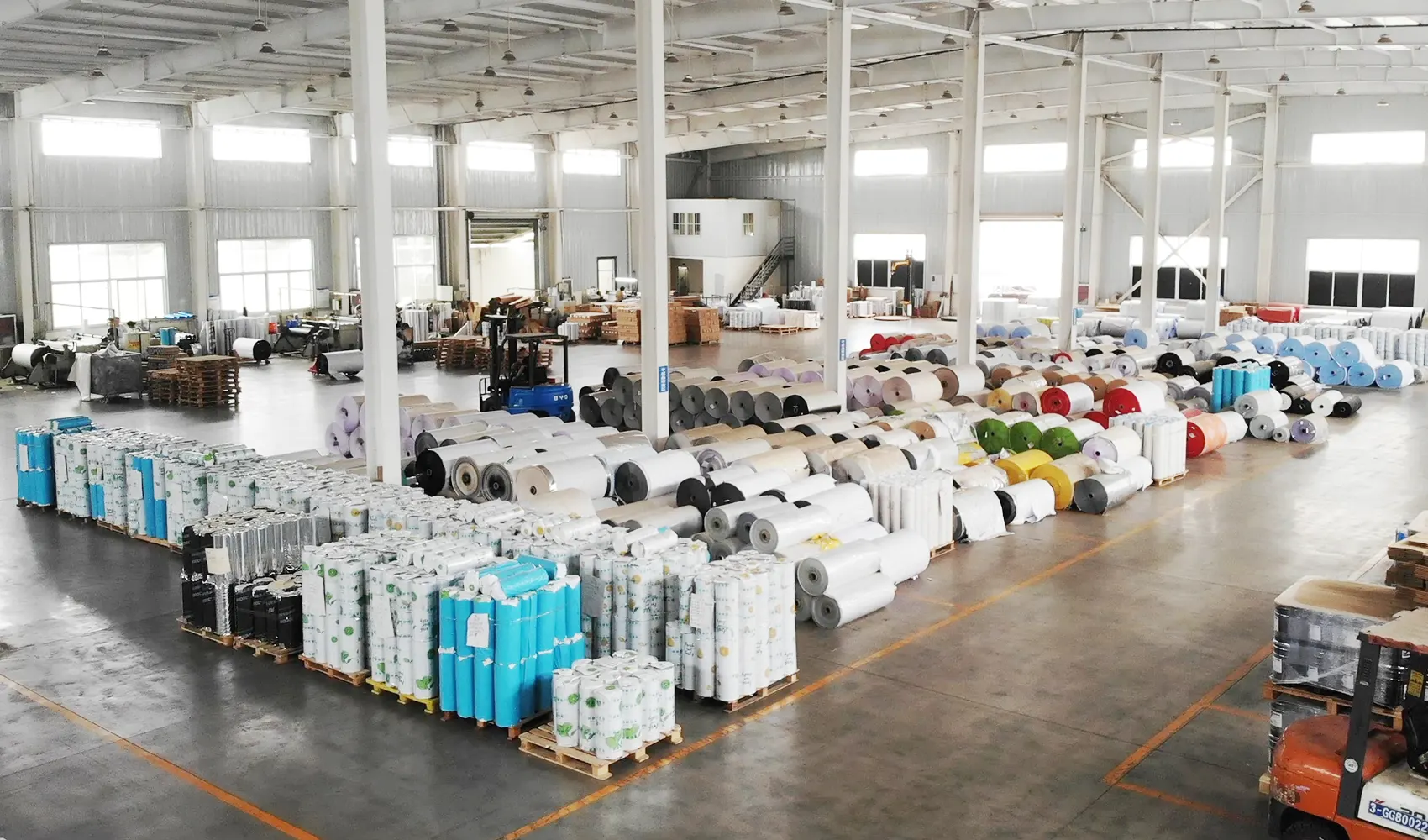
Polyvinyl Chloride (PVC) is a synthetic plastic polymer known for its durability, chemical resistance, and adaptability. When processed into thin films or thicker sheets, it becomes a material that can be printed, embossed, laminated, and treated to achieve a vast array of functional and aesthetic properties. Its inherent strength and flexibility make it suitable for both protective and decorative roles.
Key Takeaway: The core advantage of PVC lies in its formulation versatility. By adding plasticizers, stabilizers, pigments, and other additives, manufacturers can produce films that are rigid or flexible, transparent or opaque, glossy or matte, and endowed with specific features like UV resistance or anti-static properties.
The market offers a diverse range of PVC films, each engineered for specific purposes. Here’s a breakdown of the most common categories:
This is one of the most common production methods. Calendering involves passing heated PVC compound through a series of heavy rollers to form a continuous sheet of precise thickness. Calendered films are known for their excellent surface finish, consistency, and high volume production capability. They serve as the base for many decorative and industrial films.
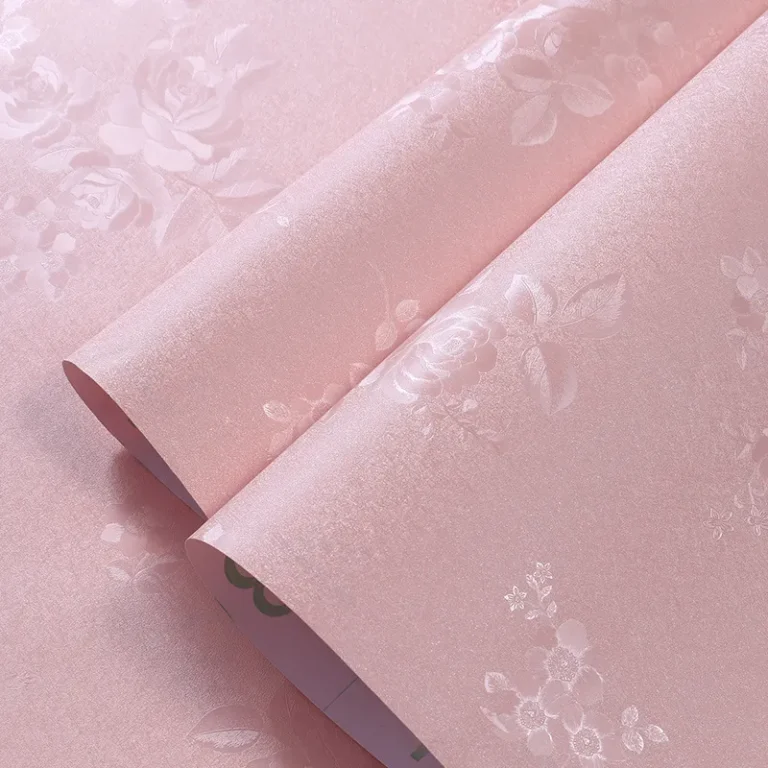
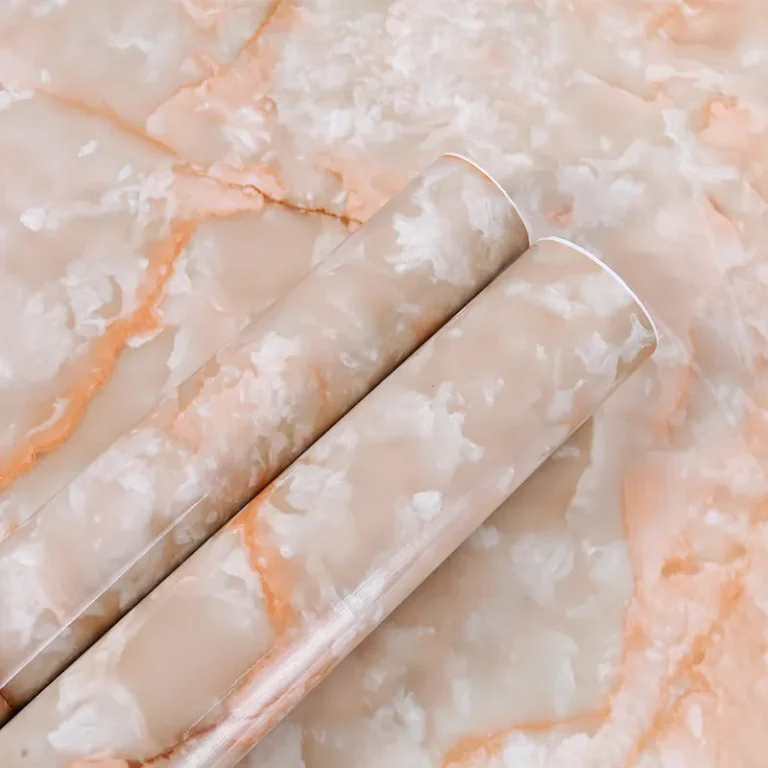
These films are designed to enhance aesthetics. They are often printed with patterns or given textured surfaces through embossing. Common types include:
These films prioritize performance characteristics over appearance.
The utility of PVC films spans commercial, industrial, and residential sectors.
PVC films are a cornerstone of modern furniture manufacturing. They are laminated onto particleboard or MDF to create durable, moisture-resistant, and visually appealing surfaces for kitchen cabinets, office furniture, wardrobes, and shelving. This process, known as foil wrapping, is more efficient and offers more design consistency than traditional painting or veneering.
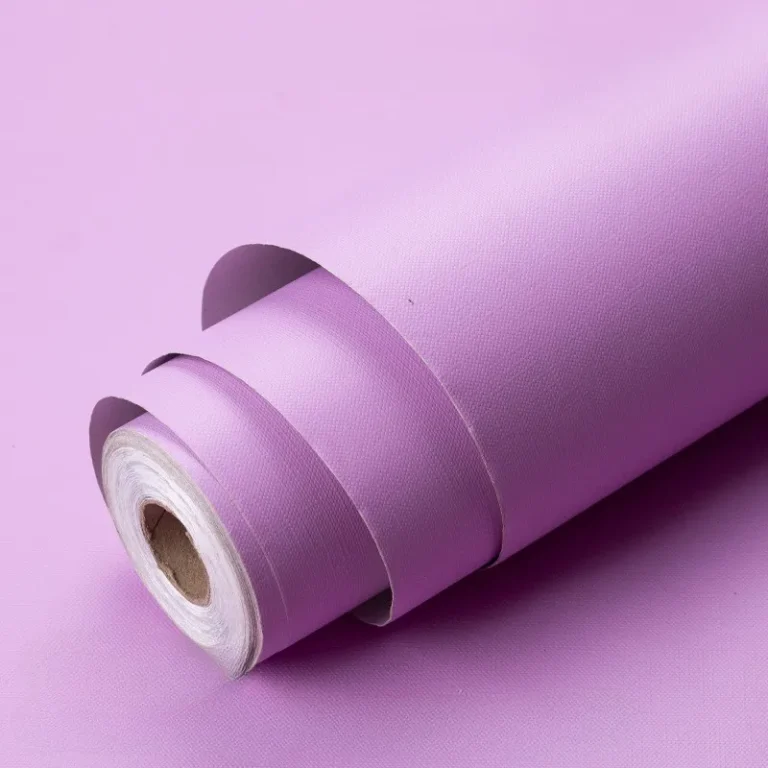
In construction and renovation, PVC films provide cost-effective solutions for wall cladding, ceiling panels, column wrapping, and door skins. They enable quick makeovers without the mess of wet trades. Specialized films like PVC skirting film allow for color-coordinated trim, while solid color wallpaper offers a durable alternative to traditional paper wallpaper.
PVC films are ideal for point-of-sale displays, exhibition stands, lightbox graphics, and vehicle wraps. Their printability and durability make them perfect for high-impact visual communication.
Selecting the right PVC film requires careful consideration of several technical and commercial factors.
Thickness, measured in microns (µm) or mils, directly impacts durability, flexibility, and cost. Thinner films (80-150µm) are suitable for lightweight packaging or temporary surfaces. Thicker films (200-500µm) are used for heavy-duty furniture laminates or floor protection.
Determine the required aesthetic and functional surface:
Gloss (high reflectivity), Matte (low reflectivity), Embossed (textured), or Coated (e.g., anti-scratch, anti-fingerprint, or kitchen anti-oil properties).
For self-adhesive films, the adhesive formulation is crucial. Consider permanent, removable, or repositionable adhesives based on whether the application is long-term or temporary.
Evaluate the film’s resistance to:
UV Light (for outdoor use),
Chemicals (for kitchen or lab use),
Abrasion, and
Temperature.
Fire-retardant ratings (Class B, Class A) are essential for commercial and public spaces.
Ensure the film complies with relevant safety and environmental standards for your region and application. Key certifications to look for include:
REACH/RoHS (restriction of hazardous substances),
ISO 9001 (quality management),
CARB/EPA (low formaldehyde emissions for indoor air quality),
FDA (for food-contact applications).
Partnering with an experienced manufacturer like Pulivk Film provides significant advantages beyond just product supply. With full in-house control over the calendering, printing, and slitting processes, they ensure consistent quality from raw material to finished roll. This vertical integration allows for stringent quality control at every stage, better cost management, and greater flexibility in OEM/ODM customization.
Whether you need a specific shade to match a brand color, a unique texture, or a functional coating like anti-static, a capable manufacturer can tailor the film to your exact specifications. Their global export experience also means they understand the logistics, documentation, and packaging standards required for international shipments, ensuring your products arrive in perfect condition. For more insights and product details, visit their knowledge base.
PVC films are a transformative material offering an unparalleled blend of aesthetics, durability, and functionality. From creating realistic wood and stone finishes to protecting sensitive electronics and enabling vibrant signage, their applications are nearly limitless. Success lies in carefully matching the film’s technical specifications—thickness, finish, adhesive, and performance ratings—to the demands of the end-use environment. By understanding the different types and partnering with a qualified, full-service manufacturer, you can leverage PVC films to enhance your products, streamline your projects, and achieve outstanding results.
Generally, the distinction is based on thickness. PVC film is thinner (typically below 0.3mm or 12 mils), more flexible, and used for lamination, wrapping, and packaging. PVC sheet is thicker, more rigid, and often used as a structural material for signage, tanks, or machining.
Yes, when produced to comply with modern safety standards. High-quality films from reputable manufacturers like Pulivk use non-toxic, phthalate-free plasticizers and inks that meet strict indoor air quality regulations (like low VOC emissions). Always request compliance certificates for your specific application.
It depends on the film’s thickness and adhesive. Standard films work best on smooth, flat substrates. For slightly textured surfaces, a thicker, more conformable film with a strong adhesive may be suitable. For highly textured walls, a different material or application method might be recommended.
Most decorative PVC films are easy to clean. Use a soft cloth dampened with a mild soap solution or a dedicated vinyl cleaner. Avoid abrasive pads, harsh chemicals (like acetone or strong acids), and excessive scrubbing, as these can damage the surface finish.
Modern PVC can be a sustainable choice when managed properly. Look for films that are phthalate-free and produced under environmental management systems (like ISO 14001). PVC is also recyclable (Recycling Code 3), and many manufacturers use recycled content. Proper end-of-life disposal or recycling is encouraged.
For more detailed answers, you can always check the comprehensive FAQ page.