Address
304 North Cardinal St.
Dorchester Center, MA 02124
Work Hours
Monday to Friday: 7AM - 7PM
Weekend: 10AM - 5PM
Address
304 North Cardinal St.
Dorchester Center, MA 02124
Work Hours
Monday to Friday: 7AM - 7PM
Weekend: 10AM - 5PM


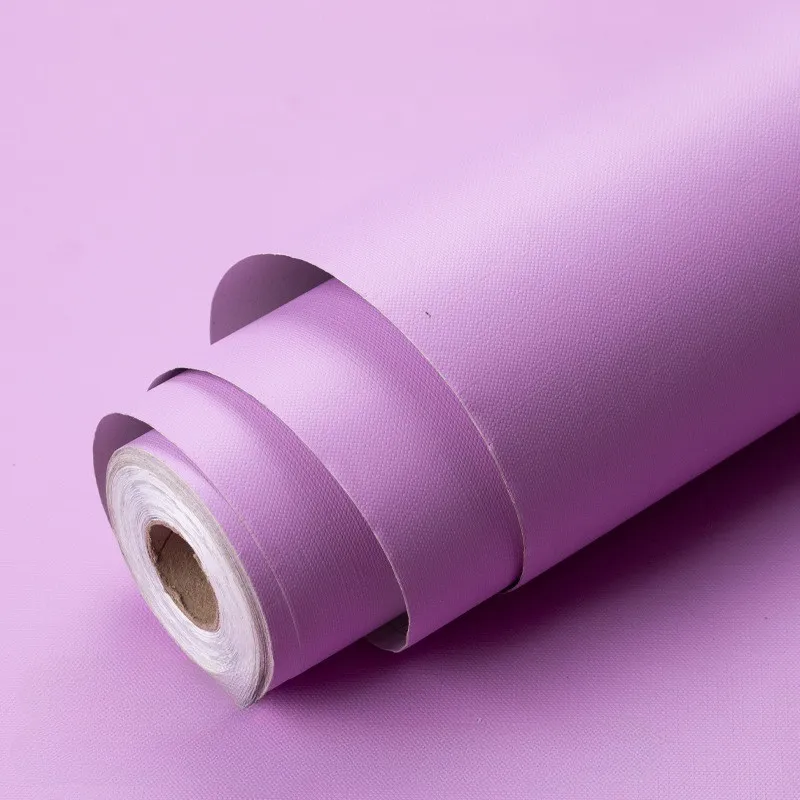
Air duct film, a specialized type of PVC film, is a critical component in modern HVAC (Heating, Ventilation, and Air Conditioning) systems. It serves as a protective and functional layer within air ducts, ensuring efficient airflow, preventing contamination, and contributing to overall indoor air quality. This guide delves into the various types of air duct films, their wide-ranging applications, and practical installation tips to ensure optimal performance.
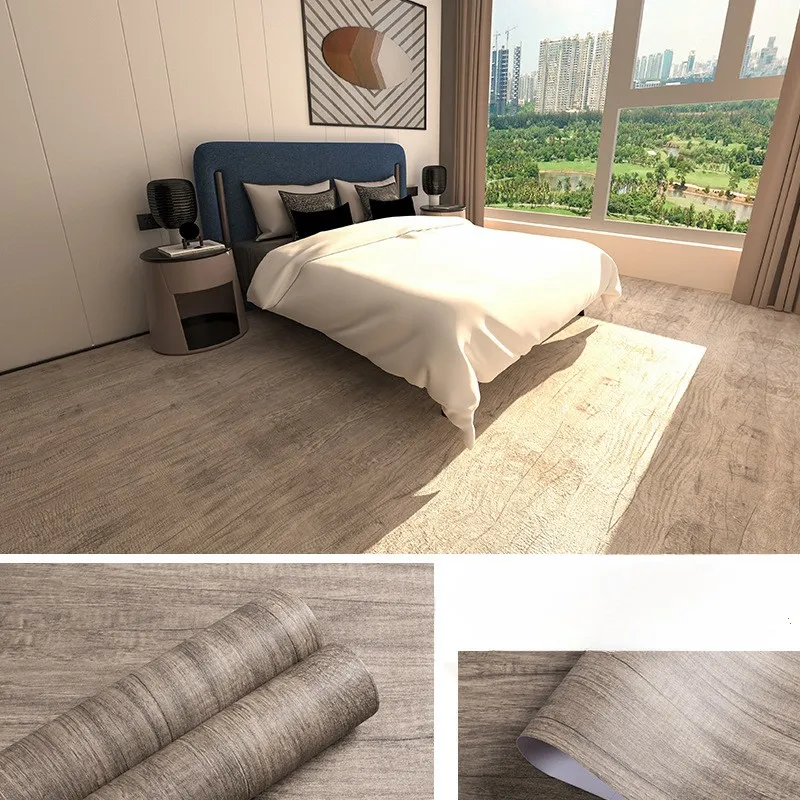
At its core, air duct film is a durable, flexible sheet material installed inside ductwork. Its primary role is to create a smooth, non-porous barrier. This barrier prevents dust, insulation fibers, and microbial growth from entering the airstream, which is vital for maintaining clean air in residential, commercial, and industrial settings. Furthermore, a high-quality film reduces air friction, improving the energy efficiency of the HVAC system by allowing air to flow more freely.
Key Benefit: Using the correct air duct film can significantly reduce system maintenance costs and improve the lifespan of your HVAC unit by protecting internal components from particulate buildup.
The selection of air duct film depends heavily on the specific requirements of the project. Manufacturers like Pulivk Film offer a range of options, each with distinct properties.
This is the most common type, made from flexible polyvinyl chloride. It acts as a simple, effective barrier against dust and moisture. It’s cost-effective and suitable for general applications in residential and light commercial ductwork where extreme conditions are not a concern.
Specially formulated to inhibit the growth of mold, mildew, and bacteria. This type is essential for hospitals, laboratories, food processing areas, and any environment where air purity is paramount. The film contains additives that prevent microbial colonization on its surface.
Safety is a non-negotiable aspect of building materials. Fire-retardant air duct films are designed to resist ignition and slow flame spread. Low-smoke variants minimize the amount of toxic smoke produced if exposed to fire, which is crucial for safe evacuation and is often mandated by building codes in public spaces.
For applications requiring extra strength and durability, reinforced films are available. These may include a fabric or scrim layer laminated between PVC layers, providing superior tear resistance and dimensional stability, ideal for large commercial ducts or areas with high vibration.
Exploring the full spectrum of functional films, including specialized options like calendered film known for its consistent thickness and smooth finish, can help identify the perfect match for your ductwork needs.
The use of air duct film extends far beyond simple home ventilation. Its versatility makes it a staple in numerous sectors.
In large office complexes, maintaining consistent air quality for occupant health and comfort is a priority. Air duct film in these systems helps manage particulate levels and protects the extensive, often inaccessible, ductwork from degradation.
Hospitals and clinics require the highest standards of indoor air quality to prevent infections. Anti-microbial duct film is critical in operating rooms, isolation wards, and cleanrooms to ensure sterile air circulation.
Processing plants use duct film to prevent contamination from dust or insulation and to meet stringent hygiene regulations. The smooth surface is also easier to clean and inspect.
In modern homes, especially those focusing on energy efficiency and “green” building standards, properly lined ductwork minimizes energy loss and improves the effectiveness of air filtration systems, contributing to a healthier living environment.
Similarly, the principle of using a protective, decorative film extends to surfaces like floors and walls. For instance, a high-quality floor film protects surfaces, while the concept of a smooth, cleanable barrier aligns with the function of air duct liners.
Proper installation is as important as selecting the right film. Incorrect application can lead to film detachment, tears, and compromised performance.
Surface Cleaning: The duct interior must be impeccably clean, dry, and free of oil, dust, and loose debris. Any contaminants will prevent proper adhesion.
Climate Control: Install in an environment with stable, moderate temperature (typically between 18°C and 27°C or 65°F and 80°F). Avoid installation in extremely cold or humid conditions.
Material Acclimation: Allow the film roll to acclimate to the room temperature for at least 24 hours before installation to prevent shrinkage or expansion later.
Adhesive Selection: Use only the adhesive recommended by the film manufacturer. Spray adhesives designed for duct liner are typically required for a permanent, flexible bond.
Application Technique: Apply adhesive evenly to both the duct surface and the back of the film. Use a notched trowel for consistent spread. After applying, use a J-roller or a stiff-bristled brush to firmly press the film onto the substrate, working from the center outwards to eliminate air bubbles.
Seaming & Overlap: Ensure seams are tight and overlapped correctly as per manufacturer instructions. Seal seams with appropriate aluminum foil tape or a compatible seam sealant to create an airtight barrier.
Fitting Around Obstacles: Carefully cut and fit the film around corners, joints, and penetrations (like damper rods or sensors). Avoid stretching the film thin over sharp edges.
⚠️ Pro Tip: Never use standard duct tape for sealing seams on air duct film. It dries out, loses adhesion, and fails over time, compromising the entire system’s integrity. Always use UL-listed foil tape or specified sealants.
Once installed, allow the adhesive to cure fully before commissioning the HVAC system. Conduct a visual inspection to check for loose edges, unsealed seams, or wrinkles. For maintenance, periodic visual checks are recommended. If cleaning is necessary, use a soft cloth dampened with a mild detergent solution; avoid abrasive cleaners or high-pressure water.
For those undertaking DIY projects or smaller applications, understanding film properties is also useful. The knowledge gained from selecting a decorative wood grain film for furniture—considering adhesion and surface prep—parallels the care needed in duct film installation.
Q1: Can I install air duct film myself, or should I hire a professional?
A: For small, accessible residential projects, a skilled DIYer can potentially handle it with careful preparation and by strictly following manufacturer guidelines. However, for large-scale, complex, or commercial systems, it is highly recommended to hire a licensed HVAC professional. They have the expertise, tools, and understanding of building codes to ensure a safe, effective, and compliant installation.
Q2: How does air duct film impact indoor air quality and energy efficiency?
A: It significantly improves both. By sealing the duct interior, it prevents fiberglass particles and dust from entering the air you breathe. The smooth surface also reduces air turbulence and friction loss within the ducts, allowing your HVAC blower to move air more easily, which can lower energy consumption and utility bills.
Q3: What is the typical lifespan of a properly installed air duct film?
A: A high-quality air duct film, installed correctly in a suitable environment, can last the lifetime of the ductwork itself—often 20 years or more. Its longevity is directly tied to the quality of the material, the installation, and the operating conditions (e.g., temperature, humidity, and air velocity).
Q4: Are there eco-friendly or low-VOC options for air duct film?
A: Yes. Many manufacturers now offer films and compatible adhesives with low volatile organic compound (VOC) emissions. Look for products that are GREENGUARD Gold certified or comply with similar stringent indoor air quality standards. Reputable suppliers like Pulivk prioritize using environmentally conscious materials in their production processes.
Q5: Where can I learn more about specific film types and technical specifications?
A: For detailed information on various protective and decorative films, including technical data sheets and application guides, visiting a manufacturer’s resource center is invaluable. You can find extensive resources in the knowledge base of leading suppliers, which often covers material properties, compatibility, and best practices.