Address
304 North Cardinal St.
Dorchester Center, MA 02124
Work Hours
Monday to Friday: 7AM - 7PM
Weekend: 10AM - 5PM
Address
304 North Cardinal St.
Dorchester Center, MA 02124
Work Hours
Monday to Friday: 7AM - 7PM
Weekend: 10AM - 5PM


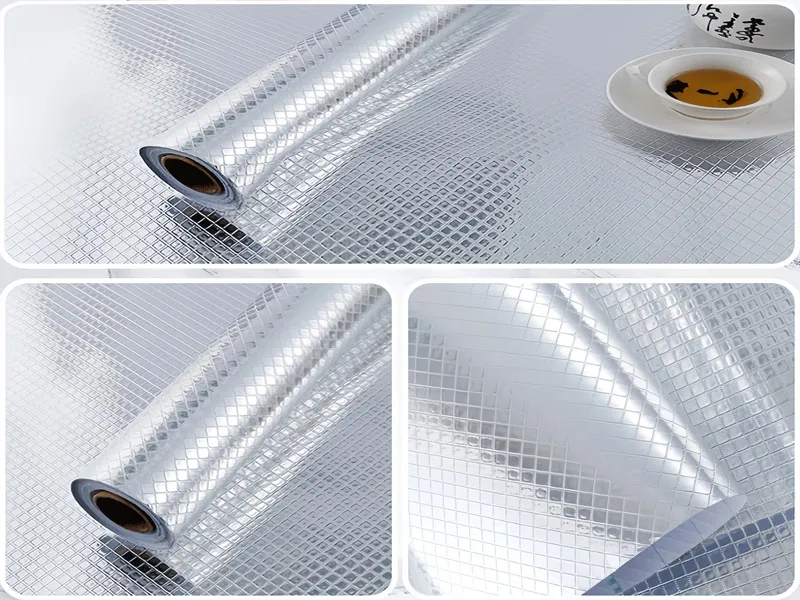
Pharmaceutical PVC film represents a specialized and critical material within the healthcare and medical device manufacturing sectors. Engineered to meet stringent regulatory and performance standards, these films serve as protective barriers, packaging solutions, and functional components in a wide array of medical applications. Their versatility, durability, and compliance with safety protocols make them indispensable in modern medical practice, from hospital settings to pharmaceutical production lines.
The utility of pharmaceutical-grade PVC film is vast, driven by its excellent barrier properties, clarity, and adaptability. A key application is in sterile medical device packaging. The film is used to create pouches and lids for sterilizing and storing surgical instruments, catheters, and implants. Its ability to maintain a sterile barrier while allowing for ethylene oxide (EtO) or gamma radiation sterilization is paramount.
Another significant use is in blister packaging for pharmaceuticals. PVC film forms the clear, thermoformed cavities that hold individual tablets or capsules, providing product visibility, protection from moisture and contamination, and patient compliance through unit-dose packaging. Furthermore, it is employed in the production of IV fluid bags and blood bags, where its flexibility, transparency, and compatibility with various solutions are essential. In clinical environments, PVC film is used for protective surface coverings on examination tables, equipment, and in isolation rooms, offering a disposable, hygienic barrier that helps prevent cross-contamination.
The selection of PVC for these sensitive applications is not arbitrary. It offers a unique combination of benefits:
Not all PVC films are created equal. For medical use, specific formulations and types are developed to meet precise requirements. The primary categorization is based on flexibility and plasticizer content.
This type contains little to no plasticizers, resulting in a stiff and formable material. It is the predominant choice for pharmaceutical blister packaging. Its rigidity provides the necessary structure for the blister pocket, and it offers excellent water vapor barrier properties, which is crucial for moisture-sensitive drugs. Discover more about specialized film types in our comprehensive Knowledge Center.
Incorporating medical-grade plasticizers like DEHP (Diethylhexyl phthalate) or alternative non-phthalate plasticizers (e.g., DINCH, TOTM), this film is soft, pliable, and tear-resistant. It is extensively used for medical bags (IV, blood, urine), tubing, and soft protective covers. The ongoing industry shift towards non-phthalate plasticizers is a critical trend, driven by regulatory and safety considerations for certain patient populations.
Beyond flexibility, films can be further specialized:
The “one-size-fits-all” approach is inadequate in the highly regulated medical field. Customization is key to meeting the exacting demands of different applications. Leading manufacturers, leveraging full-process control from calendering to finishing, offer tailored solutions across several parameters.
Film thickness is precisely controlled, ranging from very thin gauges for simple overwraps to thicker, more durable films for heavy-duty bags or rigid blisters. Consistency in gauge is vital for performance on automated packaging machinery and for ensuring barrier properties.
Films can be supplied in rolls slit to custom widths, sheets cut to specific sizes, or pre-formed into pouches or lids. This minimizes waste for the converter or medical device company and optimizes production efficiency.
Surface properties can be modified. This includes corona treatment to improve ink adhesion for printing vital information like drug names, dosages, and barcodes. Anti-fog treatments are available for films used in packaging sterile wet products, maintaining clarity. For applications like protective surface films in labs, specific release properties might be engineered.
The most critical aspect of customization is ensuring compliance. Reputable producers design films to meet:
✅ USP Class VI and ISO 10993 biocompatibility standards for materials contacting the human body.
✅ FDA regulations for food and drug contact materials.
✅ REACH and RoHS directives concerning restricted substances.
✅ Specific pharmacopoeia standards for packaging materials.
For medical device manufacturers and pharmaceutical companies, partnering with a provider that offers robust OEM/ODM services is invaluable. This collaboration allows for the co-development of film solutions tailored to a unique device, drug delivery system, or packaging line. It encompasses everything from material selection and prototyping to validation support and scalable production, ensuring the final product performs reliably in its intended application.
The production of pharmaceutical PVC film is governed by a culture of quality. This begins with the sourcing of high-purity, medical-grade raw materials, including PVC resin and approved additives. Advanced calendering and processing equipment under strict environmental controls ensure consistency. A multi-stage Quality Control (QC) protocol is non-negotiable, testing for:
Batch traceability and comprehensive documentation, including Certificates of Analysis (CoA) and Material Safety Data Sheets (MSDS), are standard deliverables, supporting the end-user’s regulatory submissions and quality audits.
Pharmaceutical PVC film is a foundational material that balances performance, safety, and processability. Its role in protecting sterility, ensuring drug efficacy, and facilitating modern healthcare delivery is profound. As the industry evolves, the focus is on advancing sustainable and safer formulations—such as non-phthalate plasticizers and bio-based PVC alternatives—while enhancing functionality through smart packaging integrations. For medical innovators, the path forward involves close collaboration with specialized film producers who can translate complex application challenges into reliable, compliant, and custom material solutions.
Pharmaceutical-grade PVC film is specifically formulated and processed to meet stringent regulatory standards (like FDA, USP Class VI). It offers an excellent combination of clarity, chemical resistance, formability for blisters, and reliable heat-sealability for pouches, all while providing a necessary barrier against moisture and contaminants to ensure drug stability and sterility.
Traditional plasticizers like DEHP have been extensively studied. While approved for many medical applications, there is a strong industry trend towards using alternative plasticizers (e.g., DINCH, TOTM) deemed safer for sensitive applications, particularly for neonatal and long-term exposure devices. Reputable manufacturers offer both options and provide full compliance documentation.
Absolutely. Through OEM/ODM partnerships, films can be customized in terms of thickness, flexibility, color, opacity, surface treatment (e.g., anti-fog, print primer), and sheet/roll dimensions. The development process focuses on ensuring the film meets the device’s functional needs and passes all required biocompatibility and sterilization validation tests.
Quality is ensured through a rigorous system: starting with certified raw materials, controlled manufacturing, and multi-point QC testing. Key tests include thickness gauge, mechanical strength, haze/clarity, heat seal performance, and chemical extraction/leachables analysis. Batch-specific Certificates of Analysis provide verifiable data for each property.
For detailed information on various film types and their uses, you can explore our dedicated Product pages. For further general inquiries, please visit our Contact page to get in touch with our technical team.