Address
304 North Cardinal St.
Dorchester Center, MA 02124
Work Hours
Monday to Friday: 7AM - 7PM
Weekend: 10AM - 5PM
Address
304 North Cardinal St.
Dorchester Center, MA 02124
Work Hours
Monday to Friday: 7AM - 7PM
Weekend: 10AM - 5PM


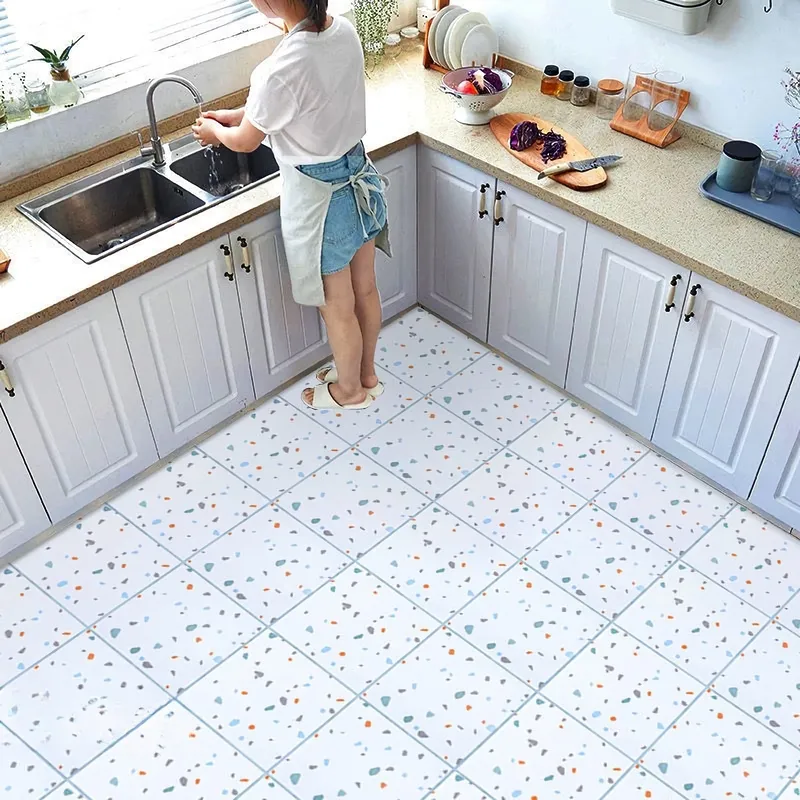
PVC packaging film is a versatile and cost-effective material that has become indispensable across numerous industries. From protecting products during transit to enhancing the visual appeal of consumer goods, its applications are vast and varied. This guide delves into the different types of PVC films, their primary uses, and how custom solutions can address specific packaging challenges.
Polyvinyl Chloride (PVC) film is a thermoplastic polymer known for its durability, clarity, and flexibility. It can be manufactured in various thicknesses and with different additives to achieve specific properties like softness, rigidity, or resistance to chemicals and UV light. Its inherent versatility makes it a go-to choice for both protective and decorative packaging needs.
Key Characteristics: PVC films offer excellent clarity, good tensile strength, and strong barrier properties against moisture and gases. They can be easily printed, laminated, and heat-sealed, making them ideal for automated packaging lines.
The functionality of PVC film is largely determined by its formulation and manufacturing process. Here are the most common types used in packaging:
This type is stiff and offers excellent dimensional stability. It is commonly used for calendered film applications like clamshell packaging, blister packs, and carded packaging for retail items such as electronics, tools, and cosmetics. Its crystal-clear finish provides high product visibility.
Soft and pliable, flexible PVC film is used for shrink wrapping, stretch film applications, and bags. It conforms tightly to irregular shapes, providing a secure, tamper-evident seal. It’s widely used for bundling products, wrapping pallets, and packaging food items.
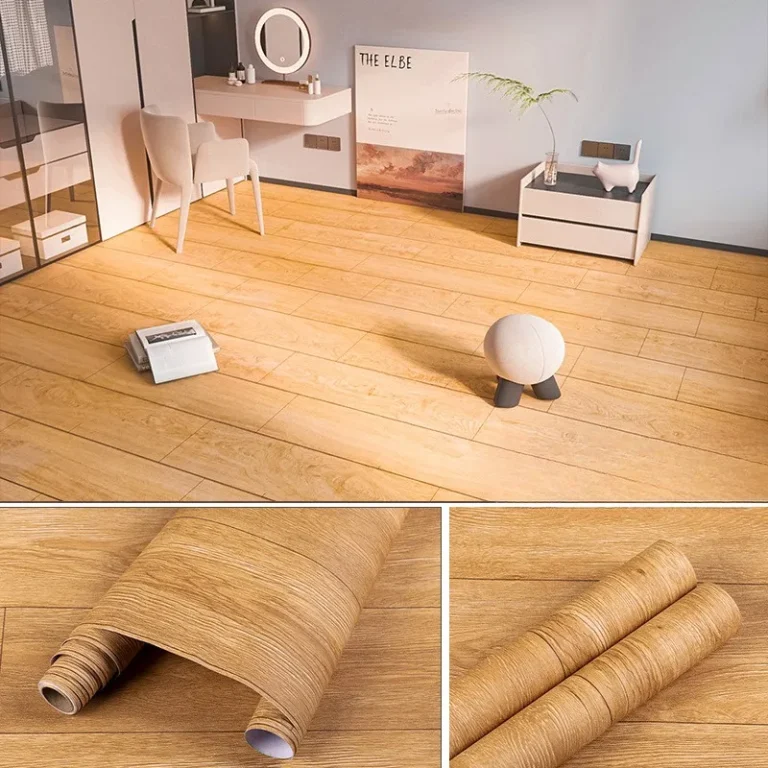
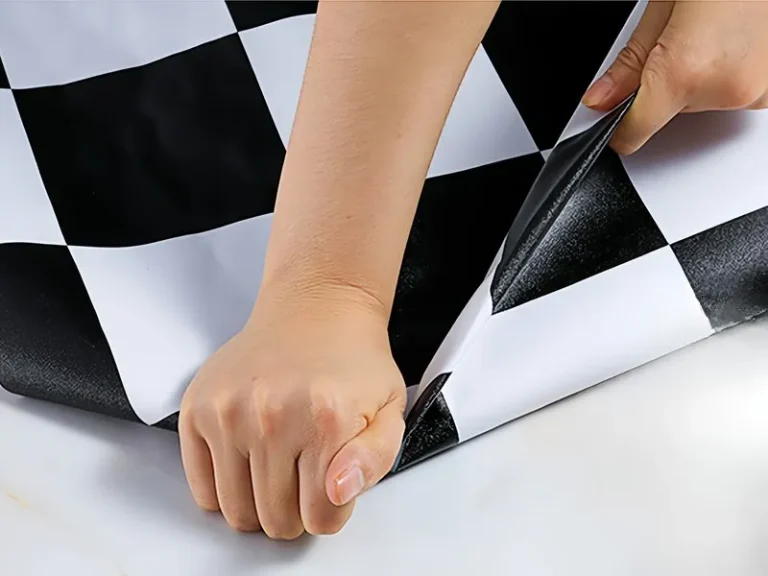
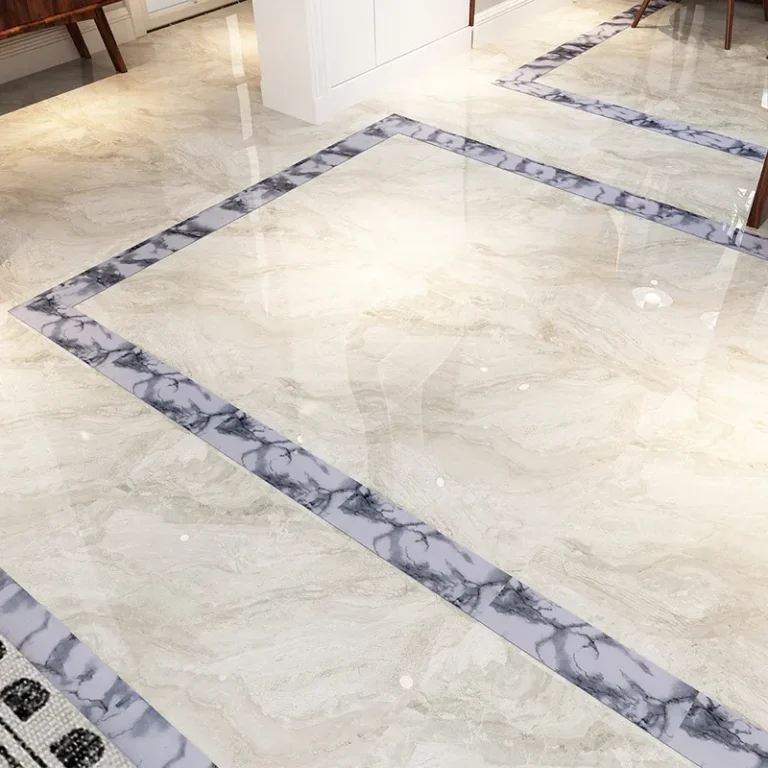
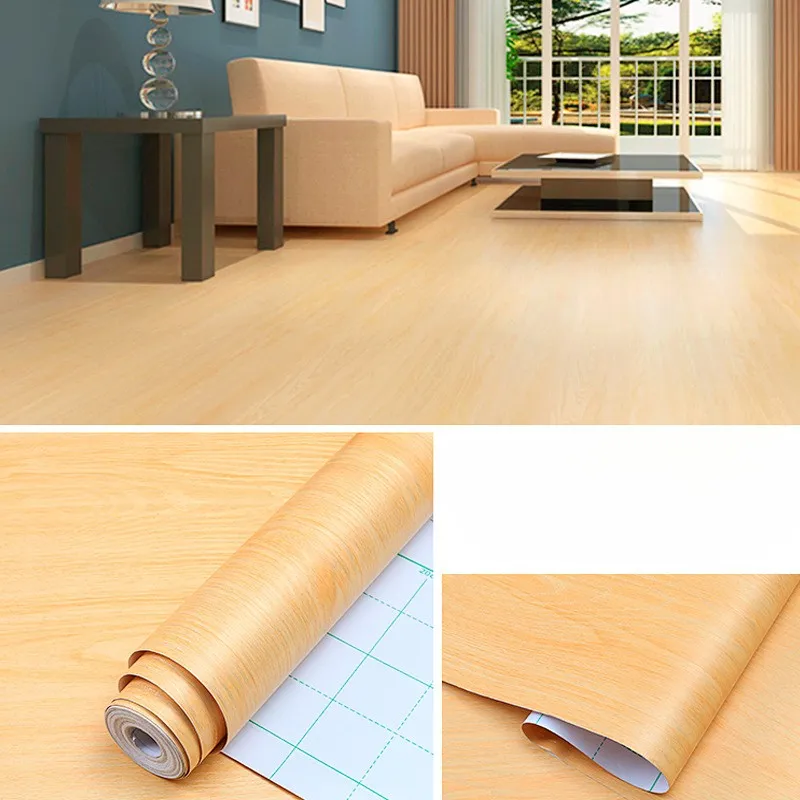
Beyond protection, PVC film serves aesthetic purposes. It can be printed with high-quality graphics for labels, sleeves, and promotional packaging. Decorative films, such as wood grain or marble film, are used to enhance the look of product surfaces, gift wraps, and specialty boxes.
This category includes films engineered for specific functions:
• Anti-static Film: Protects sensitive electronic components from electrostatic discharge.
• UV-resistant Film: Shields products from sunlight degradation during storage or display.
• Food-grade Film: Compliant with safety regulations for direct or indirect food contact.
• High-clarity Optical Film: Used for premium product windows where distortion-free viewing is critical.
PVC packaging film’s adaptability allows it to serve a wide spectrum of markets. Its role often extends from mere containment to adding significant value through branding and functionality.
This is one of the largest application areas. PVC is used for blister packs and clamshells that securely hold small items like batteries, toys, and hardware while allowing full visual inspection. Shrink sleeves provide 360-degree branding for bottles and containers, and printed PVC films create eye-catching labels and gift wraps.
While specific grades are required, PVC film is used for shrink-wrapping trays of fresh produce, baked goods, and bottled beverages. Its excellent cling and seal properties help preserve freshness and extend shelf life.
The need for sterility and tamper evidence makes PVC a common choice for blister packaging of tablets and capsules, as well as for overwrapping medical device kits. Its clarity allows for easy identification of contents.
Heavy-duty PVC stretch film is essential for unitizing and stabilizing pallet loads for shipping and storage. Its puncture resistance and high tensile strength ensure products arrive safely. Protective films are also used to shield metal parts, acrylic sheets, and furniture surfaces from scratches during manufacturing and transit.
Off-the-shelf films don’t always meet unique project requirements. This is where custom solutions from experienced manufacturers like Pulivk Film become invaluable. Customization can address specific challenges in performance, aesthetics, and logistics.
Manufacturers can adjust the film’s formulation to achieve desired characteristics:
• Thickness & Gauge: Precision-engineered for the right balance of strength, flexibility, and material cost.
• Surface Treatment: Options include anti-fog coatings for refrigerated displays, or matte finishes to reduce glare and fingerprints.
• Sealability: Custom heat-seal coatings can be applied to ensure strong, consistent seals on specific packaging machinery.
Full custom printing allows for unique branding, instructional text, or security features. This includes:
• High-fidelity color matching for brand consistency.
• Special inks like metallic, fluorescent, or scented inks for promotional impact.
• Sequential numbering or QR codes for tracking and authentication.
Explore more design possibilities in our knowledge base.
Partnering with a manufacturer that controls the entire process—from calendering and printing to slitting and packaging—offers distinct advantages. It ensures stringent quality control at every stage, reduces lead times by eliminating middlemen, and provides greater flexibility for last-minute adjustments or complex custom orders. This integrated approach is key to delivering consistent, high-quality film on time and at a competitive cost.
Even the way the film is delivered can be customized:
• Roll Specifications: Custom core sizes, roll diameters, and roll lengths to fit specific dispensing equipment.
• Protective Wrapping: Individual rolls can be wrapped in anti-static, moisture-proof, or dust-proof materials for sensitive environments or long-distance export.
• Labeling: Custom labels with barcodes, product specs, and handling instructions for efficient warehouse management.
Choosing a supplier is a critical decision. Look for a partner with proven expertise, like Pulivk Film, which offers:
Technical Expertise: Ability to understand your application and recommend the optimal film grade and specifications.
Quality Assurance: Commitment to international standards (ISO, REACH, RoHS) and robust in-house testing for thickness, strength, and clarity.
Customization Capability: A flexible approach to OEM/ODM services, willing to work on small trial runs before scaling up to full production.
Global Support: Experience in exporting worldwide, with the knowledge to handle logistics, documentation, and ensure products arrive in perfect condition.
For a comprehensive look at our product range and capabilities, visit our product page.
PVC film offers an exceptional balance of clarity, strength, and cost-effectiveness. It has excellent dead-fold properties (stays folded without springing back), good resistance to oils and chemicals, and can be easily printed and sealed. Its versatility in being formulated into both rigid and flexible forms makes it suitable for a wider range of applications than many alternative materials.
Recyclability depends on local infrastructure. PVC is technically recyclable, and dedicated recycling streams exist in some regions. It’s important to check with local waste management authorities. Many manufacturers are also involved in initiatives to improve the sustainability profile of PVC through recycling programs and the development of bio-based plasticizers.
The required thickness depends on the product’s weight, sharpness, and the level of protection needed. Heavier or sharp items require thicker, more puncture-resistant film (e.g., 150-200 microns for rigid blisters). Lightweight consumer goods may only need 50-100 microns. Your film supplier’s technical team can provide guidance based on your specific product and packaging process.
Yes. The industry is advancing with more sustainable solutions. These include films made with recycled PVC content, phthalate-free and non-heavy metal formulations, and the use of additives that enhance biodegradability in specific conditions. Discuss your sustainability goals with your supplier to explore available options.
To get an accurate and timely quotation, provide details such as: desired film type (rigid/flexible), target thickness and width, roll length/core size, required performance properties (e.g., UV resistance, anti-static), print design files (if applicable), estimated annual volume, and any specific certifications needed (e.g., food-grade, FDA). Clear specifications help manufacturers propose the most effective and economical solution.