Address
304 North Cardinal St.
Dorchester Center, MA 02124
Work Hours
Monday to Friday: 7AM - 7PM
Weekend: 10AM - 5PM
Address
304 North Cardinal St.
Dorchester Center, MA 02124
Work Hours
Monday to Friday: 7AM - 7PM
Weekend: 10AM - 5PM


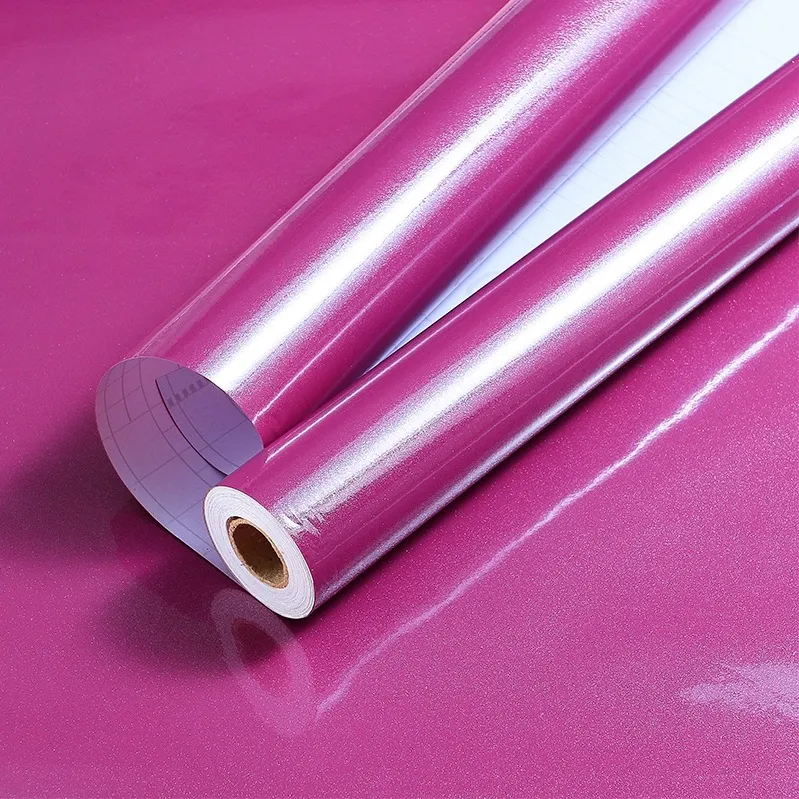
PVC wrapping film, a versatile and durable material derived from polyvinyl chloride, has become an indispensable component across numerous industries. Its ability to combine aesthetic appeal with functional protection makes it a preferred choice for designers, manufacturers, and DIY enthusiasts alike. This guide delves into the various types of PVC film, their extensive applications, and the custom solutions available to meet specific project demands.
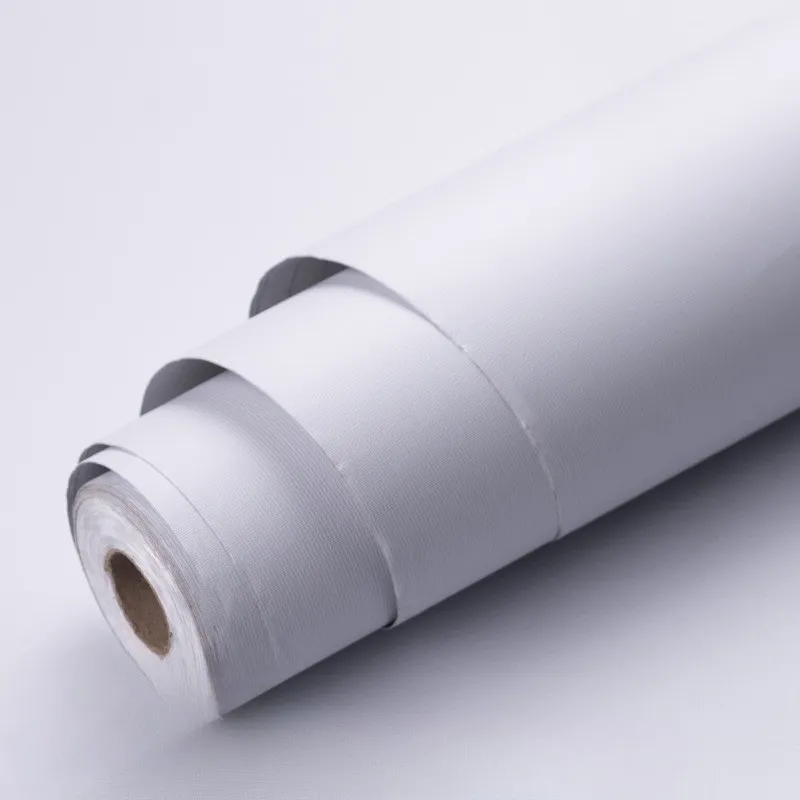
The world of PVC film is diverse, with each type engineered for specific characteristics and end-uses. Understanding these categories is the first step in selecting the right material.
Two primary manufacturing methods define the film’s base properties. Calendered film is produced by passing heated PVC compound through a series of rollers. This process results in a film that is generally more rigid, dimensionally stable, and cost-effective, making it ideal for applications like furniture laminates, automotive interiors, and rigid signage.
Key Point: Calendered films are known for their excellent tensile strength and consistency, which is crucial for automated lamination processes in high-volume manufacturing.
Cast film, on the other hand, involves spreading a liquid PVC plastisol onto a moving belt and curing it. This yields a film with superior clarity, a softer feel, and excellent conformability to complex shapes. Cast films are often chosen for high-clarity packaging, medical applications, and premium decorative surfaces.
The surface treatment of PVC film opens a world of design possibilities:
Beyond looks, PVC films can be formulated with enhanced functionalities:
• Anti-Static Film: Essential for protecting sensitive electronic components during manufacturing and storage.
• Self-Adhesive Film: Features a pressure-sensitive adhesive backing for easy, tool-free application on walls, furniture, and floors.
• Chemical & Scratch-Resistant Film: Used in high-traffic areas like kitchens and laboratories. For instance, kitchen anti-oil films provide a protective, easy-to-clean barrier for backsplashes.
• Flame-Retardant Film: Complies with safety regulations for use in public transportation, building interiors, and certain electronic housings.
The utility of PVC film spans from the home to heavy industry, driven by its adaptability and performance.
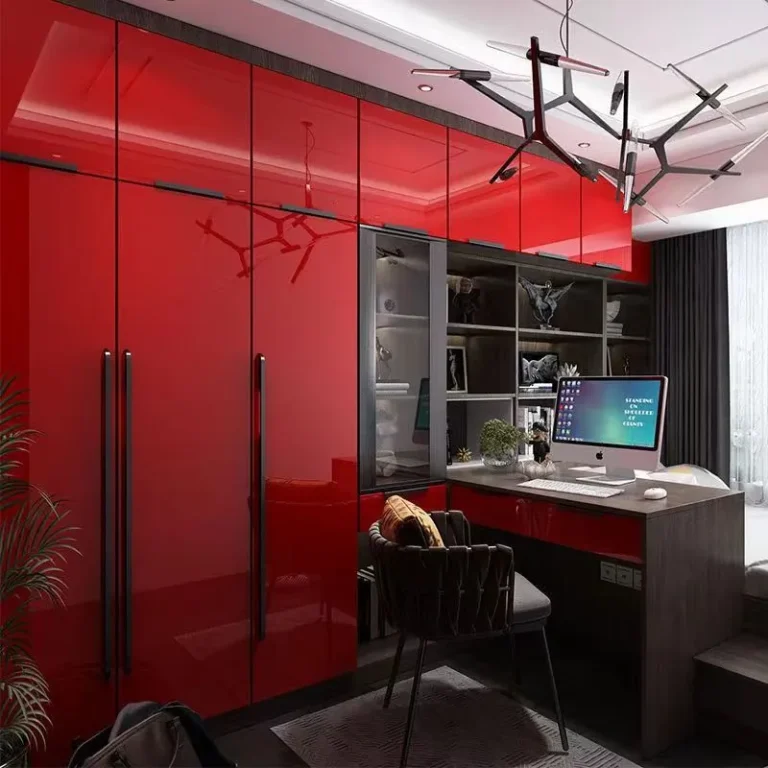
This is one of the largest application areas. PVC films are laminated onto particleboard, MDF, and other substrates to create affordable, durable, and stylish furniture. From glossy wardrobe doors and kitchen cabinets to office desks and retail fixtures, the design options are limitless. For walls, solid color or textured films offer a durable and washable alternative to traditional wallpaper.
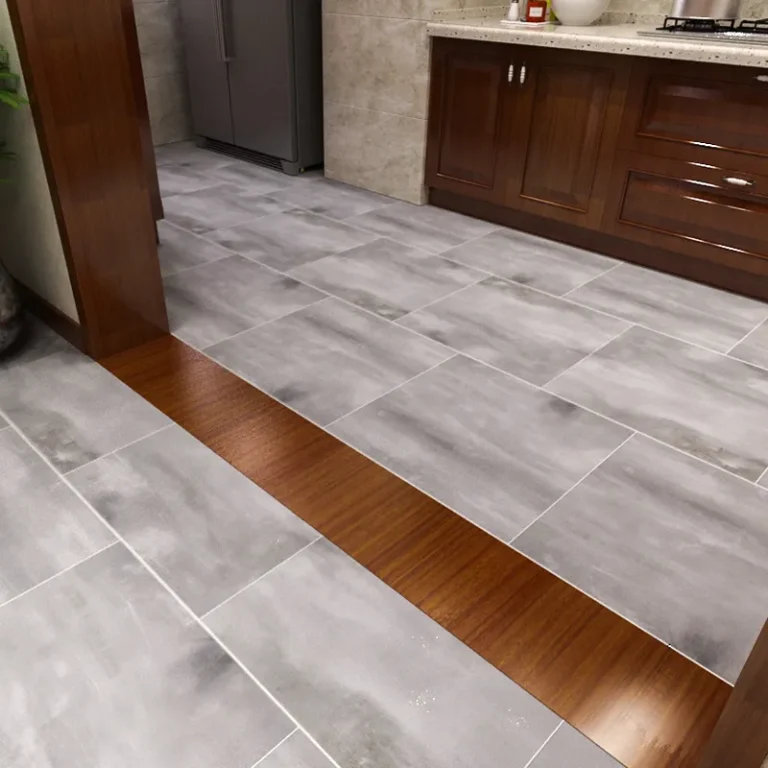
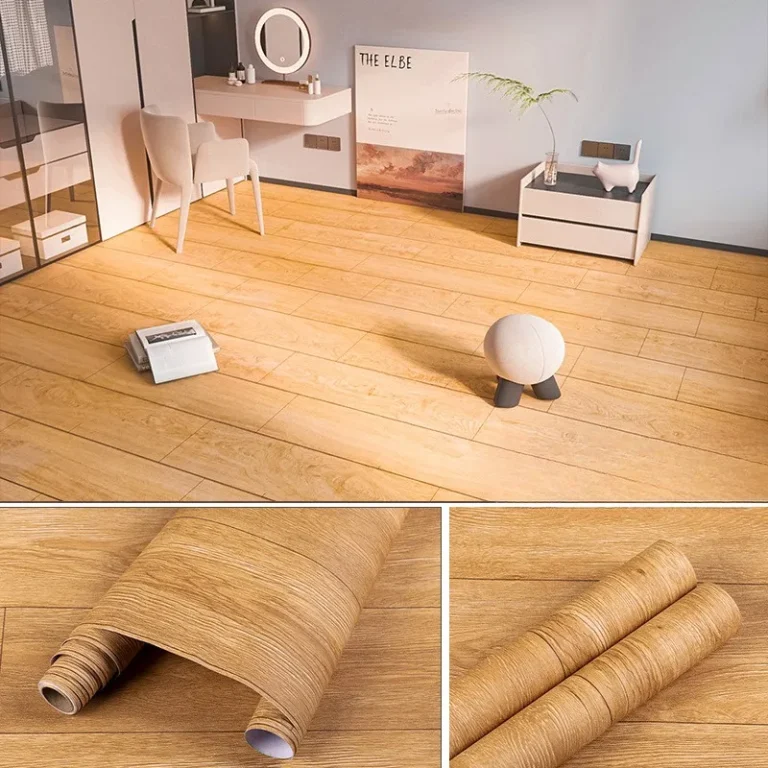
In construction, PVC films are used for wall cladding, ceiling panels, and door skins. In flooring, they are the core component of luxury vinyl tile (LVT) and sheet flooring. Flooring films feature robust wear layers and detailed photographic layers that mimic hardwood, stone, or abstract patterns. PVC skirting films provide a coordinated finish for floor edges.
Inside vehicles, PVC films are used for instrument panel skins, door trim, and decorative interior accents. Their durability, colorfastness, and ability to withstand UV exposure and temperature fluctuations make them ideal for this demanding environment.
PVC’s clarity, strength, and printability make it excellent for blister packs, clamshell packaging, and shrink sleeves for bottles. In signage and graphics, both flexible and rigid PVC films are used for vehicle wraps, window graphics, and point-of-purchase displays due to their outdoor durability and vibrant print surface.
While standard products serve many needs, the true power of PVC film is realized through customization. Leading manufacturers like Pulivk Film offer comprehensive OEM/ODM services to tailor every aspect of the film to the client’s vision.
Customization begins with the film’s physical properties. Thickness can be adjusted from ultra-thin films for delicate electronics to thick, rigid sheets for structural components. Width and roll length are customized to fit specific machinery, minimizing waste and optimizing production efficiency. The formulation can be modified to achieve desired levels of flexibility, rigidity, or tensile strength.
This is where creativity meets technology. Clients can work with manufacturers to:
Films can be engineered with specific additives to meet functional needs, such as enhanced UV stabilizers for permanent outdoor use, anti-fog agents for refrigeration, or antimicrobial properties for healthcare settings. Furthermore, manufacturers ensure films comply with relevant regional and international standards, such as REACH, RoHS, FDA (for indirect food contact), and various fire safety classifications, which is critical for global market access.
1. Consultation: Discuss application requirements, performance needs, and design ideas.
2. Sample Development: Manufacturer produces lab samples for approval on color, texture, and performance.
3. Pilot Production: A small production run allows for testing in the client’s actual manufacturing process.
4. Full-Scale Manufacturing & QC: Upon final approval, bulk production begins under strict quality control protocols to ensure batch-to-batch consistency.
PVC film offers a superior balance of cost, durability, and design flexibility. It is more affordable and easier to process than real wood veneer or metal sheets. It is more durable, waterproof, and easier to clean than fabric or paper-based laminates. Its versatility in textures, colors, and finishes is unmatched by most alternative materials.
The choice depends on your application’s priorities. Choose calendered film for applications requiring rigidity, dimensional stability, and high-volume cost-efficiency, such as flat furniture panels. Choose cast film when you need superior clarity, deep-formability (for wrapping complex 3D shapes), or a softer tactile feel, often required in packaging, automotive interiors, or high-end electronics.
Yes, absolutely. Specialized PVC films are formulated for these environments. They can be treated with non-porous, easy-to-clean surfaces and antimicrobial additives. For kitchens, specific anti-oil and grease-resistant films are available. It is crucial to specify these requirements to your supplier to ensure the film meets the necessary chemical resistance and compliance standards for the intended use.
The process is highly technical and collaborative. You provide a color standard (physical sample, Pantone code, etc.). The manufacturer’s lab uses spectrophotometers to analyze the color and creates a custom ink formulation. Multiple lab-dip samples are produced on the actual film substrate for your evaluation under controlled lighting until a perfect match is approved. This ensures the color looks correct in its final form.
The sustainability of PVC film is a key industry focus. Many manufacturers now offer films free of heavy metals and phthalates. While recycling post-industrial waste is more common, advancements are being made in recycling technologies for post-consumer PVC. Furthermore, the durability and long lifespan of PVC films in applications like flooring and furniture contribute to resource efficiency by reducing the need for frequent replacement. Always inquire about a supplier’s specific environmental policies and product certifications.