Address
304 North Cardinal St.
Dorchester Center, MA 02124
Work Hours
Monday to Friday: 7AM - 7PM
Weekend: 10AM - 5PM
Address
304 North Cardinal St.
Dorchester Center, MA 02124
Work Hours
Monday to Friday: 7AM - 7PM
Weekend: 10AM - 5PM


PVC interior film has become a transformative material in modern home and furniture design. Offering a versatile and cost-effective solution for renovation and decoration, these thin sheets of polyvinyl chloride can replicate the look of wood, stone, metal, and fabric with remarkable accuracy. Whether you’re a homeowner looking for a weekend DIY upgrade or a professional furniture manufacturer, understanding the types, uses, and benefits of PVC film is key to unlocking its full potential.
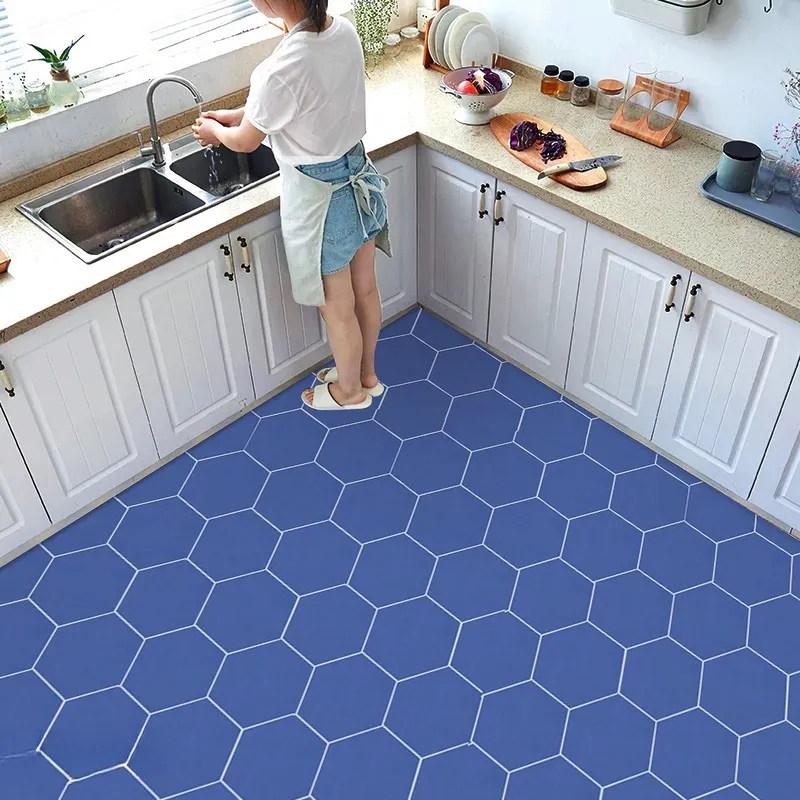
The world of PVC film is diverse, with each type engineered for specific aesthetics and functional needs. The primary categories can be broken down by finish, texture, and application.
Glossy Film: This type provides a high-shine, reflective surface that adds a modern and luxurious feel. It’s excellent for creating a sense of space and light, often used on cabinet doors, wardrobes, and accent walls. For a premium glossy application, consider a specialized glossy wardrobe film designed for smooth, fingerprint-resistant finishes.
Matte & Soft-Touch Film: Offering a non-reflective, smooth surface, matte films deliver a sophisticated and contemporary look. The soft-touch variant adds a subtle, velvety texture that is pleasant to the touch, making it ideal for frequently handled surfaces like furniture fronts and wall panels.
This is where PVC film truly shines in mimicking natural materials.
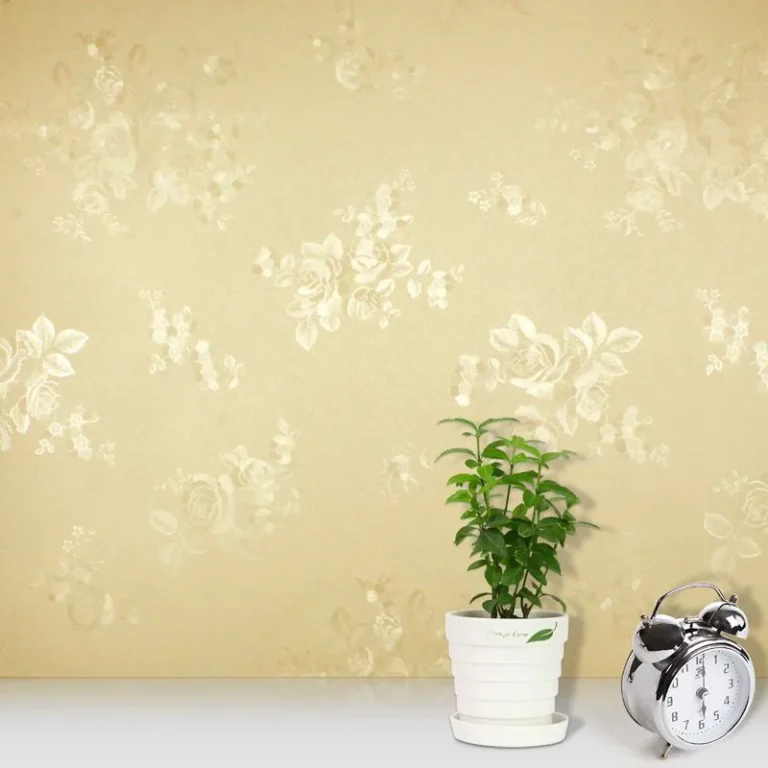
Wood Grain Film: The most popular type, it replicates the rich grains and colors of various woods—from oak and walnut to ash and teak. It’s a sustainable and affordable alternative to solid wood or veneers for furniture, doors, and skirting boards. Explore a wide range of authentic patterns with our wood grain film collection.
Stone & Marble Film: Achieve the elegant look of marble, granite, or slate without the high cost, weight, or maintenance. Perfect for kitchen splashbacks, tabletops, and bathroom accents. A high-quality marble film can provide a strikingly realistic veined effect.
3D & Textured Film: These films go beyond visual imitation to include physical texture. Options include linen, canvas, geometric patterns, and delicate silk-like textures that add depth and tactile interest to surfaces. For a unique dimensional effect, 3D silk texture film is an excellent choice.
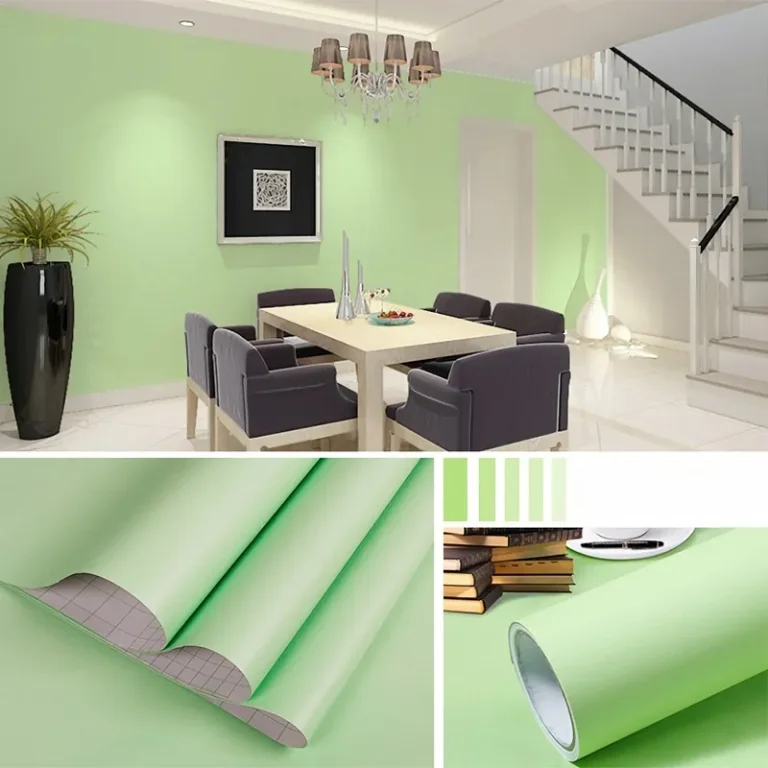
Solid Color Film: Available in virtually any hue, solid color films offer clean, minimalist lines for modern interiors. They are the go-to choice for creating bold accent walls or uniform, colorful furniture pieces.
PVC film’s adhesion to various substrates—like MDF, particleboard, plywood, and even existing laminates—makes it incredibly versatile.
Move beyond paint and wallpaper. PVC film is a durable and often washable alternative for walls.
Feature Walls: Create an accent wall with wood, stone, or a bold solid color without permanent commitment.
Kitchen and Bathroom Splashbacks: Films used here, especially kitchen anti-oil film, offer water and grease resistance for easy cleaning.
Doors and Room Dividers: Uniformly cover interior doors or partitions to integrate them seamlessly into your design scheme.
Specialized PVC films are designed for horizontal surfaces, offering both decoration and protection.
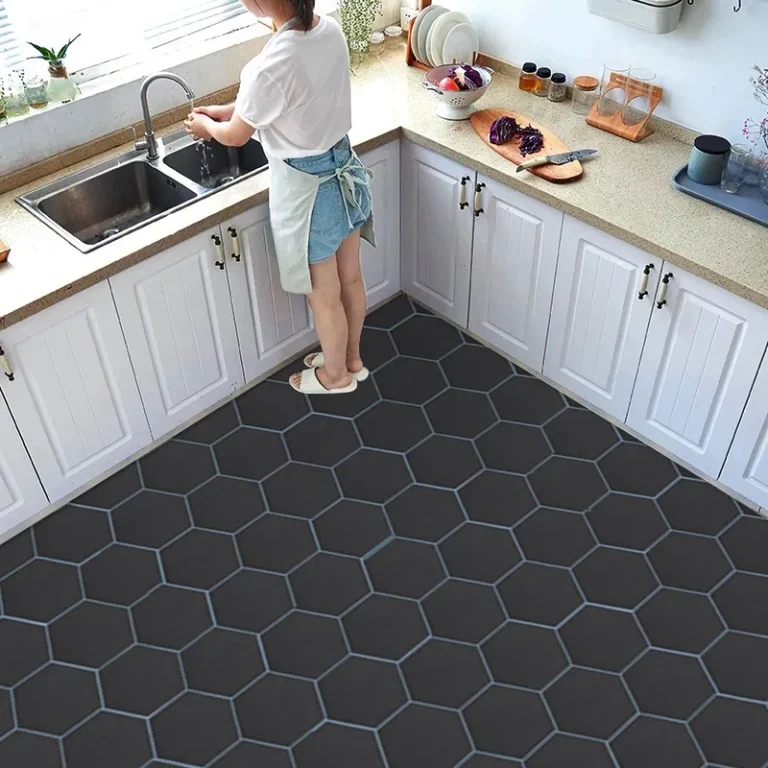
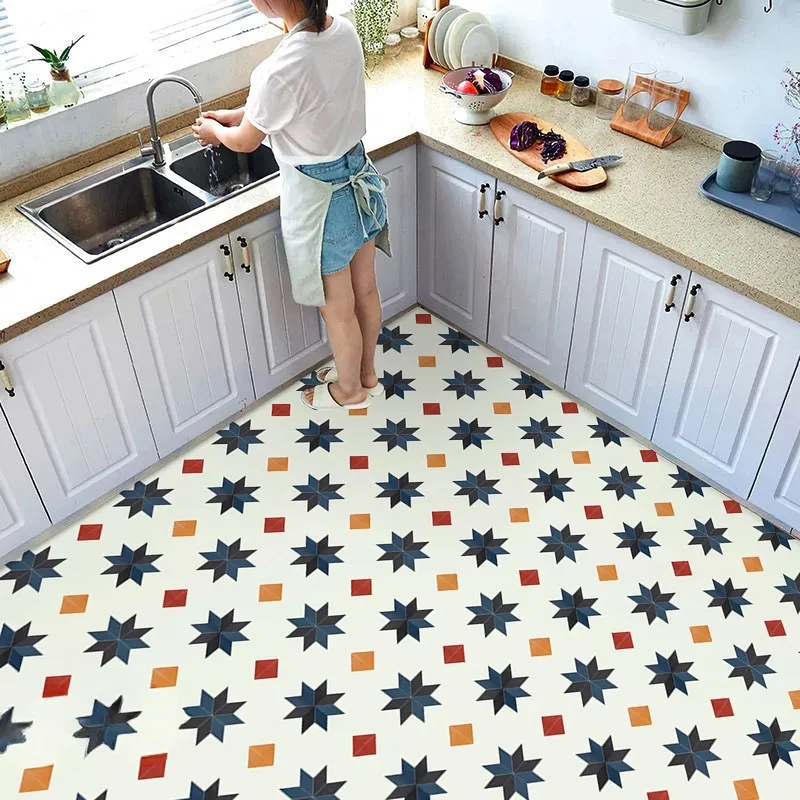
Temporary Floor Coverings: Floor film can protect hardwood or tile during renovations or be used as an easy-to-install, temporary floor decor.
Skirting and Trim: Use PVC skirting film to cover baseboards, creating a continuous look from wall to floor.
The rise of PVC film is driven by a powerful combination of practical and economic advantages.
PVC film provides the high-end appearance of natural materials at a fraction of the cost. It reduces material expenses for manufacturers and makes luxury looks accessible for home DIY projects.
High-quality PVC films are engineered to withstand daily life. They are typically:
With an endless array of colors, patterns, and textures, the design possibilities are limitless. For manufacturers and large projects, companies like Pulivk offer extensive OEM/ODM services, allowing for custom color matching, unique pattern development, and tailored roll sizes to fit specific production needs.
Many PVC films, especially self-adhesive variants, enable quick and clean installation. This allows for rapid room makeovers without the extensive mess, time, or skilled labor required for traditional materials like tile or solid wood.
Reputable producers manufacture films that are compliant with international safety standards (like REACH, RoHS). By using film instead of harvesting rare woods or mining stone, it can be a more sustainable choice. Furthermore, its longevity reduces the frequency of replacement and waste.
Not at all. Self-adhesive PVC films are designed for user-friendly application. The key is to start with a clean, smooth, dry, and grease-free surface. Using a squeegee or soft cloth to smooth out air bubbles as you apply the film slowly is the main technique. Many suppliers provide application guides, and there are numerous helpful tutorials available online.
High-quality PVC film is extremely durable for interior use. It resists scratches, stains, and moisture effectively. While it may not be as heat-resistant as solid stone near stovetops, it is perfectly suited for cabinet doors, sides, and furniture surfaces, lasting for many years with proper care. Avoid using abrasive cleaners to preserve the finish.
Yes, most self-adhesive films are designed to be removable. Gentle heating with a hairdryer can soften the adhesive, allowing you to peel the film off slowly. Any residual adhesive can usually be cleaned with a mild adhesive remover or rubbing alcohol. Always test in an inconspicuous area first.
Calendered film is manufactured by passing PVC resin through a series of heated rollers (calenders) to achieve a precise thickness and smooth finish. This process often results in a highly consistent, high-gloss, or uniformly matte film that is excellent for large, flat surfaces like cabinet panels. Other films might use different casting or coating processes to achieve specific textures or functional properties.
Absolutely. Leading manufacturers are increasingly focused on environmental responsibility. Look for producers who offer films that are phthalate-free, use non-toxic inks and adhesives, and hold certifications like GREENGUARD for low VOC emissions. These options ensure better indoor air quality and are safer for home environments.