Address
304 North Cardinal St.
Dorchester Center, MA 02124
Work Hours
Monday to Friday: 7AM - 7PM
Weekend: 10AM - 5PM
Address
304 North Cardinal St.
Dorchester Center, MA 02124
Work Hours
Monday to Friday: 7AM - 7PM
Weekend: 10AM - 5PM


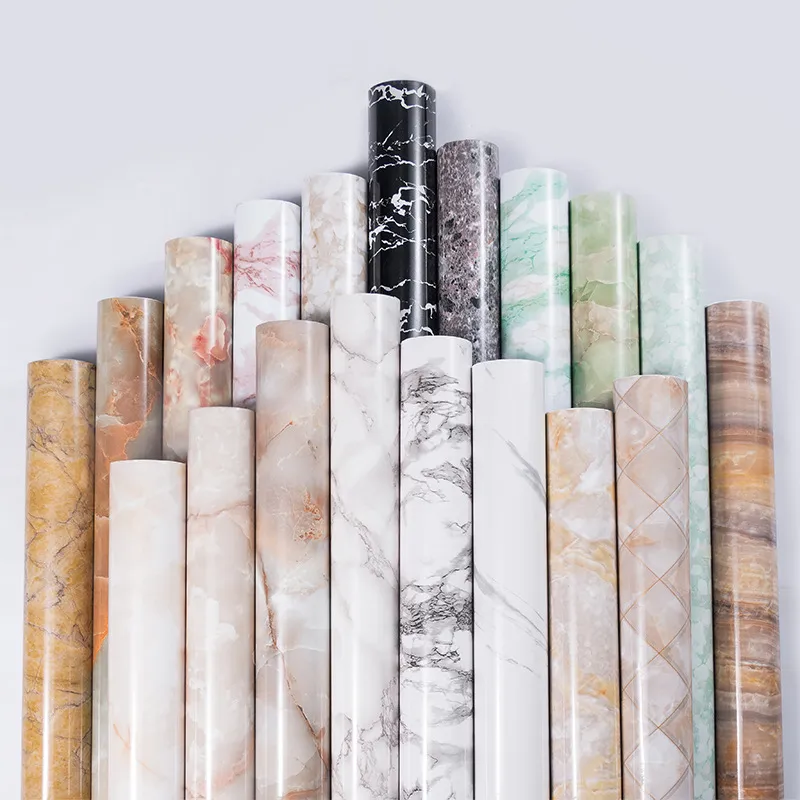
PVC laminating film has revolutionized the furniture and interior decoration industry, offering a versatile, cost-effective, and aesthetically pleasing solution for surfacing materials. This ultimate guide delves into the world of PVC film, exploring its types, benefits, applications, and the critical factors for selecting the right product for your project.
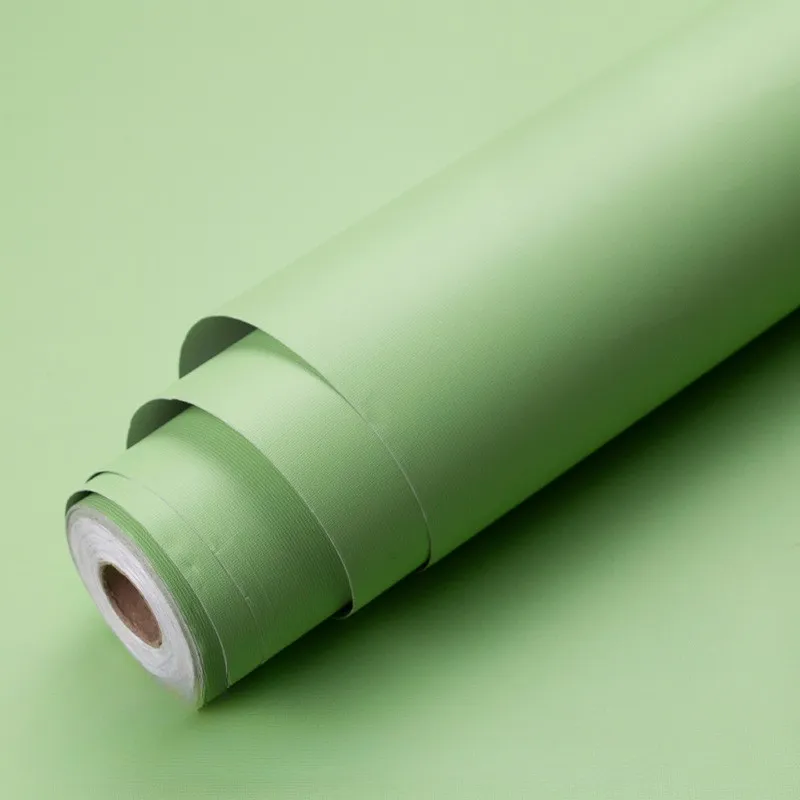
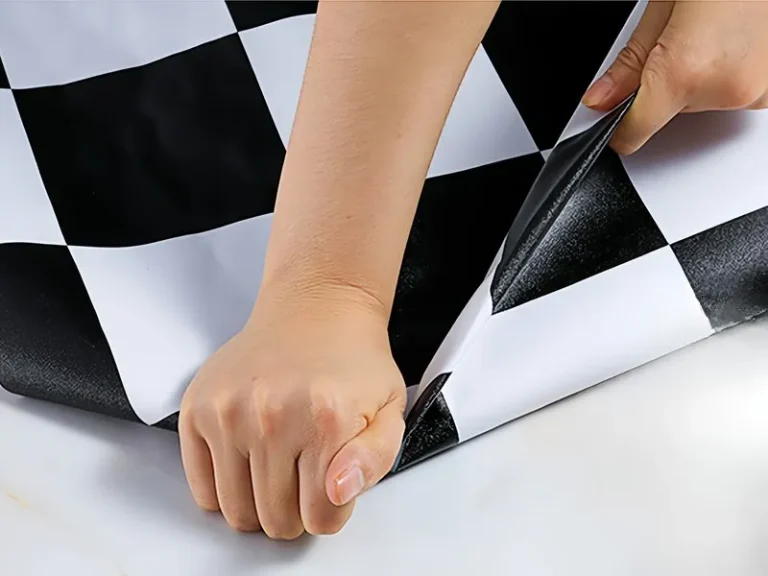
PVC (Polyvinyl Chloride) laminating film is a thin, flexible sheet applied to substrates like MDF, particleboard, or metal to create a durable and decorative surface. It replicates the look and texture of materials like wood, stone, fabric, and metal with remarkable fidelity. The film is typically applied using heat and pressure in a lamination process, creating a seamless, protective layer. This technology allows manufacturers and designers to achieve high-end finishes without the cost and limitations of natural materials.
Key Advantage: PVC film provides an exceptional balance of durability, design flexibility, and affordability, making it a cornerstone material for modern furniture and decorative applications.
The adoption of PVC film is driven by a compelling set of advantages:
Selecting the right type of film is crucial for performance and aesthetics. Here’s a breakdown of common types:
These films are designed primarily for visual appeal and are used on visible surfaces like cabinet doors, tabletops, and wall panels.
These films add specific performance characteristics beyond decoration.
Texture adds depth and a realistic feel. 3D texture films, such as linen, leather, or geometric patterns, create visual interest and hide minor surface imperfections.
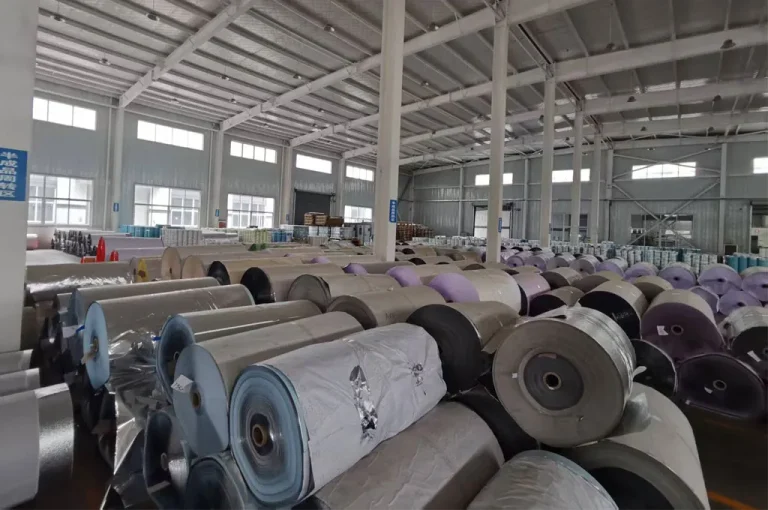
Not all PVC films are created equal. Quality begins with manufacturing. Leading producers like Pulivk Film control the entire process—from calendering the base film to printing, embossing, and slitting. This vertical integration ensures:
PVC film’s versatility shines across numerous applications in furniture and decoration.
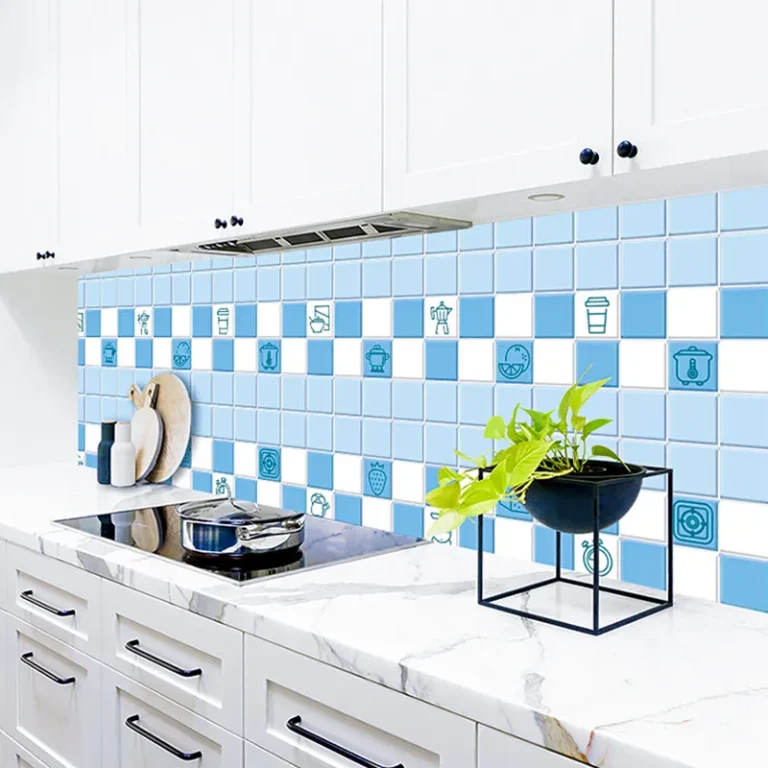
From kitchen cabinets and wardrobes to TV consoles and bedroom sets, PVC film is the surface of choice. It allows for cohesive design themes throughout a home, combining the warmth of wood-look finishes in living areas with easy-clean, moisture-resistant films in kitchens and bathrooms.
In offices, hotels, and retail spaces, durability and maintenance are paramount. PVC films on workstations, reception desks, and wall cladding withstand heavy use while maintaining a professional appearance. The ability to replicate corporate colors or brand-specific textures is a significant advantage.
PVC film is extensively used for laminating interior doors, creating a seamless look with cabinetry. PVC skirting film allows skirting boards to match or complement flooring and wall finishes perfectly, a detail that elevates interior design.
Follow this checklist to ensure you select the optimal film for your project:
PVC film is a synthetic material printed and textured to mimic natural surfaces, offering superior moisture resistance, consistency, and lower cost. Veneer is a thin slice of real wood, providing an authentic grain but is more susceptible to moisture damage and variation.
High-quality PVC film is extremely durable for kitchen use. It resists moisture, heat from nearby appliances, stains from common household products, and daily wear. Look for films with a robust wear layer and ensure proper lamination for maximum longevity.
Yes, certain types of PVC films, especially those with good flexibility and elongation properties, can be post-formed (thermoformed) around gentle curves. This is common for cabinet door edges and some architectural details. Discuss your specific application with your supplier.
Modern PVC films from responsible manufacturers are produced with environmental considerations. Many use phthalate-free plasticizers and heavy-metal-free stabilizers. Look for products with relevant certifications and inquire about the supplier’s environmental management systems. PVC film also promotes resource efficiency by reducing the need for rare natural woods.
Maintenance is simple. Regularly dust with a soft cloth. For cleaning, use a mild detergent or a dedicated PVC cleaner diluted in warm water. Avoid abrasive pads, harsh chemicals (like acetone or strong acids), and direct exposure to high heat from items like hot pans. Always follow the manufacturer’s care instructions.