Address
304 North Cardinal St.
Dorchester Center, MA 02124
Work Hours
Monday to Friday: 7AM - 7PM
Weekend: 10AM - 5PM
Address
304 North Cardinal St.
Dorchester Center, MA 02124
Work Hours
Monday to Friday: 7AM - 7PM
Weekend: 10AM - 5PM


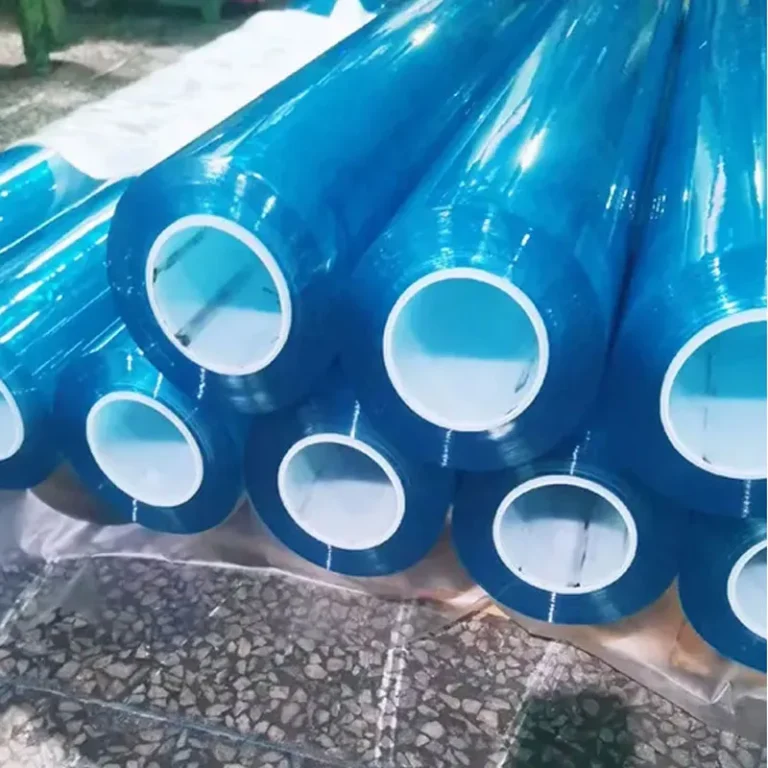
Polyvinyl Chloride (PVC) film has revolutionized packaging and decorative applications across numerous industries. This versatile material offers a unique combination of durability, flexibility, printability, and cost-effectiveness, making it a preferred choice for businesses worldwide. From protecting products during transit to enhancing the aesthetic appeal of consumer goods, PVC film packaging serves a multitude of functions. This comprehensive guide explores the various types of PVC films, their extensive applications, and the bespoke custom solutions available to meet specific project needs.
PVC films are not a one-size-fits-all solution. Their properties vary significantly based on formulation, manufacturing process, and surface treatment. Understanding these types is crucial for selecting the right material for your application.
Calendered Film: This is one of the most common production methods. Molten PVC compound is passed through a series of heated rollers (calenders) to form a continuous sheet of precise thickness and width. Calendered films are known for their excellent dimensional stability, smooth surface, and high clarity, making them ideal for high-volume applications like flooring and graphic overlays.
Blown Film: Produced by extruding PVC through a circular die and inflating it like a bubble. This process creates a film with more balanced mechanical properties in both machine and transverse directions. It’s often used for packaging applications requiring good tear resistance.
The visual and tactile qualities of PVC film are paramount for decorative purposes.
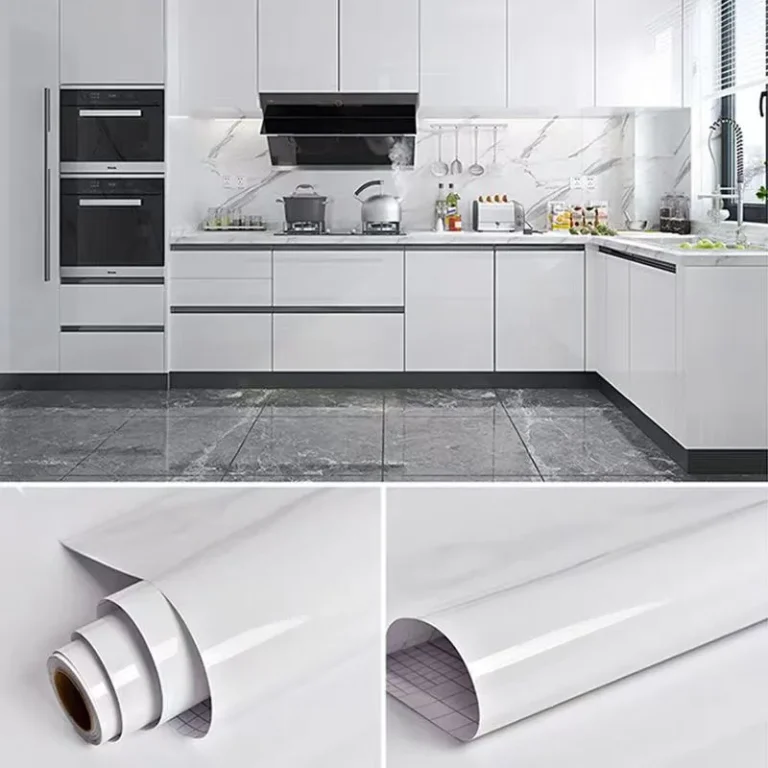
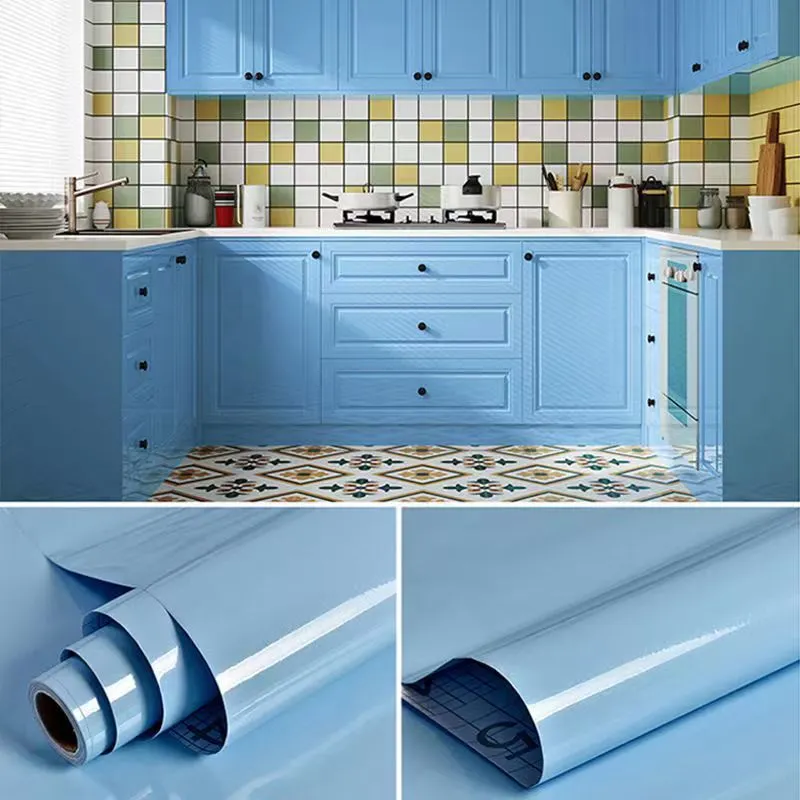
Glossy & Matte Films: Glossy films provide a shiny, reflective surface that enhances color vibrancy, perfect for wardrobe doors and premium packaging. Matte films offer a non-reflective, sophisticated finish that reduces glare and hides fingerprints.
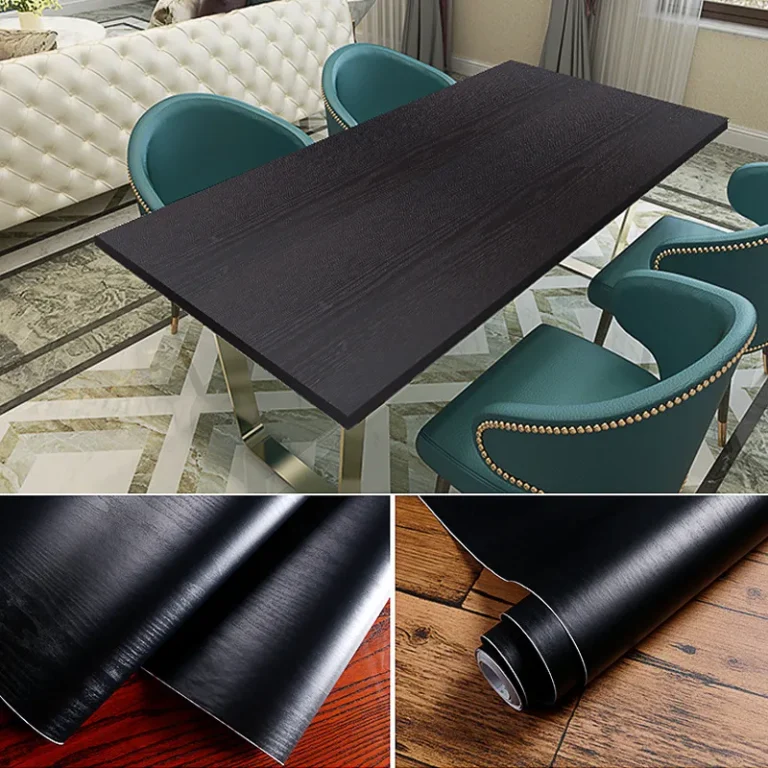
Textured Films: These include wood grain, stone, fabric, and leather imitations. Wood grain films are extensively used in furniture manufacturing for a realistic wooden appearance without the cost. Marble films and stone textures are popular in interior decoration for walls and countertops.
Transparent & Opaque Films: Clear PVC films are used for blister packs and window boxes where product visibility is key. Opaque films, including solid colors and metallized versions, are used for branding and light-sensitive product packaging.
Specialized PVC films are engineered with added functionalities.
Self-Adhesive Films: These have a pressure-sensitive adhesive layer on one side, allowing for easy application onto substrates like metal, glass, or wood. They are widely used for decorative laminates, signage, and protective coatings.
Anti-Static Films: Essential in electronics packaging to prevent electrostatic discharge (ESD) that can damage sensitive components.
Food-Grade Films: Formulated with non-toxic, compliant materials for direct or indirect food contact applications, such as cling film for fresh produce or bakery items.
High-Barrier Films: Often multi-layer co-extrusions, these films provide exceptional resistance to moisture, oxygen, and aromas, extending the shelf life of perishable goods.
The adaptability of PVC film makes it a cornerstone material in sectors ranging from construction to consumer goods.
PVC films are extensively used as laminates for kitchen cabinets, wardrobes, office furniture, and wall panels. They offer a durable, scratch-resistant, and easy-to-clean surface available in countless designs, from classic wood grains to modern solid colors and high-gloss finishes. This allows for cost-effective production of stylish and functional furniture.
In packaging, PVC films are used for:
Beyond furniture, PVC films are applied to skirting boards, door skins, and window profiles. Specialized films like PVC skirting film provide a finished look that is easy to install and maintain. They are also used in waterproofing membranes and temporary protective coverings for surfaces during construction.
Due to their excellent printability, PVC films are a primary substrate for vehicle wraps, indoor/outdoor banners, point-of-sale displays, and backlit signs. They can be printed with UV-resistant inks for long-term outdoor durability.
This includes protective masking films for painted surfaces during manufacturing, insulating layers in electrical components, and cleanroom-compatible packaging for sensitive medical and electronic parts.
Off-the-shelf products don’t always meet unique project requirements. This is where custom solutions from experienced manufacturers like Pulivk become invaluable. Customization can address several critical aspects:
Films can be engineered to exact thickness (from ultra-thin to heavy-duty), width, roll length, and core size. This minimizes waste and optimizes efficiency on your production line.
Advanced printing technologies, including gravure and digital printing, allow for precise color matching to corporate brand guidelines or specific design patterns. This is essential for brand consistency in packaging and branded interiors.
Surface properties can be enhanced with custom coatings:
• Anti-Fog: For packaging fresh food.
• Soft-Touch: For a luxurious tactile feel on premium product packaging.
• Anti-Microbial: For healthcare environments.
• Release Coatings: For easy unwinding of adhesive films.
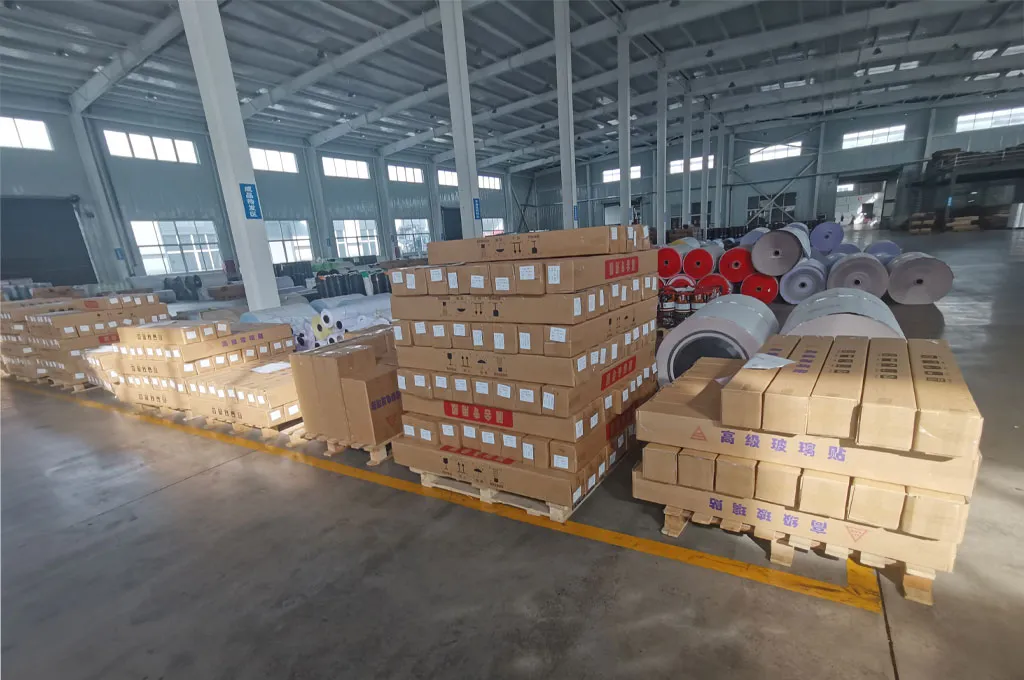
Custom roll packaging—using inner PE bags, reinforced outer cartons, and palletization—ensures films arrive in perfect condition, even for long-distance export to regions like Southeast Asia, the Middle East, and Europe.
Partnering with a manufacturer that offers full in-house control—from calendering and printing to slitting and packaging—provides significant advantages. It ensures tighter quality control, faster turnaround times for custom orders, and more competitive pricing by eliminating middlemen. A partner with strong OEM/ODM capabilities can transform your concept into a tangible, high-quality product that meets exact market demands.
The primary factors include the required barrier properties (moisture, oxygen), mechanical strength (puncture, tear resistance), clarity or opacity, printability, and regulatory compliance (e.g., food contact, REACH). The choice between calendered and blown film also depends on the application’s specific performance needs.
It typically starts with a consultation to define requirements. The manufacturer then develops lab samples for testing and approval. Once approved, a pilot production run may occur before full-scale manufacturing. Reputable suppliers guide clients through each step, ensuring the final product performs as intended.
Modern PVC films can be formulated to be recyclable, and many manufacturers focus on reducing environmental impact. Options include using recycled content, developing phthalate-free and heavy-metal-free compounds, and ensuring compliance with international standards like RoHS. It’s important to discuss sustainability goals with your supplier.
Lead time varies based on order complexity and volume. Simple custom color matches may take 2-3 weeks, while developing a new functional film with specific barriers could take 8-12 weeks for R&D and sampling. Established manufacturers with integrated production can often offer faster timelines for standard customizations.
Partner with a manufacturer that implements rigorous Quality Control (QC) at every stage—from raw material inspection to in-process checks and final product testing. Key indicators include batch traceability, certificates of analysis (CoA), and the availability of third-party test reports. Visiting the factory or taking a virtual tour can provide confidence in their processes.