Address
304 North Cardinal St.
Dorchester Center, MA 02124
Work Hours
Monday to Friday: 7AM - 7PM
Weekend: 10AM - 5PM
Address
304 North Cardinal St.
Dorchester Center, MA 02124
Work Hours
Monday to Friday: 7AM - 7PM
Weekend: 10AM - 5PM



In the world of furniture and interior décor, achieving the perfect balance of aesthetic appeal, durability, and cost-effectiveness is a constant pursuit. One material that has revolutionized this space is PVC wood grain film. This versatile decorative laminate offers the timeless beauty of natural wood without the associated high costs, maintenance hassles, and environmental concerns of logging. From modern kitchen cabinets to classic office furniture, PVC wood grain film provides a practical and beautiful solution for designers, manufacturers, and DIY enthusiasts alike.
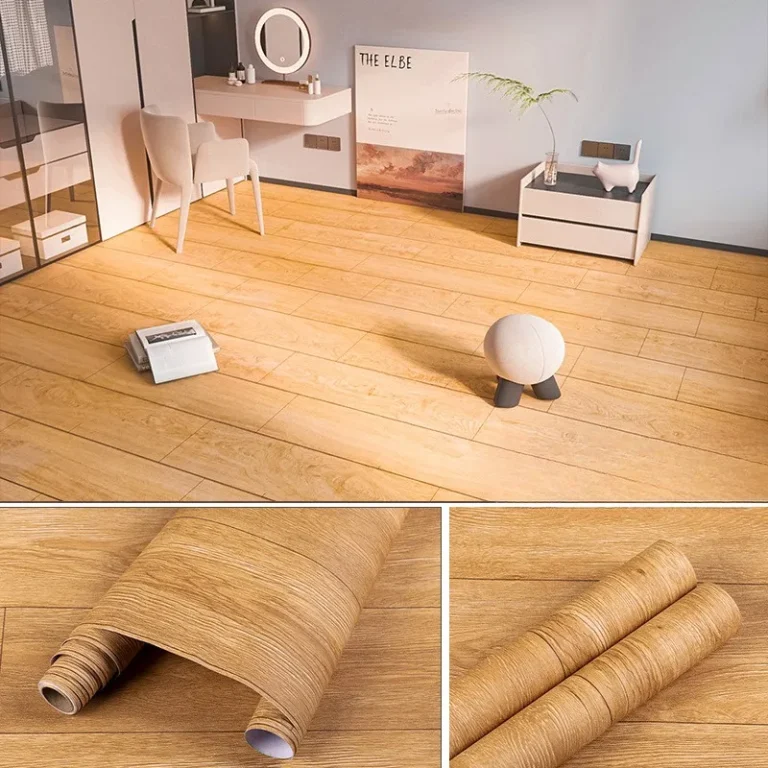
PVC wood grain film is a type of decorative surface material made from Polyvinyl Chloride (PVC). It is manufactured through a calendering process, where PVC resin and additives are melted and pressed into thin, continuous sheets. During production, intricate wood patterns—from oak and walnut to teak and ash—are printed onto the film with high fidelity, often followed by embossing to create a realistic tactile texture that mimics real wood grain.
Core Composition: At its heart, the film consists of several layers: a durable PVC base, a printed decorative layer, and often a protective top coat. This top coat is crucial for providing resistance to scratches, stains, and UV fading, ensuring the finish lasts for years.
The market offers a diverse range of PVC wood grain films to suit various design needs and functional requirements. Understanding these types is key to selecting the right product.
Glossy Finish: This type offers a high-shine, reflective surface that adds a modern and luxurious feel to furniture. It is easy to clean and helps brighten up spaces, making it popular for contemporary kitchen cabinets and wardrobe doors. Explore options like glossy wardrobe film for sleek applications.
Matte/Satin Finish: Providing a soft, non-reflective surface, matte finishes are prized for their elegant and understated look. They are excellent at hiding fingerprints and minor scratches, ideal for high-traffic areas like office furniture and residential dining sets.
Textured/Embossed Finish: Here, the film undergoes an embossing process that creates a physical texture aligning with the printed wood grain. This 3D effect offers an incredibly authentic look and feel, closely resembling solid wood. For a sophisticated textured option, consider 3D silk texture film.
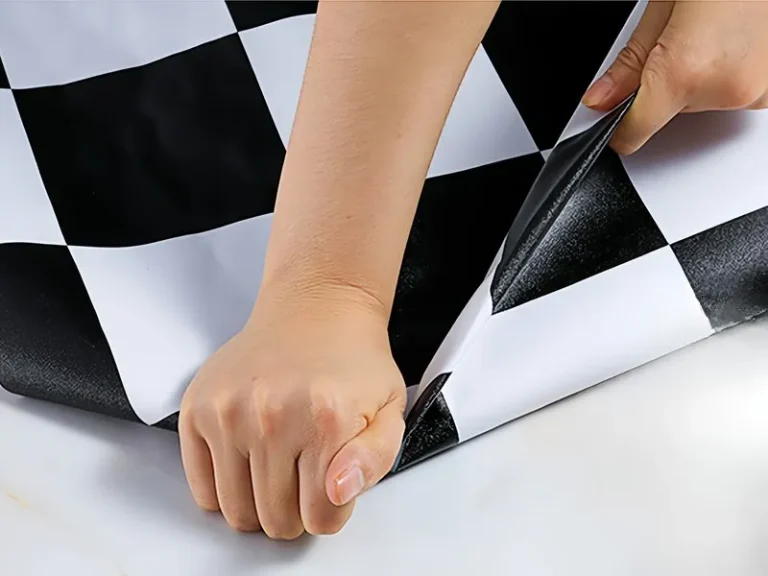
Self-Adhesive Films: These come with a pre-applied adhesive backing, protected by a release liner. They are perfect for DIY projects, retail displays, or quick renovations, allowing for easy application onto clean, smooth surfaces like existing furniture, walls, or appliances.
Thermoforming Films: Designed to be heated and vacuum-formed over three-dimensional shapes, these films are essential in manufacturing. They are used to wrap kitchen cabinet doors, drawer fronts, and other complex profiles without wrinkling or losing adhesion.
Fire-Retardant & Anti-Static Films: Engineered for specific commercial or industrial environments, these specialized films meet higher safety and functional standards for use in public buildings, laboratories, or electronic housing.
The application of PVC wood grain film is limited only by imagination. Its flexibility and durability make it a cornerstone material across multiple sectors.
This is the most prominent application. The film is laminated onto substrates like Medium-Density Fibreboard (MDF), particleboard, or plywood to create:
For a comprehensive look at wood grain options, visit our dedicated Wood Grain Film collection.
Moving beyond furniture, wood grain films are applied to walls and ceilings as a modern alternative to paint, wallpaper, or real wood paneling. They can create feature walls, wainscoting, or ceiling accents with minimal installation time and mess. Large-format films ensure seamless patterns for a professional result.
PVC film is used to laminate interior doors, window frames, and architectural millwork like skirting boards and architraves. A product like PVC skirting film allows for easy color and style matching throughout a room, creating a unified aesthetic while protecting the underlying material.
The shift towards PVC wood grain film is driven by a compelling array of advantages over traditional materials.
1. Exceptional Cost-Effectiveness: It provides the luxurious appearance of hardwood at a fraction of the cost. This includes savings on the material itself, as well as reduced installation and long-term maintenance expenses.
2. Unmatched Durability & Easy Maintenance: High-quality PVC films are engineered to withstand daily wear and tear. They are highly resistant to scratches, impacts, moisture, and stains. Cleaning is effortless, usually requiring only a damp cloth, unlike real wood which may need special polishes or oils.
3. Design Flexibility & Consistency: Manufacturers offer an immense library of wood species, colors, and finishes. Unlike natural wood, which has variations in grain and color, the film provides perfect pattern and color consistency across every sheet and batch, which is critical for large projects. This flexibility extends to custom prints and sizes through OEM services.
4. Environmental Sustainability: By using PVC wood grain film, the demand for logging and harvesting rare woods is reduced. Many films are also recyclable. Reputable producers, like Pulivk, use eco-friendly inks and adhere to international environmental and safety standards (REACH, RoHS), ensuring the products are safe for indoor use.
5. Simple Installation & Renovation: For refurbishment projects, self-adhesive films allow for a dramatic transformation without the need to replace entire furniture units. This “peel-and-stick” capability makes it a favorite for quick home makeovers and rental property upgrades.
Absolutely. High-quality PVC wood grain film designed for furniture, especially those with a protective top coat, is highly durable. It offers excellent resistance to moisture, heat splashes, grease, and daily cleaning agents, making it an ideal and long-lasting choice for kitchen cabinetry.
Yes, but it requires the correct film type. Standard films are for flat surfaces. For curved cabinet doors or edges, thermoforming or post-forming grade films must be used. These films are designed to be heated and stretched over contours without cracking or losing adhesion.
Maintenance is very simple. Use a soft, damp cloth with a mild detergent or a dedicated PVC cleaner. Avoid abrasive pads or harsh chemical solvents. For glossy finishes, a microfiber cloth works best to avoid streaks. Regular dusting prevents abrasive particles from scratching the surface.
Responsible manufacturers prioritize eco-friendly production. Look for films that are phthalate-free, use non-toxic inks, and comply with international standards like REACH and RoHS. These certifications ensure the film is safe for indoor environments, including homes, schools, and healthcare facilities.
Yes, customisation is a major service offered by leading suppliers. Through OEM/ODM services, you can match specific Pantone colors, create proprietary wood grain designs, or adjust technical specifications like thickness, width, and adhesive type to meet your project’s exact requirements.