Address
304 North Cardinal St.
Dorchester Center, MA 02124
Work Hours
Monday to Friday: 7AM - 7PM
Weekend: 10AM - 5PM
Address
304 North Cardinal St.
Dorchester Center, MA 02124
Work Hours
Monday to Friday: 7AM - 7PM
Weekend: 10AM - 5PM


Understanding the price of a PVC film roll is more than just looking at a number on an invoice. It’s about comprehending the complex interplay of raw materials, manufacturing processes, product specifications, and market dynamics that determine the final cost. Whether you are a procurement manager for a furniture factory, a project developer in construction, or a business owner sourcing materials, a clear grasp of these factors is essential for making informed purchasing decisions that balance budget, quality, and project requirements.
The global PVC film market is vast and varied, with prices fluctuating based on regional supply chains, economic conditions, and specific application demands. This guide will break down the key elements that influence PVC film pricing, explore the different types available and their cost implications, and provide a framework for effective cost comparison.
The cost of a PVC film roll is not arbitrary. It is calculated based on a series of tangible and intangible factors that contribute to the final product’s value. Here are the primary drivers:
This is the most significant and volatile cost component. Polyvinyl Chloride (PVC) resin prices are tied to global petrochemical markets, meaning they can shift with oil prices and supply disruptions. Beyond the base resin, the formulation includes plasticizers (which determine flexibility), stabilizers (for heat and light resistance), pigments, and fillers. Higher-quality, specialized, or eco-friendly additives will increase the raw material cost. For instance, films requiring phthalate-free plasticizers or specific UV stabilizers for outdoor use command a premium.
The production method significantly impacts price. Calendered film, produced by passing heated PVC compound through heavy rollers, is common for thicker, rigid to semi-rigid films used in flooring and signage. It offers excellent dimensional stability but requires significant capital investment in machinery. Extruded film, blown or cast, is typical for thinner, more flexible packaging films. The choice between processes affects throughput, energy consumption, and final film properties, all reflected in the price.
Price is often calculated per square meter or per kilogram, making thickness and density direct cost multipliers. Thicker films (e.g., 0.3mm for heavy-duty flooring) use more raw material per unit area than thinner films (e.g., 0.08mm for furniture wrapping). Density also plays a role; a high-filler-content film might be cheaper per kilogram but may require a thicker gauge to achieve the same performance, affecting the overall cost-efficiency for your application.
A plain, solid color film is the most economical. Adding visual and tactile complexity increases cost through additional processing steps:
▶ Embossing/Texturing: Creating a wood grain, linen, or 3D silk texture requires engraved rollers.
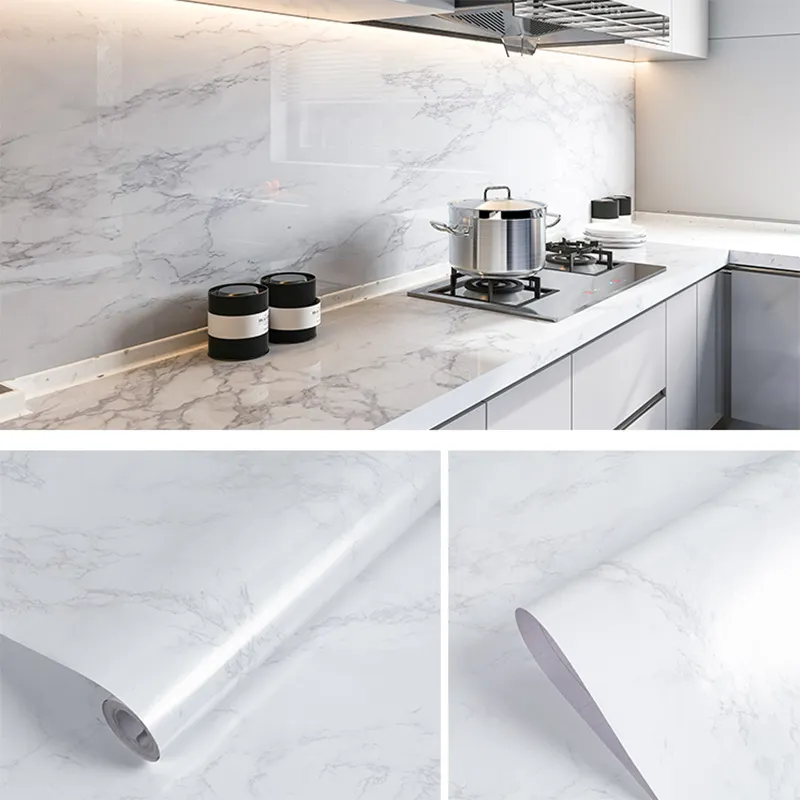
▶ Printing: Multi-color rotogravure printing for detailed patterns like realistic marble or wood grain film adds significant cost.
▶ Coating: Applying a protective top coat for scratch resistance, a soft-touch feel, or specific functionalities (anti-fingerprint, anti-bacterial) introduces another layer of material and processing.
Films engineered for demanding environments cost more. Key performance factors include:
Economies of scale apply. Large bulk orders (full container loads) dramatically reduce the per-unit cost by amortizing setup and fixed costs. Conversely, highly customized orders—small batches with unique colors, specific widths, or proprietary prints—incur higher setup charges and minimum order quantities (MOQs). Standard, off-the-shelf products from a manufacturer’s inventory are always the most cost-effective option for smaller projects.
Understanding the broad categories of PVC films helps contextualize their pricing. The following are indicative ranges; exact prices depend on the factors listed above and supplier negotiations.
Used primarily in furniture, cabinet, and interior decoration. Prices vary widely based on print quality and surface finish.
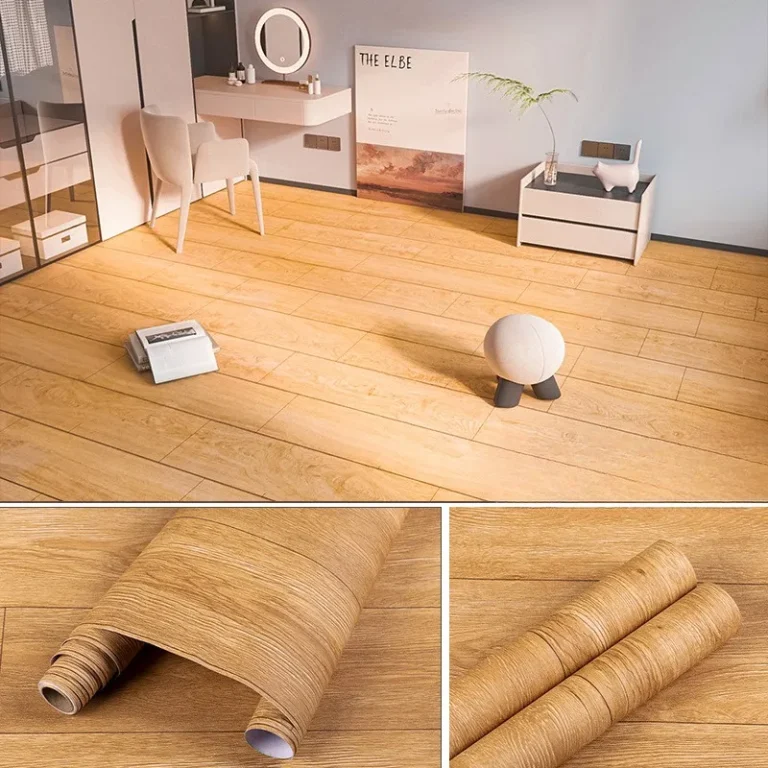
• Standard Solid Color/Wood Grain: The entry-level category. Includes basic solid color films and simple printed wood grains. Most economical.
• High-Fidelity Decorative Films: Includes realistic stone, metal, fabric prints, and deep-textured embossed films. Mid to high price range.
• Specialty Finish Films: Such as high-gloss, matte, soft-touch, or glossy wardrobe films. Command a premium for their aesthetic and tactile appeal.
Designed for durability, thickness, and wear resistance. Generally priced higher than decorative films due to material content and performance needs.
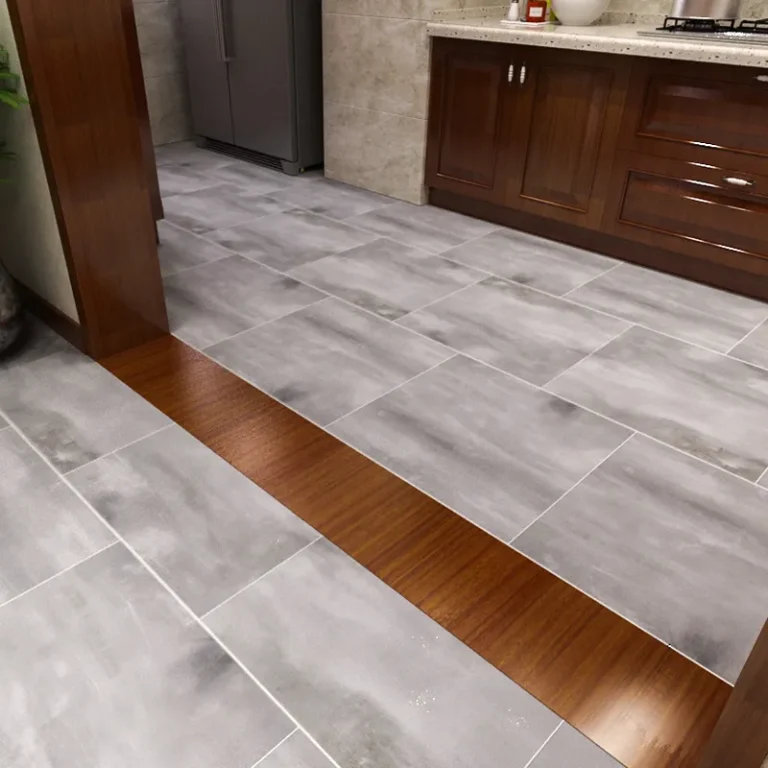
• Residential Vinyl Flooring Layers: The wear layer and printed decorative layer are critical cost components.
• Commercial & Heavy-Duty Floor Film: Requires higher thickness, enhanced UV stability, and superior scratch resistance, placing it in the higher price bracket.
Valued for function over form. Pricing depends on the technical specification.
• Surface Protection Films: Clear, adhesive films used to protect surfaces during manufacturing or shipping. Low to mid-range, depending on adhesion level and residue-free removal.
• Specialty Barrier Films: Includes anti-static films for electronics packaging, chemical-resistant films, and high-clarity optical films. These are typically in the mid to high price range due to specialized formulations.
Simply comparing price per roll from different suppliers can be misleading. A true cost comparison must be holistic, considering Total Cost of Ownership (TCO).
Create a detailed specification sheet: required thickness, width, length per roll, color/pattern (provide Pantone or physical sample), surface finish (gloss level, texture), key performance criteria (tensile strength, elongation, fire rating), and necessary certifications. This ensures all suppliers are quoting on a like-for-like basis.
Look beyond the unit price. Scrutinize:
▶ MOQ: Can you meet it? Does a higher MOQ offer a disproportionate discount?
▶ Packaging: Is export-standard, moisture-proof packaging included? Poor packaging can lead to damaged goods.
▶ Lead Time & Payment Terms: A slightly higher price from a supplier with shorter, reliable lead times and favorable terms may offer better value by reducing your inventory costs and project risk.
The cheapest supplier can become the most expensive if they deliver late, provide inconsistent quality, or lack communication. For long-term projects, partnering with a reliable manufacturer who understands your needs and can ensure a steady, quality supply is often the most cost-effective strategy in the long run.
For budget-conscious furniture wrapping, standard calendered PVC films with simple wood grain or solid color prints offer the best balance of cost and performance. They provide adequate formability, durability, and aesthetic appeal for many interior applications without the premium associated with high-gloss finishes, deep 3D textures, or ultra-realistic prints.
Price per roll decreases significantly with larger order quantities due to economies of scale. Setting up printing cylinders or calibrating machinery for a specific color/pattern has a fixed cost. This cost is spread over more rolls in a large order, reducing the cost burden on each unit. For standard products, full-pallet or full-container orders typically offer the lowest per-unit cost.
Yes, often there are. Manufacturers in Asia, particularly in regions with strong PVC supply chains, can frequently offer lower base prices due to competitive raw material costs and scale of operation. However, European or North American producers might compete on faster lead times for local markets, reduced shipping costs, and specific compliance with regional regulations (e.g., CE marking, local fire codes), which can balance the overall cost equation.
Eco-friendly formulations, such as phthalate-free (using alternative plasticizers like DOTP, DINCH) or bio-based PVC films, typically come at a premium of 10% to 30% compared to standard formulations. This is due to the higher cost of alternative raw materials and sometimes more complex processing. The investment is often necessary for products targeting markets with strict regulations (e.g., toys, childcare items, certain EU markets) or for brands emphasizing sustainability.
Always request and evaluate physical samples before finalizing a large purchase. Reputable suppliers will provide samples of the exact specification you are quoting. Test these samples for key properties: check color accuracy and consistency under different lights, feel the surface texture, test adhesion (if applicable), and if possible, perform a small-scale application test. Additionally, ask for quality certifications and test reports (e.g., for thickness tolerance, tensile strength) to ensure the material meets the claimed specifications behind the price.