Address
304 North Cardinal St.
Dorchester Center, MA 02124
Work Hours
Monday to Friday: 7AM - 7PM
Weekend: 10AM - 5PM
Address
304 North Cardinal St.
Dorchester Center, MA 02124
Work Hours
Monday to Friday: 7AM - 7PM
Weekend: 10AM - 5PM


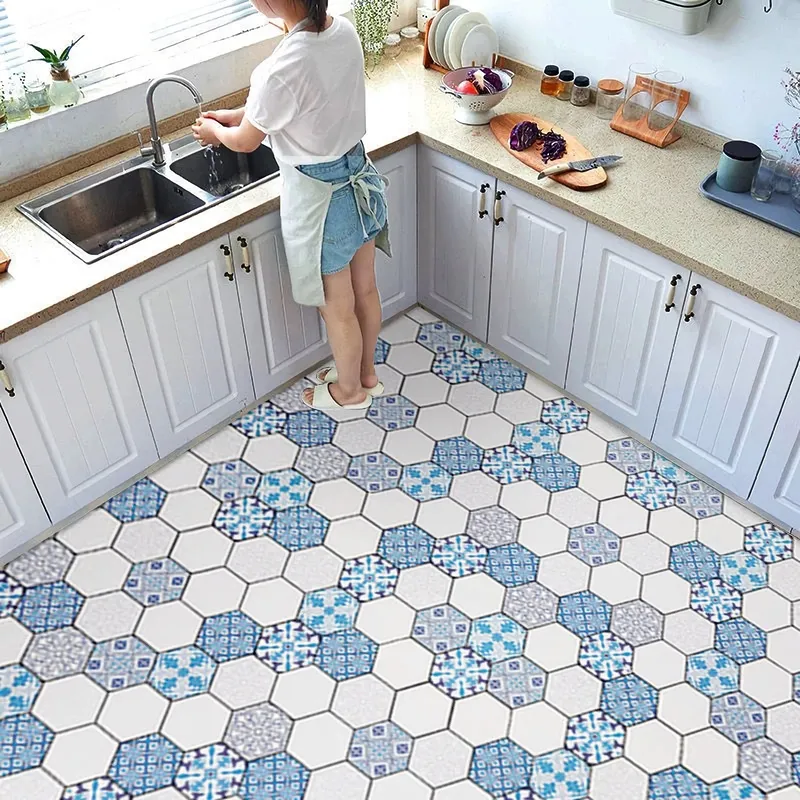
Polyvinyl Chloride (PVC) film is a remarkably versatile material that has become integral to countless industries and applications. This synthetic plastic polymer, known for its durability, flexibility, and cost-effectiveness, is manufactured in thin, continuous sheets. From the sleek surfaces of modern furniture to the protective layers in electronic devices, PVC film offers a combination of aesthetic appeal and functional performance that is hard to match. Its ability to be customized in terms of texture, color, thickness, and finish makes it a preferred choice for designers, engineers, and manufacturers worldwide.
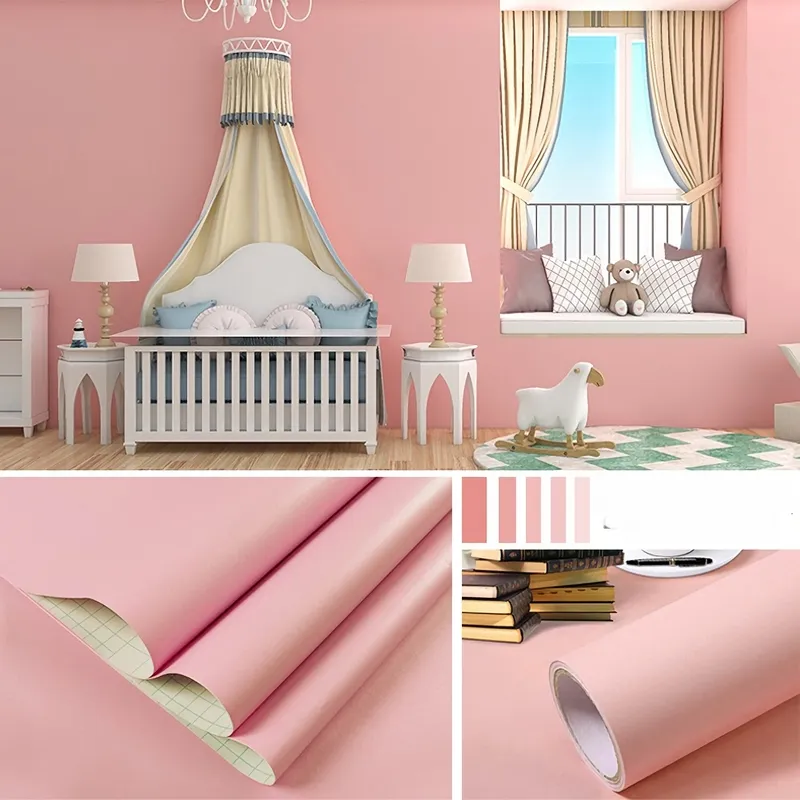
The world of PVC film is vast, with each type engineered for specific characteristics and end-uses. Understanding these variations is key to selecting the right material for your project.
The manufacturing method significantly influences the film’s properties. The two primary processes are:
Calendered Film: This is produced by passing heated PVC compound through a series of heavy rollers. It results in films with excellent dimensional stability, consistent thickness, and a smooth surface, ideal for applications like flooring and graphic overlays.
Cast Film: Created by spreading a liquid PVC plastisol onto a moving belt and then curing it. Cast films are known for their exceptional clarity, high gloss, and soft feel, making them perfect for premium packaging and protective surfaces.
Surface treatment defines both the look and tactile experience of the film.
Beyond aesthetics, films can be formulated for specific performance needs.
✔ Anti-Static Film: Essential for protecting sensitive electronic components during manufacturing and storage.
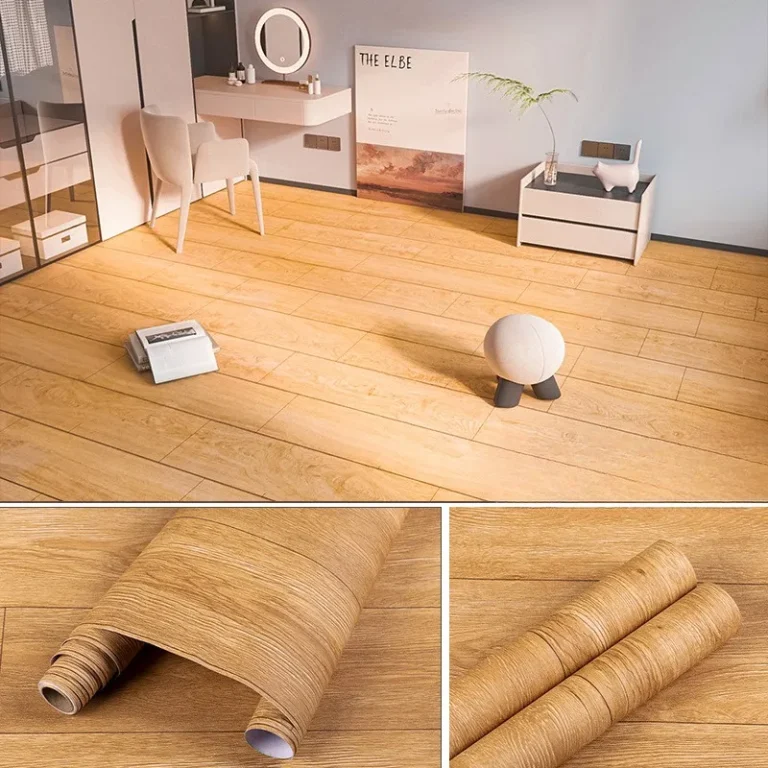
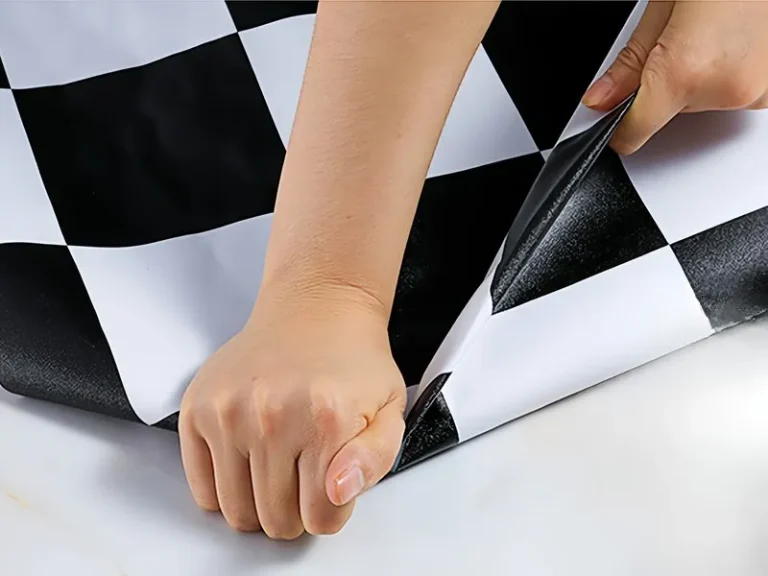
✔ Self-Adhesive Film: Features a pressure-sensitive adhesive backing for easy application on walls, furniture, or skirting boards.
✔ Fire-Retardant Film: Treated to inhibit the spread of flames, crucial for public transportation and building interiors.
✔ UV-Stabilized Film: Contains additives to resist degradation from sunlight, perfect for outdoor signage and vehicle wraps.
The adaptability of PVC film allows it to solve problems and enhance products in nearly every sector.
This is one of the largest application areas. PVC films are laminated onto particleboard, MDF, or plywood to create affordable, durable, and stylish furniture for homes, offices, and hotels. They are used for kitchen cabinets, wardrobes, tables, and shelving. In decoration, they serve as modern, easy-to-clean wall coverings, offering an alternative to traditional paint or wallpaper, with options like solid color designs for a minimalist look.
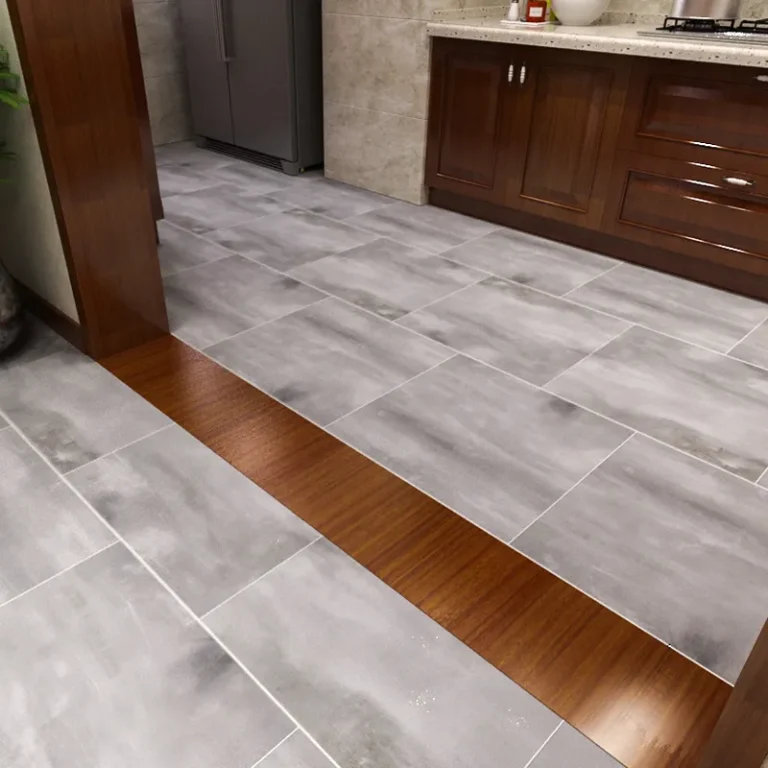
In construction, PVC films provide protective and decorative layers. They are used as waterproof membranes, surface layers for wall panels and ceiling tiles, and as the wear layer in luxury vinyl flooring (LVT). Films for window profiles and door skins offer weather resistance and color consistency.
Inside vehicles, PVC films are used for instrument panel skins, door trim, and seat coverings due to their durability, ease of cleaning, and ability to be formed into complex shapes. They also appear in exterior applications like protective trim and graphic decals.
PVC’s clarity and printability make it excellent for blister packs, clamshells, and shrink sleeves for consumer goods. In graphics, it is the base material for banners, stickers, vehicle wraps, and backlit signage due to its dimensional stability and ink adhesion.
Specialty films are critical in cleanrooms, laboratories, and medical settings as protective barriers, sterile packaging, and surface coverings that are easy to disinfect. Industrial uses include masking films for painting and protective layers for sensitive equipment during shipping.
Off-the-shelf products don’t always fit unique project requirements. This is where the value of a manufacturer with strong custom capabilities becomes apparent. A provider like Pulivk Film leverages full in-house control over calendering, printing, and slitting to deliver tailored solutions.
Key Customization Parameters Include:
Thickness & Dimensions: Films can be produced in specific gauges and slit to exact roll widths and lengths.
Color & Pattern: From precise Pantone color matching to developing proprietary patterns or high-fidelity photographic prints.
Surface Engineering: Applying functional coatings for anti-fog, anti-bacterial, or enhanced abrasion resistance.
Adhesive Systems: Customizing the adhesive type, thickness, and release liner for specific substrates.
Packaging: Tailoring core size, outer packaging, and labeling to fit automated production lines or retail requirements.
This level of customization is facilitated by a robust OEM/ODM service model. It begins with a deep consultation to understand the application’s mechanical, environmental, and aesthetic demands. Prototypes and samples are then produced for testing and approval, ensuring the final product performs perfectly in the field. This approach is ideal for brands looking to differentiate their products or for industrial applications with non-standard specifications.
Choosing a supplier goes beyond comparing price lists. A reliable partner should offer:
For more insights into material properties and applications, visit our comprehensive knowledge base.
Q1: What are the main advantages of using PVC film over other materials like real wood veneer or paint?
A: PVC film offers superior consistency in color and pattern, excellent moisture and chemical resistance, easier maintenance, and generally lower cost. It is also more durable against scratches and impacts compared to many painted surfaces and provides a wider range of design possibilities than natural veneers.
Q2: How environmentally friendly is PVC film?
A: Modern PVC films can be produced with a strong focus on sustainability. Look for suppliers who use phthalate-free plasticizers, heavy-metal-free stabilizers, and offer recyclable or recycled-content options. Many films are also compliant with international environmental standards like REACH and RoHS.
Q3: Can PVC film be used in high-temperature environments, like near ovens or in direct summer sun?
A: Standard PVC films have a continuous use temperature limit, typically around 60-70°C (140-158°F). For high-heat applications, such as kitchen splashbacks or exterior automotive parts, specially formulated high-temperature grade films or alternative materials should be considered.
Q4: What is the typical lead time for a custom PVC film order?
A: Lead time depends on the complexity of the customization and order volume. For standard custom colors or sizes, it can be 2-4 weeks. New pattern development or complex functional coatings may require 6-8 weeks. Reputable suppliers provide clear timelines and maintain buffer stock of popular items for quicker delivery.
Q5: How do I properly apply self-adhesive PVC film to ensure a bubble-free, long-lasting finish?
A: Key steps include: 1) Cleaning the substrate thoroughly to remove all dust and grease. 2) Using a squeegee or felt applicator to slowly apply the film from one edge, pressing out air pockets as you go. 3) For large surfaces, using a wet application method with a soapy water solution can allow for repositioning. Always follow the manufacturer’s specific application guidelines.