Address
304 North Cardinal St.
Dorchester Center, MA 02124
Work Hours
Monday to Friday: 7AM - 7PM
Weekend: 10AM - 5PM
Address
304 North Cardinal St.
Dorchester Center, MA 02124
Work Hours
Monday to Friday: 7AM - 7PM
Weekend: 10AM - 5PM


Architectural window film is one of the fastest ways to improve comfort, privacy, and energy performance in commercial and residential buildings—without replacing glass. Whether you manage an office tower, operate a retail storefront, or renovate a home, the right film can reduce heat and glare, add safety, and elevate the look of the façade or interiors while keeping downtime and disruption low.
Key takeaway:
A good window film decision is less about picking a “dark tint” and more about matching performance metrics (heat rejection, UV blocking, visible light transmission, safety rating) to how the space is used.
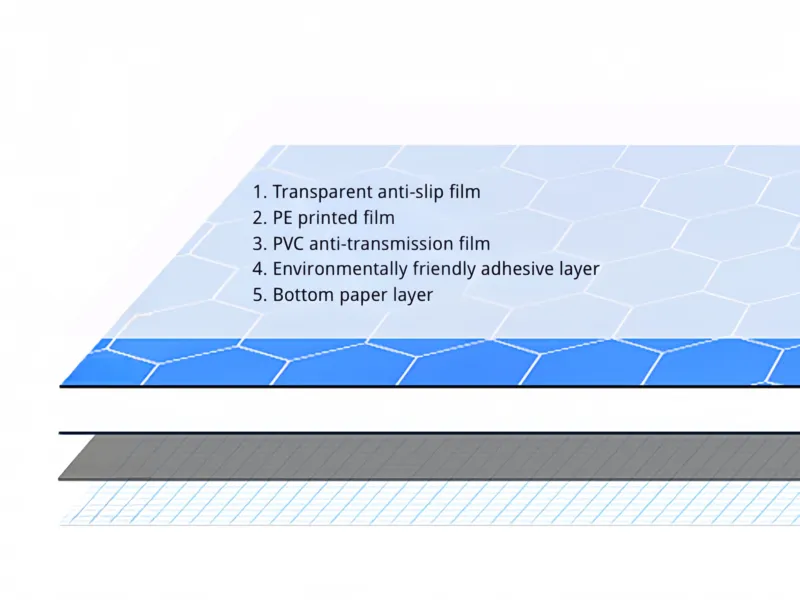
Architectural window film is a thin, multi-layer material applied to the interior (and sometimes exterior) surface of glass. Depending on its design, it can reflect or absorb solar energy, filter UV, diffuse light for privacy, strengthen glass against impact, or add decorative patterns. Modern films use advanced coatings and adhesives so they can look nearly invisible while delivering measurable performance improvements.
In many projects, window film becomes a “smart retrofit”: you keep existing glazing, reduce HVAC load, protect interiors from fading, and improve occupant comfort—all with a quicker timeline than a full window replacement.
Solar control films can reduce incoming solar heat, helping stabilize indoor temperatures and easing air-conditioning demand. In warm climates or sun-facing façades, this often translates into noticeable comfort gains—especially near perimeter desks, meeting rooms, and lobbies where glass exposure is highest.
Look for: Solar Heat Gain Coefficient (SHGC), Total Solar Energy Rejected (TSER), and U-value (in combination with existing glass).
Glare makes offices less productive and homes less relaxing. The right film balances glare reduction with daylight so spaces stay bright without creating harsh reflections on monitors or washed-out TV screens.
Practical tip: Choose a film with a Visible Light Transmission (VLT) that matches room function—higher VLT for living areas, lower VLT for west-facing workspaces with afternoon sun.
Most quality architectural films block up to 99% of UV, helping slow fading and material degradation. This matters for flooring, artwork, retail displays, furniture, curtains, and even some countertop finishes.
Note: UV protection does not automatically mean strong heat rejection—verify both UV and solar specs.
Privacy films (frosted, etched, or patterned) are common in offices, clinics, gyms, and street-level residential windows. They help define private areas without adding walls—useful for meeting rooms, reception desks, bathrooms, and corridors.
Reminder: Mirror/reflective films typically provide strong daytime privacy but become less private at night when indoor lights are on.
Safety/security films help hold shattered glass together if it breaks due to impact, accidents, or extreme weather. This reduces flying shards and can slow forced entry attempts—especially when paired with proper attachment systems and frames in good condition.
Use case: Schools, storefronts, ground-floor offices, and high-traffic public buildings often prioritize glass retention.
Decorative films can mimic etched glass, add subtle gradients, or incorporate branded patterns. They provide a clean architectural finish and are easier to update than permanent glass frosting or panel replacements.
Designed to reduce heat gain and glare. Solar control films come in reflective, neutral, and spectrally selective options. Spectrally selective films are popular when you want strong heat rejection while keeping the glass relatively clear.
Selection shortcut:
If the building wants a clear look but needs comfort improvement, start by evaluating spectrally selective solar film. If the priority is maximum glare/privacy on a sunny façade, reflective may be better.
Best for bathrooms, meeting rooms, medical clinics, and partitions where privacy must be consistent regardless of time of day. Patterns can also function as a design element and wayfinding tool.
Thicker, stronger films engineered for glass retention. These are often used in schools, retail, and public buildings. Performance depends on glass type, film thickness, installation quality, and anchoring/attachment systems.
Used when the goal is visual enhancement—such as adding texture, soft diffusion, or a premium finish—while still benefiting from easier cleaning and maintenance. Decorative film can also help align interiors with brand identity.
Low-emissivity films are designed to improve year-round performance by reflecting interior heat back inside during cooler months, while also addressing solar control. They’re commonly considered in climates with meaningful heating seasons or buildings with high winter perimeter discomfort.
When comparing products, the label “dark” or “reflective” is not enough. Ask for a spec sheet and compare the metrics below against your goals and existing glazing type.
Start with the strongest pain point: overheating, glare, privacy, safety, or aesthetics. Most films can do multiple jobs, but the best choice is made by prioritizing what matters most for the space.
East and west façades typically struggle with low-angle sun and glare. South-facing glazing may face sustained solar load. North-facing windows often need minimal solar control but may benefit from privacy or decorative solutions.
Common matches:
Some films can increase the risk of thermal stress cracks on certain glass configurations (older glazing, tinted glass, specific Low-E coatings, or shaded-edge conditions). A professional assessment should confirm film-glass compatibility and warranty requirements.
Reflective films can change the façade appearance and provide stronger daytime privacy, but may feel “mirror-like.” Neutral films preserve a more natural glass look. Decorative and frosted films create a design statement while maintaining consistent privacy.
Window film cost varies widely by performance level, thickness, installation complexity, and project scale. Instead of relying on a single “per square meter” number, evaluate the cost drivers below.
For procurement teams, the most useful comparison is lifecycle value: comfort gains, energy savings potential, reduced fading damage, and avoidance of glass replacement can outweigh the initial installation cost.
Professional installers typically clean and prepare the glass, apply film with a solution, squeegee out moisture and air, and trim edges. Drying (curing) time depends on film type, glass size, and climate. During curing, you may see a hazy look or small moisture pockets that generally resolve as the film sets.
Most films are easy to maintain: use soft cloths and non-abrasive cleaners. Avoid harsh scrubbing pads and strong ammonia-based solutions unless the manufacturer approves them for the specific product.
Lifespan depends on film quality, installation, sun exposure, and whether the film is interior or exterior mounted. Premium architectural films can last many years when properly specified and maintained. Exterior films generally face harsher UV, rain, and temperature cycles, which may reduce service life compared with interior applications.
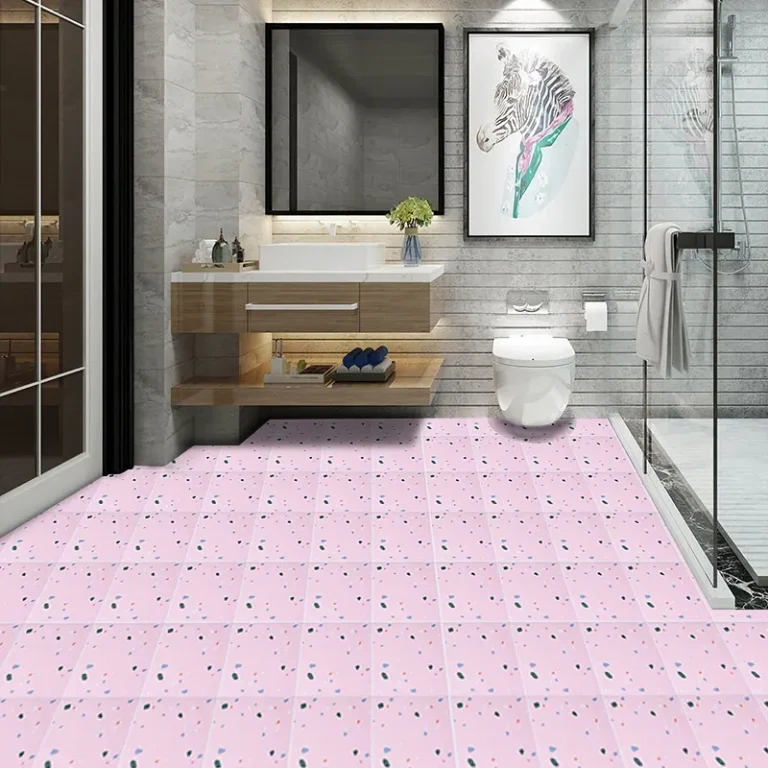
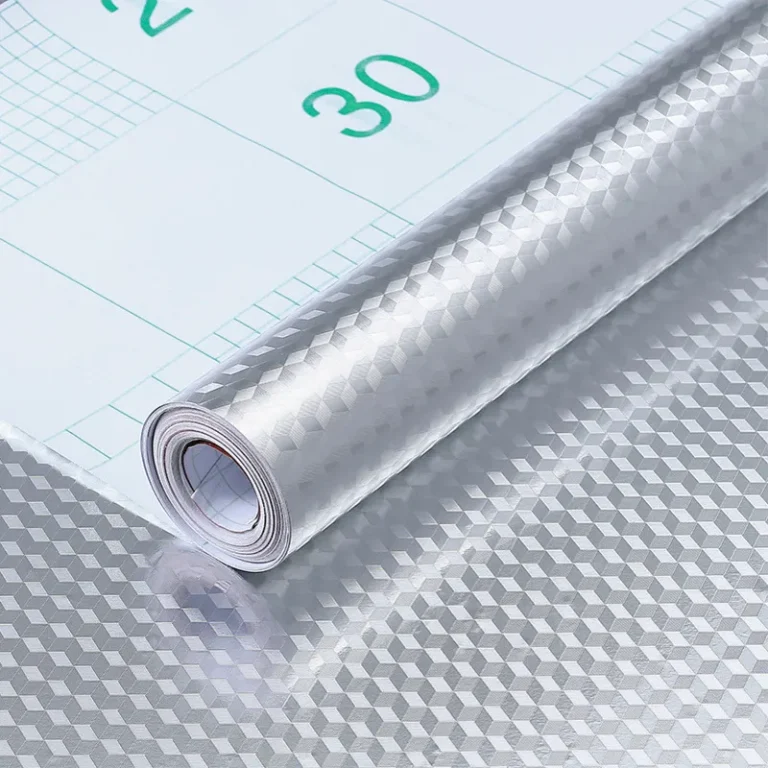
While this article focuses on window film for glass, many architectural projects also use surface films for walls, skirting, furniture panels, and floors—especially when fast refurbishment and consistent aesthetics are priorities. In those cases, calendered PVC decorative films are widely used because they can be produced with stable thickness, consistent color, and scalable OEM customization.
If your project includes interior upgrades: these product categories are often paired with window film to create a cohesive finish across the building.
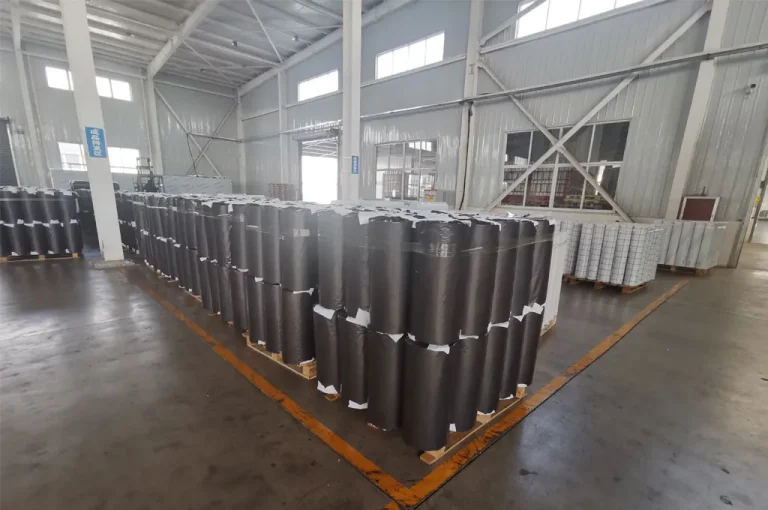
For teams sourcing architectural films at scale, suppliers with integrated production (calendering, printing, slitting, and packaging) can better control quality consistency, lead time, and customization—important for multi-site rollouts and brand-standard environments.
It can, especially in cooling-dominant buildings with strong sun exposure. Results depend on existing glass, climate, HVAC schedules, and film specs (TSER/SHGC). Comfort improvements are often the most immediately noticeable benefit.
Not if you choose the right VLT. Many modern films deliver meaningful heat rejection while keeping a relatively clear appearance—ask to review samples on glass in similar lighting conditions.
Often yes, but compatibility must be verified. Certain glass/coating combinations may require specific film types to avoid thermal stress and protect warranties.
Lifespan varies by product quality, exposure, and whether it’s installed inside or outside. Interior installations typically last longer than exterior ones under harsh weather conditions.
Usually not. When the interior is brighter than the exterior (common at night), people outside may see in. If nighttime privacy is essential, consider frosted/pattern privacy film or layered solutions such as blinds plus solar control film.