Address
304 North Cardinal St.
Dorchester Center, MA 02124
Work Hours
Monday to Friday: 7AM - 7PM
Weekend: 10AM - 5PM
Address
304 North Cardinal St.
Dorchester Center, MA 02124
Work Hours
Monday to Friday: 7AM - 7PM
Weekend: 10AM - 5PM


Black PVC film has become a cornerstone material in modern furniture and flooring design, offering a sleek, durable, and versatile solution for both residential and commercial spaces. Its deep, uniform color provides a sophisticated backdrop that complements a wide range of styles, from minimalist and industrial to classic and contemporary. This guide delves into the essential uses, various types, and key considerations for purchasing black PVC film for your next project.
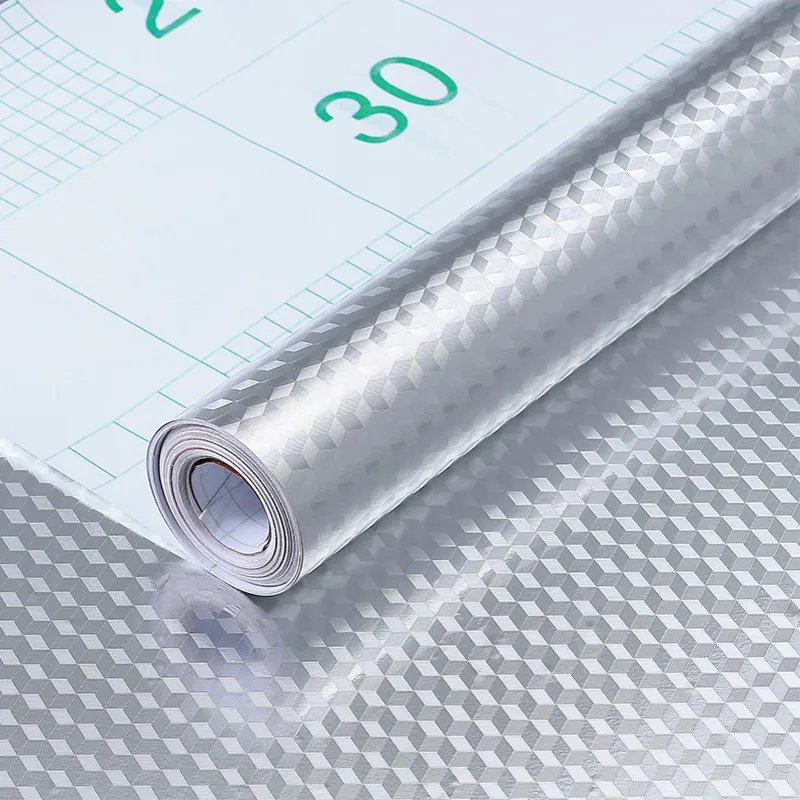
The utility of black PVC film extends across numerous applications, primarily valued for its protective and aesthetic qualities.
In furniture, black PVC film is extensively used as a laminate for surfaces. It is applied to cabinet doors, tabletops, shelving units, and decorative panels. The film provides a scratch-resistant, easy-to-clean surface that mimics more expensive materials like lacquered wood or stone at a fraction of the cost. For refurbishment projects, it offers a quick and effective way to update old furniture with a modern, cohesive look without the mess of paint or varnish.
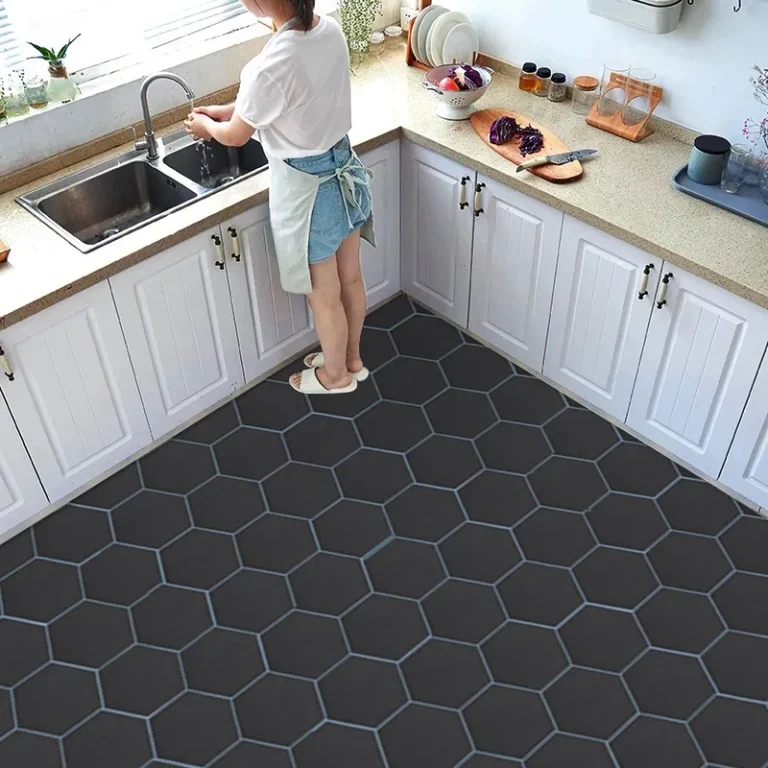
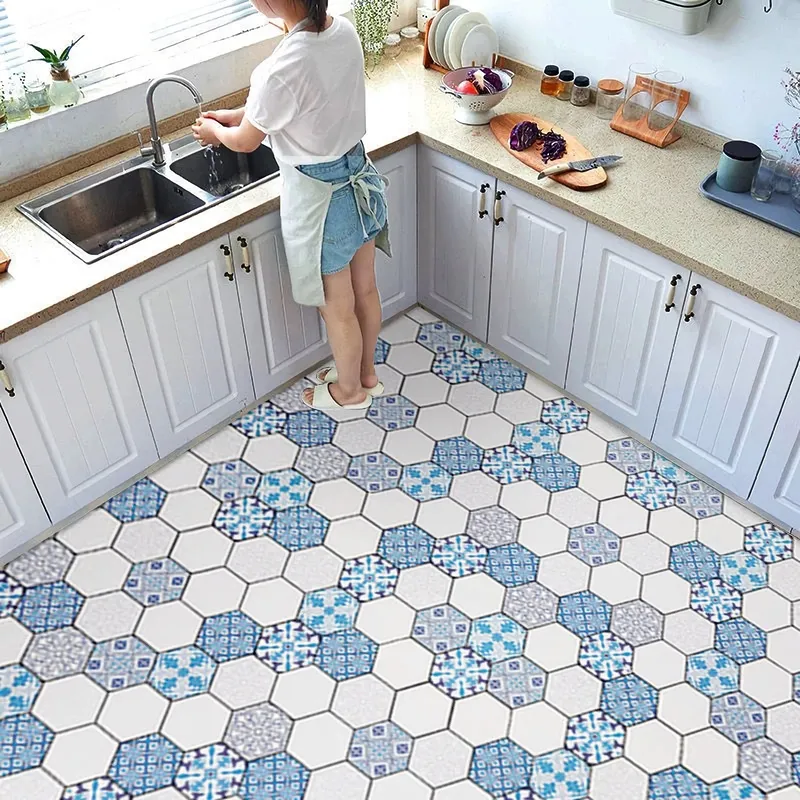
For flooring, black PVC film is a key component in luxury vinyl tiles (LVT) and sheet vinyl. It forms the wear layer and often the decorative layer, offering exceptional resistance to stains, moisture, and heavy foot traffic. This makes it ideal for high-use areas such as kitchens, retail spaces, and offices. Its durability ensures the flooring maintains its appearance over years of use. Explore specific applications like vinyl kitchen flooring or protective floor film for more details.
Beyond flat surfaces, black PVC film is used to cover skirting boards, door frames, and wall panels. It creates a seamless, continuous look that is particularly popular in modern interior design. Specialized PVC skirting film is designed for this purpose, ensuring a perfect fit and finish that protects these elements from scuffs and damage.
Not all black PVC films are created equal. The performance and final look depend heavily on the type of film selected.
This is the most common type, produced by pressing molten PVC compound between heavy rollers. Calendered film is known for its excellent dimensional stability, consistency in thickness, and high gloss potential. It’s the workhorse for most furniture lamination and flooring wear layers.
Beyond aesthetics, black PVC films can be engineered with added functionalities:
Anti-static: Crucial for electronic manufacturing environments or office furniture where dust attraction and static discharge are concerns.
Self-adhesive: Features a pre-applied adhesive backing for easy, glue-free application, perfect for DIY projects and small-scale refurbishments.
High-Pressure Laminate (HPL) Films: Designed for extreme durability, these are used in applications like laboratory countertops and heavy-duty commercial furniture.
Selecting the right black PVC film requires careful consideration of several technical and practical factors.
Thickness: Measured in microns (µm) or mils. Furniture laminates typically range from 80µm to 200µm, while flooring wear layers can be from 0.3mm to 0.7mm. Thicker films generally offer better durability and scratch resistance.
Width & Roll Length: Ensure the film width covers your substrate dimensions to avoid unsightly seams. Standard industrial rolls can be over 1.5 meters wide. Confirm roll length to calculate material needs and cost accurately.
Durability Tests: Inquire about abrasion resistance (Taber test results), scratch hardness, and tensile strength. For flooring, the Abrasion Class (AC rating) is a key indicator of suitability for different traffic levels.
Color Fastness & Stability: The black pigment must be UV-stable to resist fading from sunlight exposure. The film should also have low thermal expansion to prevent warping or bubbling with temperature changes.
Chemical Resistance: For kitchens and bathrooms, ensure the film resists common household chemicals, oils, and stains. Products like kitchen anti-oil film are specifically formulated for this challenge.
Always verify that the film complies with relevant safety and environmental standards for your region. Key certifications to look for include:
Partnering with a reliable manufacturer like Pulivk Film is crucial. Consider their:
Customization Options: Can they adjust thickness, finish, width, or provide custom color matches? A strong OEM/ODM service is a significant advantage.
Minimum Order Quantity (MOQ): Suitable for both prototype projects and large-scale production runs.
Sample Availability: Always request physical samples to evaluate color, texture, and flexibility firsthand before placing a bulk order.
Technical Support: A good supplier will offer application guidance and troubleshooting support.
Black PVC film provides a more durable, uniform, and consistent finish than paint. It is highly resistant to scratches, chips, moisture, and chemicals, and does not require drying time or emit strong odors during application. It also offers a wider variety of textures and sheens.
Yes, but it depends on the film’s flexibility and the radius of the curve. Flexible, thinner calendered films or specially formulated soft PVC films are designed for post-forming applications (gentle curves). For tight radii, it’s best to consult with your supplier for the most suitable product.
Maintenance is simple. For daily cleaning, use a soft cloth dampened with water and a mild, non-abrasive detergent. Avoid harsh solvents, abrasive pads, or steel wool. High-gloss finishes may show water spots more easily, requiring a dry microfiber cloth for a final wipe.
Standard interior-grade black PVC film is not recommended for prolonged outdoor use. UV radiation can cause fading and degradation. For outdoor applications, you must source films specifically engineered with high levels of UV stabilizers and weather-resistant additives.
When properly applied and maintained, high-quality black PVC film on furniture can last 10-15 years or more. As a wear layer on flooring in residential settings, it can easily last 15-20 years, depending on the traffic and thickness of the wear layer.