Address
304 North Cardinal St.
Dorchester Center, MA 02124
Work Hours
Monday to Friday: 7AM - 7PM
Weekend: 10AM - 5PM
Address
304 North Cardinal St.
Dorchester Center, MA 02124
Work Hours
Monday to Friday: 7AM - 7PM
Weekend: 10AM - 5PM


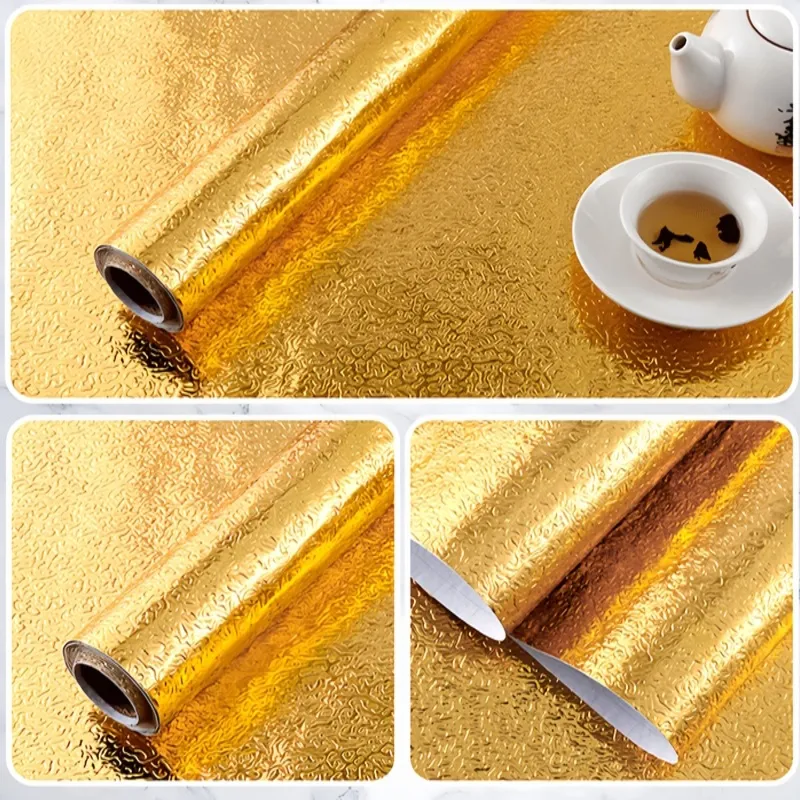
Buying PVC film in bulk is not just a price negotiation—it’s a performance decision that affects your product finish, processing stability, warranty risk, and delivery timeline. Whether you are laminating furniture panels, wrapping profiles, producing floor coverings, or converting rolls for packaging and protection, the “right” PVC film depends on type, thickness, surface, compliance, and supplier capability. This guide walks you through a practical selection method so you can purchase with confidence, reduce rejects, and keep your production predictable.
✔ Bulk-buyer mindset:
Choose PVC film the same way you would choose a critical component—define the application first, lock technical specs second, and validate supplier process control third.
PVC film is a broad family of materials used for decoration, protection, insulation, and functional surfaces. Before comparing quotes, clarify the job the film must perform—because that will dictate resin formulation, calendering stability, coating options, embossing depth, and even packaging method.
Furniture & cabinet surfaces: wood grain, matte, glossy, soft-touch films; requires stable color, scratch resistance, consistent gloss.
Building & interior decoration: wall films, skirting films, solid color decorative films; needs durability, easy cleaning, long-term appearance.
Electronics & appliances: anti-static, protective, insulation films; needs controlled surface resistance, low contamination, reliable thickness tolerance.
Advertising & exhibition: backdrops, display films; needs printability, flatness, stable color and opacity.
Medical & cleanroom packaging: protective and clean packaging films; needs compliance and clean handling.
Once you define the end use, you can narrow film types, thickness range, surface finishes, and the tests you must request (adhesion, haze, gloss, abrasion, anti-static performance, migration limits, etc.).
Many bulk orders fail because “PVC film” was specified too generally. In procurement terms, you should categorize by manufacturing method and surface/function, then match to processing needs like lamination, wrapping, thermoforming, or PSA (pressure-sensitive adhesive).
Calendered film is widely chosen for bulk purchasing due to consistent thickness control, stable roll-to-roll behavior, and suitability for printing, embossing, lamination, and converting. If your priority is process stability across many containers, calendered film is often the best baseline.
For reference products, see Calendered Film.
Decorative films include wood grain, marble, metal, solid color, fabric textures, and 3D embossed effects. They are chosen primarily for appearance and tactile feel, but in bulk procurement you must also manage batch color tolerance, gloss consistency, and abrasion performance.
📌 Quick matching tips:
Natural wood look: consider Wood Grain Film for cabinets, doors, wall panels, and profile wrapping.
Stone/luxury interior: consider Marble Film when you need a high-end look with easier cleaning than real stone.
High-touch premium feel: textured options like 3D Silk Texture Film can elevate perceived quality for retail fixtures and home interiors.
If you need properties beyond decoration—like anti-static behavior, anti-fog, easy-peel protection, or self-adhesive installation—specify the function first, then confirm measurable targets. For example, “anti-static” should be tied to a surface resistivity range and validation method, not just a label.
Thickness is the most common spec in bulk PVC film RFQs—and the most misunderstood. The “best” thickness is the lowest thickness that still meets performance goals with acceptable processing yield. Too thin can cause stretching, print show-through, and tearing; too thick can create forming issues, higher material cost, and unnecessary stiffness.
Very thin films (approx. 40–80 μm): protective layers, light packaging, certain laminated decorative uses where substrate provides rigidity.
Mid-range (approx. 80–200 μm): most decorative lamination and wrapping, consistent print/emboss performance, good balance for bulk orders.
Thicker films (approx. 200–500+ μm): flooring layers, heavy-duty protection, applications demanding higher puncture resistance and dimensional stability.
Note: Your converting method (hot lamination, cold lamination, vacuum press, profile wrapping, die cutting) often sets the real thickness limits.
In bulk shipments, even small thickness fluctuations can show up as gloss variation, uneven embossing depth, unstable winding, or inconsistent adhesion. When requesting a quotation, include:
target thickness, allowed tolerance, and whether measurements should be reported as average, minimum/maximum, or cross-web profile.
For wrapping and lamination, the bulk headache is often not tearing but dimensional change under heat. Ask for heat shrinkage data (temperature, dwell time, MD/TD direction), especially if you run hot presses, thermoforming, or post-lamination heating.
Surface is what your customer sees and feels—so control it like a branding asset. For bulk orders, define surface requirements in measurable terms wherever possible.
Gloss level: specify target gloss (e.g., 60° gloss) and acceptable range; “semi-gloss” is too vague for bulk purchasing.
Emboss depth & pattern ID: confirm emboss roller/pattern code to prevent “similar but not identical” texture in repeat orders.
Color tolerance: request delta E target and lighting condition; define whether matching is to a sample chip, pantone, or your own master roll.
Stain and scratch resistance: define test method and minimum pass level for your use case (kitchen, public spaces, rental property, etc.).
Bulk buyers often focus on film appearance, but production teams care about adhesion reliability. Misalignment here leads to bubbles, lifting edges, delamination, or rework—costs that quickly exceed any per-meter savings.
PVC films can be used with hot-melt, PUR, solvent-based, and water-based adhesives depending on process and regulations. Ask the supplier whether the film is designed for your adhesive chemistry and whether it needs primer, corona treatment, or specific surface energy.
• Substrate type (MDF, particleboard, metal, PVC profile, glass, acrylic, etc.)
• Bonding method (PUR/hot-melt/solvent/water-based/PSA)
• Processing temperature range and line speed
• Expected service conditions (kitchen oil, humidity, UV exposure, cleaning chemicals)
• Required peel strength and aging test expectations
If your films are used indoors (furniture, walls, cabinets) or in human-contact scenarios, compliance is not optional. For international distribution, your purchasing file should include relevant documentation and traceability.
Request confirmation of compliance with applicable standards such as REACH, RoHS, and when relevant FDA, plus quality/environment systems like ISO 9001 and ISO 14001. If you have strict policies, also confirm the film is free of heavy metals and phthalates, and ask for third-party test reports.
⚠ Documentation tip:
For each bulk lot, keep a simple record pack: COA/COC, test reports, color standard reference, roll list with batch numbers, and packaging photos. This makes claims and repeat orders far easier to manage.
A good supplier is not just a factory with machines—it’s a partner with process control, stable lead times, and the ability to repeat your product month after month. When comparing suppliers, evaluate both manufacturing capability and quality system maturity.
Suppliers with integrated calendering, printing, and slitting/packaging can control quality from raw material to finished rolls. This helps reduce variability and shortens lead times because fewer steps are outsourced.
Ask how they verify thickness uniformity, tensile strength, adhesion behavior, optical clarity/haze (if transparent), and how they handle batch traceability. In bulk purchasing, the key is consistency—one problematic batch can disrupt multiple weeks of production.
• Can you share typical tolerances for thickness and width, not just “customizable”?
• How do you prevent color drift across long runs and repeat orders?
• Do you offer online factory tours and batch traceability for each shipment?
• What is your packaging standard to prevent dust, edge damage, and moisture during export?
• Can you support OEM/ODM for pattern, emboss, printing, roll length, and labels?
Customization is where bulk orders become competitive advantages—if managed correctly. When you request OEM/ODM, your goal is to eliminate ambiguity. Provide a technical brief, physical samples if possible, and define approval steps before mass production.
Common OEM/ODM customization includes thickness, width, roll length, core size, surface finish (gloss/matte/emboss), functional coatings (anti-static, anti-fog, food-grade), color/pattern matching, and packaging/labels for warehouse scanning.
🧾 RFQ template (copy/paste):
• Film type (calendered/decorative/functional) + application
• Thickness + tolerance; width + tolerance; roll length; core ID
• Surface: gloss level, emboss pattern, color standard (sample/Pantone/delta E)
• Processing method (lamination/wrapping/printing) + temperature/speed
• Compliance requirements + destination country + shipping terms
Bulk PVC film is vulnerable to edge dents, telescoping, moisture, and contamination. Packaging is not cosmetic—it directly impacts yield. A professional supplier will package each roll with dust control and clear labeling to support receiving and traceability.
For export, confirm rolls are individually wrapped (commonly PE film or kraft paper), edges protected, and cartons/pallets are stable for long-distance shipping. Also confirm labeling includes: specification, lot number, roll length, width, thickness, date, and QC status.
If you convert rolls on your own lines, the slitting quality matters: edge smoothness, winding tension, roll hardness, and splice policy (whether splices are allowed and how they’re marked). These factors determine whether operators can run continuously without frequent web breaks.
Moisture protection: especially for sea freight and humid climates.
Edge protection: prevents dent lines and winding collapse.
Roll ID traceability: each roll should be traceable to a batch/lot.
Clear receiving labels: speeds inbound checks and reduces warehouse errors.
Sampling should simulate real production, not just a desk review. Many issues only appear under heat, pressure, and line speed. Build a structured evaluation process so the final bulk order is simply a scaled-up version of a proven sample.
1) Visual confirmation under consistent lighting (color, gloss, emboss).
2) Trial run on your actual line settings (temperature, speed, adhesive).
3) Aging checks (heat/humidity exposure, cleaning chemical wipe, peel re-check).
4) Approve a “golden sample” and lock the specification for mass production.
✅ Best practice:
Ask the supplier to keep a retained reference sample from the approved batch and confirm repeat-order matching rules (delta E, gloss range, emboss code).
Bulk price is influenced by more than thickness. Surface treatments, print layers, emboss complexity, compliance requirements, packaging, and slitting all add value—and cost. The goal is not the lowest unit price; it’s the lowest total cost of ownership after yield, rejects, and downtime.
Compare quotations using the same basis: identical thickness tolerance, width tolerance, roll length, packaging grade, compliance requirements, and lead time. If one supplier quotes lower but uses looser tolerances or weaker packaging, the “savings” can disappear through production loss and damage claims.
Pulivk Film focuses on PVC film R&D and manufacturing across calendered and decorative categories, including transparent, frosted, embossed, pearlescent, color, anti-static, and self-adhesive options. With integrated capability in calendering, printing, and slitting/packaging, Pulivk can control quality while supporting faster delivery and cost efficiency for bulk orders.
For buyers who need consistent repeatability, Pulivk emphasizes multi-step QC from raw material through finished rolls, plus export-ready packaging (individual wrapping and labeled specifications). OEM/ODM support is available for thickness, width, roll size, colors, patterns, surface treatments, and packaging schemes, helping brand owners and manufacturers scale products across furniture, building decoration, electronics, advertising, medical, and home applications.
• Stable repeat orders (color, gloss, emboss consistency)
• On-time delivery supported by production planning and inventory management
• Documented compliance for international markets
• Export-safe packaging that protects yield
Include film type, application, thickness + tolerance, width + tolerance, roll length, surface (gloss/emboss/color standard), processing method (lamination/wrapping/printing), compliance requirements, and required quantity/lead time.
Choose the lowest thickness that still meets durability and processing stability. Validate with a line trial and request thickness tolerance data, not only the target number.
Causes include pigment variation, process drift, and different emboss/gloss affecting perceived color. Prevent issues by approving a golden sample, setting delta E limits, and locking the emboss pattern ID and gloss range.
Common requests include ISO 9001/14001, REACH, RoHS, and (when applicable) FDA, plus third-party reports confirming no heavy metals/phthalates and other customer-specific compliance needs.
Many manufacturers can support sampling and trial orders; MOQ varies by film type, thickness, and customization level. It’s best to confirm MOQ alongside lead time for both samples and mass production.