Address
304 North Cardinal St.
Dorchester Center, MA 02124
Work Hours
Monday to Friday: 7AM - 7PM
Weekend: 10AM - 5PM
Address
304 North Cardinal St.
Dorchester Center, MA 02124
Work Hours
Monday to Friday: 7AM - 7PM
Weekend: 10AM - 5PM


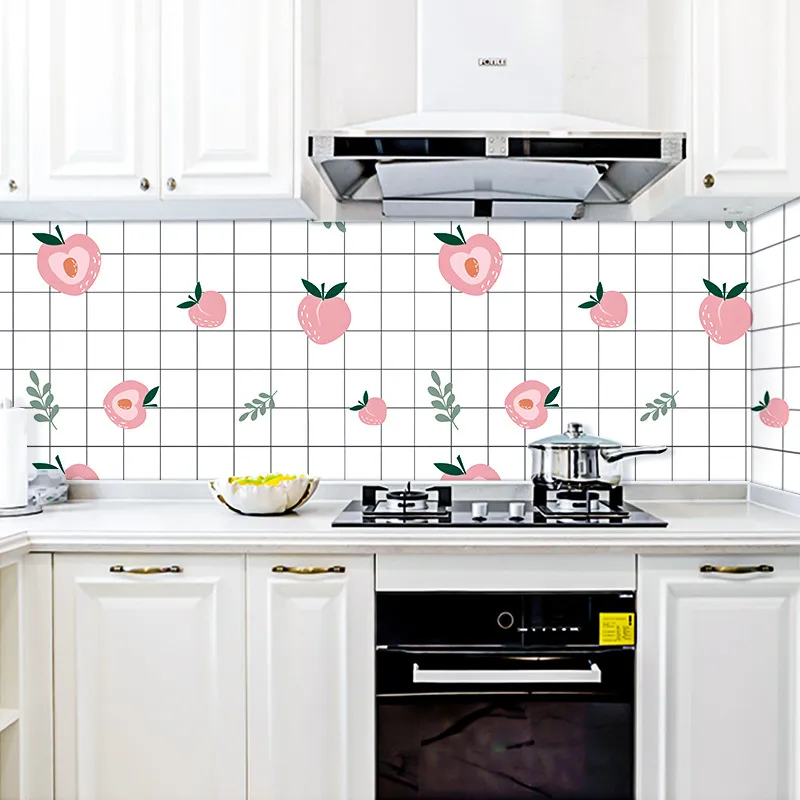
PVC film is widely used for decoration, protection, and surface finishing—but many buyers and DIY users still ask a practical question: can PVC film be used as a floor film? The answer depends on the film type, the floor condition, foot traffic, moisture exposure, and whether you need a short-term protective layer or a long-term flooring surface.
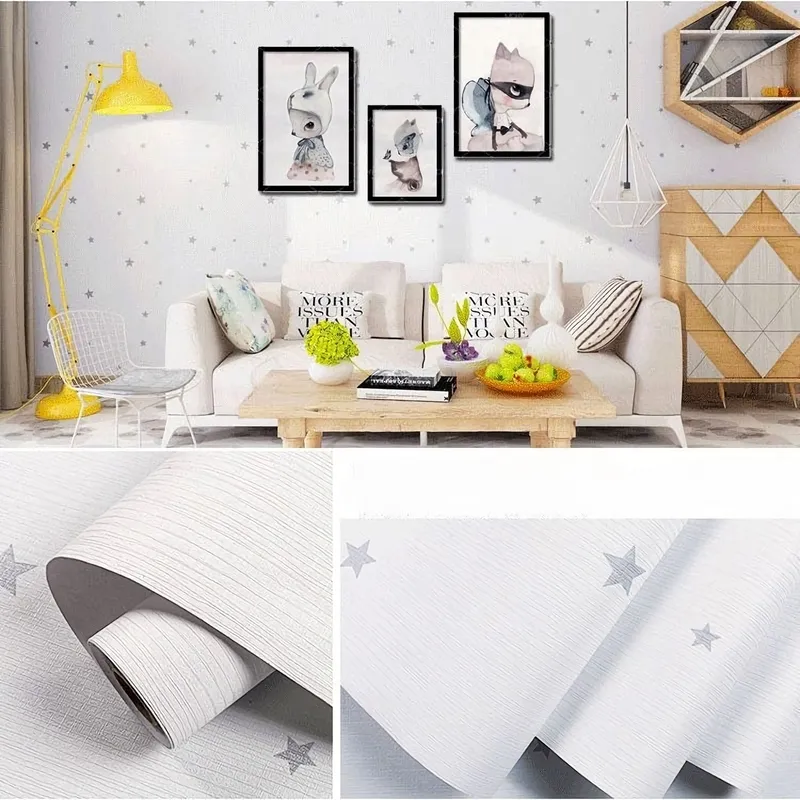
The term floor film is often used loosely. In practice, it can mean:
1) Temporary protective film placed over floors during renovation, moving, exhibitions, or construction to prevent scratches, paint drips, and dust damage.
Best requirement: stable adhesion, easy removal, and residue-free performance.
2) A surface layer intended to be walked on (decorative + functional), such as self-adhesive floor coverings, vinyl flooring surfaces, or laminated floor overlay films.
Best requirement: wear resistance, anti-slip texture, moisture tolerance, dimensional stability, and safe indoor compliance.
Many PVC films are designed for furniture, cabinets, walls, or doors. They may look perfect on a flat panel, but floors create abrasion, impact, grit friction, water exposure, and continuous pressure. This is why flooring-grade structures are different from general decorative films.
In limited situations, standard PVC decorative film can be used on floors—but it should be treated as a short-term workaround, not a permanent flooring solution.
When the right PVC structure is selected, PVC film can provide real benefits for floor applications. Below are the most common advantages users value.
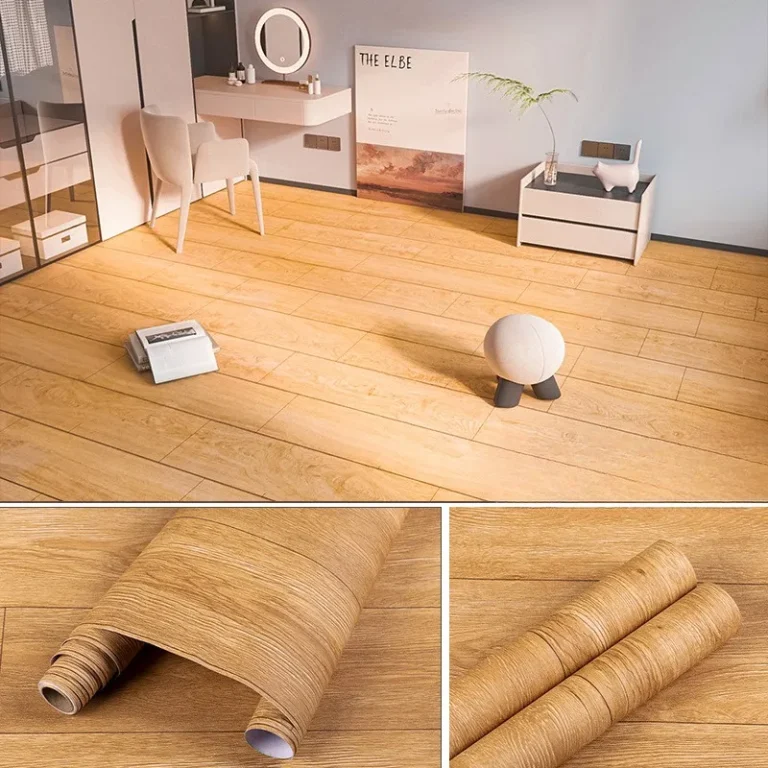
PVC film can instantly change visual style—wood, stone, marble, solid colors, or textured effects—without demolition. For example, wood styles inspired by Wood Grain Film are popular for creating warmer, homelike looks at lower cost.
PVC itself resists water penetration better than many paper-based coverings. However, water resistance on floors still depends on seams, edges, adhesive quality, and installation.
Smooth PVC surfaces usually wipe clean quickly, which helps in kitchens, rentals, and retail areas. For heavy oil contamination zones, it’s smarter to use specialized products (e.g., kitchen anti-oil solutions) rather than relying on general decorative film.
Manufacturers with full production capability (calendering, printing, slitting, packaging) can tailor thickness, texture, and performance. This is especially valuable for OEM projects where you need a consistent look across multiple locations.
Floor use is demanding. If you use a film that wasn’t designed for floors, the weaknesses can show up quickly.
Decorative PVC films (for panels) prioritize appearance and basic protection. Flooring-grade PVC solutions prioritize anti-slip, wear layer performance, and long-term adhesion. If your project involves daily walking, treat it as a flooring project—not a decoration project.
If you want PVC film on a floor, selection should be based on performance, not only pattern. Use the checklist below to reduce risk.
Even the right product can fail if installed poorly. Below are practical steps that help films perform better on floors.
Clean thoroughly (dust, wax, oil), dry completely, and fix uneven surfaces. On old tile, grout depth matters—deep grooves can create weak points where film tears under pressure.
Apply in moderate temperature. Avoid overstretching. Tension looks smooth on day one but often causes shrink-back and edge lifting later.
In kitchens, entrances, or wet-prone corners, consider edge-sealing methods compatible with your system. This reduces water ingress and helps prevent curling.
If your goal is a durable walking surface, it’s usually better to switch to a product engineered for floors. Here are practical alternatives depending on your project.
A dedicated floor film is designed with flooring realities in mind—better wear behavior, more stable construction, and surface textures that can be tuned for traction. It’s typically the most straightforward upgrade when you want PVC-based floor coverage without guessing.
If you want a longer service life and better indentation resistance, consider true vinyl flooring products such as Vinyl Kitchen Flooring. These are typically built as flooring systems rather than thin decorative overlays.
Bathrooms demand slip awareness and water management. Products developed specifically for that context—like Bathroom Floor Stickers—are often safer and more practical than repurposing a generic decorative PVC film.
Sometimes the “best alternative” is repositioning PVC film to a better-fit surface: cabinets, furniture, doors, or baseboards. For example, matching skirting/baseboard finishes using PVC skirting film can deliver a cohesive interior design while leaving the floor to a more durable material.
PVC film is not one single product category. Performance depends on how it’s made and what it’s designed to do. For many OEM and project buyers, understanding the base film matters.
PVC floor film solutions are commonly evaluated by:
If you’re sourcing for resale or large projects, ask for performance targets up front (wear resistance, slip behavior, adhesive type, thickness tolerance, and indoor compliance). This avoids selecting a film that looks right but fails early on floors.
PVC film can be used as floor film when it’s designed for flooring or when your goal is short-term protection or light-duty coverage. However, using general decorative PVC film as a permanent floor surface often leads to slipping, edge lifting, and rapid wear. For reliable long-term results, choose purpose-made floor solutions such as dedicated floor film, vinyl kitchen flooring, or bathroom-specific floor stickers depending on the environment.
It depends on the adhesive type and the floor finish. Removable protective films are designed to reduce residue, while strong permanent adhesives may pull up weak coatings or leave glue behind.
Glossy and smooth surfaces can be slippery, especially when wet. For floors, prioritize textured or matte surfaces and products intended for foot traffic.
You can, but deep grout lines increase the risk of bridging, tearing, and visible deformation. Smoother substrates generally deliver better durability and appearance.
Bathroom-specific products are usually better because they are developed with wet-area risks in mind, including adhesion behavior and surface traction.
Choose floor film for quick coverage or moderate demands; choose vinyl flooring when you need longer service life, better structural stability, and stronger resistance to wear and indentation.