Address
304 North Cardinal St.
Dorchester Center, MA 02124
Work Hours
Monday to Friday: 7AM - 7PM
Weekend: 10AM - 5PM
Address
304 North Cardinal St.
Dorchester Center, MA 02124
Work Hours
Monday to Friday: 7AM - 7PM
Weekend: 10AM - 5PM


Fire doors are engineered safety products—not just “doors.” They are tested as complete assemblies (leaf, frame, seals, hardware, glazing, and sometimes finishes) to resist fire and smoke for a specified time. Because of that, adding any surface finish such as PVC film can affect performance, certification validity, and legal compliance. This guide explains when PVC film may be acceptable, when it is risky, what to check for compliance, and which alternatives deliver a safer result.
Key takeaway:
A PVC film can only be considered for a fire door if the door manufacturer (or a qualified fire-test evidence route) confirms the modified door set still meets its fire rating and smoke requirements. If you cannot prove this, treat it as non-compliant.
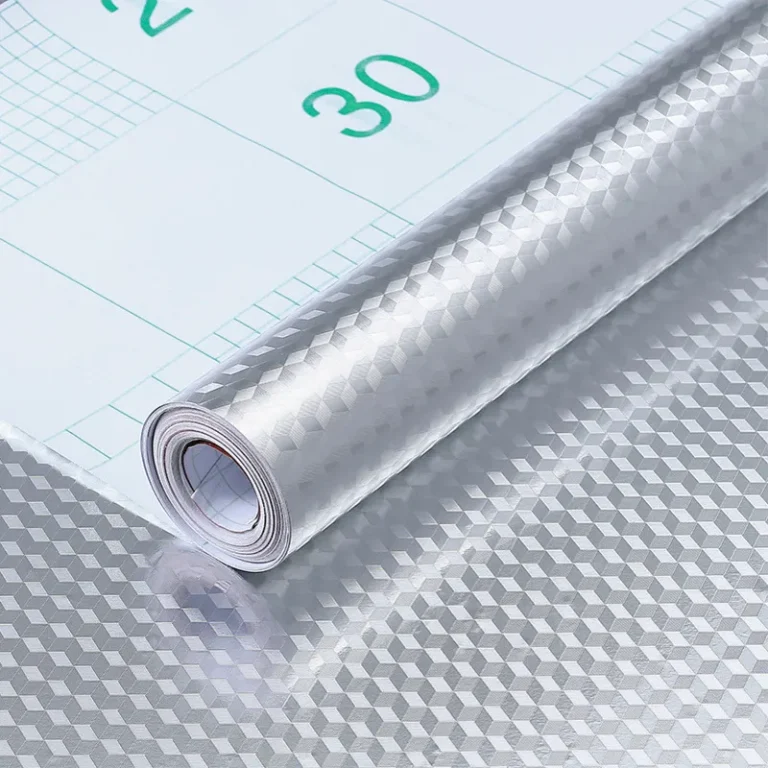
PVC film is a thin polyvinyl chloride sheet used for decoration and surface protection. In door and furniture applications, it commonly delivers realistic wood grain, stone, matte, glossy, or soft-touch finishes with good scratch resistance and easy cleaning. Many buyers choose film-wrapped doors to standardize color across interiors, reduce painting costs, and speed up project delivery.
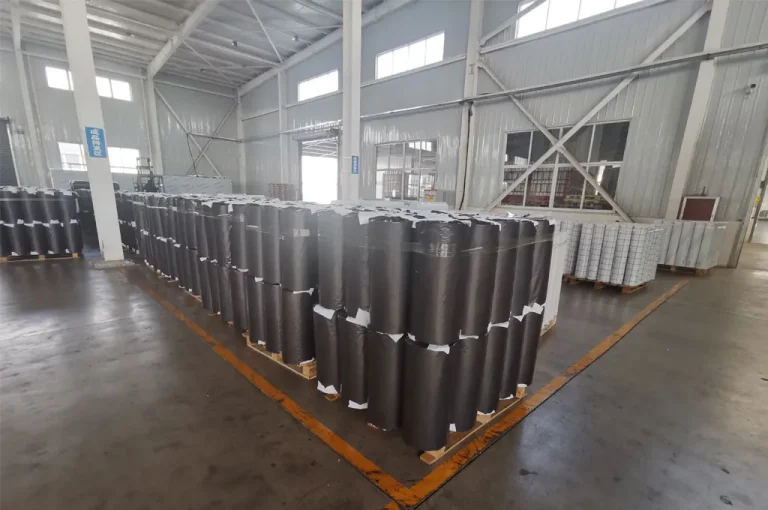
Industrially, films are produced by processes such as calendering and may be printed, embossed, laminated, and slit to size. For example, calendered film is widely used as a stable base material for decorative surfaces.
Sometimes—but not “by default.” The answer depends on the fire-door system, how the film is applied, film thickness and formulation, adhesive type, edge detailing, and whether the final door set remains within the scope of its test evidence and certification.
✔ Potentially acceptable when:
✖ High-risk / typically non-compliant when:
Fire doors are evaluated for fire-resistance: how long the complete assembly prevents fire and hot gases passing through. Separately, surface materials are evaluated for reaction-to-fire: how easily they ignite, how much heat they release, smoke production, and flaming droplets. A door can be fire-resistant, yet a surface finish might still create excessive smoke or accelerate flame spread on the exposed face.
In real incidents, smoke often causes more harm than flame. Some polymer finishes can increase smoke density and toxic byproducts. Even if a film doesn’t “cause” the fire, it can affect evacuation conditions. For corridors, stairwells, and escape routes, smoke control and visibility are critical considerations.
A common failure mode is adhesive softening under heat. If the film peels, it can create gaps near edges, alter the way the leaf chars, or interfere with seals. It may also create curling that prevents proper door closure—especially relevant for self-closing fire doors.
Practical rule:
If your project requires documented compliance, assume a fire door’s surface finish is “controlled” unless the manufacturer explicitly allows your film/adhesive system and application method.
Regulations differ by country, but the compliance logic is similar everywhere: a fire door is only compliant when it matches the tested/certified configuration or has a recognized engineering assessment that covers the modification.
A film supplier can provide general material certifications (quality systems, REACH/RoHS, etc.), but fire-door compliance hinges on the door set evidence. Ask for the manufacturer’s guidance on permitted finishes (maximum thickness, application zones, edge treatment, and whether re-certification is required).
If the finish is permitted, keep a record: film type, thickness, batch/roll reference, adhesive type, application date, installer, and the manufacturer statement approving it. This matters for inspections, handover, and future maintenance—especially in commercial buildings, hotels, schools, hospitals, and multi-family residential projects.
Even if the door face can be refinished, edges often have stricter rules. Many fire doors rely on precise gaps and seal performance. Film overlap on edges can change clearances, catch on frames, or reduce seal effectiveness. Also avoid covering identification labels/plug marks—these may be required to prove rating.
Compliance checklist (use before ordering):
If you cannot obtain written approval for PVC film on your fire doors, consider alternatives that are more commonly addressed in fire-door finishing guidance. The best option depends on your door material and project constraints.
The simplest compliance route is to buy doors with a factory-applied finish that is already part of the tested/certified design—especially for hotels, healthcare, and high-occupancy buildings where documentation is strict.
Many manufacturers provide clear rules for laminates/veneers (thickness limits, adhesive requirements, approved brands). Where available, these options can deliver premium aesthetics with a stronger paper trail than an aftermarket wrap.
In some specifications, fire-rated coating systems are preferred because they are easier to document and maintain. Confirm compatibility with the door manufacturer and ensure the full system (primer + topcoat) meets the required classification for the intended area.
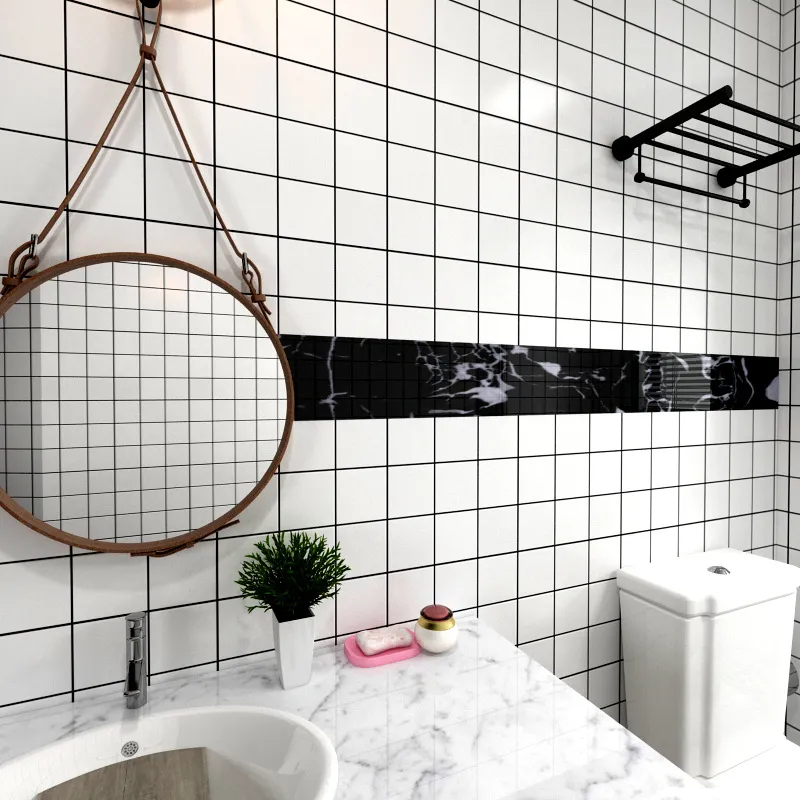
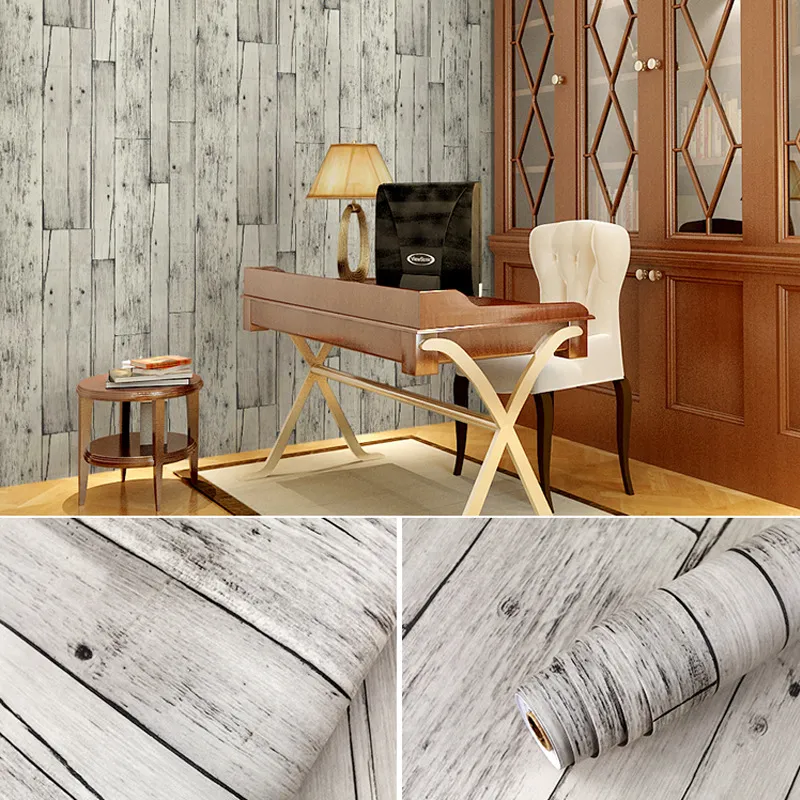
A practical design approach is to keep certified fire doors in approved finishes, and use decorative PVC films on non-fire-rated surfaces nearby to match the look: wall panels, skirting, wardrobes, or partitions. For example, using wood grain film on cabinetry or wall features can achieve a cohesive theme without touching the fire door set.
Why this works:
It preserves the fire door’s certified condition while still allowing cost-effective decorative upgrades throughout the interior.
Only proceed if you have written confirmation that the finish is permitted for your door set. Then reduce risk with controlled material selection and workmanship.
Keep film away from intumescent strips, smoke seals, latch areas, and any location where added thickness changes gaps. Do not cover certification labels. If edge wrapping is not explicitly allowed, do not wrap edges.
Project tip:
For large sites, wrap a small pilot batch first and run operational checks (closing force, latch engagement, seal compression) before scaling.
Decorative film quality is not only about appearance; it’s also about consistency across rolls, predictable adhesion, and repeatable production. Manufacturers with full in-house capability—calendering, printing, slitting, and packaging—can better control defects, color difference, and delivery stability. That reduces rework risk on-site, especially when you need uniform finish across many doors and panels.
For OEM/ODM projects, customization (thickness, width, embossing, color matching, and packaging) can help align materials with your process. If you’re comparing options, browsing a supplier’s product range and technical resources can be a practical starting point—for example, the product catalog and related technical articles in the knowledge section.
PVC film can be an efficient decorative solution, but fire doors are life-safety components with strict evidence requirements. If you can verify that the specific film/adhesive/application method is permitted within the door’s tested or certified scope, it may be acceptable. If you cannot prove it, choose safer alternatives: factory-finished certified doors, manufacturer-approved laminates/veneers, or compliant coating systems—and use decorative PVC films on non-fire-rated surfaces to achieve the same design theme without jeopardizing compliance.
Q1: Does applying PVC film automatically void a fire door certificate?
A: Often yes, unless the door manufacturer explicitly permits that finish (or an accepted assessment route covers it). Treat any unapproved modification as non-compliant.
Q2: Is “flame-retardant PVC film” enough to make it acceptable?
A: Not by itself. Fire-door compliance is based on the tested door set configuration. A film’s material claim does not automatically validate performance on your specific door.
Q3: Can I wrap the edges of a fire door for a seamless look?
A: Only if the manufacturer allows it. Edges are critical for gaps, seals, and closing behavior; added thickness here can cause failure in real conditions.
Q4: What’s the safest way to achieve a “wood look” in corridors with fire doors?
A: Keep fire doors in approved finishes and use wood-look film on non-fire elements (wall panels, cabinetry, trims). This preserves compliance while matching the design.
Q5: What documentation should I keep if a film is approved?
A: Manufacturer approval, door identification, film specification (type/thickness/batch), adhesive type, installation records, and post-install functional checks.