Address
304 North Cardinal St.
Dorchester Center, MA 02124
Work Hours
Monday to Friday: 7AM - 7PM
Weekend: 10AM - 5PM
Address
304 North Cardinal St.
Dorchester Center, MA 02124
Work Hours
Monday to Friday: 7AM - 7PM
Weekend: 10AM - 5PM


PVC film is widely used for decoration, protection, and industrial lamination—so it’s natural to ask: can you use PVC film for car wrapping? The answer depends on what you mean by “wrap”: a short-term DIY color change, interior trim restyling, temporary advertising graphics, or a professional full-body wrap designed to last years outdoors.
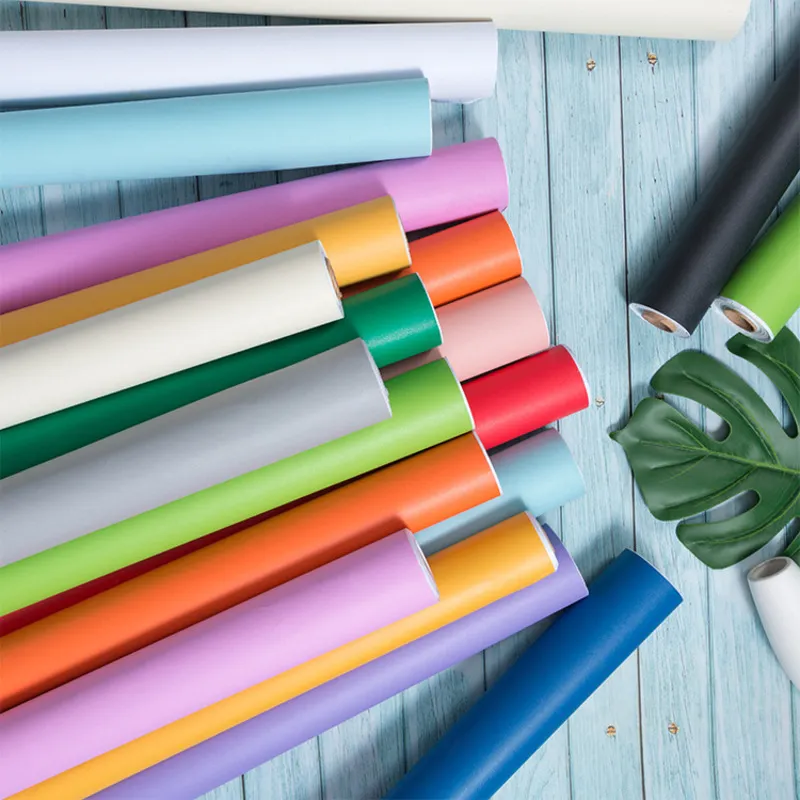
In this guide, you’ll learn where PVC film works, where it fails, and what alternatives make more sense for durable exterior wraps. You’ll also get practical decision criteria (surface, climate, expected lifespan, and budget) so you can choose the right material without wasted labor or rework.
Key takeaway:
PVC film can be used for some vehicle applications (especially interiors and short-term graphics), but for long-lasting exterior color-change wraps, specialized automotive wrap vinyl is usually the safer choice.
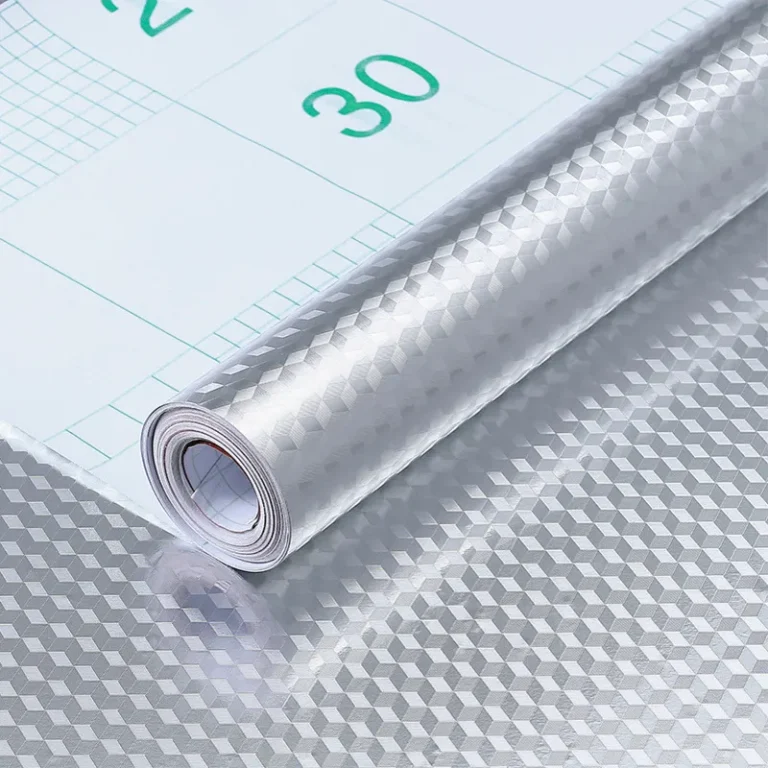
“PVC film” is a broad category. It may refer to calendered PVC film, decorative PVC sheets, self-adhesive PVC, transparent protection films, or textured architectural finishes. In manufacturing, PVC films can be made by different processes (most commonly calendering) and then finished with different surfaces (glossy, matte, embossed, soft-touch) and functional coatings (anti-static, anti-fog, etc.).
For vehicle wrapping, the film’s conformability (ability to stretch and recover), adhesive system, and weathering resistance determine whether it will lay flat, avoid lifting on edges, and maintain color outdoors.
Note: Many PVC films are engineered for furniture panels, walls, doors, flooring, or industrial uses—not for complex automotive curves and constant UV exposure.
Yes, but with limits. PVC film can be used on vehicles when the application conditions match the film’s design: flatter surfaces, controlled environments, shorter service life, or interior components. For a full exterior wrap (hood, bumpers, mirrors, deep recesses), standard decorative PVC film often struggles unless it is specifically formulated for automotive wrapping.
PVC films (especially calendered options) are often more budget-friendly than premium cast wrap vinyl. For short-term promotions or large surface coverage on flatter areas, this can be a practical advantage.
Decorative PVC can offer wood grain, brushed, metallic looks, embossed textures, and specialty tactile finishes. These can be appealing for interior restyling or display vehicles where feel and appearance matter as much as outdoor durability.
When paired with the correct adhesive and lamination strategy, PVC-based films can work for signage-style applications on vehicles, especially in fleet contexts where panels are relatively flat.
The biggest issue is not “PVC” itself, but whether the film is engineered for high conformability and outdoor automotive durability. Many decorative PVC films are optimized for stable indoor substrates like MDF, PVC boards, and laminates—conditions that are very different from car bodies.
Cars live outdoors, face constant UV exposure, and undergo heat cycling (cold nights, hot midday sun, warm engine panels). A film that performs beautifully on furniture may not handle this environment for long. If you need a wrap that looks good for years, it’s smart to choose a film that is specifically rated for automotive exterior use.
Flat metal panels are the easiest. The more curves and recesses you have, the more you need a high-conformability film. If your project includes bumpers and mirror caps, treat that as a “high difficulty” installation and select materials accordingly.
If the vehicle is parked outdoors in strong sun, high heat, or desert-like conditions, material selection matters more. Frequent washing, road salt, and heavy rain also raise the durability requirements. A garage-kept car can tolerate more “experimental” materials than a daily driver parked outside.
Pro tip: If your priority is “easy removal later,” test a small section first. Some adhesive systems bond aggressively over time or become difficult to remove cleanly, especially after heat exposure.
If you want a professional exterior wrap, consider materials designed for automotive use. Below are common alternatives and where each excels.
Best for complex curves, long-term outdoor durability, and clean aesthetics. Cast films generally handle conforming, post-heating stability, and edge performance better than many general-purpose PVC decorative films.
If your main goal is protecting original paint from chips and scratches rather than changing color, PPF is a better fit. Some versions come tinted or with finishes, but it’s primarily a protective solution.
For commercial vehicles where branding changes periodically, choose systems designed for printability, removability, and outdoor exposure. These are engineered around fleet needs: consistent look, predictable removal, and stable adhesion.
PVC film isn’t “bad”—it’s just often used outside its intended scope. If you match the material to a suitable job, it can be effective and economical.
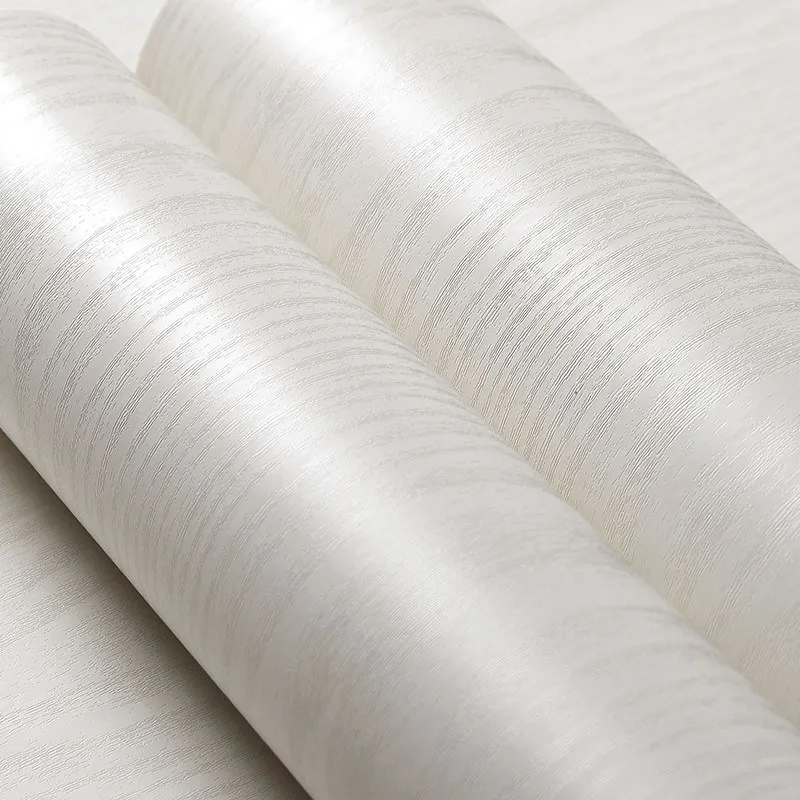
For dashboards, door trims, and console parts, decorative PVC films and textured finishes can provide a premium look without the same level of UV/weather punishment. Texture options can be especially attractive for custom builds. For example, decorative texture films like 3D silk texture film can be used for design-forward surfaces where you want a tactile feel.
For temporary promotions, a properly selected calendered film can work on flatter vehicle sections. The key is to keep expectations realistic: it’s for short cycles, not multi-year color-change performance on complex curves.
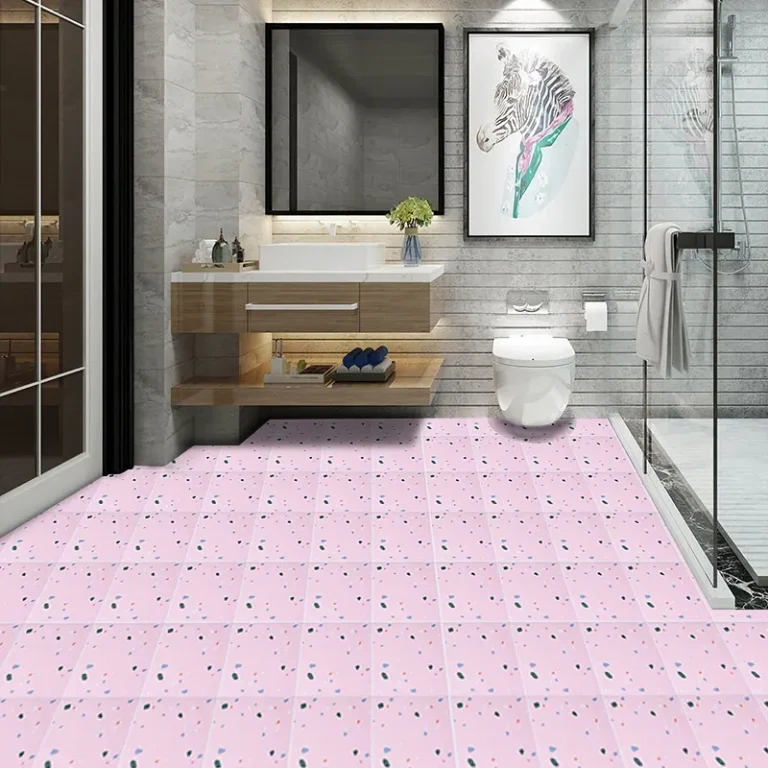
Many businesses combine vehicle graphics with matching interior branding (showrooms, pop-up booths, service counters). Decorative films such as solid color wallpaper or floor film can help align visual identity across spaces while reserving automotive-grade film for the vehicles themselves.
If you decide to use PVC film for a vehicle application, you can reduce failure risk by approaching installation like a controlled technical process rather than a quick sticker job.
Hand wash is gentler than harsh automated systems. Avoid aggressive solvents. If the film is not automotive-rated, minimize long direct sun exposure where possible. Proper cleaning reduces edge contamination that can lead to lifting.
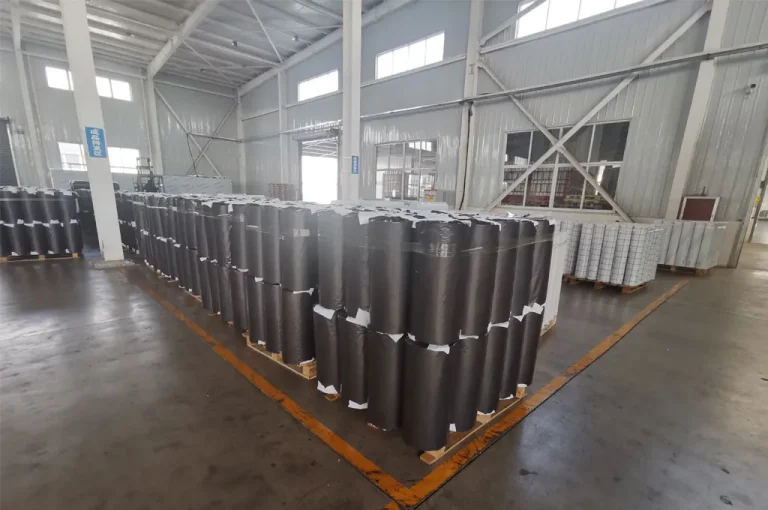
If you are sourcing PVC film for vehicle-related projects (interiors, short-term graphics, or special flat-surface applications), look for suppliers with stable process control and consistent roll-to-roll quality. Full production capability—calendering, printing, and slitting/packaging—helps reduce variability in thickness, surface finish, and adhesion behavior from batch to batch.
OEM/ODM customization can also be valuable when you need specific widths, thickness, colors, prints, or packaging for fleet programs and installers. Consistency is often more important than peak performance when you’re running repeatable projects across multiple vehicles.
Quality checklist: ask about QC steps (thickness, strength, adhesion, optics), compliance (REACH/RoHS), and whether sample rolls can be shipped for evaluation before scaling.
PVC film can be a workable option for interior trim wraps, flat-panel fleet graphics, and short-term promotions. However, for a long-lasting, professional exterior car wrap—especially on complex curves—specialized automotive wrap vinyl (often cast) typically delivers better conformability, stability, and weather resistance.
If you’re deciding between “saving on material” and “saving on rework,” remember: a wrap that fails at edges or shrinks after installation can cost more in labor than the price difference of a higher-grade film. Match the film to the job, test first, and plan for the real environment the vehicle will face.
Not necessarily. “PVC film” is a broad category. Automotive wrap vinyl is usually a specialized PVC-based film with specific conformability, adhesive, and outdoor durability requirements.
It depends on adhesive type, paint condition, and how long it stayed on the vehicle. Always test a small area first, avoid applying to weak or freshly repainted surfaces, and use proper heat and technique during removal.
You can, but it’s generally better for flatter areas and shorter lifespans. For full wraps over complex curves and for multi-year durability, cast automotive wrap films are typically the better choice.
Interior trim and short-term exterior decals on flat sections. These applications reduce exposure to harsh UV, heat cycling, and high-stress stretching around complex contours.
Request samples, apply to a test panel, and monitor for lifting, bubbling, shrink-back, and residue after heat exposure and a few wash cycles. A small test can prevent a costly full rewrap.