Address
304 North Cardinal St.
Dorchester Center, MA 02124
Work Hours
Monday to Friday: 7AM - 7PM
Weekend: 10AM - 5PM
Address
304 North Cardinal St.
Dorchester Center, MA 02124
Work Hours
Monday to Friday: 7AM - 7PM
Weekend: 10AM - 5PM


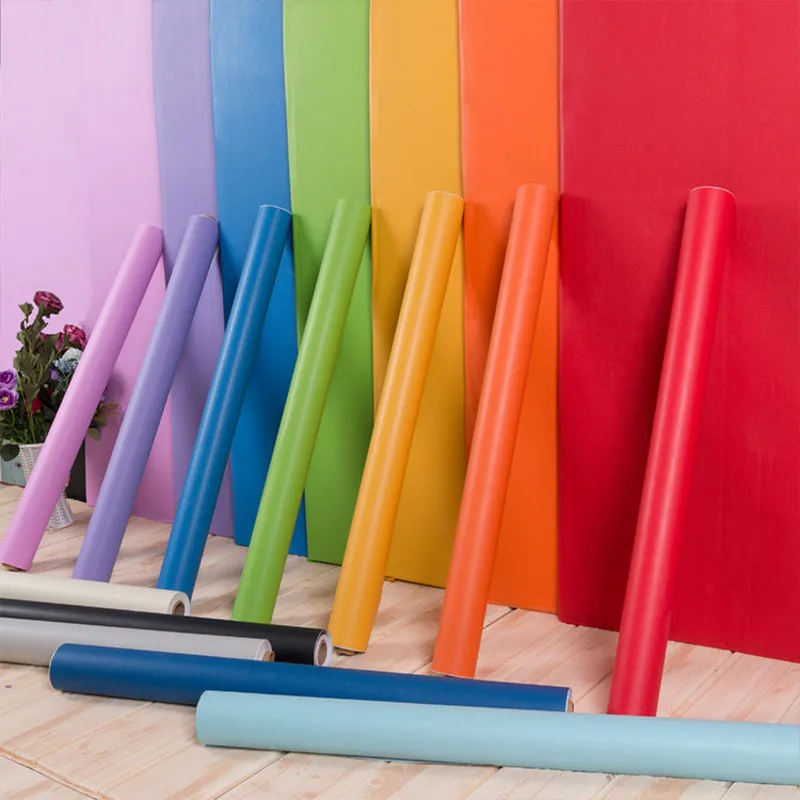
Cast PVC film is a versatile, smooth-surface plastic film made from polyvinyl chloride and formed by casting onto a highly polished surface. Compared with many rigid laminates or paper-based finishes, cast PVC film offers a balanced combination of visual consistency, easy processing, and dependable performance in furniture, interior decoration, advertising, electronics, and protective applications. This guide explains where cast PVC film is used, why manufacturers choose it, what specifications matter most, and how to select the right type for your project.
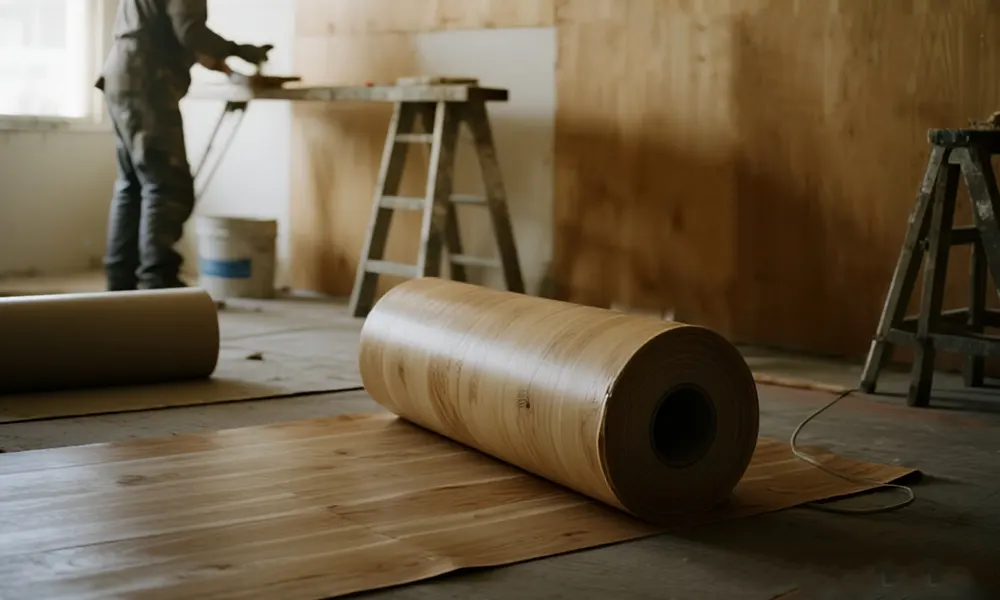
Cast PVC film is produced by spreading or casting a PVC formulation onto a carrier (or polished surface) and then curing/gelation and cooling it to form a uniform film. The casting approach is valued for:
In real-world sourcing, “cast” may be used alongside or compared with other PVC film technologies such as calendered film. The right choice depends on the required appearance, thickness range, and downstream process.
Cast PVC film is selected when a project needs decorative impact, protection, and efficient conversion (printing, lamination, cutting, wrapping). Below are high-frequency use cases across industries.
Cast PVC decorative films are widely used to wrap MDF/particleboard profiles, cabinet doors, wardrobes, and wall panels. Patterns like wood grain, marble, and solid colors help achieve premium looks with easier maintenance than many painted finishes.
Popular choices include Wood Grain Film for warm residential aesthetics and Glossy Wardrobe Film for modern high-gloss cabinetry.
For interior decoration, cast PVC film can be used on wall panels, decorative trims, and skirting solutions. It helps designers maintain a consistent visual theme across a room while improving wipe-clean practicality.
For trim and edge applications, PVC skirting film is often chosen for its decorative flexibility and production convenience.
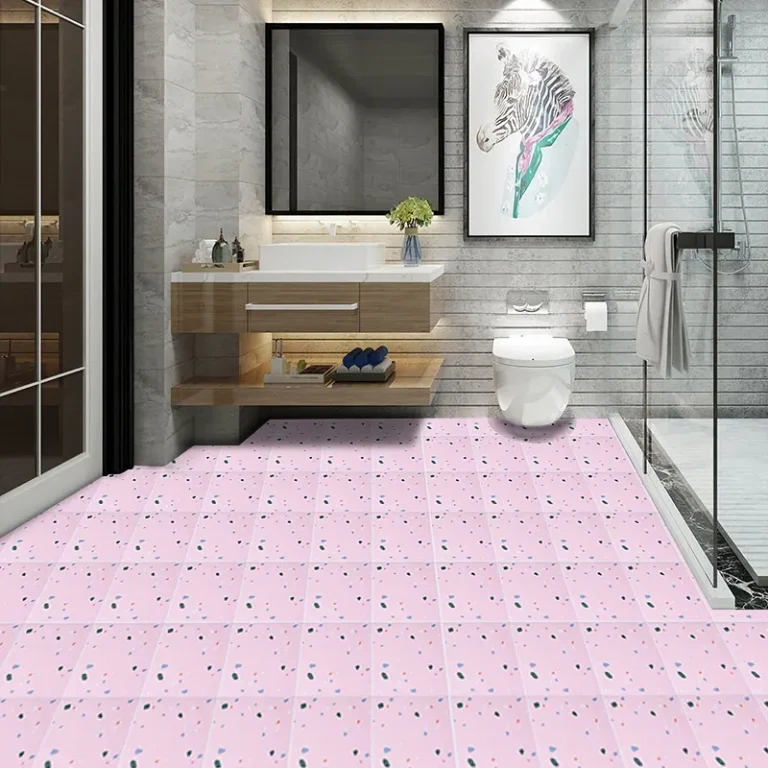
In flooring and protective layers, PVC films can provide abrasion resistance, stain resistance, and design variety. Depending on thickness and coating, films can serve as decorative layers, wear layers, or temporary protection during transport and installation.
If your project involves flooring structures or overlays, explore Floor Film options aligned with slip, wear, and emboss requirements.
Key takeaway:
Cast PVC film is not a “one-film-fits-all” material. The same base polymer can be engineered for gloss, matte, soft-touch, anti-static, or self-adhesive needs—so the most important step is matching the film structure and surface to the application.
Decision-makers in furniture, building materials, and industrial converting often choose cast PVC film for a predictable mix of performance and cost-efficiency. The benefits below are the ones that most frequently affect quality, production yield, and customer satisfaction.
Cast surfaces can deliver clean gloss, high clarity (for transparent films), and stable color appearance across rolls. For decorative programs—especially solid colors, marble effects, and high-gloss wardrobe panels—visual consistency is often the first KPI.
Depending on formulation and surface treatment, cast PVC film can be engineered to accept inks, adhesives, and coatings well. This is crucial for profile wrapping, vacuum pressing, flat lamination, and digital/gravure printing workflows.
With the right topcoat or surface design, cast PVC film can offer stain resistance, daily scratch tolerance, and easy cleaning—making it suitable for kitchens, rentals, hospitality, and high-touch household surfaces.
Buyers often need specific thickness, width, roll length, emboss, gloss level, and color matching. A full-process manufacturer with calendering/printing/slitting/packaging capabilities can shorten lead times, reduce mismatch risk, and keep quality stable across reorders.
Spec sheets can look overwhelming, but most purchasing decisions come down to a focused set of parameters. When comparing suppliers or approving samples, prioritize these items.
Many projects fail not because the film is “bad,” but because the film was not engineered for the environment. Consider these add-ons:
Use the checklist below to avoid mismatches between film performance and your production process. This structure also helps you request quotations efficiently and compare samples fairly.
Start with what the film must bond to and how it will be applied:
Appearance can change dramatically between factory lights and real environments. Approve samples under the lighting your end users will experience (daylight, warm residential lighting, retail LEDs).
The “best” cast PVC film is the one that survives your end-use conditions with the least after-sales risk:
Even a perfect formulation can fail if the roll is not stable in converting. Confirm:
Buyers often compare cast PVC film to calendered PVC film because both can serve decorative and industrial markets. In general sourcing discussions:
If you are comparing options, it helps to review your target application and then cross-check alternatives like calendered film to see which structure meets your performance and budget goals.
For indoor decoration, furniture, and human-contact scenarios, compliance is not just a checkbox—it affects odor perception, export readiness, and brand risk. When qualifying a cast PVC film supplier, request:
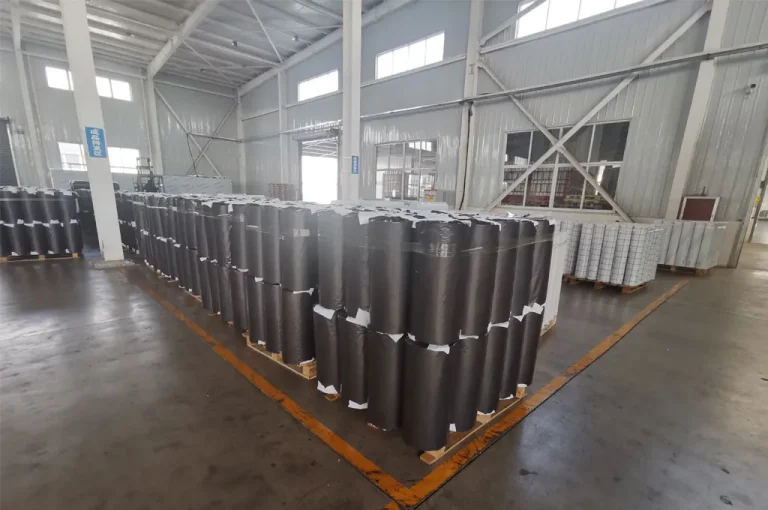
A supplier with integrated processes—printing, slitting, and packaging—can reduce variation and shorten lead time because fewer steps are outsourced. In practice, this is important for:
To speed up sampling and avoid repeated back-and-forth, send a structured request. A good inquiry includes: application, substrate, process type, thickness, width, roll length, surface (gloss/matte/emboss), color or pattern reference, required functional features, and estimated order quantity.
“Cast” typically emphasizes surface control and uniformity from a casting process, while calendered film is formed through calendering rollers. The best choice depends on appearance requirements, thickness, and your converting method. Comparing samples under your real process conditions is the most reliable approach.
Yes. OEM/ODM programs commonly support custom thickness/width, color matching, printed designs (wood, marble, metal effects), emboss textures, and packaging requirements for different markets and equipment.
Many products are designed for indoor use and can be produced with eco-friendly inks and compliant formulations. Always request applicable compliance documentation (e.g., REACH/RoHS/FDA where relevant) and confirm odor and emission expectations with samples.
Include application, substrate, process (wrapping/lamination/printing), thickness, width, roll length, surface (gloss/matte/emboss), color/pattern reference, functional needs (anti-static, self-adhesive, easy-clean), and quantity. This reduces sampling cycles and speeds up pricing.
Approve a golden sample, define color tolerance, confirm roll/packaging standards, and request batch traceability with QC checks on thickness, surface defects, and adhesion performance. Consistent reorders depend on both process control and clear acceptance criteria.