Address
304 North Cardinal St.
Dorchester Center, MA 02124
Work Hours
Monday to Friday: 7AM - 7PM
Weekend: 10AM - 5PM
Address
304 North Cardinal St.
Dorchester Center, MA 02124
Work Hours
Monday to Friday: 7AM - 7PM
Weekend: 10AM - 5PM


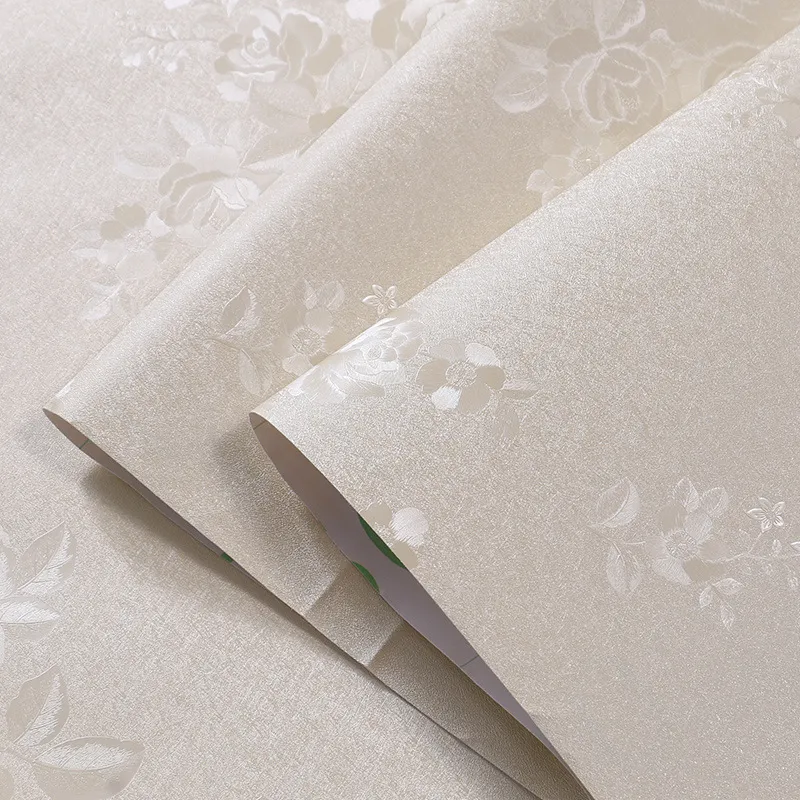
Color PVC film is a versatile surface material used to enhance appearance, protect substrates, and add functional performance in furniture, interior decoration, flooring, advertising, electronics, medical packaging, and home products. Whether you need a clean solid tone for modern cabinetry, a premium textured look for panels, or a durable protective layer for high-traffic areas, choosing the right color PVC film comes down to understanding types, structure, surface finish, installation method, and real-world use conditions.
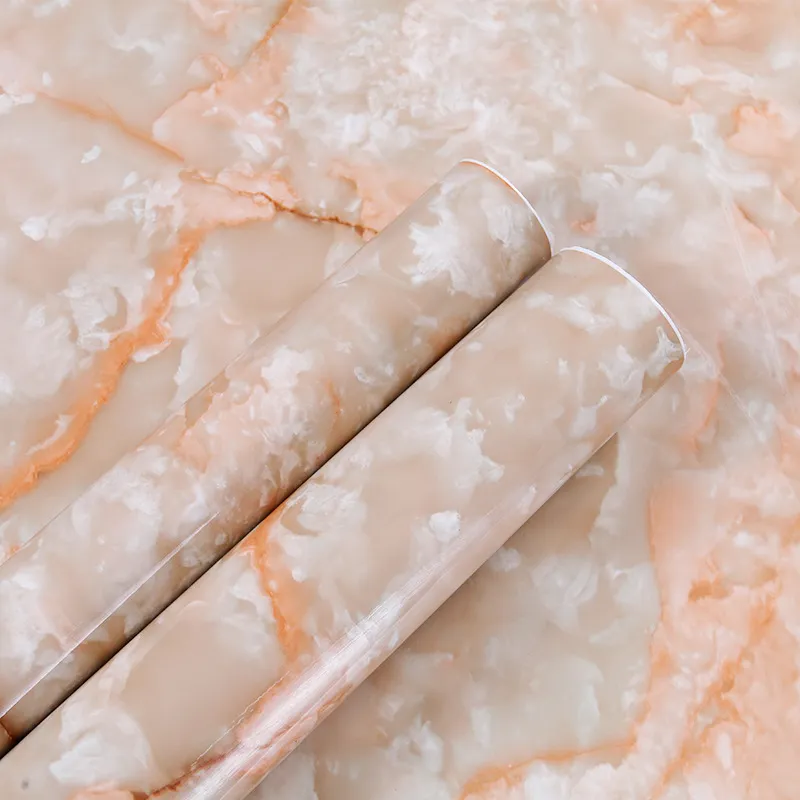
In this guide, you’ll learn the main types of color PVC film, where each performs best, key benefits, and a practical checklist to help you select a film that looks great and lasts. For deeper product browsing, you can also visit Pulivk Film to explore categories and specifications.
PVC film is a thin sheet made from polyvinyl chloride that can be colored, printed, embossed, laminated, coated, or combined into multi-layer structures. “Color PVC film” usually refers to films that provide a visible color layer (solid color or decorative color effects), often paired with protective topcoats for scratch resistance, stain resistance, and durability.
Key idea:
Color is only one part of performance. A film’s calendering/printing process, thickness, finish, adhesive system, and surface treatment often matter more for long-term results than color alone.
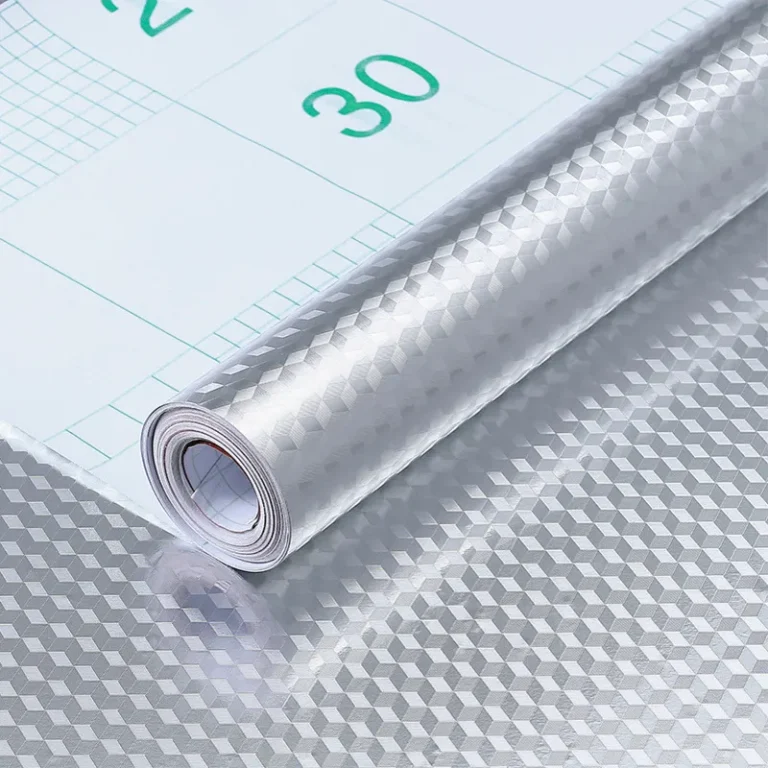
Calendered film is produced by rolling PVC through a series of heated rollers to achieve consistent thickness and stable mechanical properties. It’s widely used for decorative and industrial surfaces due to strong process stability and cost efficiency.
If you’re comparing foundational film options, see Calendered Film.
Solid color films deliver a clean, uniform tone—popular for modern interiors, cabinetry, retail fixtures, and commercial spaces. They can be paired with matte, super-matte, satin, or glossy finishes to control reflection and fingerprints.
For examples of color-forward interior surfaces, explore Solid Color Wallpaper.
Tip:
If you want a premium “soft visual” feel in bright spaces, choose matte or super-matte. If you need depth and showroom shine, choose high gloss—but confirm scratch resistance and cleaning method.
Textures can visually upgrade flat panels and also improve usability (less visible scratches, better grip, reduced glare). Common textures include cloth grain, brushed patterns, pearlescent effects, and deeper 3D embossing for premium interiors and feature walls.
A popular decorative option is 3D Silk Texture Film.
Self-adhesive versions add a pressure-sensitive adhesive layer for faster installation on clean, smooth surfaces. They’re commonly used for renovations, signage, temporary décor, or quick upgrades in rentals and commercial turnover projects.
Important:
Adhesive performance depends on surface energy, cleanliness, temperature during installation, and dwell time. Always test on the real substrate (painted wall, melamine board, metal, glass) before committing to volume.
Beyond aesthetics, PVC films can be engineered with functional coatings and treatments such as anti-static for electronics, anti-fog for certain transparent applications, or surface layers that improve wear, chemical resistance, or cleanability. In manufacturing settings, these functional properties can reduce defects, enhance safety, and extend service life.
Color PVC film is widely applied on MDF/plywood panels for cabinet doors, wardrobes, office furniture, and decorative trims. The right choice depends on whether the surface faces heavy use (kitchen doors) or mainly visual exposure (display cabinets).
Solid color and textured films are popular in commercial interiors (retail, hotels, offices) because they deliver consistent appearance at scale and are easier to maintain than many painted surfaces. For skirting and trim protection in busy spaces, dedicated solutions can help reduce scuffs and cleaning effort; see PVC Skirting Film.
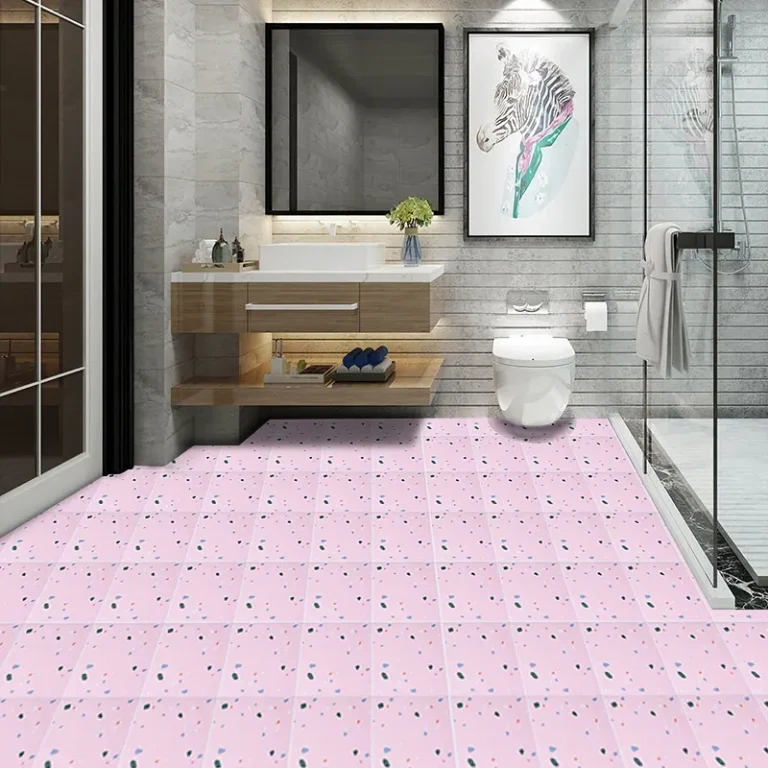
Flooring applications demand higher wear resistance, dimensional stability, and often slip management. If your project involves floor protection or decorative floor layers, look for a structure designed for abrasion and long-term foot traffic; you can review Floor Film.
Quick check for flooring:
confirm abrasion resistance, anti-slip options, resistance to household chemicals, and whether the film is intended for lamination into a flooring system rather than general decoration.
In electronics and appliance finishing, color films can provide a brushed look, metal-like aesthetics, insulation support, or surface protection during assembly and transport. Here, consistency and functional stability (like anti-static behavior) often outweigh purely decorative goals.
For medical and cleanroom use, compliance, material safety, and cleanliness are central. Color can be used for coding and identification, but you must confirm relevant standards, migration limits, and whether the film is intended for contact or non-contact applications.
Compared with paint batches and on-site finishing variance, film lamination can deliver repeatable color tone and surface gloss, especially helpful for chain stores, multi-site projects, and export production.
Many films include protective layers designed to improve scratch resistance, stain resistance, and cleanability. This is valuable in kitchens, rentals, retail fixtures, and hospitality spaces where surfaces get frequent contact.
You can select from solid tones, pearlescent effects, embossed textures, or printed designs—allowing faster design iteration than many traditional finishing methods.
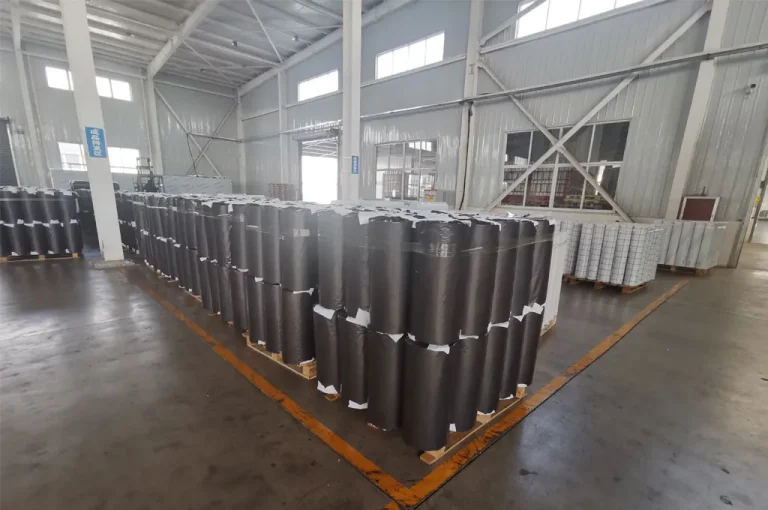
Manufacturers with in-house calendering, printing, slitting, and packaging can better control quality and often shorten delivery time. Pulivk Film’s full-process production approach supports consistent output from raw material to finished rolls, helping reduce project risk for bulk orders and OEM programs.
Start with what the film will bond to and how it will be applied:
Different methods require different flexibility, heat resistance, and adhesive/primer compatibility.
Thickness affects feel, coverage, and forming performance. Thicker films may provide better durability and masking, while thinner films can be easier for certain wrapping processes. For shaped surfaces, confirm elongation and heat-forming behavior, not just thickness.
Ask these questions before you buy:
• Will it face oil, steam, frequent wiping (kitchens)?
• Is there direct sunlight/UV (near windows, shopfronts)?
• Is static control needed (electronics workshops)?
• Will it be cleaned with alcohol or detergents (medical, hospitality)?
• Are you trying to cover a substrate with imperfections (texture helps)?
For large projects, consistency is everything. Confirm how the supplier handles color matching, batch traceability, and QC checks. Request samples from the intended batch/standard if possible, and evaluate under the same lighting where the product will be installed (daylight vs. warm indoor light can shift perception significantly).
For indoor environments and human-contact scenarios, confirm material safety. Many professional suppliers provide films compliant with key requirements such as REACH, RoHS, ISO management systems, and (when applicable) FDA-related standards. Also ask about ink safety and whether the film is free from restricted substances (e.g., heavy metals and certain phthalates).
If you’re sourcing for manufacturing, distribution, or private label, align on technical and commercial details early. Pulivk Film supports OEM/ODM customization such as thickness, width, roll size, color, printing, surface treatment, and packaging, with controlled production spanning calendering, printing, and slitting/packing.
Clean, dry, and stable substrates are essential. Dust, oil, and moisture are common causes of edge lifting or bubbles. For self-adhesive films, ensure the substrate is smooth and fully cured (fresh paint often causes adhesion issues).
Apply films in appropriate temperature ranges recommended by the supplier. Cold installation can reduce tack and increase stiffness; excessive heat can overstretch films during application and later cause shrink-back.
Use non-abrasive cloths and mild cleaners unless the film is specifically rated for stronger chemicals. For glossy finishes, avoid scouring pads to maintain shine and reduce micro-scratches.
Quality shortcut:
If you’re deciding between two films with similar color, choose based on adhesion system + surface coating performance. That’s where long-term satisfaction typically comes from.
PVC film is used for decorative surfaces and functional protection in furniture, construction and interior décor, electronics, advertising, medical packaging, and home products—helping improve appearance, durability, and maintenance.
Glossy offers a brighter, reflective look but can show scratches and fingerprints more easily. Matte/super-matte reduces glare and hides fingerprints better—often preferred for modern interiors and high-touch furniture.
Yes. Specifications such as thickness, width, roll length, color matching, printing, surface texture, and packaging can be customized depending on project needs and MOQ.
It can be, provided the material meets relevant compliance requirements and uses safe inks/formulations. Always request compliance information (e.g., REACH/RoHS) and confirm suitability for your specific environment.
Send the film type, thickness, width, finish (gloss/matte/texture), color or pattern reference, application, quantity, and any functional requirements (anti-static, anti-fog, etc.) so the supplier can recommend the right structure and provide accurate pricing.