Address
304 North Cardinal St.
Dorchester Center, MA 02124
Work Hours
Monday to Friday: 7AM - 7PM
Weekend: 10AM - 5PM
Address
304 North Cardinal St.
Dorchester Center, MA 02124
Work Hours
Monday to Friday: 7AM - 7PM
Weekend: 10AM - 5PM


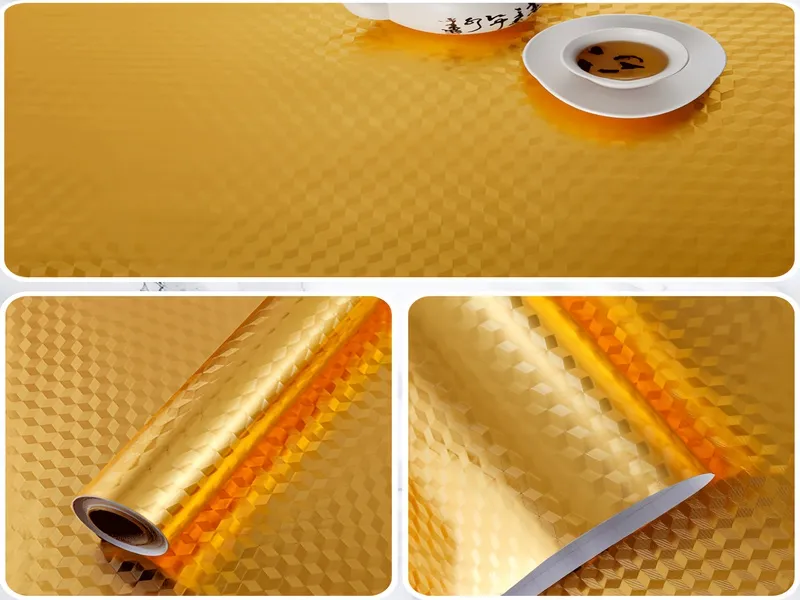
Custom laser PVC film (also called printable holographic PVC sheets/rolls) is a high-impact surface material designed to make packaging, labels, and laminated graphics look premium while staying durable in real-world handling. By combining a stable PVC base with a laser/holographic visual effect, it delivers strong shelf appeal, crisp print performance, and reliable converting behavior for brands that demand both aesthetics and consistency.

Laser PVC film is engineered for “sell-from-the-shelf” visibility and “run-on-the-line” stability. The holographic effect creates depth and movement under light, helping products stand out without heavy ink coverage. At the same time, the PVC structure supports clean printing, controlled stiffness, and dependable lamination.
“Printable holographic sheets” refers to laser-effect PVC film supplied in sheets or rolls with a surface engineered to accept printing and post-processing. Depending on your workflow, the film can be optimized for different ink systems and finishing steps such as lamination, hot stamping, die cutting, and over-varnish.
The most effective custom projects begin by matching structure to application. Typical customization variables include:
Laser PVC film is widely used in premium packaging sleeves, cosmetic cartons, gift wrap overlays, decorative window patches, and promotional bundles. The holographic effect draws attention, while PVC’s durability helps the package resist abrasion and handling damage across transport and retail display.
For barcodes, ingredients, and small legal text, consider reserving a low-glare area or applying a selective matte/white-print layer so scanners and consumers can read details easily while keeping the holographic “wow” around the brand zone.
For labels, printable holographic PVC can be designed for clean die-cut edges, stable release/dispensing behavior (when supplied as self-adhesive), and reliable ink bonding. It’s particularly effective for beverage labels, personal care SKUs, electronic accessory branding, seasonal limited editions, and security-oriented sticker programs.
When label performance matters, specifying the correct film stiffness and surface treatment is just as important as choosing the holographic pattern. A well-matched build reduces risks such as edge lifting, ink cracking on tight curves, and scuffing during logistics.
In lamination, custom laser PVC film can act as a protective and decorative top layer for printed graphics—helping reduce scratches, moisture marks, and daily wear. This is useful for promotional cards, covers, presentation folders, point-of-sale pieces, and durable signage. With the right adhesive/laminating conditions, you can preserve both clarity and holographic depth without bubbles or silvering.
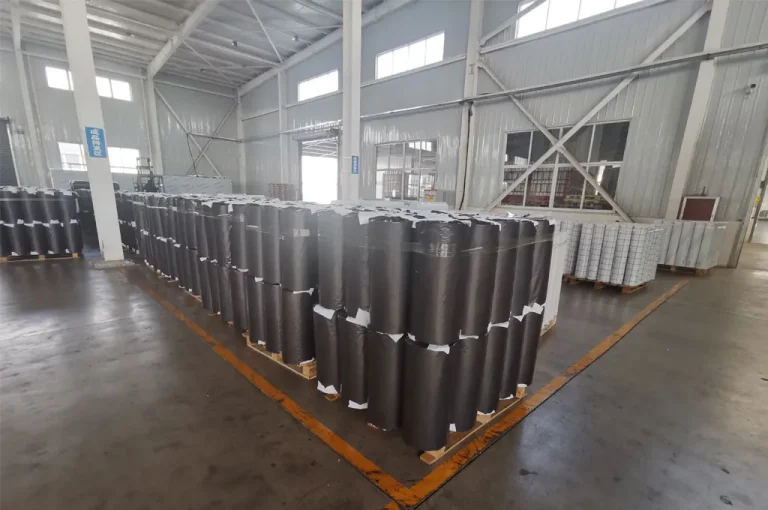
High-quality laser PVC film is not defined by shine alone. It’s a combination of thickness uniformity, stable calendering, consistent optical effect, controlled shrinkage, and surface chemistry designed for printing and converting. Pulivk Film focuses on end-to-end production control—calendering, printing, and slitting/packaging—so specifications remain consistent from trial sample to mass production.
Printable holographic PVC sheets can be optimized for different printing methods. The most common success factor is choosing a surface/topcoat and process window that supports ink anchorage while preserving the holographic brightness. If your job includes heavy solids, fine text, or variable QR codes, you’ll want controlled surface energy and scuff resistance from the start.
A “custom” laser PVC film project should not stop at choosing a holographic pattern. The best results come from specifying performance targets and letting the structure, surface treatment, and packaging method follow those targets. Pulivk Film supports flexible OEM/ODM customization across dimensions, colors, printing, and packaging—built on modern production equipment and export experience.
If you are building a coordinated material set across packaging, décor, and retail display, you may also evaluate:
For packaging and label materials—especially for international markets—compliance and safety documentation can be just as important as appearance. High-quality PVC films should support strict quality management, batch traceability, and consistent testing for thickness, strength, adhesion, and optical performance. For regulated environments, you may also request relevant declarations and third-party test reports aligned with ISO management systems and regional chemical requirements (such as REACH/RoHS), depending on end use.
If your film will be used for indoor contact scenarios (retail touchpoints, home products) or sensitive applications (medical/cleanroom packaging), align early on: required standards, migration limits (if relevant), and the exact printing/lamination conditions that the finished product must withstand.
To avoid repeated sampling cycles, define the application and process first, then the aesthetic. A clear specification makes it easier to recommend thickness, surface treatment, and packaging method—while protecting your lead time and total cost.
PVC film is a thin polyvinyl chloride sheet used across decorative, industrial, and packaging applications. It’s chosen for holographic printable sheets because it offers good durability, stable converting performance, and surface options that can be engineered for consistent printing and lamination.
Yes. You can customize thickness, width, roll/sheet size, holographic pattern, and surface treatment/topcoat to improve ink adhesion, scuff resistance, and converting behavior for your specific process.
MOQ depends on film type, size, and customization level. Lead time varies by order scale and complexity. Trial orders are often possible; sharing your specs and timeline is the fastest way to confirm exact MOQ and delivery.
Consistency comes from full-process control (calendering, printing, slitting/packaging), multi-step QC checks, batch traceability, and verification of key metrics like thickness uniformity, optical effect stability, adhesion, and mechanical strength.
Prepare your application, size, thickness, pattern preference, printing method, and quantity, then submit them via the inquiry channel. Samples can be shipped for print and lamination testing before you confirm mass production.