Address
304 North Cardinal St.
Dorchester Center, MA 02124
Work Hours
Monday to Friday: 7AM - 7PM
Weekend: 10AM - 5PM
Address
304 North Cardinal St.
Dorchester Center, MA 02124
Work Hours
Monday to Friday: 7AM - 7PM
Weekend: 10AM - 5PM


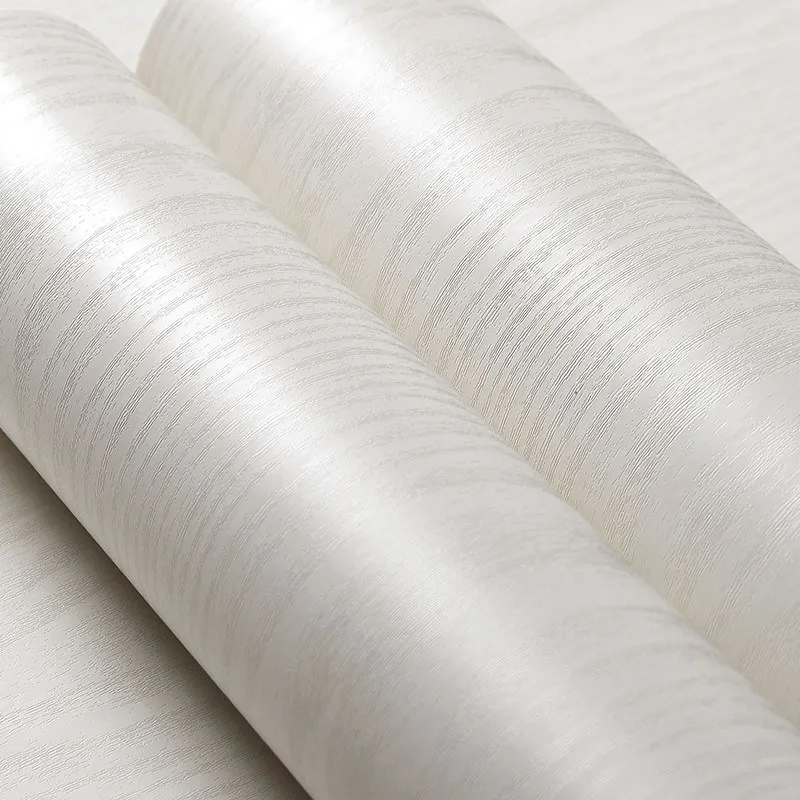
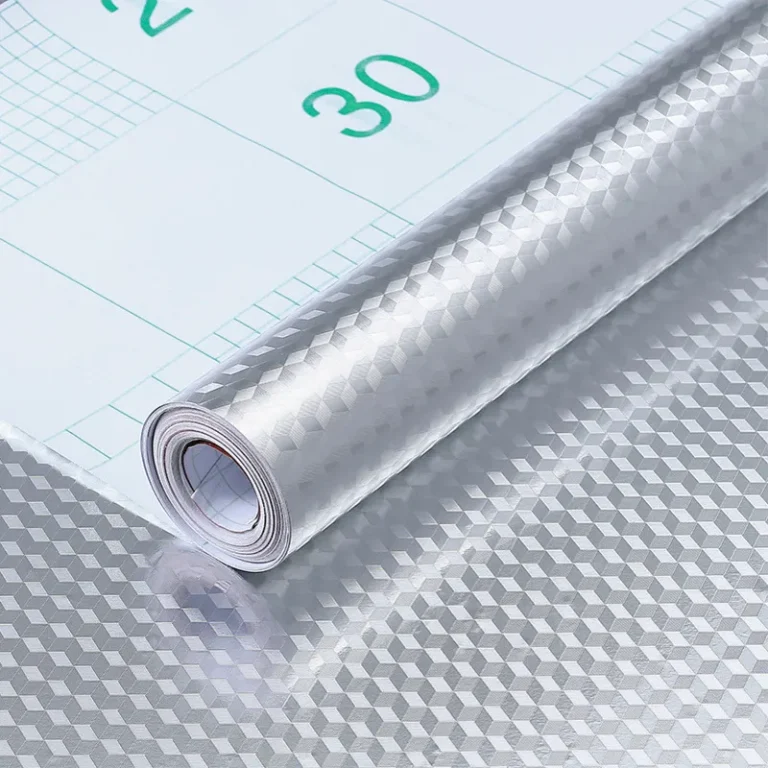
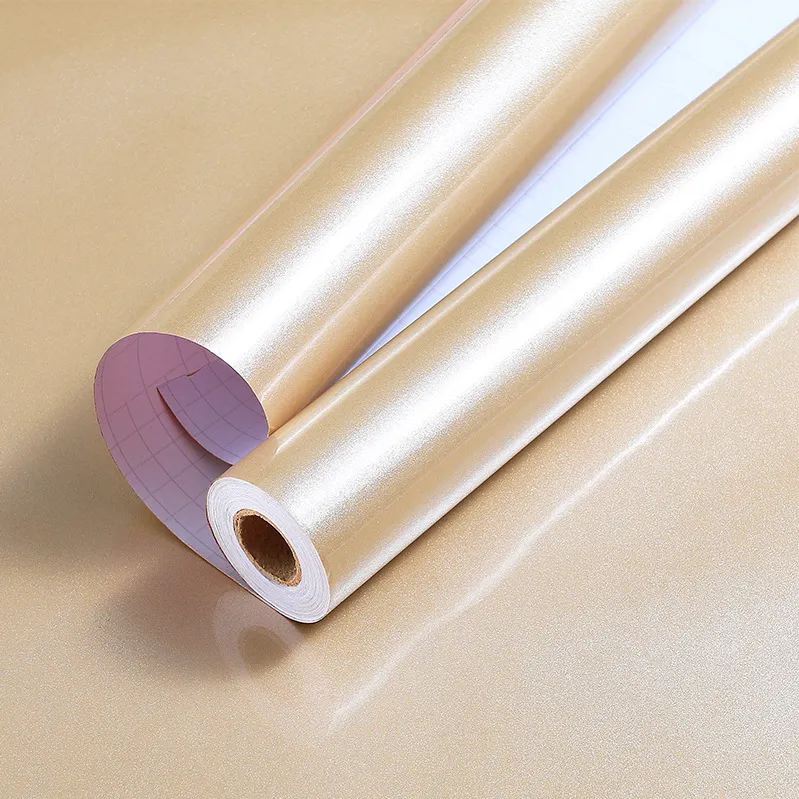
Embossed PVC film for wrapping is a decorative and protective plastic film with a textured surface (the “embossing”) designed to elevate both appearance and durability. It is widely used to wrap furniture panels, doors, wall boards, profiles, household items, and even certain industrial surfaces where a premium tactile feel and better scratch hiding are required. Compared with flat glossy or matte films, embossed textures can visually mimic wood pores, woven fabric, stone grains, brushed metal, or artistic patterns—while also improving grip and reducing fingerprint visibility.
Key takeaway:
Choose embossed PVC film by matching use case (furniture, wall, profile, appliance), thickness (performance), and surface texture (look + maintenance).
If you’re starting from material type, calendered film is a common base for consistent thickness, stable quality, and scalable production.
Embossed PVC film is a polyvinyl chloride film produced with an engineered texture pressed into the surface during manufacturing. The embossing can be subtle (micro-texture for soft matte feel) or deep (strong 3D relief for dramatic patterns). For wrapping applications, the film is typically supplied in rolls and applied via lamination, vacuum pressing, membrane pressing, or profile wrapping machines.
Embossed PVC wrapping film is popular because it can deliver a “designed surface” at scale—consistent from roll to roll—while remaining easier to process than many rigid laminates. Below are high-frequency application scenarios and what to prioritize in each.
For kitchen cabinets, wardrobes, office furniture, and display units, embossed PVC film provides a durable surface that is easier to clean and more resistant to daily wear than many painted finishes.
For wood-look projects, you can compare textures and grains using wood grain film.
Textured wrapping films add depth to interior surfaces while helping hide minor wall imperfections. For minimalist interiors and commercial spaces that need clean color blocks, see
solid color wallpaper
options that can pair well with embossed finishes.
For skirting boards and decorative trims, embossing helps reduce visible scuffs in high-traffic areas. If your project involves baseboards or edge profiles, explore
PVC skirting film
designed for consistent wrapping and durable appearance.
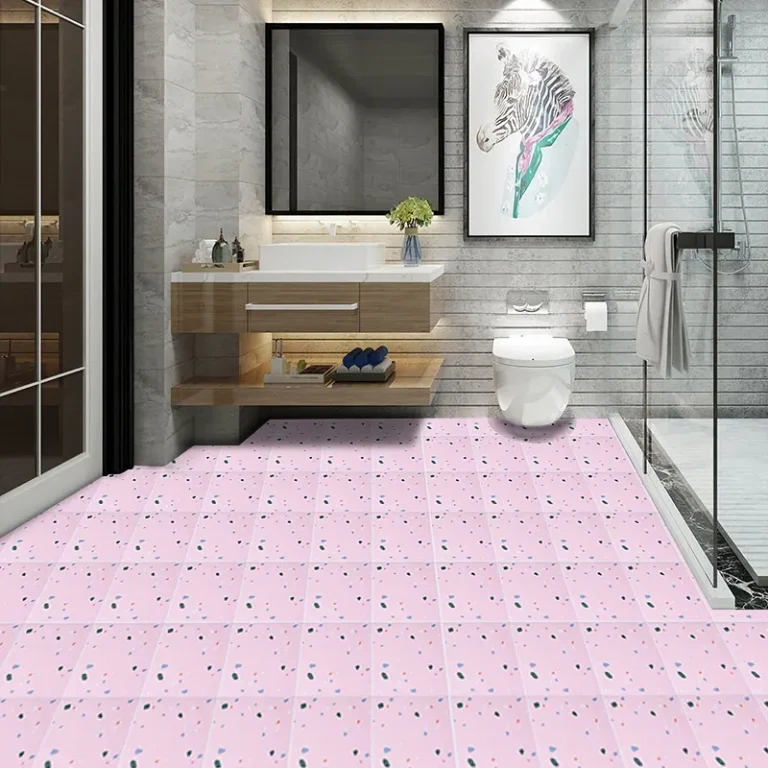
Not all wrapping films are floor-wear films, but embossed PVC textures are frequently used in floor film systems where slip resistance and abrasion resistance matter.
If you’re evaluating decorative layers for flooring solutions, reference
floor film
for typical performance expectations and structure options.
Embossing adds tactile realism. Wood pore embossing can align with print to mimic natural timber, while fabric embossing enhances soft, modern aesthetics.
Texture breaks up reflected light, making micro-scratches and fingerprints less noticeable than on high-gloss flat surfaces.
Embossed films often feel less “slippery,” supporting easier handling in some wrapping processes and improving grip for end users.
Note:
Not all embossings are equal. Deep embossing can look premium, but it may require more careful forming parameters (heat, pressure, dwell time) to avoid whitening, overstretching, or texture distortion on tight corners.
Thickness is one of the most important variables in wrapping performance. It influences conformability (how well the film wraps curves), durability (impact/scratch tolerance), and processing stability (handling, wrinkle resistance). The “best” thickness depends on substrate shape, surface area, and the required service life.
| Thickness Range | Best For | Pros | Watch-outs |
|---|---|---|---|
| 0.08–0.12 mm | Flat panels, light-duty decorative wrapping, cost-sensitive projects | Good flexibility, lower material cost | Less impact resistance; may show substrate imperfections more easily |
| 0.12–0.18 mm | General furniture, cabinets, doors, moderate forming | Balanced durability + conformability; widely used | Confirm corner forming on deep profiles; choose emboss depth carefully |
| 0.18–0.30 mm | High-traffic surfaces, premium furniture, stronger scratch/impact requirements | Better wear resistance; richer visual depth with layered structures | Less flexible on tight radii; may require optimized heating/pressing parameters |
A dramatic emboss may look impressive on a sample sheet, but your end-use should decide the final texture:
high-touch areas (cabinet doors, drawers) often benefit from micro-matte or leather-like embossing for easy cleaning, while feature walls can use deeper 3D patterns.
Prefer fine embossing and stain-resistant top layers to reduce dirt trapping in grooves.
Choose textures that scatter light (linen, sand-matte, wood pore) to keep daily wear less visible.
Consider 3D relief textures where forming radius is not too tight, and request matching print/emboss alignment if needed.
Different machines and processes “like” different film behaviors. Before finalizing a material, confirm whether you are using flat lamination, vacuum membrane pressing, or profile wrapping.
Then test: heating curve, forming depth, adhesive compatibility, and post-cure stability.
⚑ Process tip:
If your design has sharp corners or deep grooves, request forming test data and run a pilot trial. Many “mystery defects” (edge lift, whitening, texture flattening) are solved by tuning temperature/pressure/time rather than changing the pattern.
Define performance targets early. For example, kitchen and hospitality spaces often need higher resistance to common stains and frequent wiping. Office furniture may prioritize scratch hiding and consistent color across different lighting. Medical and cleanroom projects may require controlled additives and compliance documentation.
If you export or work with regulated industries, confirm the film is free of heavy metals and phthalates and can support documentation aligned with commonly requested systems (e.g., ISO management systems, REACH/RoHS, or FDA-related needs depending on application).
Embossed wrapping films range from subtle matte to high-definition decorative designs. If you want luxury interiors, silk-like textures and tactile finishes can differentiate your product line; for example,
3D silk texture film
provides a refined surface feel suited for modern furniture and decorative panels.
For color-controlled projects, request production-to-production consistency, lighting condition checks (D65/TL84), and clear acceptance tolerances. Also verify whether the film is intended for indoor use only or needs UV resistance for brighter environments.
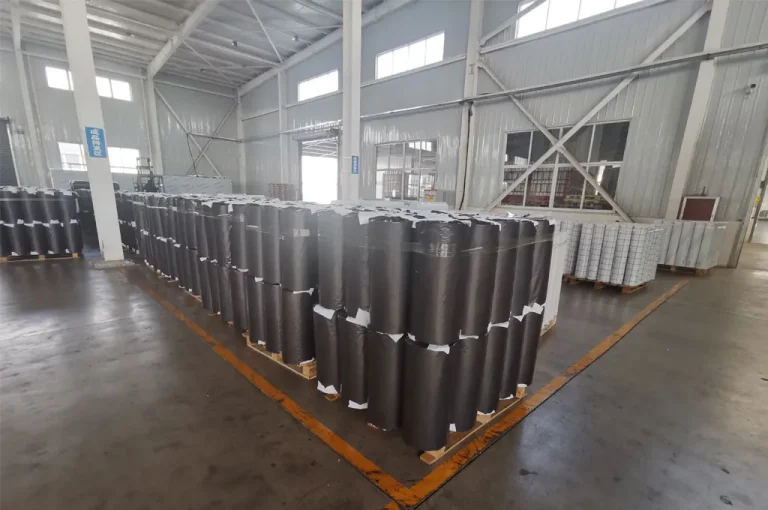
Wrapping projects often fail not because of design, but because of variability: thickness fluctuation, unstable emboss depth, inconsistent gloss, or packaging damage during shipping. A supplier with integrated capability—from calendering and printing to slitting and roll packing—can control critical parameters more tightly and respond faster for OEM customization.
To speed up sampling and reduce back-and-forth, prepare a short specification message. This helps the supplier recommend the correct embossed series and processing parameters.
Embossed PVC film has a textured surface that improves tactile feel and helps hide scratches/fingerprints. Flat film focuses more on pure gloss or matte appearance without surface relief.
Many cabinet projects use 0.12–0.18 mm for balanced forming and durability. Choose thinner for simpler flat panels and thicker for higher-wear or premium requirements—then confirm with forming trials.
Yes. Common OEM/ODM options include thickness, width, roll length, color/pattern printing, and functional treatments such as anti-static or easy-clean coatings.
Common causes include excessive stretching at sharp corners, incorrect heating/pressure/time settings, or an emboss too deep for the forming radius. Adjust process parameters first, then consider changing thickness/texture if needed.
Send your application, thickness range, texture/pattern preference, roll specs, and expected quantity. Including photos of the substrate shape (flat vs. deep profile) can help the supplier recommend the most stable option.