Address
304 North Cardinal St.
Dorchester Center, MA 02124
Work Hours
Monday to Friday: 7AM - 7PM
Weekend: 10AM - 5PM
Address
304 North Cardinal St.
Dorchester Center, MA 02124
Work Hours
Monday to Friday: 7AM - 7PM
Weekend: 10AM - 5PM


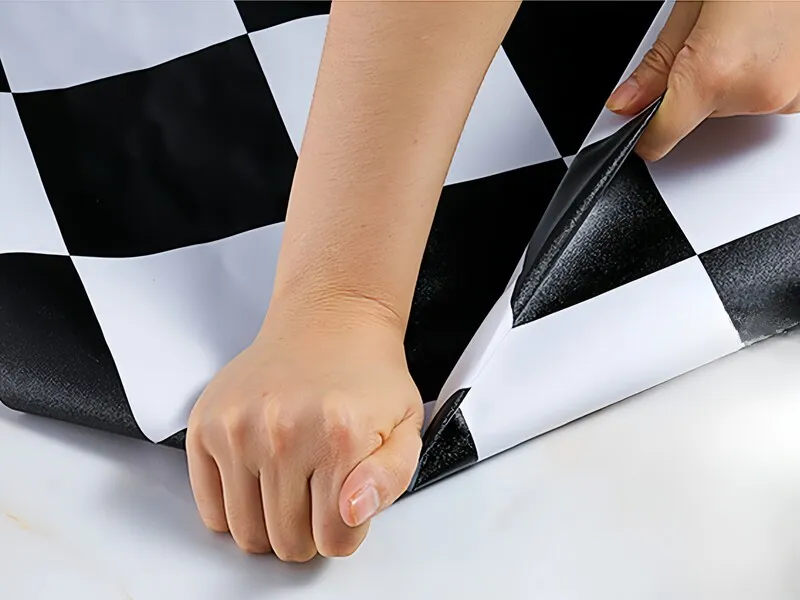
Heat insulation PVC film is a practical surface material designed to help reduce heat transfer, protect substrates, and improve indoor comfort across furniture, building decoration, electronics, and home applications. By combining PVC base film with optimized structure (such as calendered layers, functional coatings, or laminated composites), it can deliver a balance of thermal resistance, durability, aesthetics, and easy maintenance—while staying cost-effective and scalable for mass production.
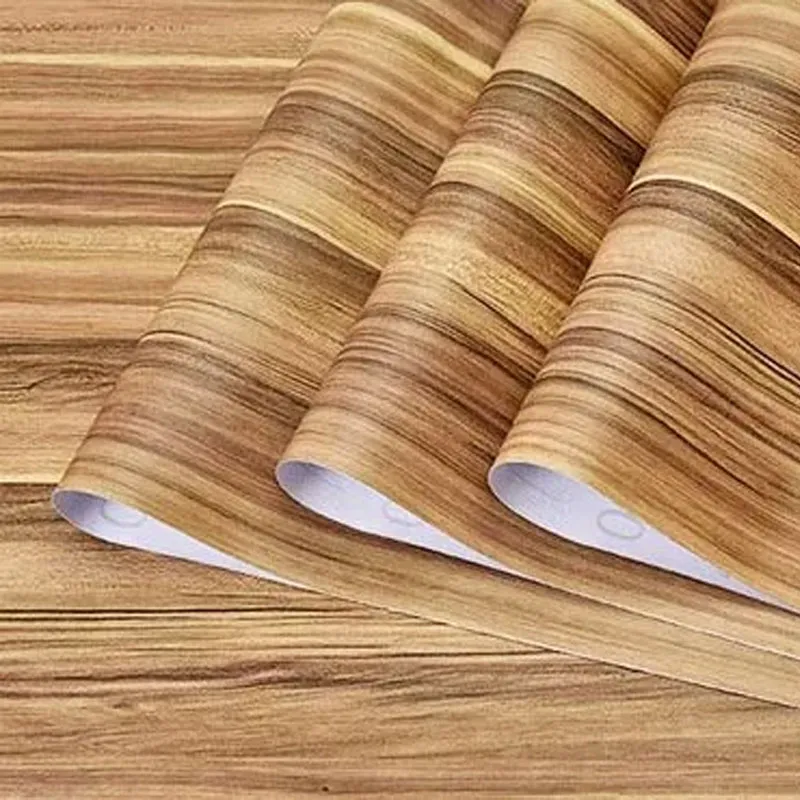
Key takeaway:
Heat insulation PVC film is not just “decorative film.” In many real projects, it acts as a thermal buffer + protective layer, helping surfaces stay more stable under sunlight, appliance heat, or daily temperature swings.
Heat insulation PVC film is a PVC-based sheet material used on surfaces where reducing heat impact matters—such as wall panels, doors, cabinets, skirting boards, flooring systems, appliance housings, and interior decorative panels. Depending on the design, it may support:
lower surface temperature rise, improved dimensional stability, and longer-lasting appearance when exposed to heat sources (sunlight through windows, hot kitchen zones, warm HVAC outlets, or equipment heat).
In production, many high-performance options start with calendered PVC film, which offers stable thickness and uniformity—important for lamination and consistent thermal behavior. For example, manufacturers may select a base like
Calendered Film
and then add printing, embossing, functional topcoats, or adhesive systems to match the end-use.
PVC film itself is not a thick insulation board; its value is often in reducing heat transfer at the surface and improving resistance to heat-related damage. Depending on the structure, it can:
In warm environments or sun-facing interiors, surfaces can expand and contract. A properly specified PVC film system helps maintain appearance by improving dimensional stability and reducing heat-induced stress on decorative layers.
Many applications require a surface that resists everyday stains and is easy to wipe clean. When designed for interiors, heat insulation PVC film can pair thermal performance with scratch resistance, good ink adhesion, and a finish that retains color over time.
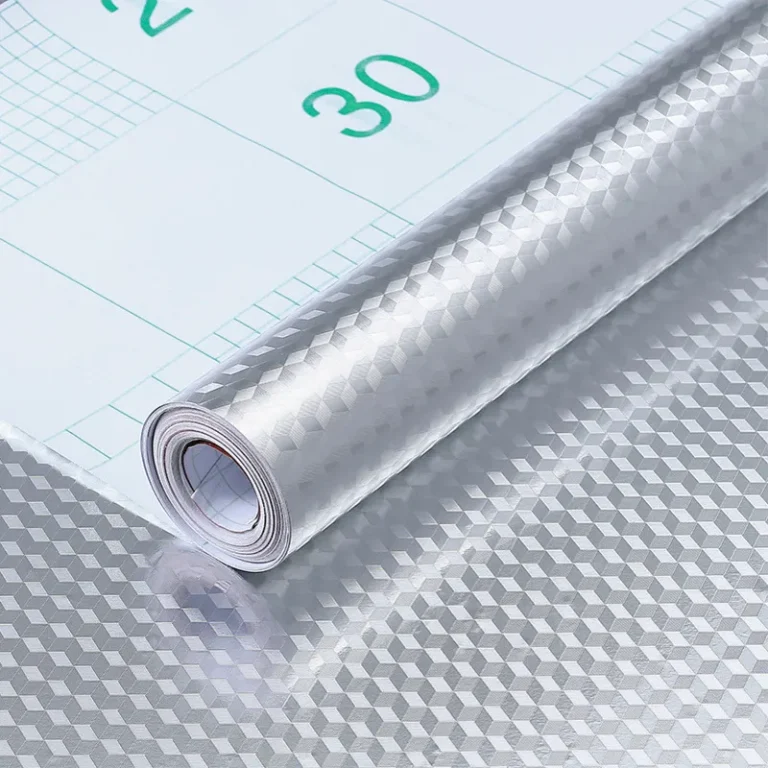
Heat insulation PVC film is often selected because it can look premium without the cost and variability of natural materials. Options include wood grain, marble, metal effects, matte, glossy, and 3D textures. For tactile interiors, textured options such as
3D Silk Texture Film
can enhance perceived value while remaining functional.
For large projects, consistency matters as much as performance. Producers with integrated calendering, printing, slitting, and packaging can improve batch-to-batch uniformity, shorten lead times, and reduce risk across supply chains.
Heat insulation PVC film is used anywhere surface temperature, sunlight exposure, or proximity to appliances can degrade traditional finishes. Below are high-frequency application zones:
For commercial spaces and homes, wall and panel surfaces can face strong daylight, HVAC airflow, and frequent cleaning. Heat-tolerant decorative film systems help reduce discoloration and maintain a consistent look across large areas. Minimalist interiors often choose solid colors, such as
Solid Color Wallpaper
styles, where even small heat-related waviness can be noticeable—making stability especially important.
Kitchens combine heat, moisture, and oil. Here, the “right” film is typically defined by heat resistance + stain resistance + easy wipe. In practice, manufacturers may use functional topcoats or laminated structures to support frequent cleaning without dulling the finish.
Tip:
For cabinet surrounds near cooktops, always confirm the film system’s continuous service temperature and test under real cleaning agents used onsite.
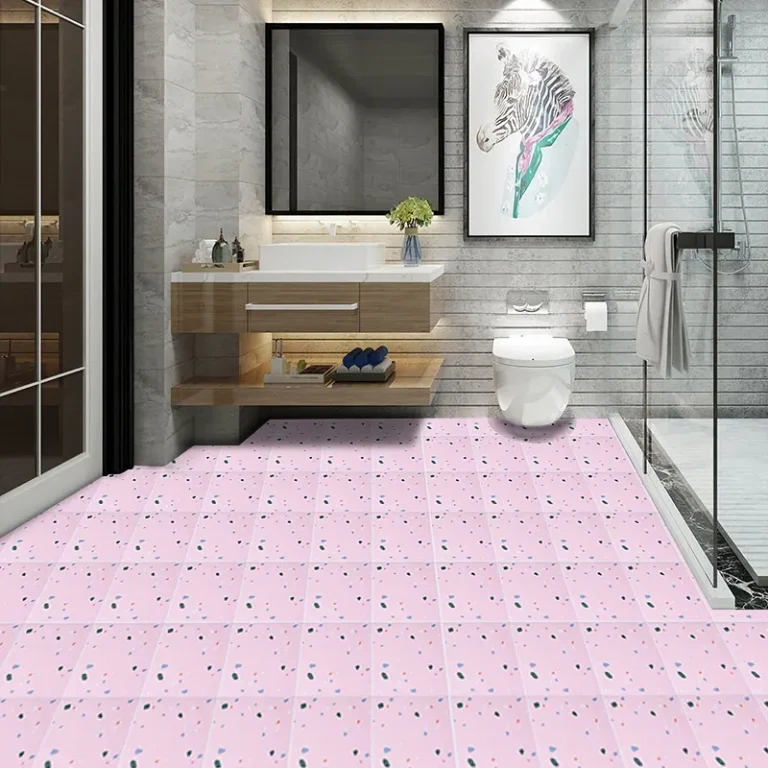
Floor-adjacent zones experience sunlight patches, seasonal temperature changes, and frequent abrasion. Using fit-for-purpose products—such as
Floor Film
for surface protection or decorative flooring systems—can help improve long-term stability. For finishing details, skirting solutions like
PVC Skirting Film
are commonly chosen to keep the perimeter consistent and easy to maintain.
In electronics, PVC films may support electrical insulation requirements while providing a protective and aesthetic outer surface. Depending on the product, films can be specified with anti-static treatments, controlled gloss, and stable thickness to support downstream lamination and die-cutting.
For clean environments, buyers typically value low-odor, compliant materials and stable surface performance. If heat sources exist (equipment, sterilization-adjacent zones), it becomes important to select films that maintain adhesion and do not distort during operation.
Heat insulation PVC film is best specified by structure rather than a single generic name. Common configurations include:
Balanced cost and consistency. Works well for furniture surfaces, wall panels, and standard decorative needs where moderate heat stability is required.
Multi-layer structures may improve stability and performance. They can be engineered for better handling, stronger lamination, and improved resistance to heat-related deformation.
Options may include stain-resistant topcoats, matte/anti-glare finishes, anti-static or anti-fog treatments, and coatings engineered to handle higher surface temperatures or harsh cleaning.
Convenient for installation, but heat resistance depends heavily on adhesive type and substrate prep. For warm areas, validate peel strength and long-term holding power at elevated temperature.
Choosing correctly means matching film design to heat source, substrate, installation method, and maintenance routine. Use the checklist below to reduce selection risk.
Provide the supplier with the estimated maximum surface temperature, exposure duration, and whether the heat is continuous or cyclic—this is often more useful than a vague “heat resistant” request.
PVC film performance depends on what it bonds to: MDF, plywood, particleboard, metal, plastic, glass, or composite panels. You should confirm:
adhesive system compatibility, priming requirements, and surface energy considerations.
Thickness impacts handling, durability, and perceived quality. Hardness and finish (matte, glossy, embossed) affect scratch resistance and how “premium” the surface appears. For example:
Ask for test data or run your own trials under real conditions. A robust evaluation commonly includes:
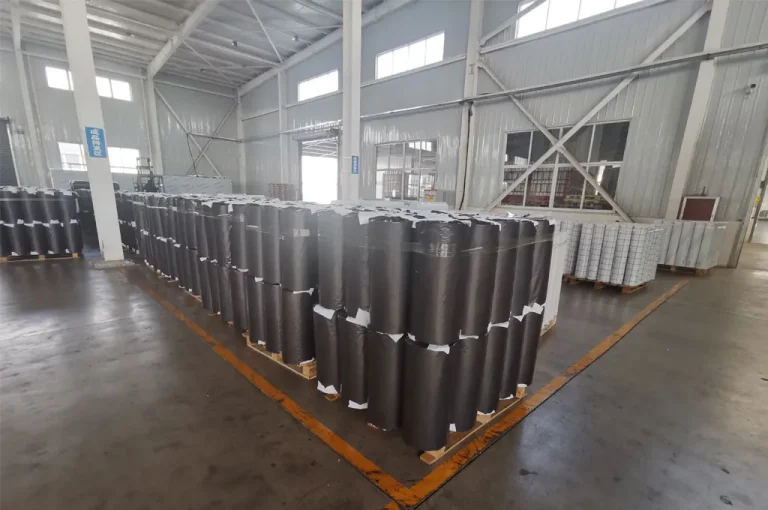
Heat insulation PVC film often goes through multiple downstream steps: slitting, laminating, thermoforming, wrapping, and on-site installation. Consistent roll quality, dust control, and proper wrapping reduce defects and rework. Many manufacturers pack each roll individually with protective layers and clear labels to support traceability.
For private label or customized projects, the “right film” is also the one that can be produced reliably at scale. When you request a quotation, prepare details such as thickness, width, roll length, finish, texture, color/pattern reference, target application, and expected annual volume.
If your project requires stable delivery and consistent batches, prioritize suppliers with full-process production control (calendering, printing, slitting, packaging) and documented QC—from raw materials to finished rolls.
Even a high-quality film can fail if installation is rushed. Common best practices include ensuring substrates are clean and dry, controlling workshop temperature and humidity, and using compatible adhesives/primers. For heat-sensitive locations, conduct a small pilot lamination first and check edge lifting after thermal exposure.
Use non-abrasive cloths and test cleaners on a small hidden area. Avoid harsh solvents unless the film supplier confirms compatibility. In kitchens and commercial spaces, consistent cleaning routines help preserve appearance—especially for matte or textured finishes that can trap residue if not wiped properly.
No. PVC film is a thin surface layer. It helps reduce heat impact and protects surfaces, but it is not a thick insulation core like foam boards. For best results, it’s often used as part of a system (substrate + adhesive + film).
Confirm the maximum operating temperature, whether exposure is continuous or cyclic, and the cleaner types used. Then validate adhesion retention after heating with a small trial.
Yes. Many manufacturers support OEM/ODM customization for thickness, width, roll size, surface finish, color/pattern, and packaging to match your production and branding needs.
Not necessarily. Heat performance depends more on the film structure, coatings, pigments, and adhesive system. Glossy surfaces can show deformation more clearly, while matte can hide minor changes.
Provide a clear color standard, specify tolerance requirements, request batch traceability, and approve pre-production samples. Working with suppliers that control calendering, printing, and QC in-house also improves consistency.