Address
304 North Cardinal St.
Dorchester Center, MA 02124
Work Hours
Monday to Friday: 7AM - 7PM
Weekend: 10AM - 5PM
Address
304 North Cardinal St.
Dorchester Center, MA 02124
Work Hours
Monday to Friday: 7AM - 7PM
Weekend: 10AM - 5PM


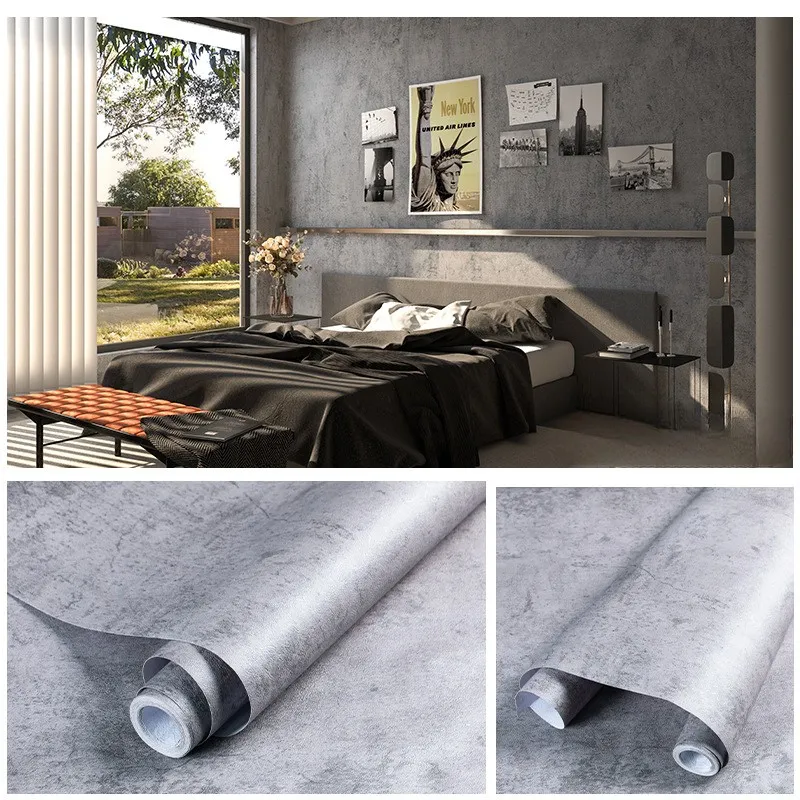
PVC film quality is not “one test, one answer.” Whether you are sourcing decorative film for furniture panels, ordering protective film for electronics, or specifying flooring-grade material, quality depends on measurable performance (thickness stability, adhesion, optics, durability) plus process consistency (raw materials, calendering/printing/slitting control, packaging, and traceability). This guide explains the key tests, standards, and the most common PVC film defects—so you can evaluate every roll with confidence before it reaches production.

✓ Practical tip: Always define “quality” by your application. A film that is perfect for cabinetry (high print clarity, good adhesion to MDF) may fail in flooring (insufficient wear resistance) or in cleanroom packaging (too much outgassing/odor).
Before testing, confirm you are comparing the right film categories. PVC films vary by formulation (plasticizer system, stabilizers), structure (single-layer vs. laminated), and surface (gloss/matte/embossed/soft-touch/self-adhesive). For example, calendered film typically emphasizes thickness uniformity, smoothness, and roll consistency—while decorative films emphasize print registration, color control, and surface feel.
Many quality issues originate upstream: resin grade variation, plasticizer incompatibility, contaminated recycled content, unstable pigments, or incorrect stabilizer packages. A capable supplier will implement documented controls from raw materials to finished rolls, including batch traceability and multi-stage QC checks.
Thickness uniformity is the foundation: it affects lamination, thermoforming, adhesive coating behavior, and visual appearance. Test across the roll width and along roll length.
✔ How to check: Use a calibrated micrometer (or thickness gauge) at multiple points (left/center/right) every set meter length. Record average and max deviation. For embossed films, specify whether thickness is measured at peak, valley, or average.
Mechanical strength impacts unwind stability, slitting performance, wrapping, and end-use durability. Weak films can neck down, tear at edges, or split during lamination.
For decorative laminations (e.g., cabinet doors) and flooring, heat shrinkage determines whether seams open, corners lift, or patterns misalign after hot-press, vacuum press, or sunlight exposure.
Cut a marked square specimen, condition it, heat it at a defined temperature/time (based on your process), then measure MD/TD change. Track shrinkage by lot and by thickness to catch drift early.
For transparent and high-gloss decorative films, small optical defects become customer complaints fast. Test gloss level (if specified), haze (for clear/matte differentiation), and do a strong backlight inspection to detect gels, contamination, and streaks.
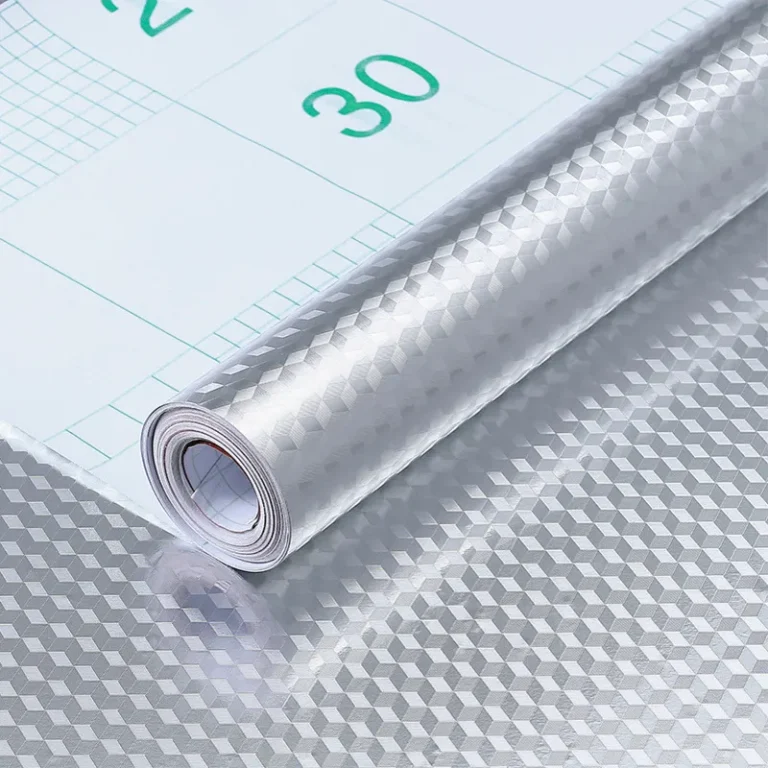
Decorative PVC film must match approved samples under specified lighting. A small color shift becomes obvious when panels are installed side-by-side. For textured products like 3D silk texture film, also check emboss depth uniformity and texture direction consistency.
🔎 What to define in specs: target color tolerance (e.g., ΔE), reference light source, viewing angle, and whether texture must align with the print (registration tolerance in mm).
If your film is laminated onto MDF, plywood, SPC/WPC, metal, or acrylic, you must validate bond strength under realistic production conditions (press temperature, time, adhesive type). For self-adhesive films, peel strength, tack, and shear resistance are essential.
For high-touch areas (wardrobes, cabinets, countertops, skirting boards), abrasion resistance and stain resistance determine how the surface looks after weeks and years—not just on day one. For example, PVC skirting film should resist scuffs, cleaning agents, and repeated contact.
★ Use-case checklist: If the film will be used in kitchens, test against cooking oil, mild alkaline cleaners, and common pigments (coffee/tea/spices). If used in healthcare/cleanrooms, include alcohol wipes and disinfectants.
For interior decoration, low odor is not only a comfort issue—it can impact project acceptance. Odor often signals volatile residues, plasticizer imbalance, or ink/adhesive incompatibility. Evaluate odor after unrolling and after mild heat exposure (to simulate installation).
PVC film standards depend on market and application. Many suppliers provide compliance to recognized management systems and chemical restrictions. Commonly requested items include ISO 9001 (quality management) and ISO 14001 (environmental management), plus material compliance such as REACH, RoHS, and (for certain contact scenarios) FDA requirements.
Symptoms: uneven feel, lamination bubbles, inconsistent embossing depth, curl. Likely causes: unstable calender temperature/pressure, resin/plasticizer fluctuation, worn rolls. Detection: widthwise thickness mapping; track deviation trends by lot.
Symptoms: long lines visible under light, especially on glossy films. Likely causes: contaminated rollers, poor filtration, improper calender roll polish, inconsistent cooling. Detection: angled light inspection + gloss measurement consistency.
Symptoms: small raised dots, crater-like defects, embedded specks. Likely causes: unmelted resin, degraded material, contamination, filter screen issues. Prevention: stronger filtration, controlled regrind usage, strict housekeeping.
⚠ Why it matters: Gels and specks can become cutting cracks or visible defects on finished furniture panels, especially on light solid colors and high-gloss patterns.
Symptoms: trapped air pockets, raised bubbles after lamination or heat exposure. Likely causes: moisture, residual solvents in ink/adhesive, insufficient pressing parameters, low surface energy. Detection: laminate sample panels, then heat-age and inspect edges and flat zones.
Symptoms: film edges curl up/down, poor layflat during cutting or wrapping. Likely causes: uneven cooling, internal stress, incorrect winding tension, asymmetrical layer structure. Prevention: optimize cooling and winding; store rolls upright and condition before converting.
Symptoms: visible bands across width/length, mismatch between batches. Likely causes: pigment dispersion variation, ink viscosity drift, printing pressure changes, inconsistent emboss-registration control. Detection: ΔE measurement + visual comparison against master sample.
Use a repeatable workflow so every incoming lot is judged the same way. This reduces subjective disputes and speeds up approvals.
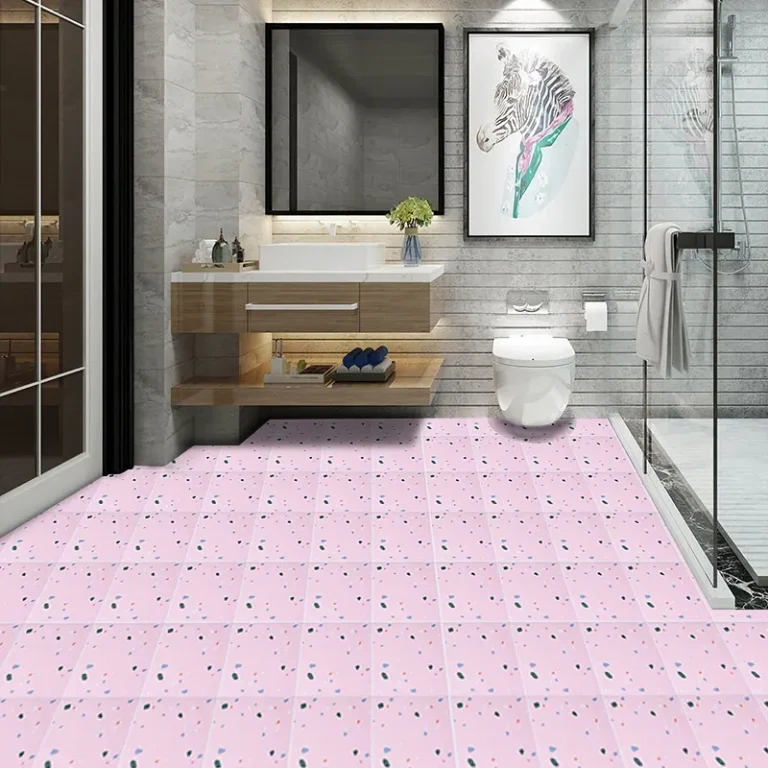
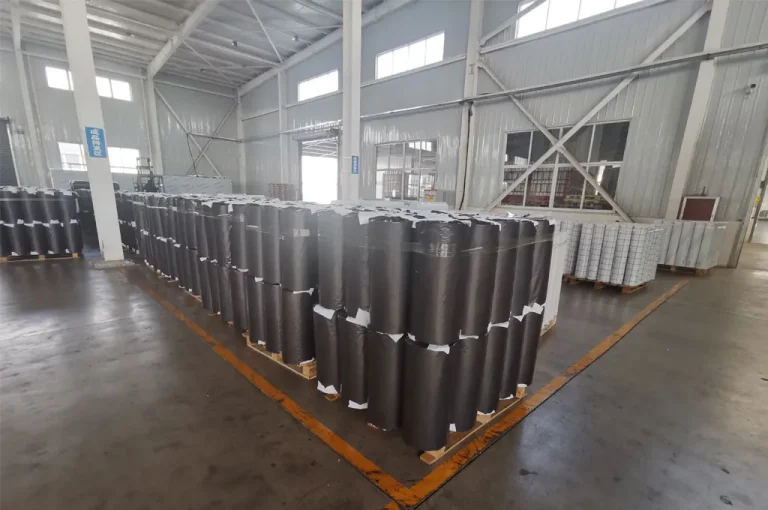
Even high-quality film can develop issues if stored incorrectly. Heat, sunlight, humidity, compression, and dirty warehouse floors can lead to blocking, deformation, dust inclusion, or odor pickup. For décor and flooring rolls—such as floor film—storage discipline is part of quality control.
Many disputes happen because the PO only lists “PVC film, 0.15 mm, wood grain.” A robust PO turns quality into measurable requirements and reduces rework.
Internal QC works for routine incoming checks and process monitoring. Third-party testing is valuable when entering a new market, bidding on regulated projects, or resolving claims about chemical compliance and safety. A balanced approach is to run internal acceptance tests on every lot and schedule third-party verification for new materials, new colors, or high-risk end uses.
📌 Decision rule: If a failure would cause installation callbacks, brand damage, or regulatory exposure, budget for third-party testing at the start—rather than paying for rework later.
At minimum: visual inspection (streaks/specks/gels), thickness mapping, width/roll length, and one application-relevant performance test (adhesion for lamination or peel for self-adhesive). For décor, add color/appearance checks against a master sample.
High gloss reflects light uniformly, so small surface irregularities (streaks, drag marks, contamination) become highly visible. Matte textures diffuse light, hiding minor defects—but matte films may need closer control of haze and uniform texture.
Common causes include moisture in boards, residual solvents in ink/adhesive, incorrect press settings, or low surface energy. Always run a heat-aging check on a laminated sample to catch delayed blistering.
Lock a master reference sample, define ΔE tolerance and lighting conditions, and require supplier controls for pigment dispersion and printing parameters. For critical projects, request a pre-production approval roll.
Control storage temperature, allow rolls to acclimate, and verify winding tension consistency. Curl often worsens when cold rolls are unwrapped in warm, humid workshops (condensation + stress release).