Address
304 North Cardinal St.
Dorchester Center, MA 02124
Work Hours
Monday to Friday: 7AM - 7PM
Weekend: 10AM - 5PM
Address
304 North Cardinal St.
Dorchester Center, MA 02124
Work Hours
Monday to Friday: 7AM - 7PM
Weekend: 10AM - 5PM


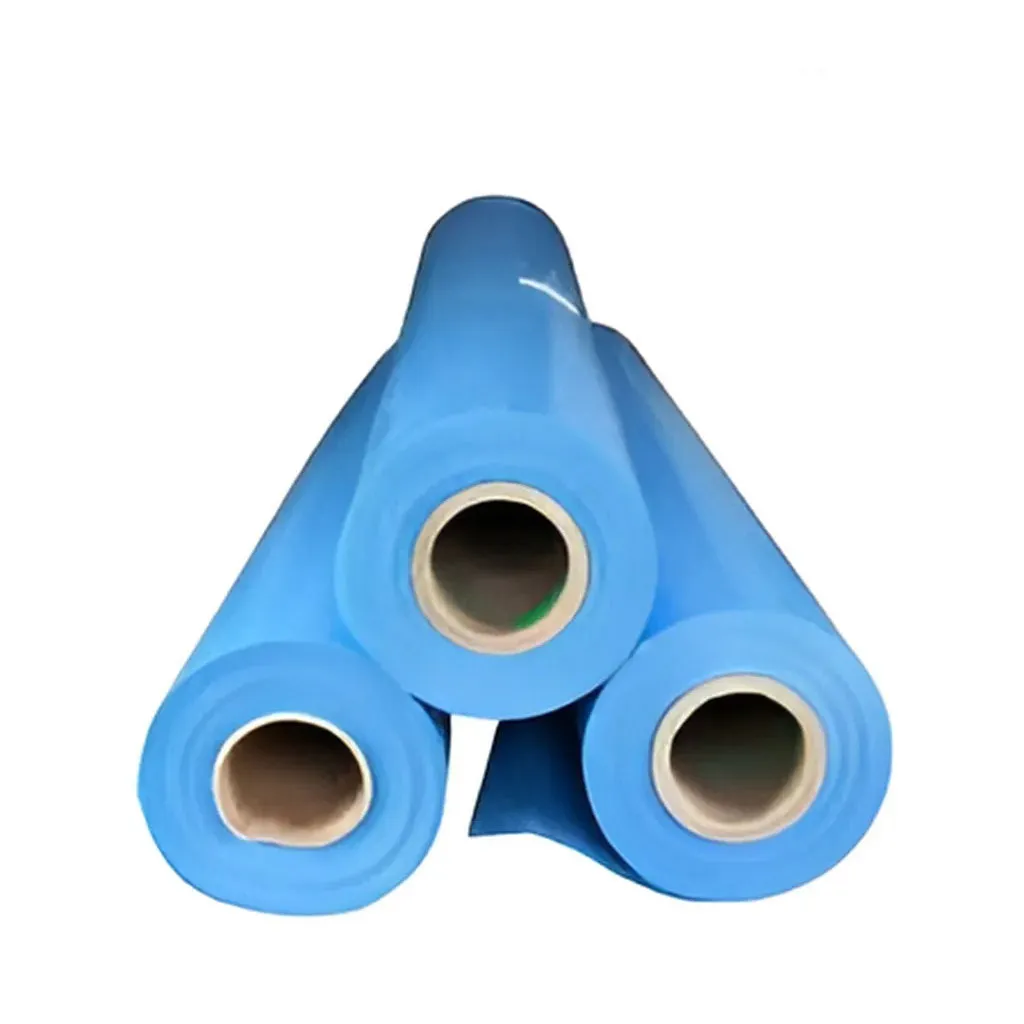
Polyethylene (PE) stretch wrap is a versatile film used across logistics, retail and household applications. One common question buyers ask is: is PE stretch wrap film transparent? The short answer is: it depends. This guide explains how transparency varies, why it matters, common uses, and how to choose the right PE stretch wrap for your needs.
PE stretch wrap is a flexible, elastic film made from polyethylene resins. It is manufactured in different formulations (linear low-density PE, low-density PE, etc.) and processes (cast or blown), which influence its clarity, strength and cling. Stretch wrap is designed to stretch around items and maintain tension to secure loads without adhesives.
Cast film typically offers higher transparency and a smoother surface. Blown film can be stronger but often appears hazier. Additives (like UV stabilizers or slip agents), fillers and colorants also reduce clarity.
Yes—many PE stretch wraps are transparent or semi-transparent, but transparency varies by product. Clear versions are produced for visibility of labels or product contents, while tinted or pigmented films are used for UV protection, security or branding.
– Resin grade and molecular structure (LLDPE vs LDPE)
– Manufacturing process (cast tends to be clearer than blown)
– Film thickness/gauge (thinner films are often clearer)
– Additives, fillers and colorants (reduce clarity)
– Surface finish (glossy films reflect light differently than matte)
Transparent PE stretch wrap offers several useful advantages for businesses and consumers:
Clear film allows labels, barcodes and product condition to be seen without unwrapping, speeding warehouse operations and reducing errors.
Inspectors and quality control staff can quickly verify contents, item counts and damage without removing the film.
Retailers and brands use transparent stretch wrap for a neat, professional appearance that showcases the product.
Both transparent and non-transparent films have specific roles in industry:
– Warehouse palletizing and transport stabilization
– Retail packaging and presentation
– Protection from dust and moisture during storage
– Food packaging (clear, food-grade options available)
– Moving and storage for households (visibility helps inventory)
– Light-sensitive goods: tinted or black stretch wraps offer privacy or UV protection
| Film Gauge / µm | Typical Appearance | Common Uses |
|---|---|---|
| 6–8 µm | Very clear | Light-duty wrapping, retail bundles |
| 12–17 µm | Clear to semi-clear | Common pallet wrap, good balance of clarity and strength |
| 20–30 µm | Slightly hazy | Heavy loads, improved puncture resistance |
| >30 µm | Opaque/tinted common | Security wrap, UV protection, long-haul transport |
Follow these steps to select the right film for your application:
Do you need full visibility of labels and goods? Choose cast clear films with thinner gauges or higher clarity LLDPE blends.
Heavier or irregular loads require thicker gauges or reinforced films to resist punctures—expect reduced clarity with increased thickness.
High-cling films wrap tighter and use less film per pallet. Test a sample to ensure consistent cling and easy application on your equipment.
If food contact or recycling is a concern, request food-grade certifications and check recyclability claims. UV or anti-static additives can affect transparency and disposal.
Always request samples to test on your pallets, machines and products. Visual inspection, stretch recovery and load stability tests reveal real-world performance.
Clear cast films often cost more than blown hazy films but can reduce labor and error costs due to label visibility. High-cling films can save material usage. Consider total cost of ownership—not just unit price.
Yes. Light tints or color masterbatches can produce semi-transparent wraps that balance privacy and some visibility.
Clear wrap without UV stabilizers will degrade faster outdoors. For outdoor use, choose UV-stabilized films (may be slightly less transparent).
Not always. Film formulation, elasticity and machine application matter. A well-formulated mid-gauge film can outperform a thicker, brittle film.
Pulivk
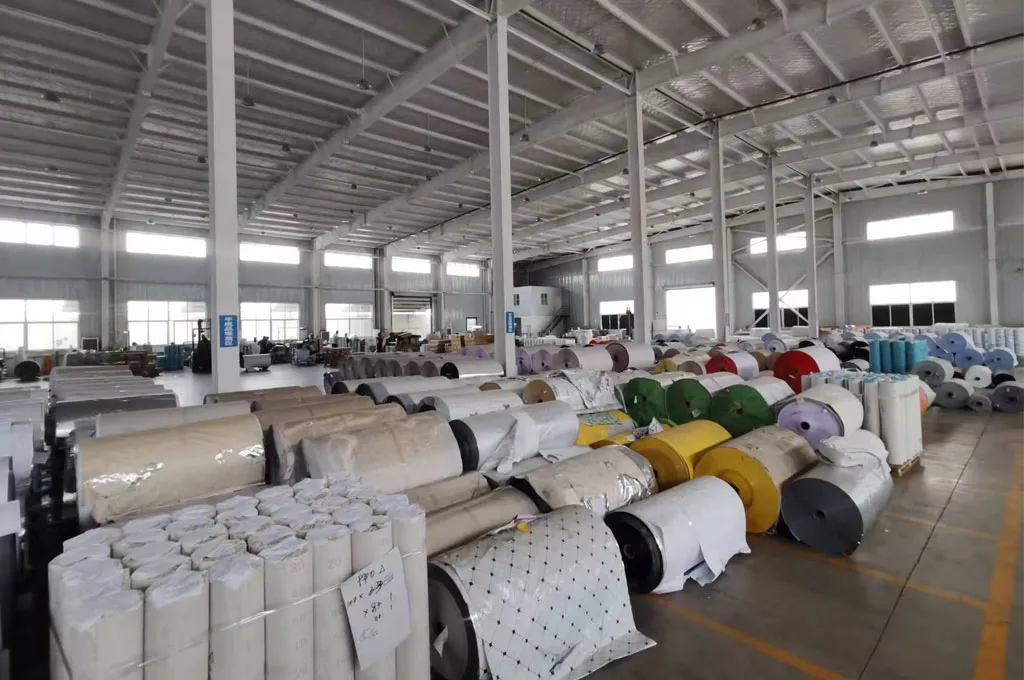
Full in-house production with calendering, printing and split-packaging lines; cost-effective manufacturing via source-level control; flexible OEM and customization for sizes, colors and prints; stable lead times; strict QC checkpoints; global export experience to Southeast Asia, the Middle East, Europe and beyond.
– Required level of transparency
– Film gauge and expected pallet weights
– Cling level and machine compatibility
– Additives (UV, anti-static) and regulatory needs
– Sample testing and supplier lead times
Choosing the right PE stretch wrap means balancing visibility, protection and cost. Test recommended samples and confirm specifications before placing larger orders to ensure the film meets your transparent or opaque requirements.