Address
304 North Cardinal St.
Dorchester Center, MA 02124
Work Hours
Monday to Friday: 7AM - 7PM
Weekend: 10AM - 5PM
Address
304 North Cardinal St.
Dorchester Center, MA 02124
Work Hours
Monday to Friday: 7AM - 7PM
Weekend: 10AM - 5PM


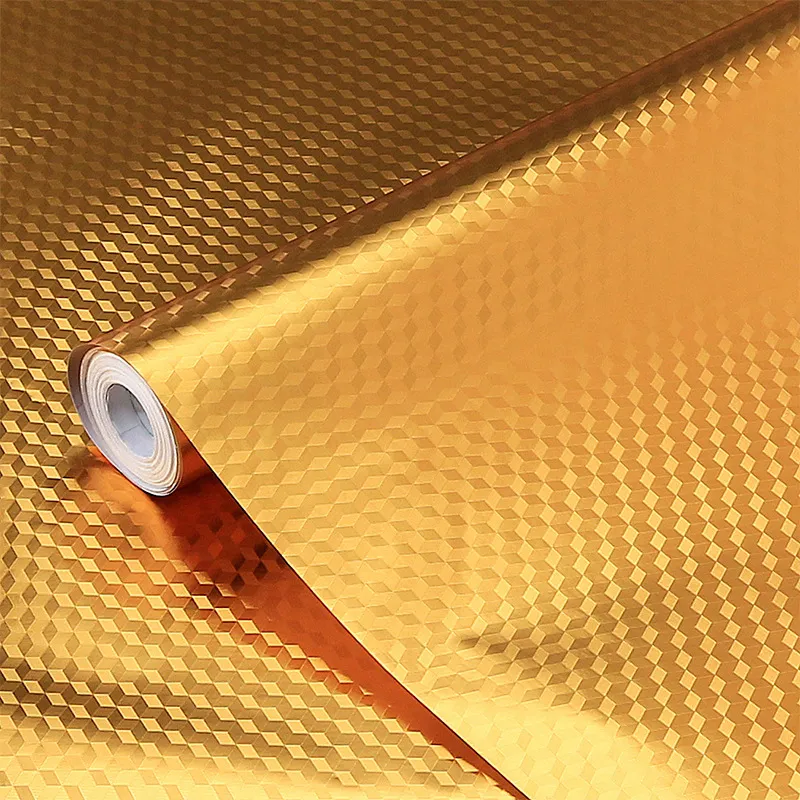
PVC film is everywhere—on furniture surfaces, wall panels, flooring, product protection, and countless decorative finishes. But one question keeps coming up for designers, importers, brands, and homeowners: Is PVC film environmentally friendly? The honest answer is nuanced. PVC (polyvinyl chloride) can deliver long service life and material efficiency, yet it also comes with real environmental concerns tied to raw materials, additives, and end-of-life treatment. This guide breaks down the pros, cons, and the most practical eco-friendly alternatives—so you can make choices that match your performance needs and sustainability goals.
Key takeaway:
PVC film is not “green” by default, but it can be a lower-impact option in certain use cases—especially when it replaces heavier materials, extends product life, uses compliant formulations, and is handled responsibly at end of life.
PVC film is a thin sheet made from polyvinyl chloride resin. Manufacturers can tailor it to be rigid or flexible, glossy or matte, transparent or opaque, smooth or embossed. In decorative applications, PVC films can simulate wood grain, marble, fabric, metal, and solid colors—helping brands deliver consistent aesthetics at scale.
In many industries, PVC film is chosen because it balances cost, durability, processability, and visual variety. For example, calendered PVC film (made via heated rollers) is widely used for stable thickness, good surface quality, and high throughput. If you’re comparing manufacturing routes, you can explore a typical product category like
Calendered Film
to understand what “calendered” means in real-world specifications.
Sustainability isn’t only about what a material is made of—it’s also about what it replaces, how long it lasts, and what happens after use. A practical life-cycle view usually includes:
✔ Raw materials: fossil-based feedstocks, chlorine chemistry, and additives.
✔ Manufacturing footprint: energy use, emissions control, scrap reuse.
✔ Use phase: durability, cleanability, indoor air quality, safety compliance.
✔ End-of-life: recyclability, incineration risks, landfill persistence, take-back systems.
With this framework, PVC film can score well in some categories (durability, surface protection) and poorly in others (additive concerns, end-of-life complexity). The rest of this article unpacks those trade-offs.
A major sustainability lever is service life. Decorative PVC films protect substrates (MDF, plywood, metal, composites) from moisture, stains, abrasion, and daily wear. When a cabinet door, wall panel, or skirting board lasts longer before refurbishment, total material throughput often drops.
In many designs, PVC film acts as a thin functional “skin” rather than a thick structural layer. Replacing heavier cladding, laminates, or natural stone with a film-based finish can reduce shipping weight—especially relevant for export supply chains.
Natural materials vary; decorative films are engineered for repeatable patterns and color consistency. That can reduce offcuts, rework, and jobsite waste in large projects (retail interiors, hotel fit-outs, residential developments).
Not all PVC is the same. Responsible suppliers increasingly offer formulations that are free of heavy metals and phthalates and can align with common compliance expectations (e.g., REACH, RoHS). In practical procurement, asking for test reports and batch traceability matters as much as the base polymer.
Procurement tip:
If your project is for interiors (furniture, wall surfaces, healthcare, schools), request documentation on restricted substances, VOC-related considerations, and third-party verification options.
PVC is produced using petrochemical inputs and chlorine-derived chemistry. The environmental profile depends heavily on upstream practices and energy mix. While this doesn’t automatically make PVC “bad,” it does mean PVC is under more scrutiny than some alternative plastics.
Many PVC films rely on additives to achieve flexibility, softness, UV resistance, and processing stability. The sustainability and health profile often hinges on which additives are used and whether the formulation is designed for indoor contact and long-term aging.
⚠ Watch-outs to ask about:
PVC film recycling is feasible technically, but challenging practically. Decorative films are often bonded to substrates (wood boards, metal, composites) and may include printing layers, adhesives, and coatings—making separation and clean recycling harder. Additionally, collection infrastructure differs dramatically by country and region.
When PVC waste is burned in facilities without advanced controls, it can contribute to hazardous emissions. Modern high-standard waste-to-energy systems can reduce risk, but not all regions have consistent controls. This is one reason many specifiers prefer materials with simpler end-of-life pathways.
PVC film is best described as environmentally conditional. It can be a sensible option when it:
extends product lifespan, reduces maintenance, and comes from suppliers using compliant, safer formulations—while also being used in applications where end-of-life handling is realistic.
On the other hand, if your priority is a straightforward recycling story, low scrutiny polymers, or a fully bio-based narrative, PVC film may not align with your sustainability strategy—especially for short-lived or frequently replaced products.
The most defensible sustainability case for PVC film is often in long-life, high-wear environments, where it prevents frequent replacements. Examples include:
“PVC-free” doesn’t automatically mean “eco-friendly.” Each alternative has its own footprint, performance limits, and cost profile. The right choice depends on durability targets, surface feel, installation method, and end-of-life plans.
Polyolefins (polypropylene, polyethylene) are often viewed as more recycling-friendly in regions with established streams. They can be a strong option for certain protective films and some decorative solutions.
Best for: projects prioritizing simpler recycling narratives.
Trade-off: may underperform versus PVC in flame behavior requirements, emboss depth, or certain tactile finishes depending on formulation.
PET-based films can offer clarity, hardness, and good surface durability. They are common in packaging and some decorative laminations. In some applications they can replace PVC for transparency and stiffness.
Best for: high-gloss, clarity-focused surfaces, and certain rigid film uses.
Trade-off: may be less forgiving in thermoforming windows, and performance depends on thickness and coating systems.
For soft-touch and flexible needs, TPU/TPE can be alternatives with strong abrasion resistance and premium feel.
Best for: premium tactile surfaces, impact resistance.
Trade-off: typically higher cost and may have different chemical resistance vs. PVC.
Paper-based laminates can lower plastic content and improve renewable-content claims. However, durability and moisture resistance depend heavily on coatings and adhesives, which can complicate recycling.
Some suppliers offer bio-attributed feedstocks (mass balance) or bio-based polymers. These can reduce fossil dependency, but you still need to evaluate durability, emissions, and certification credibility.
The fastest improvement often comes from better chemistry choices: avoiding heavy metals, using safer plasticizer systems where flexibility is required, and selecting low-odor inks/coatings for interior applications.
A film that lasts 8–15 years can outperform a “greener” material that fails in 2 years. Prioritize abrasion resistance, UV stability, stain resistance, and surface maintainability—especially for kitchens, retail, and high-traffic spaces.
Multi-layer composites, aggressive adhesives, and mixed-material assemblies can make recycling harder. Where performance allows, simplify constructions and document materials for future sorting.
If your goal is a premium interior look without heavy natural materials, decorative PVC can reduce resource intensity. For instance, a marble-look finish can be achieved using a dedicated category like
Marble Film
rather than transporting and cutting heavy stone—while still meeting many design expectations.
What to request from your PVC film supplier:
Environmental impact is tied to behavior: in kitchens and bathrooms, surfaces face oil, moisture, frequent cleaning, and temperature swings. Films that resist staining and peeling can prevent early replacement—often the biggest footprint driver in real homes.
For example, in kitchen cabinetry and wall protection zones, selecting a film designed for oil resistance and easy cleaning can reduce harsh chemical use and surface degradation. When comparing functional surface options, it helps to look at categories engineered for these environments, such as
Kitchen Anti-oil Film,
then evaluate how long the surface can realistically stay in service without rework.
If you’re specifying materials for a brand, project, or product line, use this quick checklist to avoid overly simple “good/bad” judgments.
Sometimes. Clean, single-material PVC streams can be recycled, but decorative or adhesive-backed films are harder to recycle because they’re bonded to other materials and may include inks/coatings.
It can be, depending on formulation and compliance. Ask for documentation showing the product is free of heavy metals and restricted plasticizers and meets relevant standards for your market.
It depends on lifespan, transport weight, installation waste, and maintenance. In some cases, a durable film that prevents replacement can outperform heavier materials with higher shipping and cutting waste.
Use compliant formulations, design for long service life, avoid unnecessary multilayer complexity, and work with suppliers who can provide traceable quality control and safer inks/coatings.
PET/PETG and polyolefin-based films are common alternatives, while paper-based laminates can increase renewable content. The best choice depends on moisture resistance, abrasion performance, cost, and recycling realities in your region.