Address
304 North Cardinal St.
Dorchester Center, MA 02124
Work Hours
Monday to Friday: 7AM - 7PM
Weekend: 10AM - 5PM
Address
304 North Cardinal St.
Dorchester Center, MA 02124
Work Hours
Monday to Friday: 7AM - 7PM
Weekend: 10AM - 5PM


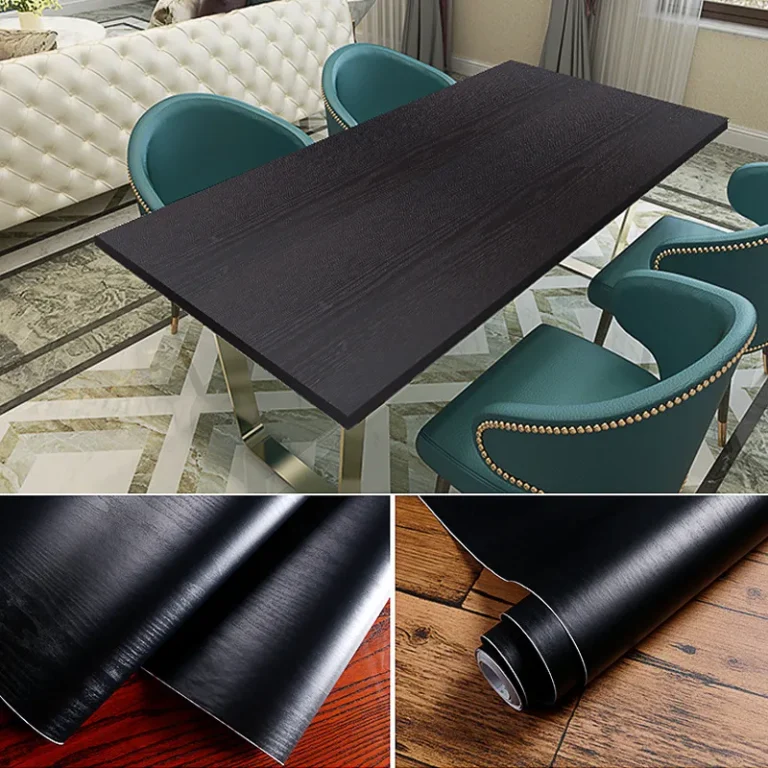
PVC film has become a popular option for interior surfaces — including ceilings — thanks to its affordability, wide range of finishes, and ease of installation. This guide explains when PVC film is suitable for ceiling use, which film types perform best, safety and durability considerations, installation tips, and smart buying criteria to help homeowners, contractors, and designers make informed decisions.
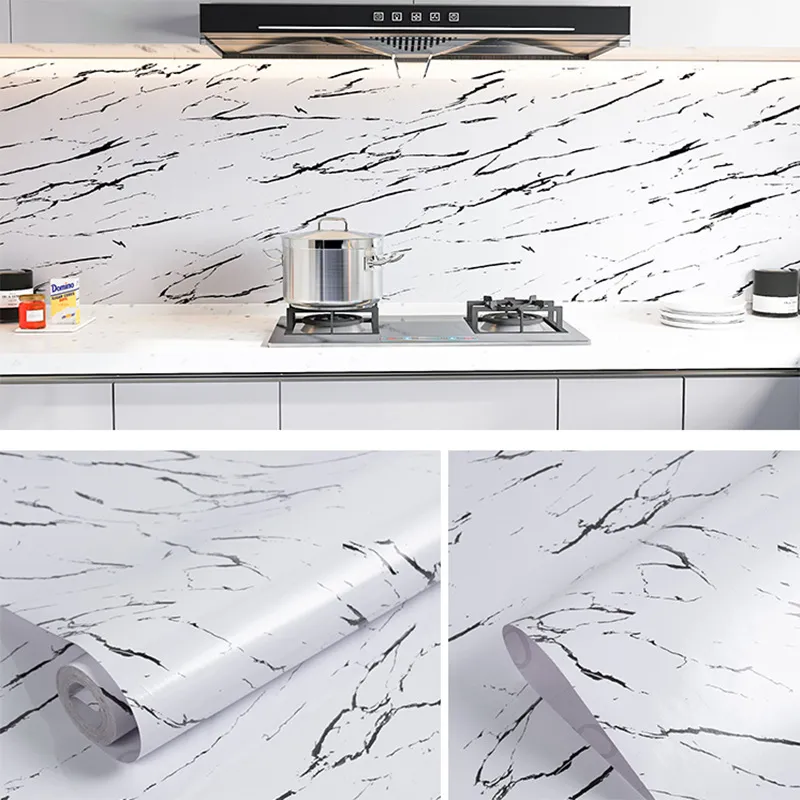
PVC film can be an excellent solution for many ceiling projects. It offers fast installation, a variety of visual effects (wood grain, marble, matte, glossy), and water-resistant surfaces that are easy to clean. However, its suitability depends on the environment, fire and building-code requirements, and the chosen product quality.
PVC film is well-suited for residential rooms, bathrooms, kitchens (with proper ventilation), retail spaces, and temporary fit-outs where cost and appearance matter. It works especially well where a lightweight, decorative cladding is preferred over heavier materials like gypsum or wood panels.
Do not use standard PVC film in areas with strict fire-rating requirements (such as some commercial and public buildings) unless the film has a certified fire-retardant rating. Avoid unventilated, extremely hot spaces (directly below industrial equipment or uninsulated roofs) unless high-temperature rated films are specified.
Choose the film type based on the ceiling’s function and visual goals. Common types include:
Cost-effective, available in solid colors, woodgrain, and stone effects. Best for low-to-medium traffic ceilings.
Offer depth and tactile finishes for feature ceilings. Slightly thicker and often more durable against scratches.
Good for quick renovations and small ceiling panels. Requires very clean, smooth substrates for long-term adhesion.
Before selecting PVC film for a ceiling, evaluate these critical technical factors:
Fire rating is paramount. Look for films with fire-retardant additives and third-party test reports (EN, ASTM, or local standards). For public or commercial ceilings, get explicit approval from a fire-safety engineer.
Choose low-VOC formulations and ask for material safety data sheets (MSDS). New PVC film can off-gas plasticizers; ventilation and curing time are advisable after installation.
PVC film is water-resistant but substrate moisture and high humidity can affect adhesives. For bathrooms and kitchens, choose waterproof adhesives and allow for movement with proper edge sealing.
Ceiling applications benefit from slightly thicker films (80–200 μm for decorative overlays; thicker laminated films for heavy-duty use). Thicker films resist sagging and minor impact better.
Correct installation extends life and appearance. Follow these guidelines:
PVC-ceiling maintenance is straightforward: wipe with mild detergent and water, avoid abrasive cleaners, and inspect edges and seams yearly. With proper installation and care, PVC film ceilings commonly last 8–15 years depending on exposure and film quality.
| Advantages | Limitations |
|---|---|
| Affordable, many finishes, lightweight, waterproof options | May need fire-rated versions for some buildings; quality varies by manufacturer |
| Quick renovation solution with minimal dust | Can off-gas plasticizers initially; avoid in very high-heat areas |
| Easy to clean and maintain | Poor installation can lead to bubbling, peeling, or visible seams |
When budgeting, compare film cost plus adhesives and labor against alternative ceiling finishes. Ask suppliers for:
| Application | Film Type | Typical Thickness |
|---|---|---|
| Residential living rooms | Calendered decorative film | 80–150 μm |
| Bathrooms & kitchens | Waterproof, anti-mildew films | 100–200 μm |
| Commercial ceilings (visible areas) | Fire-retardant laminated film | 120–250 μm |
If fire rating, acoustic performance, or extreme heat resistance is a key requirement, explore these alternatives: mineral fiber ceilings, gypsum board with finishes, metal panels, or high-performance coated laminates. Each has trade-offs in cost, weight, and installation time.
Properly selected thickness and correct adhesive methods minimize sag. For large spans, mechanical fasteners or backer panels are recommended.
With quality film and good installation, expect 8–15 years. High-wear or poorly ventilated environments may shorten that lifespan.
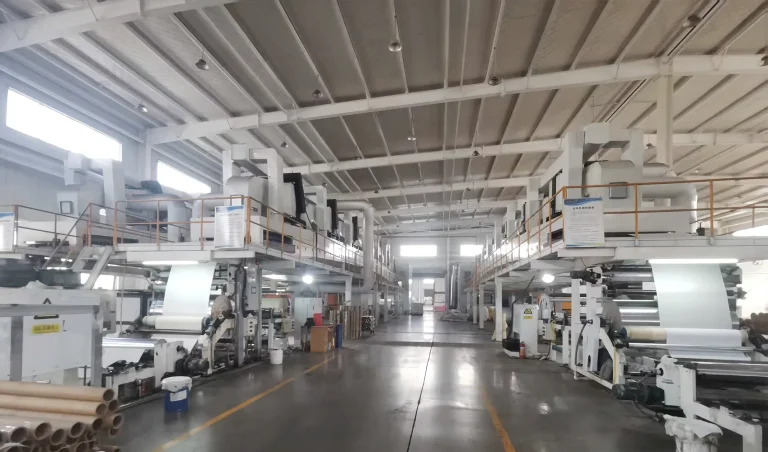
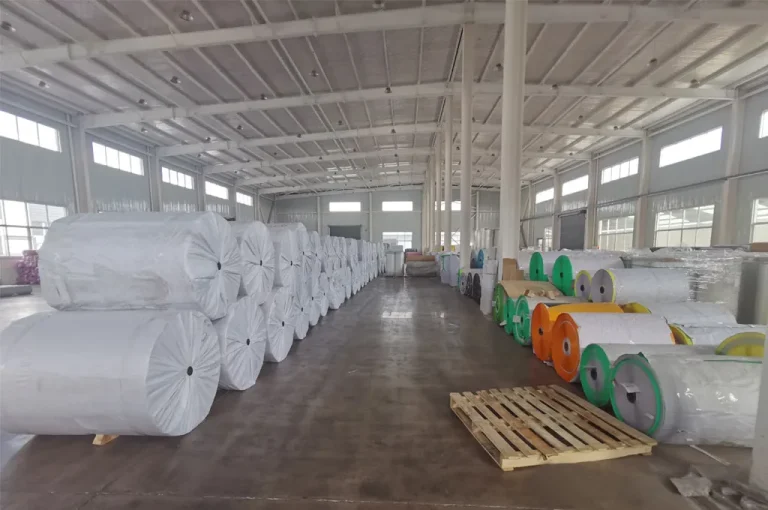
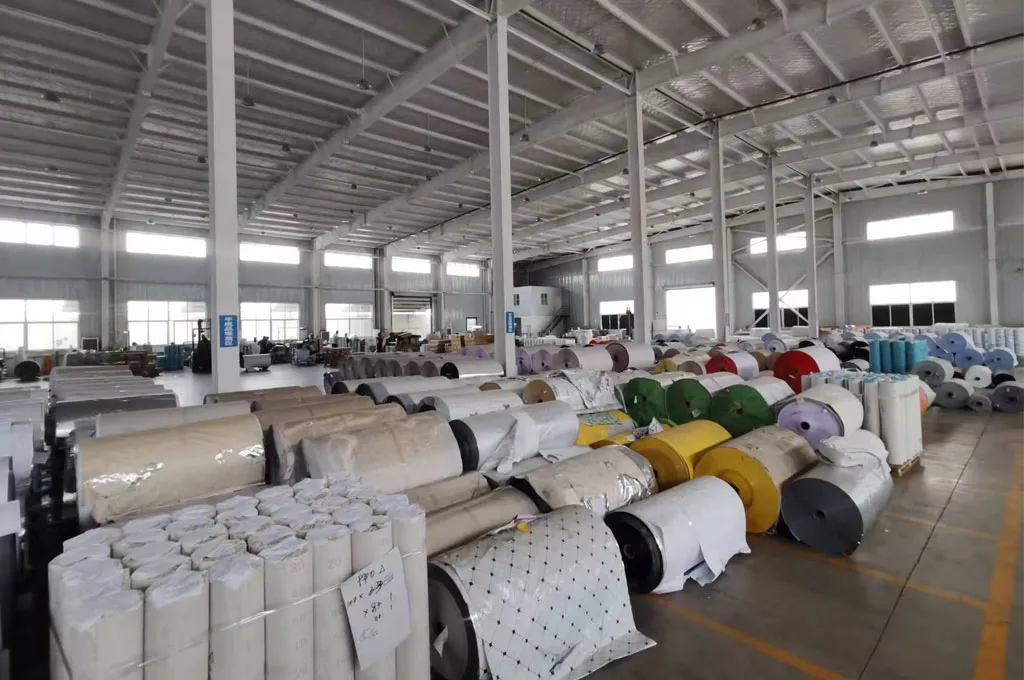
Pulivk manufactures a wide range of PVC films with in-house calendering, printing, and split-packaging lines—offering OEM customization, strict quality control, and export experience for global projects.
If your project requires an attractive, economical, and water-resistant ceiling finish, PVC film is a sensible choice when you specify the right product (fire-rated where needed), prepare substrates properly, and use experienced installers. Prioritize certified technical data, samples, and warranty terms when selecting a supplier.