Address
304 North Cardinal St.
Dorchester Center, MA 02124
Work Hours
Monday to Friday: 7AM - 7PM
Weekend: 10AM - 5PM
Address
304 North Cardinal St.
Dorchester Center, MA 02124
Work Hours
Monday to Friday: 7AM - 7PM
Weekend: 10AM - 5PM


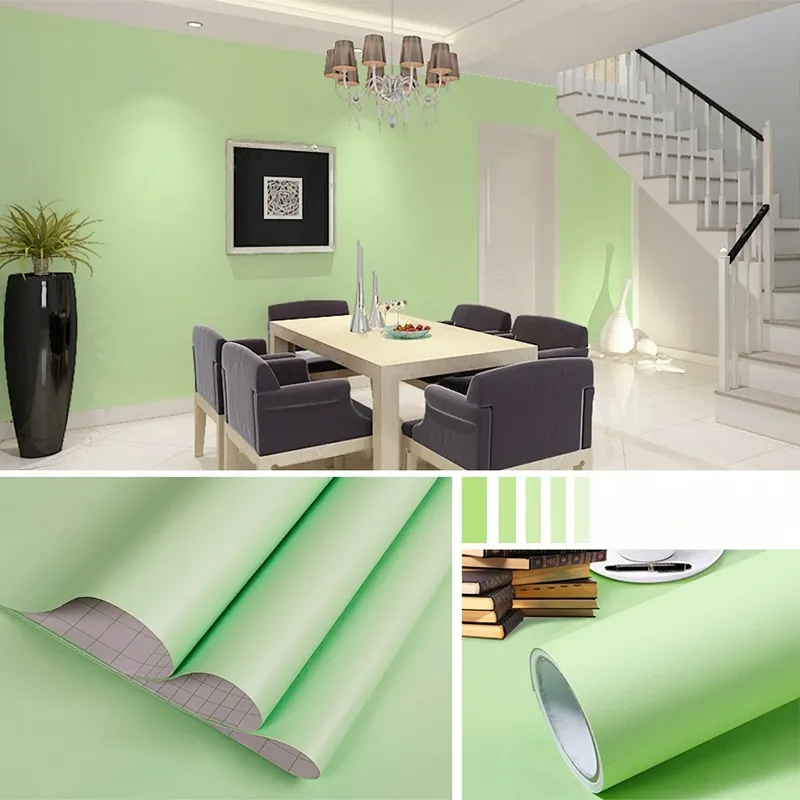
Commercial interiors have to do more than look good—they must handle constant foot traffic, frequent cleaning, impact, humidity changes, and fast refresh cycles for branding. PVC film is often chosen because it delivers a highly decorative surface with reliable protection at a controlled cost. But is it truly suitable for commercial spaces like offices, retail stores, hotels, clinics, schools, restaurants, and exhibition venues? This guide breaks down PVC film’s real-world pros, cons, durability expectations, and best-use scenarios so you can specify it confidently.

Key takeaway:
PVC film can be an excellent commercial finish when you match the film type, substrate, and installation method to the environment (traffic level, cleaning chemicals, moisture, and impact risk).
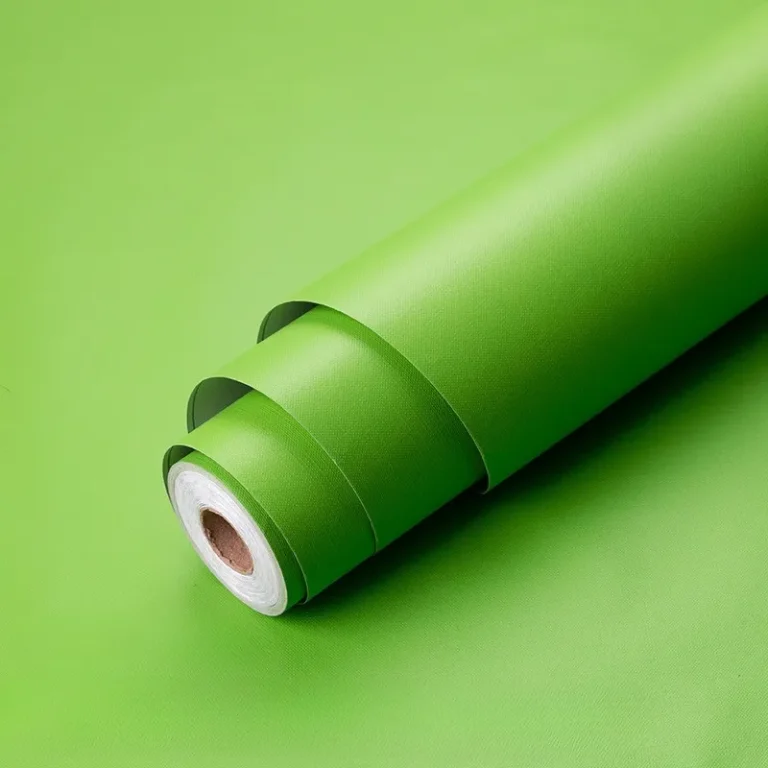
PVC film is a thin, engineered sheet made from polyvinyl chloride that can be produced in multiple structures and finishes—glossy, matte, embossed, soft-touch, transparent, self-adhesive, and functional versions such as anti-static or anti-fog. In commercial settings, it’s commonly used to wrap or laminate surfaces to deliver design consistency and surface protection with faster turnaround than many traditional materials.
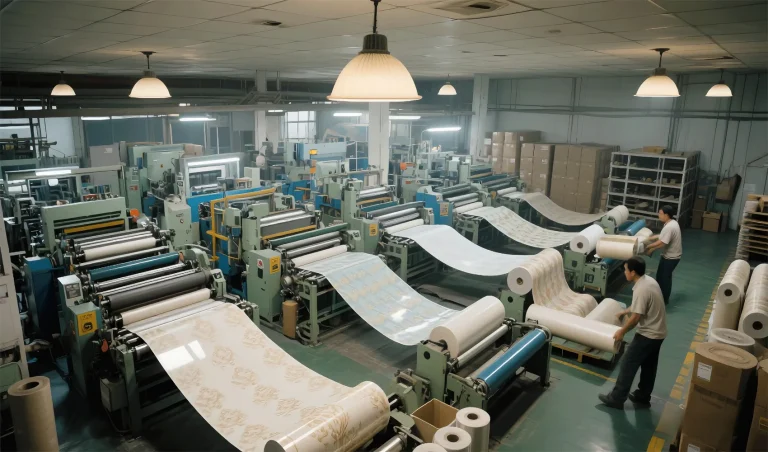
If you need stable, high-volume specification for furniture panels, doors, wall accents, counters, or retail fixtures, calendered PVC films are frequently selected because they support repeatable thickness control and consistent output. For reference product types, see Calendered Film.
Commercial spaces refresh frequently—seasonal promotions, rebrands, tenant changes, and wear-driven renovations. PVC film can replicate wood, stone, metal, fabric, and solid-color looks with consistent batch-to-batch appearance. This makes it easier to standardize finishes across multiple sites (chains, franchises, multi-branch offices).
In many commercial applications, PVC film provides good resistance to scuffs, light impact, and routine cleaning. When paired with suitable adhesives and substrates (MDF, plywood, PVC boards, metal panels in some assemblies), it can protect the underlying surface from stains and abrasion—especially in high-touch areas like reception desks, cabinet fronts, and corridor wall panels.
Compared with many solid-surface materials, PVC film helps keep materials and installation budgets predictable. It also supports faster production cycles for wrapped panels and modular fixtures—useful when commercial projects face strict deadlines (store openings, hotel handovers, tenant improvements).
Commercial cleaning is frequent and sometimes harsh. Many PVC films are designed to tolerate repeated wipe-downs and common detergents, making them suitable for offices, retail, and certain healthcare-adjacent areas where hygiene and quick turnaround matter.
Tip:
Always align your cleaning protocol with the film’s surface finish. Matte and embossed textures can hide micro-scratches better, while high gloss may show swirl marks under strong lobby lighting.
Not all PVC films are meant for direct, sustained heat. In commercial kitchens, near coffee machines, behind hot equipment, or on sun-exposed curtain walls, poor selection can lead to softening, edge lifting, gloss changes, or print fading. If your space has intense localized heat, consider specialized films or alternative materials for those zones.
Many “PVC film failures” are actually substrate or bonding failures: dusty panels, uneven moisture content, improper primer, incorrect adhesive choice, insufficient pressing time, or rushed edge finishing. In high-traffic commercial environments, small installation shortcuts turn into visible defects quickly.
Some disinfectants, solvents, and degreasers can dull surfaces or weaken adhesion over time. This is especially important in clinics, gyms, restaurants, and beauty salons. Before specifying, confirm compatibility with the actual chemicals used on site (including alcohol-based wipes and concentrated cleaners).
⚠ Important:
Don’t assume “PVC film” is one uniform product. Thickness, topcoat, embossing, adhesive system, and compliance targets (REACH/RoHS/FDA) can change performance significantly.
Durability isn’t just about the film—it’s a system result: film structure + topcoat + substrate + adhesive + edge sealing + daily use patterns. In commercial spaces, you should evaluate performance by zone.
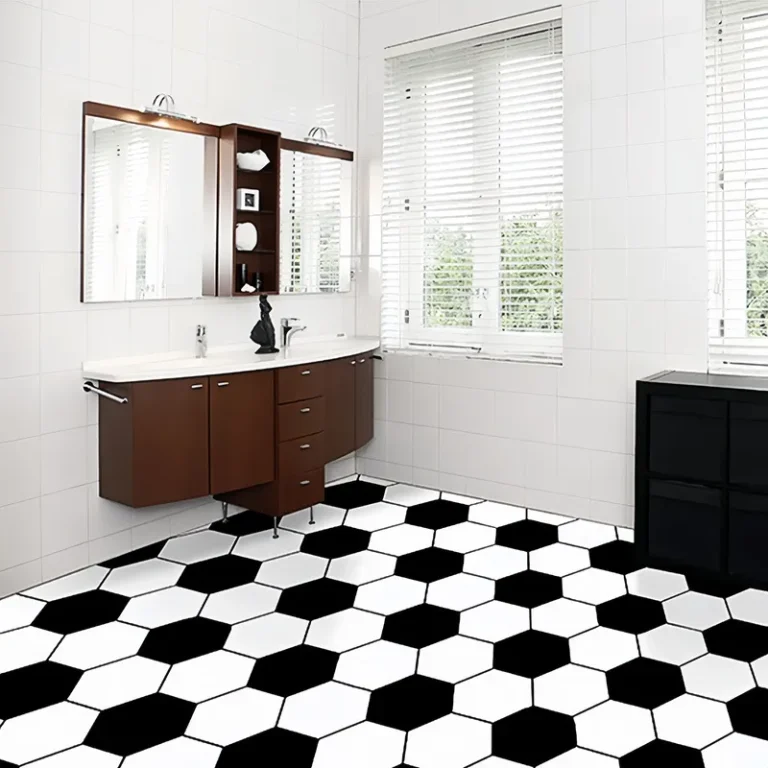
Floors require specialized constructions because foot traffic, rolling loads, grit, and wet cleaning will quickly expose weak materials. If you’re evaluating PVC film for flooring or flooring overlays, use dedicated products such as Floor Film rather than a general decorative wrap.
For skirting and baseboard wraps in corridors and lobbies (a common wear zone due to cleaning equipment and luggage), purpose-built options like PVC skirting film can improve consistency and reduce edge damage.
PVC films can work well in humidity-prone zones when the substrate is stable and edges are sealed correctly. The main risk is water infiltration at seams, cutouts, and corners, which can cause swelling in MDF/wood-based panels and eventually lifting. For commercial washrooms, prioritize moisture-resistant substrates, waterproof detailing, and slip-safe floor solutions designed for wet environments.
⛔ Caution zones:
Direct high-heat surfaces, continuously sun-baked exterior-facing metal skins without proper design, and flooring applications using non-floor-rated films. In these areas, select specialized constructions or alternate materials.
Map the project into zones: public-facing high-traffic, staff-only medium-traffic, and low-traffic decorative zones. Then define the main threats: abrasion, impact, moisture, oils, disinfectants, UV exposure, or frequent rebranding.
Thicker or reinforced structures can improve handling, reduce telegraphing of minor substrate defects, and increase perceived solidity. Functional options like anti-static can be valuable in electronics-related spaces, while specialized topcoats can improve stain and scratch resistance.
The substrate must be smooth, stable, and suitable for wrapping/lamination. In commercial environments, edges take the most abuse—use radius edges where possible, wrap properly, and seal edges in wet or chemical-heavy zones. This single detail often determines whether the installation looks great for years or starts peeling within months.
Commercial projects often require documentation for indoor air quality, restricted substances, and supplier QC. When sourcing PVC film for public spaces, confirm the manufacturer can provide consistent batch traceability, third-party test reports, and compliance aligned to your market requirements (commonly ISO management systems, REACH, RoHS, and related safety standards depending on use).
If you’re managing multi-country rollouts, align the specification early: the same design may need different performance targets for humid coastal regions, high-UV areas, or facilities with aggressive cleaning protocols. A supplier with end-to-end processes (calendering, printing, slitting, packaging) typically has better control over consistency and lead times—both critical for chain-store standardization.
For many vertical and furniture surfaces, yes—when you specify the right thickness/topcoat and install correctly. For floors, use floor-rated constructions such as dedicated floor film rather than general decorative wrap film.
Edge/corner lifting from impacts, poor substrate prep, incompatible adhesives, and chemical damage from cleaners not tested against the chosen finish.
Yes, if the substrate is moisture-resistant and seams/edges are detailed to prevent water ingress. Humidity itself is manageable; water getting behind edges is the bigger issue.
Matte and embossed textures generally hide micro-scratches and fingerprints better than high gloss, especially under strong retail or lobby lighting.