Address
304 North Cardinal St.
Dorchester Center, MA 02124
Work Hours
Monday to Friday: 7AM - 7PM
Weekend: 10AM - 5PM
Address
304 North Cardinal St.
Dorchester Center, MA 02124
Work Hours
Monday to Friday: 7AM - 7PM
Weekend: 10AM - 5PM


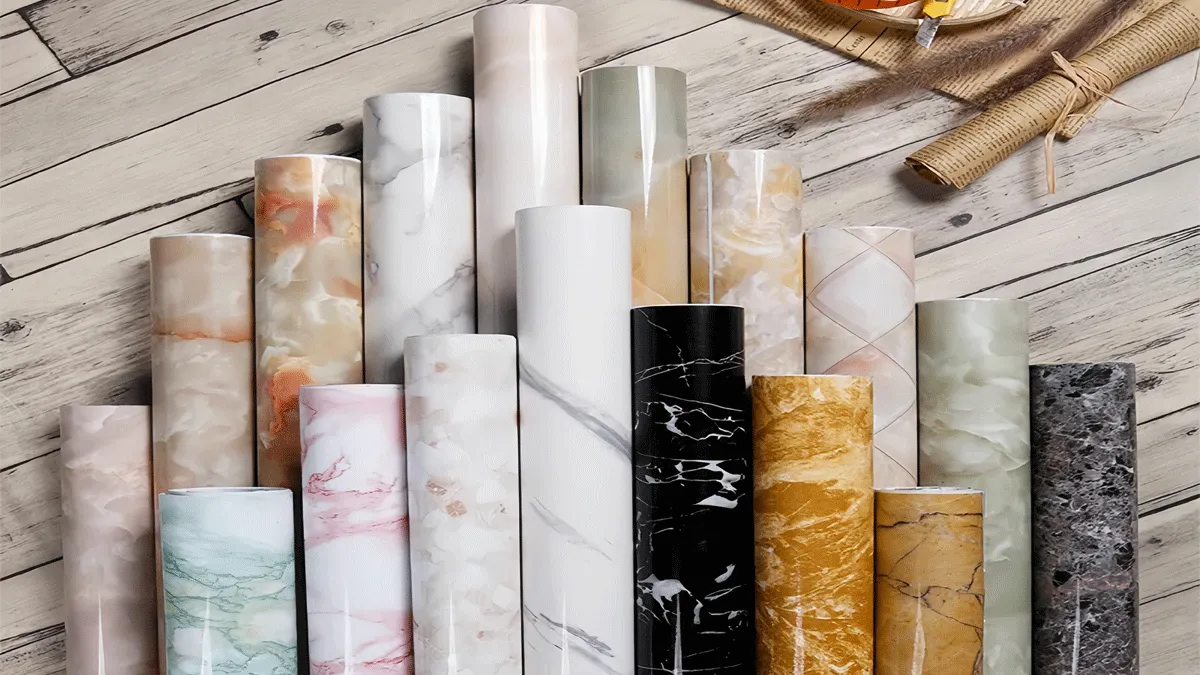
PVC film is everywhere — from kitchen countertops and wardrobe wraps to packaging and outdoor banners. A common question from homeowners, specifiers, and buyers is: Is PVC film waterproof? The short answer: most PVC films are water-resistant, but true waterproof performance depends on type, thickness, coatings, and installation.
PVC (polyvinyl chloride) film is a versatile synthetic plastic film produced by calendering or extrusion. It can be made transparent, pigmented, textured, or printed, and often receives surface treatments (lacquers, anti-slip or anti-UV coatings) and adhesives for specific uses. Because PVC itself repels liquid to a large extent, PVC film is widely used where moisture protection is needed — but not all PVC films perform the same under prolonged exposure.
In general, PVC film has strong water resistance: it does not absorb water like fabric and forms a continuous barrier that blocks moisture. However, “waterproof” is a stronger claim. Waterproof performance depends on:
So, while many PVC films are effectively waterproof for routine splashes, spills, and damp environments (bathrooms, kitchens, packaging), they may not be suitable for long-term submersion or unsealed outdoor exposure without appropriate finishing.
Different PVC film constructions offer different protection levels. Use the table below to compare common types and ideal uses.
| PVC Type | Typical Water Resistance | Best Uses |
|---|---|---|
| Calendered decorative film | High (splash & humidity) | Cabinets, wardrobes, furniture wrap |
| Self-adhesive PVC film | Moderate to high (depends on adhesive) | Wall & floor stickers, temporary protection |
| Laminated PVC (with barrier layer) | Very high (near waterproof) | Outdoor signage, packaging, moisture-sensitive goods |
| PVC for flooring / bathroom films | High (designed for wet zones) | Bathroom floors, skirting, kitchen splashbacks |
Thickness and layer count: Thicker films and multi-layer composites reduce risk of water permeation and puncturing. Coatings and laminates: A sealed lacquer, UV layer or PE lamination significantly boosts waterproofing. Seams and edges: Water often enters at joins—use welded seams, tape, or sealants for true waterproofing. Adhesives: In self-adhesive systems the adhesive must tolerate moisture—choose water-resistant adhesives for bathrooms or kitchens.
Manufacturers often perform standardized tests to quantify performance: water absorption tests (e.g., ASTM D570), immersion tests, and accelerated aging (UV + moisture). For outdoor or long-term wet applications, look for products tested for salt spray (corrosion environments) and hydrostatic pressure where applicable. If you need specific ratings, ask suppliers for test reports.
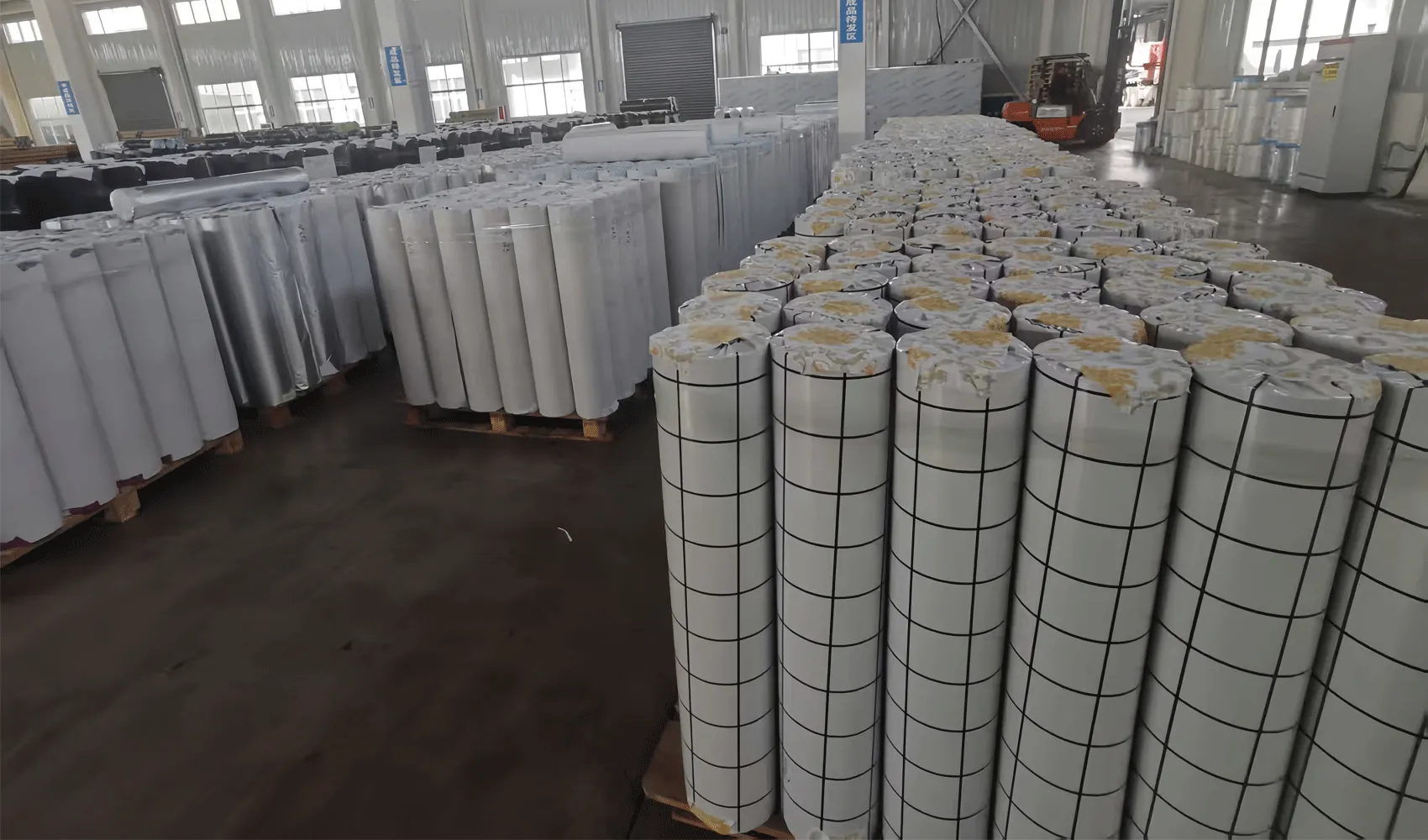
– Choose laminated or coated PVC for outdoor or wet zones.
– Specify thicker calendered film for areas with abrasion or frequent cleaning.
– Seal all seams and edges with waterproof tape or silicone where surfaces join.
– Use primers and water-resistant adhesives for vinyl-to-surface bonding.
– Regularly maintain and replace damaged areas — scratches and punctures compromise waterproofing.
Myth: “All PVC film is fully waterproof.” Reality: many are water-resistant, but not every product withstands immersion, chemicals, or unsealed joints. Myth: “Thin film cannot be waterproof.” Reality: technological coatings and laminates can give thin films excellent barrier properties for specific uses.
– Intended exposure: splash vs. immersion.
– Thickness and layer structure.
– Presence of lamination or protective coatings.
– Type of adhesive and seam treatment.
– Available test reports or certifications.
For reliable production and tailored waterproof PVC solutions, manufacturers with full in-house capabilities can offer consistent quality and customization. Pulivk provides calendering, printing, and split-packaging lines to control every production step and support OEM customization — contact https://pvcfilmtec.com/ for samples, technical specs, and production lead times.