Address
304 North Cardinal St.
Dorchester Center, MA 02124
Work Hours
Monday to Friday: 7AM - 7PM
Weekend: 10AM - 5PM
Address
304 North Cardinal St.
Dorchester Center, MA 02124
Work Hours
Monday to Friday: 7AM - 7PM
Weekend: 10AM - 5PM


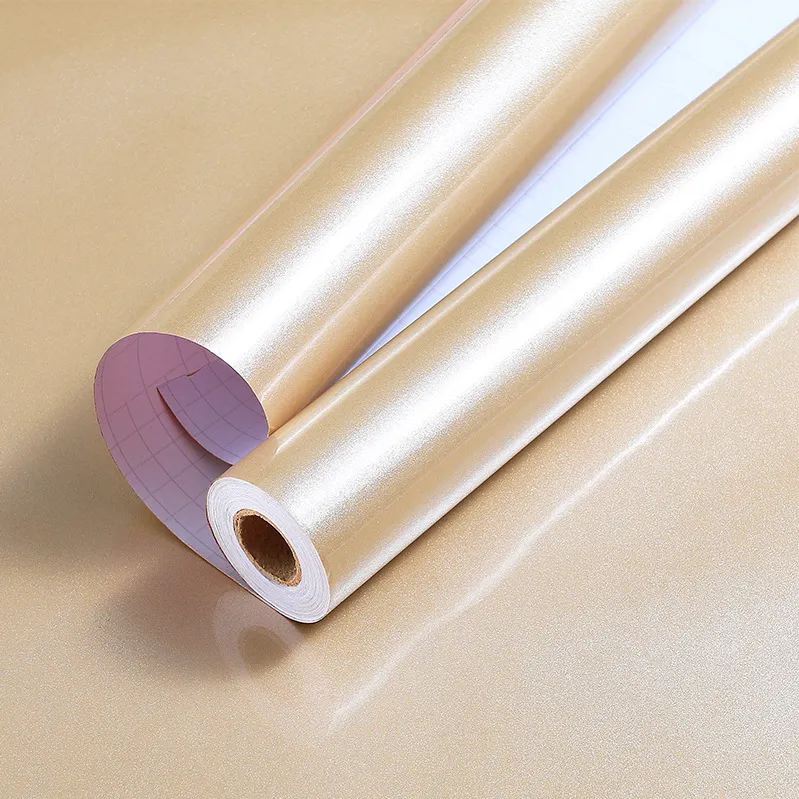
Nature wood PVC film is one of the fastest, most cost-effective ways to deliver a “real wood” look on cabinets, doors, wall panels, skirting, and furniture components—without the inconsistency, maintenance, or sourcing complexity of natural veneer. But purchasing the right film is not just about picking a pattern. The final result depends on finish (gloss level + texture), thickness (performance + forming ability), adhesive/lamination method, and—most importantly—supplier capability and quality control.
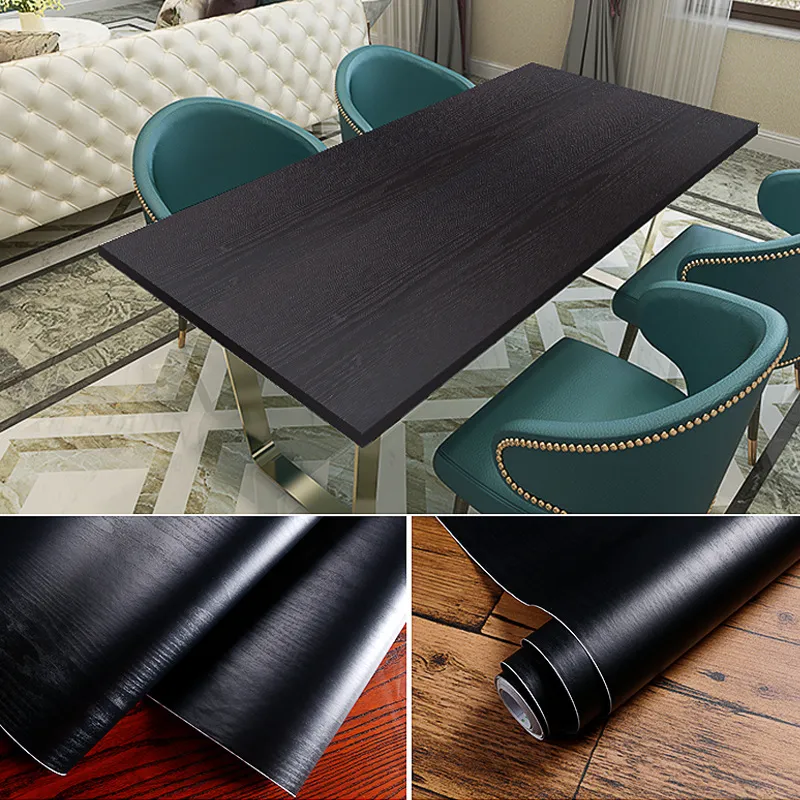
This purchasing guide walks you through how to choose the right nature wood PVC film for your project, how to write a clear specification, and how to evaluate suppliers for stable mass production.
“Nature wood” typically refers to wood grain designs that mimic natural timber character: subtle pore lines, varied growth rings, realistic color transitions, and a lower-repeat pattern that feels less “printed.” The goal is visual warmth and authenticity—especially important for residential furniture, hospitality interiors, and premium retail fixtures.
Key idea:
A nature wood film is purchased like a surface system, not a simple roll material. Pattern realism, surface feel, gloss, thickness, and lamination method must match the substrate and the end-use environment.
Before comparing catalogs, decide where the film will be used and what performance is required. Different applications push different priorities (scratch resistance, deep embossing, heat resistance, or easy cleaning).
Cabinet doors & wardrobes → focus on realistic grain + abrasion resistance + consistent gloss across batches.
Wall panels & decorative boards → prioritize low repeat, color stability, and easy cleaning (fingerprints show more on higher gloss).
Skirting & trims → emphasize impact resistance and edge-wrapping performance; consider purpose-specific skirting solutions like PVC skirting film.
Flooring & high-traffic surfaces → require higher wear resistance, stable thickness, and strong QC; explore dedicated floor film solutions if the project involves foot traffic.
Finish is the first thing customers notice—often even more than color. A perfect wood tone can still look “plastic” if the gloss and texture are wrong for the setting. In purchasing, define finish with measurable or sample-based references.
Matte / Super-matte: hides minor surface defects and fingerprints; tends to feel more “natural.” Ideal for modern kitchens, office furniture, and hotel casegoods.
Semi-matte / Satin: balanced appearance; commonly used for mass furniture lines where cleaning and consistency are both needed.
Gloss: strong visual impact but shows scratches and waves more easily; better for accent panels than heavy-touch zones.
Tip:
Always confirm gloss by physical sample under the same lighting as your showroom or site. Wood tones shift dramatically under warm (3000K) vs neutral (4000K) light.
Texture affects both realism and durability. Common options include:
Thickness is not “the thicker, the better.” The best thickness depends on whether you wrap profiles, press onto flat boards, or laminate with adhesive. Thickness also affects stiffness, cost, and the final tactile feel.
Common purchasing ranges for decorative nature wood PVC film:
Purchasing should be aligned with your process:
Many nature wood films are produced through calendering and then printed/embossed with additional layers depending on performance goals. When discussing with suppliers, clarify the base film type and surface build.
For a stable foundation commonly used in decorative applications, you can reference calendered film as a baseline category and then specify printing, embossing, protective topcoat, and any functional treatments (anti-static, anti-fog, etc.) required.
Procurement checkpoint:
Ask whether the supplier controls calendering + printing + slitting/packing in-house. Full-process control usually improves color stability, delivery reliability, and batch traceability.
Nature wood looks best when pattern repetition is less obvious and color is consistent across production. To avoid project delays and rework, define these items clearly:
Ask for repeat length and grain direction, especially for wide panels and tall doors. A smaller repeat may show “tiling” on large surfaces. For high-visibility furniture, a more natural, lower-repeat design often justifies a higher unit price.
Require the supplier to offer batch numbers, production records, and retention samples. If your project spans multiple shipments, this is critical for consistent appearance.
Furniture and interior surfaces face real-world abuse: fingernails, rings, cleaning chemicals, cooking oils, UV exposure, and humidity. Specify what matters in your market and usage scenario.
⭐ High-impact checks for nature wood film:
Many projects now require compliance documentation—especially for indoor furniture and public spaces. When purchasing, ask for available reports and align them with your market requirements.
Typical compliance topics include REACH, RoHS, ISO management systems, and restrictions on heavy metals and phthalates. If your product will be used in environments with human contact or strict procurement policies, confirm the supplier’s ink and additive strategy and whether third-party testing can be provided per batch or per material family.
A supplier is not just a “price per roll.” Consistency, lead time, packaging, and responsiveness determine whether your line runs smoothly. Use the checklist below when comparing factories.
Prefer suppliers with in-house control over calendering, printing, and slitting/packing. End-to-end production reduces mismatch between lots, improves corrective action speed, and often lowers total cost by reducing defects and delays.
Ask how the supplier handles trial orders vs. repeat mass production. A reliable partner can deliver samples quickly, lock the approved standard, and scale without drifting in color or gloss.
Supplier signal to value:
A factory that offers virtual tours, clear QC documentation, and fast corrective actions is usually safer than one offering only a low price and vague promises.
Decorative films can be damaged during transport if packed poorly—especially embossed textures and matte finishes that can scuff. Confirm packaging details in the PO:
Use this template to reduce back-and-forth and get accurate quotes. Clear specs also prevent costly misunderstandings.
The most frequent failures in nature wood PVC film sourcing come from missing alignment between design intent and process reality.
Many furniture and interior brands now build coordinated collections: nature wood for warmth, solid colors for minimalist doors, and stone patterns for accents. If you’re planning a full SKU set, align gloss and texture across materials so the lineup feels intentional rather than mixed.
For example, pairing wood grain fronts with a neutral wall surface can be done using options like solid color wallpaper when you want a clean, consistent background that doesn’t compete with the grain.
Q1: What thickness is best for cabinet doors?
Many cabinet door projects use 0.20–0.30 mm for a balance of durability and process compatibility, but profile wrapping and edge details may require different thickness and flexibility.
Q2: Matte or gloss—what looks more “natural”?
Matte/satin usually appears more like real wood and hides fingerprints better, while gloss is more decorative and highlights surface waves and scratches.
Q3: How do I ensure color consistency across repeat orders?
Approve a master sample, define viewing light conditions, and require batch traceability with retention samples and QC records for each production run.
Q4: Do I need special packaging for embossed or matte wood film?
Yes. Matte and embossed finishes can scuff; request individual roll wrapping, clean handling, and moisture/edge protection suitable for your shipping method.
Q5: What should I send to get an accurate quotation and samples?
Send application, thickness, width/roll length, finish/texture, pattern reference (photo or sample), quantity, and any compliance requirements so the supplier can match materials and propose the correct structure.